
Are you looking for ways to give your tomato plants an extra boost without breaking the bank or harming the environment? Composting tea is a natural, non-toxic method that can promote optimal growth and health in your tomatoes. By steeping compost-rich ingredients in water, you create a nutrient-rich liquid fertilizer that’s easy to use and customize for your specific needs.
In this article, we’ll show you how to create a tailored compost tea schedule specifically designed for tomatoes. We’ll cover the basics of making compost tea, including what types of materials to use, how long to steep them, and when to apply the finished liquid fertilizer. By following our expert advice, you can unlock higher yields, better resistance to disease, and more vibrant plant growth – all while using sustainable and eco-friendly practices that are safe for your family and pets.
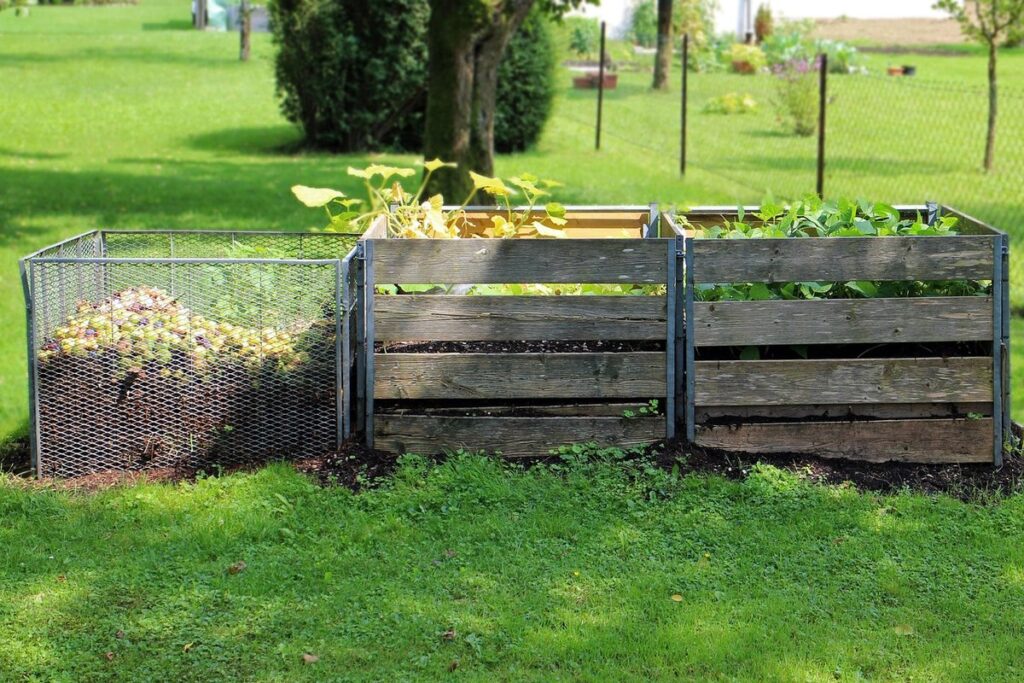
What is Compost Tea?
Composting tea, also known as liquid compost, is a nutrient-rich solution made by steeping compost in water to create a healthy drink for your tomato plants. This liquid treasure will give you insight into its benefits and uses.
Benefits of Using Compost Tea
Using compost tea as a fertilizer for tomato plants offers numerous benefits that make it an attractive alternative to synthetic fertilizers. One of the primary advantages is its non-toxic and environmentally friendly nature. Compost tea is brewed from rich, nutrient-dense compost, which releases beneficial microbes when steeped in water. These microbes then provide essential nutrients and stimulate plant growth without harming the soil ecosystem.
Another significant benefit is that compost tea can improve soil structure and fertility over time. As beneficial microbes colonize the soil, they break down organic matter, making it easier for plants to absorb water and nutrients. This leads to healthier roots, increased yields, and more robust tomato plants. What’s more, compost tea is a targeted fertilizer, providing exactly what your tomato plants need without overloading them with excess nutrients.
When used correctly, compost tea can reduce the need for synthetic fertilizers, promote soil biodiversity, and create a balanced, thriving ecosystem around your tomatoes.
Preparing Your Compost Material
When it comes to making compost tea for your tomatoes, you’ll want to use organic matter that’s rich in nutrients and beneficial microorganisms. Suitable materials for composting tea include finished compost, worm castings, and composted manure from herbivores like cows or horses.
To prepare these materials, start by removing any large debris or chunks. You can also pasteurize the material by heating it to 160°F (71°C) for 30 minutes to kill off pathogens. If using worm castings, you may want to sift them first to remove any large particles. Next, steep your chosen material in water at a ratio of 1 part material to 10 parts water for 24 hours. This will allow the microorganisms and nutrients to leach into the liquid.
It’s also essential to note that some materials are not suitable for compost tea, such as pet waste or food scraps high in fat or oil. These can introduce pathogens or attract pests to your garden. By choosing the right materials and preparing them properly, you’ll create a nutrient-rich brew that will give your tomatoes a healthy boost.
Brewing the Perfect Compost Tea
To brew the perfect compost tea, you’ll need a few simple ingredients and some basic equipment. Start by filling a bucket with 5 gallons of water and adding 1-2 cups of compost tea bags or a loose pile of worm castings. You can also use a combination of both for added benefits.
Next, monitor the temperature of your brew to ensure it falls within the optimal range of 68°F to 86°F (20°C to 30°C). This will help prevent any potential bacteria growth that could harm your tomatoes.
When it comes to pH levels, you’re aiming for a slightly acidic to neutral reading between 6.0 and 7.5. If you have a pH meter on hand, use it to check the levels periodically during the steeping process.
Steep the compost tea bags or worm castings in the water for 24 hours, then strain the liquid into another container using cheesecloth or a fine-mesh sieve. Discard the solids and reserve the liquid tea for use as a foliar spray or soil drench on your tomato plants.
Creating a Composting Tea Schedule
Now that you have a solid understanding of composting tea, it’s time to create a schedule tailored specifically for your tomato plants. We’ll walk you through how to set up and maintain an optimal brewing cycle.
Understanding Tomato Growth Stages
As you create your compost tea schedule for tomatoes, it’s essential to understand the different growth stages of tomato plants and tailor your approach accordingly. Tomatoes go through three primary growth stages: seedling, transplant, and fruiting.
During the seedling stage (1-2 weeks after sowing), young tomato plants require gentle care and a focus on root development. A balanced compost tea with a high nitrogen content will promote healthy root growth and establishment of a robust system. Use a ratio of 10:10:10 or 5:5:5 NPK to encourage strong roots.
As the plant reaches the transplant stage (2-4 weeks after sowing), it’s essential to provide more nutrients for leaf and stem development. Increase the nitrogen content to 15:5:10 or 20:5:10 NPK to support vigorous growth and fruiting potential. Avoid over-fertilizing, as this can lead to weak roots.
During the fruiting stage (4-8 weeks after sowing), focus on promoting fruit quality and increasing yields. Use a balanced compost tea with a higher potassium content (15:10:20 or 20:10:20 NPK) to support healthy fruit development and promote disease resistance.
Frequency and Dosage of Application
When creating a compost tea schedule for tomatoes, it’s essential to consider the ideal frequency and dosage of application at each growth stage. For seedlings (1-2 weeks old), apply 1/4 cup of compost tea per gallon of water once or twice a week. This will help establish a healthy root system.
As tomato plants grow (vegetative phase, 2-6 weeks), increase the frequency to every 3-5 days and double the dosage to 1/2 cup per gallon. During this stage, you’re aiming to promote robust growth, disease resistance, and a strong defense system. To achieve this, apply compost tea throughout the plant’s canopy, including undergrowth.
During the fruiting phase (7-10 weeks), reduce the frequency to once every week and maintain the same dosage of 1/2 cup per gallon. This allows the plant to focus on producing fruit rather than excessive vegetative growth. Keep in mind that over-fertilization can lead to weakened plants, so monitor your tomato’s response to adjust the schedule as needed.
Incorporating compost tea at each growth stage will yield a healthier, more resilient plant with improved yields and reduced susceptibility to pests and diseases.
Monitoring Plant Response and Adjusting the Schedule
As you continue to brew and apply compost tea to your tomato plants, it’s essential to monitor their response and adjust the schedule as needed. Start by observing the plants’ overall health, growth rate, and resilience to pests and diseases. Are they producing more fruit than usual? Are the leaves a vibrant green color? These are signs that the compost tea is working its magic.
However, if you notice any decline in plant health or slower growth rates after applying compost tea, it may be an indication that the plants need more time to adjust or that the tea concentration needs to be adjusted. Some common issues to look out for include fungal diseases, pests like aphids and whiteflies, and nutrient deficiencies.
Keep a record of your observations and adjust the schedule accordingly. If you’re applying compost tea too frequently, this can lead to an overabundance of nutrients, which can cause more harm than good. On the other hand, if you’re not applying it often enough, the benefits may be minimal. Aim for a balance that suits your plants’ needs, and adjust the schedule as needed to ensure optimal results.
Composting Tea Ingredients and Ratios
To brew a nutrient-rich compost tea for your tomatoes, you’ll need to understand the essential ingredients and their ideal ratios to create an optimal fertilizer solution.
Commonly Used Compost Tea Ingredients
When brewing compost tea, you’ll want to use ingredients that provide a rich source of nutrients for your tomatoes. Some popular options include fish emulsion, kelp meal, and alfalfa meal.
Fish emulsion is a liquid fertilizer made from the remains of small fish. It’s an excellent source of nitrogen, phosphorus, and potassium (NPK), making it perfect for promoting healthy growth in tomato plants. Look for a high-quality fish emulsion that’s free of additives and chemicals.
Kelp meal is a dried seaweed product rich in micronutrients like iron, zinc, and boron. It helps to promote root development, increase yield, and enhance the overall health of your tomato plants. When using kelp meal, start with a small amount (about 1-2 tablespoons per gallon) and gradually increase as needed.
Alfalfa meal is another excellent option for compost tea, providing a boost of nitrogen and other micronutrients. It’s also rich in protein, making it an ideal ingredient for promoting healthy growth and development in tomato plants. As with kelp meal, begin with a small amount (about 1-2 tablespoons per gallon) and adjust as needed.
These ingredients can be combined in various ratios to create the perfect blend for your compost tea. A general rule of thumb is to use 1 part fish emulsion or alfalfa meal to 2 parts kelp meal. Experiment with different combinations to find what works best for your tomato plants.
Calculating Optimal Ingredient Ratios
When it comes to creating an optimal compost tea blend for your tomatoes, getting the ingredient ratios right is crucial. You want to ensure that you’re providing your plants with the necessary nutrients without over-fertilizing and causing more harm than good.
To calculate the correct ratios, start by identifying the three main ingredients: brown materials (e.g., leaves, straw), green materials (e.g., grass clippings, manure), and microorganisms (e.g., compost tea bags). A general rule of thumb is to aim for a 2:1 or 3:1 ratio of “brown” to “green” ingredients. This balance provides the necessary carbon-rich nutrients for beneficial microbes to thrive.
A typical blend might consist of:
* 2/3 brown materials (e.g., 1 cup leaves and 1 cup straw)
* 1/3 green materials (e.g., 1/2 cup grass clippings or manure)
Remember that these are just rough estimates, and you may need to adjust the ratios based on your specific compost tea recipe and plant requirements. It’s essential to monitor the composting process closely and be prepared to make adjustments as needed. By following this basic guideline and being mindful of ingredient ratios, you’ll be well on your way to creating a balanced compost tea blend for optimal tomato growth.
Additional Supplements for Enhanced Benefits
Adding beneficial microbes or mycorrhizal fungi to your compost tea can take its benefits to the next level. Beneficial microbes, such as Trichoderma or Bacillus, can help control fungal diseases and improve soil structure. You can add a commercial product containing these microbes or create your own by brewing a small amount of compost with water and letting it sit at room temperature for 24-48 hours before straining and adding to your main compost tea brew.
Mycorrhizal fungi, on the other hand, form symbiotic relationships with plant roots, enhancing nutrient uptake. Products like MycoApply or mycorrhizal inoculum can be added directly to the soil around your tomato plants or mixed into the compost tea before brewing. When using mycorrhizal fungi, it’s essential to choose a product suitable for your local climate and plant species.
Some gardeners also swear by adding seaweed extract or kelp meal to their compost tea, citing improved nutrient availability and drought tolerance in their tomato plants.
Troubleshooting Composting Tea Applications
If you’re experiencing issues with your composting tea applications, don’t worry – we’ve got some common problems and solutions to help you get back on track. Let’s dive in and troubleshoot together!
Common Issues with Compost Tea Use
One of the most common issues with compost tea use is over-steeping, which can lead to an imbalance of beneficial microorganisms. When you steep compost tea for too long, the high concentration of microbes can cause harm to your tomato plants. To avoid this, it’s essential to follow a proper brewing schedule. Typically, compost tea should be brewed for 24 hours, but some gardeners prefer shorter or longer steeping times depending on their specific needs.
Another issue that may arise is contamination from pests, diseases, or other unwanted microorganisms. This can happen if you’re not using a proper brewing vessel or if the compost tea is exposed to air and water. To minimize this risk, use a fine-mesh bag or cheesecloth to contain the compost and keep it separate from the liquid solution.
Finally, some gardeners may experience problems with inconsistent results, such as poor plant growth or unusual pest infestations. This could be due to inadequate compost quality, incorrect brewing procedures, or using too little tea at once. To troubleshoot these issues, start by monitoring your compost tea’s pH levels and microbial activity, adjusting the steeping time and volume accordingly.
Solutions for Over-Fertilization and Other Issues
If you notice that your tomatoes are over-fertilized due to an excessive application of composting tea, it’s essential to address the issue promptly. To mitigate the effects, start by flushing out the excess nutrients from the soil using plenty of water. This will help dilute the concentration of fertilizers and prevent further damage.
Another solution is to adjust your composting tea schedule for tomatoes accordingly. If you find that your plants are not responding as expected, consider reducing the frequency or strength of the application. It’s also crucial to ensure that the temperature and aeration levels within your composting tea brewer are optimal, as these factors can significantly impact the nutrient availability.
In case of equipment malfunctions or contamination issues, discard the affected batch immediately and take steps to sanitize the equipment properly before proceeding with a new brewing cycle. Regular maintenance and monitoring will help you identify potential problems early on and prevent them from causing harm to your plants.
Integrating Composting Tea into Your Organic Gardening Practices
Now that you’re familiar with creating a composting tea schedule for tomatoes, let’s dive into how to integrate this practice into your organic gardening routine seamlessly.
Sustainable and Eco-Friendly Methods
When you incorporate compost tea into your organic gardening routine, you’re not only nourishing your tomatoes with beneficial microbes and nutrients, but also contributing to a more sustainable gardening approach. By utilizing compost tea, you reduce waste by turning kitchen scraps and yard trimmings into a valuable resource.
To further amplify the eco-friendly benefits of compost tea, consider these tips:
* Use a rain barrel or container to collect and store water for your compost tea, reducing the need for tap water.
* Compost at home using food waste and yard clippings, minimizing the carbon footprint associated with transportation to a commercial composting facility.
* Implement a closed-loop system by reusing materials like wood chips or straw as mulch, thereby minimizing waste.
By embracing these sustainable methods, you’ll not only create a healthy soil ecosystem for your tomatoes but also contribute to a more environmentally conscious gardening practice. This holistic approach ensures that every aspect of your garden is optimized for growth and health while promoting eco-friendliness in all aspects.
Tips for Long-Term Success with Compost Tea
To achieve long-term success with compost tea, it’s essential to establish a routine that ensures consistent results over time. Regular monitoring is crucial to maintaining the health and vitality of your tomato plants. Start by setting aside a dedicated schedule for brewing and applying compost tea. This can be as simple as dedicating one day a week to brewing a fresh batch.
As you continue using compost tea, pay attention to any changes in plant growth or soil health. Note down observations, such as improved fruit yields, increased foliage density, or enhanced resistance to pests and diseases. Use this data to adjust your compost tea recipe, if needed, by tweaking the concentration of microorganisms or adding different supplements.
Also, ensure that you’re not over-brewing the compost tea, which can lead to an overpowering amount of beneficial microbes. A general rule of thumb is to brew it for 24 hours at room temperature.
Frequently Asked Questions
Can I use compost tea during the dormant season for tomatoes?
While compost tea is most beneficial during active growth periods, you can still apply it during the dormant season to maintain soil health and prepare your tomato plants for next year’s growth. However, reduce the frequency of applications and adjust ingredient ratios accordingly.
How do I know if my compost tea is too strong or weak for my tomatoes?
Check the pH level and nutrient content using a soil testing kit. Aim for a balanced mixture with 2-3% solids by volume. If your tea is too strong, dilute it immediately; if it’s too weak, brew another batch.
What are some signs that my tomato plants need an adjustment in their compost tea schedule?
Monitor your plants’ response to the fertilizer by looking for improved growth rates, increased fruit production, and enhanced resistance to disease. Adjust your schedule as needed based on these indicators and factors like climate, soil type, and plant variety.
Can I use any type of compost material for making compost tea, or are some better suited than others?
Not all compost materials are created equal. Choose mature, nutrient-rich compost with a diverse microbial population to get the most benefits from your compost tea. Avoid using fresh manure, as it can introduce pathogens into your garden.
How long does it take for the beneficial microbes in compost tea to colonize my tomato plants’ roots?
This process typically takes 1-2 weeks after initial application. To ensure optimal colonization, maintain consistent watering and provide ideal growing conditions for your tomatoes.