
Are you looking for a way to give your garden an organic boost? Compost tea is a natural, effective solution that can improve soil health and promote a balanced ecosystem. This liquid gold is made by steeping compost in water, releasing a nutrient-rich solution that’s packed with beneficial microbes. By using compost tea effectively, you can reduce the need for chemical fertilizers and pest control methods, creating a healthier environment for your plants to thrive.
In this article, we’ll show you how to use compost tea like a pro, from brewing it at home to applying it to your garden beds. We’ll cover the benefits of using compost tea, including its role in improving soil structure and promoting beneficial microbial life. By following our step-by-step guide, you can unlock the full potential of this powerful tool and take your gardening skills to the next level.
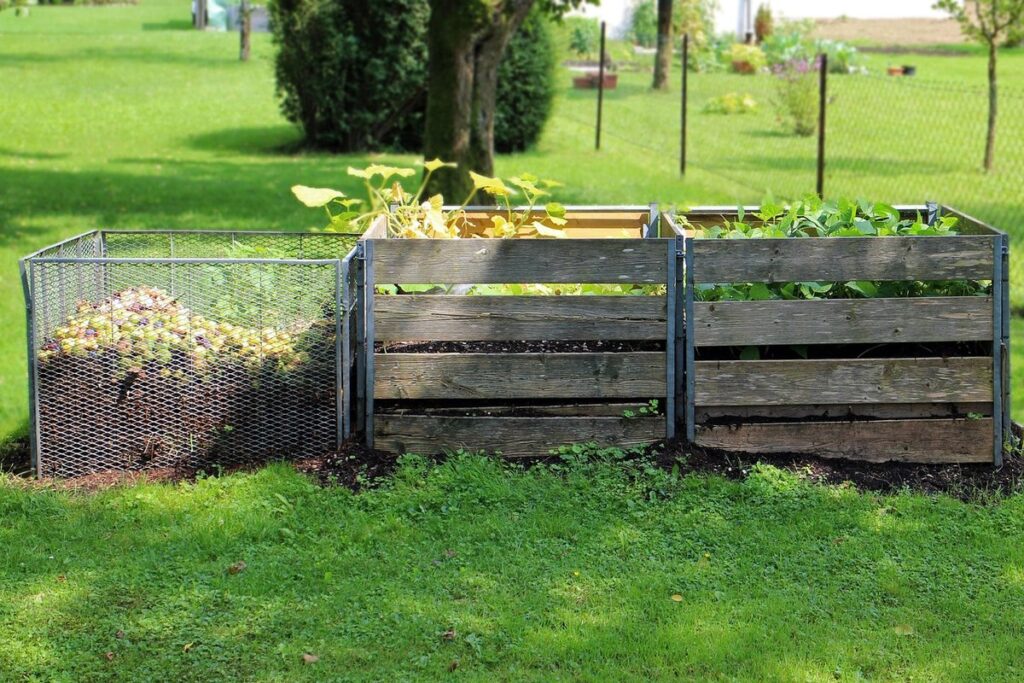
What is Compost Tea and Why Should You Use It?
Let’s get started by understanding what compost tea is and why it’s a game-changer for your garden, offering numerous benefits to soil health.
Introduction to Compost Tea
Compost tea is a liquid solution that’s made by steeping compost in water. The result is a nutrient-rich brew that’s teeming with beneficial microorganisms, which can significantly improve soil health. When you add compost tea to your garden, these good microbes work to break down organic matter, suppress diseases, and promote healthy microbial activity.
To make compost tea, you’ll need a few simple materials: a bucket or container, some water, and a piece of cloth or filter to strain the liquid. The basic process involves submerging a 5-10% ratio of mature compost in water for 24 hours. The longer it steeps, the more potent the solution becomes. You can adjust this ratio depending on your specific needs.
Some gardeners swear by adding a few drops of beneficial microbe-inoculated tea to their soil, while others prefer using it as a foliar spray or drenching their plants directly with the liquid. Experiment with different application methods and dilution ratios to find what works best for your garden.
The Science Behind Compost Tea’s Benefits
Soil microbes are responsible for breaking down organic matter and making nutrients available to plants. Compost tea is rich in beneficial microorganisms that can improve soil structure and promote a balanced ecosystem. When steeped, the compost releases these microbes into the water, creating an environment where they can thrive.
This environment stimulates microbial activity, which increases nutrient availability by up to 4 times compared to using plain compost. The beneficial bacteria and fungi in compost tea help to solubilize nutrients, making them accessible to plants more efficiently.
Compost tea’s effects on soil structure are also significant. By increasing the population of mycorrhizal fungi, it enhances plant roots’ ability to absorb water and nutrients. This can lead to improved drought tolerance, healthier root growth, and increased crop yields. The science behind compost tea’s benefits is rooted in its ability to support a balanced ecosystem within your garden’s soil.
Preparing Your Compost Tea for Use
Now that you’ve brewed your compost tea, it’s time to prepare it for use in your garden. This is where you’ll learn how to strain and dilute your liquid gold.
Choosing the Right Compost for Compost Tea
When it comes to brewing the perfect compost tea, the type of compost you use is crucial. You’ll want to choose a high-quality compost that’s rich in beneficial microbes and nutrients. Here are some popular options:
Hot compost is a great choice for making compost tea, as it’s usually teeming with microorganisms that will help break down organic matter quickly. Cold compost, on the other hand, may not be as effective, as it takes longer to mature and may not contain as many beneficial microbes.
Another excellent option is worm castings, also known as vermicompost. Worms are incredible at processing and recycling nutrients, and their castings are packed with beneficial bacteria that will give your plants a boost. When using worm castings, make sure they’re fully broken down and free of any chunks or lumps.
When selecting a compost for tea brewing, look for one that’s certified organic and has been tested for microbial activity. A good rule of thumb is to choose a compost that’s at least 3-6 months old, as this allows the microorganisms to mature and develop their full potential.
Equipment Needed for Making Compost Tea
To brew and use compost tea effectively, you’ll need some specialized equipment. Start with a food-grade container that’s large enough to hold at least 5 gallons of liquid. You can use a plastic bucket or a glass carboy, but make sure it’s clean and free of any contaminants.
Next, consider investing in an aeration system. This will help to introduce oxygen into the liquid, which is essential for beneficial microbes to thrive. There are two common types of aeration systems: air stones and pond pumps. Air stones release bubbles directly into the liquid, while pond pumps circulate the water and inject oxygen from the surface.
You’ll also need a pump to aerate your compost tea. Look for one that’s specifically designed for aquarium or pond use, as these are typically equipped with both aeration and circulation capabilities. Additionally, you can purchase separate components like air filters and tubing to customize your setup.
How to Make Your Own Compost Tea at Home
Making compost tea at home is surprisingly easy, requiring just a few basic supplies and some simple steps that you can follow in your own kitchen. Let’s dive into the process of brewing your own compost tea!
Basic Brewing Method: A Step-by-Step Guide
Making compost tea at home is a straightforward process that requires minimal equipment and can be done safely with basic household items. To start, you’ll need a bucket or container large enough to hold 5-10 gallons of water, as well as a submersible pump, an aerator, or a simple air stone. These items will help to oxygenate the mixture and promote healthy microbial growth.
Begin by filling your container with 1/2 to 3/4 of the total capacity with water, leaving enough room for the compost and the liquid to expand. Next, add 1-2 pounds of finished compost or worm casting on top of the water. This is the “tea” that will infuse into the water over the next 24 hours.
Make sure to use a clean container and utensils when handling the compost to avoid contamination. Once you’ve added the compost, cover the bucket with a lid or cloth to prevent any debris from entering the mixture during the steeping process.
Advanced Methods for Large-Scale or Commercial Use
For gardeners with larger plots of land or those involved in commercial horticulture, making compost tea on a larger scale is essential to maintain healthy soil and plants. One way to achieve this is by using aerators and pumps to increase the oxygenation process, which accelerates the breakdown of microorganisms.
Aerator systems can be installed in tanks or bins to provide adequate aeration, while pumps are used to circulate the liquid within the system. This not only speeds up the brewing process but also ensures that all parts of the mixture receive equal exposure to oxygen. Another key consideration is the tank size: larger containers allow for more compost material and increased production capacity.
When scaling up production, it’s crucial to maintain a stable temperature between 50-70°F (10-21°C) and ensure adequate stirring or agitation. This helps prevent the growth of anaerobic microorganisms, which can be detrimental to plant health. Additionally, consider investing in a timer to automate the process and minimize labor requirements.
For large-scale production, you may also want to explore alternative brewing methods, such as using floating aerators or submersible pumps. These solutions are designed for high-capacity applications and provide efficient oxygenation and mixing of the compost tea liquid.
Some gardeners have reported significant improvements in soil health and plant growth after implementing larger-scale compost tea production. By following these guidelines and investing in the necessary equipment, you can achieve similar results and reap the rewards of using compost tea in your garden or commercial application.
Applying Compost Tea to Your Garden
Now that you know the benefits of compost tea, let’s dive into how to apply it directly to your garden for optimal results. We’ll cover the best methods and timing for a lush, healthy harvest.
Foliar Spray: Directly onto Leaves
Applying compost tea as a foliar spray is an effective way to provide plants with an immediate boost of nutrients. This method allows for direct uptake by the leaves, bypassing the roots and getting the beneficial microbes and nutrients to where they’re needed most – the plant’s growing tissues.
To do this, you’ll need a fine-mist sprayer or a mister that can atomize the compost tea into a fine spray. Fill your sprayer with the prepared compost tea, making sure not to overflow it. You want enough liquid to coat the leaves evenly without drowning them.
Spray the mixture directly onto the leaves, taking care to avoid any sensitive areas like buds and flowers. A light coating is all you need; over-saturation can lead to more harm than good. Start by targeting plants that are struggling or showing signs of nutrient deficiencies. You may see improvements within a few days, depending on the health of your plants and the strength of the compost tea.
Remember to use this method in moderation and as part of an overall soil care routine to avoid creating dependencies on foliar feeding. With regular applications, you can expect healthier, more robust plants with reduced susceptibility to pests and diseases.
Soak and Drip Irrigation: Soil and Root Application
Applying compost tea through soak and drip irrigation systems is an excellent way to promote long-term soil health improvement. This method allows you to target specific areas of your garden that may require extra nourishment, such as new plantings or areas with poor soil quality.
To use a soak system, simply mix the compost tea with water in a large bucket or container and let it soak into the soil for several hours before watering as usual. You can also add beneficial microbes to the soil by mixing them with the compost tea solution. For example, you can add 1-2 tablespoons of effective microorganisms (EM) powder to 10 gallons of compost tea.
For drip irrigation systems, attach a tee or valve to the existing system and connect it to your compost tea reservoir. This will allow the beneficial microbes to flow directly into the soil, where they can colonize and improve soil health over time. It’s essential to adjust the flow rate according to the manufacturer’s instructions to avoid clogging the system.
When using either method, remember to monitor the pH level of your compost tea to ensure it’s within a suitable range for your plants. A pH between 6.0 and 7.0 is generally ideal. Also, keep in mind that compost tea can be quite potent, so start with small applications and gradually increase as needed.
Safety Precautions and Common Mistakes to Avoid
To use compost tea effectively, it’s crucial to follow some essential safety precautions to avoid common mistakes that can harm your garden and you. Be aware of these potential pitfalls before brewing.
Potential Risks and Side Effects
While compost tea can be a game-changer for your garden, there are potential risks and side effects to be aware of. Over-fertilization is one of the most common mistakes made when using compost tea. This can occur if you steep the compost tea bags or tea brewers for too long, resulting in an overabundance of nutrients that can burn your plants’ roots.
To mitigate this risk, it’s essential to monitor the pH levels and nutrient content of your compost tea. Regularly test the liquid to ensure it’s within a balanced range. You can use a pH meter or send a sample to a lab for analysis.
Another potential issue is contamination. If you’re using raw compost materials that are not fully decomposed, they may introduce pathogens into your garden. To avoid this, make sure to use only aged and matured compost tea bags or brew your compost in a sanitized environment.
By being mindful of these risks and taking the necessary precautions, you can enjoy the benefits of compost tea while keeping your garden healthy and thriving.
Best Practices for Making and Using Compost Tea
When making and using compost tea, it’s essential to avoid common mistakes that can render it ineffective. One critical aspect is brewing time. If you don’t steep the compost long enough, the beneficial microbes may not have a chance to activate, rendering the liquid useless for plant growth. Conversely, oversteeping can cause the tea to become too strong, potentially harming your plants.
Water temperature also plays a crucial role in making effective compost tea. Use cold water, as hot water can kill off the beneficial microbes. A general rule of thumb is to brew at room temperature (around 68-72°F) for 24 hours. This allows the microorganisms to break down and multiply, creating a nutrient-rich solution.
When applying compost tea to your garden, be mindful of rates. Too much can cause an overabundance of nutrients, leading to weak growth or even plant death. A typical ratio is 1 gallon of compost tea per 10 square feet of soil. Start with small batches and monitor plant response before scaling up production.
Monitoring and Maximizing the Benefits of Your Compost Tea
To get the most out of your compost tea, you’ll want to learn how to monitor its effectiveness and make adjustments as needed to maximize its benefits for your garden.
How to Measure Success: Tracking Changes in Soil Health
To effectively measure the success of using compost tea in your garden, it’s essential to track changes in soil health. You can start by monitoring pH levels, which should remain within a healthy range for your specific plants (typically between 6.0 and 7.0). A pH meter or testing kit will come in handy here.
Another crucial aspect is nutrient availability. Check the nitrogen, phosphorus, and potassium levels before and after applying compost tea to see if there’s an improvement. You can also use a soil test kit for this purpose.
Microbial activity is another vital indicator of soil health. Compost tea should increase beneficial microbe populations, which in turn will help your plants absorb nutrients more efficiently. To track microbial activity, you can observe the presence or absence of specific microorganisms using a microscope or send samples to a lab for analysis.
To get an accurate picture of improvements, take regular measurements over time and compare them to baseline data from before compost tea application. This will give you a clear indication of whether your efforts are paying off and what adjustments you need to make in the future.
Tips for Continuous Improvement: Adapting Your Compost Tea Routine
As you continue to monitor and maximize the benefits of your compost tea routine, it’s essential to adapt and refine your approach based on what you’ve learned. This might mean adjusting the brewing time, adding different types of amendments, or experimenting with new strains of beneficial microbes.
For example, if you notice that your plants are responding particularly well to a certain type of microbe, such as Trichoderma, you may want to prioritize adding more of that strain to your compost tea. Conversely, if you’re finding that some microbes are not having the desired effect, you can remove or reduce them from your routine.
Another key aspect is to pay attention to the “dose” – both in terms of the amount of liquid and the concentration of microbes – to ensure you’re providing exactly what your plants need. You might find that a stronger brew works better for certain types of plants, while others require a more diluted solution. Experimenting with different ratios and concentrations will help you strike the perfect balance.
Frequently Asked Questions
How Long Does Compost Tea Stay Effective After Brewing?
Compost tea typically remains effective for 24 to 48 hours after brewing, depending on factors like storage conditions and application timing. To maximize its benefits, apply it within this timeframe or store it in a cool, dark place if you can’t use it immediately.
Can I Use Compost Tea on All Types of Plants?
While compost tea is beneficial for most plants, some may require special consideration. For example, seedlings and young plants might be sensitive to the high microbial load, so start with small applications or dilute the tea before using it. Research specific plant needs or consult with a gardening expert if you’re unsure.
What Happens If I Over-Applied Compost Tea to My Garden?
Over-application of compost tea can lead to an overgrowth of beneficial microbes, potentially harming your plants. If you notice excessive leaf drop, yellowing leaves, or other adverse effects, reduce the frequency or amount of application and reassess your soil’s needs.
Can I Mix Compost Tea with Other Liquid Fertilizers?
Yes, but be cautious not to overwhelm your plants’ root systems. When combining compost tea with other liquid fertilizers, start with a small batch and monitor plant responses before scaling up. This will help you find the optimal balance for your garden’s specific needs.
How Can I Measure the Success of My Compost Tea Routine?
Regularly track changes in soil structure, microbial activity, and plant growth to gauge the success of your compost tea routine. Use a soil testing kit or consult with a gardening expert to assess your progress and make adjustments as needed.