
Are you tired of throwing away food scraps and yard waste without knowing how to turn them into nutrient-rich compost? Or perhaps your current compost pile is struggling to break down, leaving you with a smelly mess. As gardeners and environmental enthusiasts, we all know that creating rich soil is key to growing healthy plants, but achieving the perfect balance of carbon and nitrogen in our compost piles can be tricky.
In this article, we’ll dive into the world of compost ratio and explore the essential carbon-nitrogen balance for optimal decomposition. We’ll cover the ideal ratios for both hot and cold composting methods, as well as provide tips on how to monitor your pile’s progress and troubleshoot common issues. Whether you’re a seasoned composter or just starting out, this guide will equip you with the knowledge needed to create a thriving, nutrient-rich soil that will take your garden to the next level.
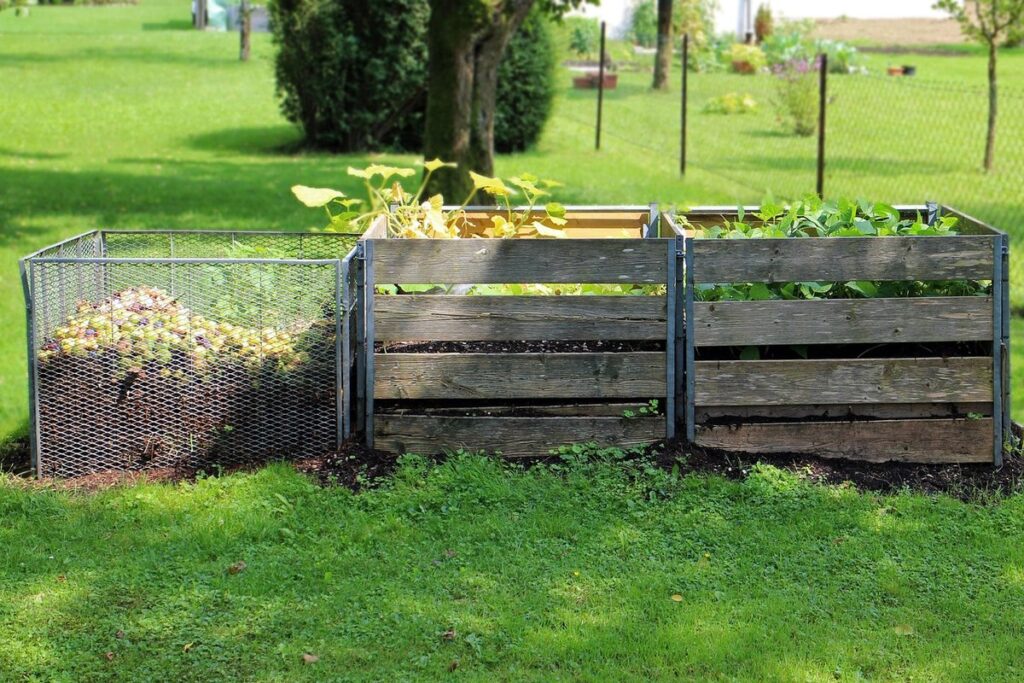
Understanding Composting Basics
To get started with composting, it’s essential to grasp some basic concepts that’ll help you create a balanced and thriving compost pile. Let’s dive into the fundamentals of carbon and nitrogen ratios.
What is Composting?
Composting is a fundamental concept that sets the stage for achieving the perfect carbon nitrogen balance. At its core, composting involves breaking down organic materials into a nutrient-rich soil amendment. For gardeners and environmental enthusiasts alike, composting is essential for several reasons. Firstly, it reduces waste sent to landfills by diverting organic matter back into the ecosystem.
Properly done, composting not only minimizes environmental harm but also has numerous benefits for your garden or indoor plants. The compost produced is teeming with beneficial microbes that improve soil structure, fertility, and overall health. This leads to healthier root development, increased crop yields, and a reduced need for synthetic fertilizers.
To get started with composting, begin by collecting organic materials like food scraps, leaves, grass clippings, or shredded paper. Aim for a mix of “green” (nitrogen-rich) materials, such as fruit peels and coffee grounds, and “brown” (carbon-rich) materials, including dried leaves and twigs.
Benefits of Composting
Composting is an eco-friendly practice that offers numerous benefits for our planet and our gardens. By composting, you’re reducing waste sent to landfills by diverting organic materials like food scraps, leaves, and grass clippings into a nutrient-rich soil amendment.
One of the most significant advantages of composting is its ability to conserve water. Compost helps improve soil structure, allowing roots to grow deeper and access more water, reducing the need for frequent watering. A study by the US Environmental Protection Agency found that compost can reduce irrigation needs by up to 30%. This not only saves you money on your water bill but also reduces the strain on local water resources.
Composting also has a profound impact on soil health. The microorganisms present in compost break down organic matter, releasing essential nutrients like nitrogen, phosphorus, and potassium. These nutrients improve soil fertility, structure, and overall health, making it easier for plants to grow strong and healthy. Regularly adding compost to your garden or indoor pots can even help suppress diseases and pests, reducing the need for chemical pesticides.
Incorporating compost into your gardening routine is a simple yet effective way to reduce waste, conserve water, and improve soil quality. Start by setting up a compost bin in your backyard or repurposing an old container on your balcony. Add a mix of “green” materials like food scraps and grass clippings with “brown” materials like dried leaves and twigs. Maintain the pile’s moisture, turning it regularly to ensure optimal decomposition.
By adopting this simple practice, you’ll not only be reducing waste but also contributing to a more sustainable future for our planet.
Common Composting Mistakes
As you start your composting journey, it’s essential to avoid common mistakes that can hinder the composting process. One of the most critical aspects is achieving the right carbon-nitrogen ratio. However, many beginners make this mistake by adding too much or too little of either component.
For example, if you add more nitrogen-rich materials like food scraps and grass clippings without balancing them with sufficient carbon-rich materials, your compost pile will become too wet and may even attract pests. On the other hand, adding too much carbon-rich material can lead to a dry, anaerobic environment that doesn’t break down efficiently.
To avoid these mistakes, make sure to balance your compost pile by layering nitrogen-rich materials with carbon-rich ones. A general rule of thumb is to aim for 2/3 carbon-rich materials and 1/3 nitrogen-rich materials. For instance, a mix of shredded newspaper (carbon) and kitchen scraps (nitrogen) works well.
Keep in mind that it’s not just about the ratio; monitoring moisture levels, temperature, and turning your pile regularly are also crucial steps to creating nutrient-rich compost. By understanding these basics and avoiding common mistakes, you’ll be well on your way to successful composting.
The Science Behind Carbon Nitrogen Balance
Let’s dive into the science behind carbon nitrogen balance, where we’ll explore the intricate details of how C:N ratios affect microbial growth and decomposition. This is crucial for achieving optimal compost quality.
What is the Ideal C:N Ratio?
The ideal carbon-to-nitrogen (C:N) ratio is often cited as the key to optimal decomposition and nutrient retention in compost. But what exactly does this ratio mean, and why is it so crucial? Simply put, the C:N ratio refers to the balance between the amount of carbon-rich “brown” materials (like dried leaves or straw) and nitrogen-rich “green” materials (such as food scraps or grass clippings) in your compost pile.
Research suggests that a C:N ratio of 25:1 to 30:1 is ideal for most composting applications. This means that for every part of green materials, you’ll want to add 2-3 parts of brown materials. For example, if you’re adding one bucket of food scraps (green), you’d want to add two buckets of shredded newspaper or straw (brown) on top.
But what happens when this balance is off? Too much nitrogen can lead to a messy, anaerobic compost that’s more like a stinky soup than a rich soil amendment. On the other hand, too much carbon can result in a slow-to-decompose pile that’s more like a cold, damp sponge than a fertile growing medium.
Factors Affecting C:N Ratio
When it comes to creating an ideal carbon-nitrogen balance in compost, various factors come into play that can significantly affect the process. One of the most critical aspects is moisture levels. Compost needs adequate moisture to facilitate microbial activity, which breaks down organic matter and releases nutrients. However, excessive water can lead to anaerobic conditions, causing the decomposition process to slow down or even come to a halt.
Temperature also plays a crucial role in determining the carbon-nitrogen balance in compost. Different types of microorganisms thrive at various temperature ranges. For instance, bacteria prefer temperatures between 40°C and 60°C (104°F to 140°F) for optimal growth. On the other hand, fungi thrive at slightly lower temperatures.
Oxygen levels are equally important, as they determine the rate at which microorganisms break down organic matter. Compost piles with sufficient oxygen allow aerobic microorganisms to dominate, leading to efficient decomposition and a more balanced carbon-nitrogen ratio. A well-balanced compost pile typically consists of 2/3 “brown” materials (high in carbon) and 1/3 “green” materials (high in nitrogen).
Measuring and Maintaining the Right Balance
To measure and maintain the ideal carbon-to-nitrogen ratio, you’ll need to track the balance of these two essential elements as they transform into compost. One simple method is to use a composting chart or table that lists typical C:N ratios for various materials. For example, if you’re adding 10 pounds of leaves (high in carbon) to your pile, you might also add 1-2 pounds of high-nitrogen material like grass clippings.
Regularly monitoring the moisture level and temperature of your compost pile can also help you gauge its C:N balance. If it’s too dry or hot, it may indicate an imbalance towards carbon-dominant materials. Conversely, if it’s too wet or cool, it could suggest excess nitrogen-rich materials. To maintain balance, aim for a moisture content of 50-60% and temperatures between 130°F to 140°F.
You can also use the “handful” method: simply grab handfuls of both carbon-rich (dried leaves, straw) and nitrogen-rich (grass clippings, kitchen scraps) materials and mix them together. If it feels like you’re holding more handfuls of one than the other, adjust your ratios accordingly. By tracking these signs and adjusting as needed, you’ll be well on your way to achieving a balanced carbon-to-nitrogen ratio in your compost pile.
Calculating Carbon Nitrogen Ratios
To calculate the ideal carbon nitrogen ratio for your compost pile, you’ll need to understand how to balance these two essential elements correctly. Let’s dive into the math behind calculating the perfect C:N ratio.
Common Compost Materials C:N Ratios
When adding materials to your compost pile, it’s essential to consider their Carbon Nitrogen (C:N) ratios. This balance is crucial for optimal decomposition and nutrient-rich soil creation. Here are common household waste items, along with their C:N ratios and tips on how to incorporate them into your compost:
Green Materials:
* Fresh grass clippings: 20-30% N (very high in nitrogen)
* Fresh vegetable scraps: 10-20% N
* Coffee grounds: 5-10% N
* Manure from herbivores (e.g., horses, cows): 10-20% N
Use these materials sparingly, as they are high in nitrogen and can lead to anaerobic conditions if overused. Aim for a mix of 25-50% green materials in your compost.
Brown Materials:
* Dried leaves: 40-60% C
* Shredded newspaper: 30-50% C
* Cardboard: 10-20% C
These materials are rich in carbon and can help balance out the nitrogen content. Add them in larger quantities, aiming for a mix of 50-75% brown materials.
Remember to balance your green and brown materials, as well as maintain adequate moisture levels, to achieve an optimal compost ratio.
Creating a Balanced Compost Mix
To create a balanced compost mix, you’ll want to combine materials with varying carbon and nitrogen levels. Start by gathering a variety of organic waste sources such as dried leaves (high carbon), grass clippings (moderate nitrogen), and vegetable scraps (high nitrogen).
As a general rule, aim for 2/3 to 3/4 carbon-rich materials and 1/3 to 1/4 nitrogen-rich materials. For example, mix 5 parts of dried leaves with 2 parts of grass clippings or 1 part of vegetable scraps. Monitor the pile’s temperature; it should reach around 130-140°F (54-60°C) within a few days.
If your mixture is too wet, add more carbon-rich materials like straw or shredded newspaper to absorb excess moisture. Conversely, if it’s too dry, incorporate nitrogen-rich ingredients like manure or blood meal to boost microbial activity.
Keep in mind that these ratios are guidelines and may vary depending on the specific materials you’re using. Feel free to adjust accordingly based on your compost pile’s performance. Regularly turning the mixture will also help maintain a balanced carbon-to-nitrogen ratio, promoting efficient decomposition.
Avoiding Over-Nitrification
Over-nitrification occurs when there is an imbalance of carbon to nitrogen in compost, resulting in excessive levels of nitrate. This can be detrimental to plants and disrupt ecosystem balance. When nitrates accumulate beyond what plants need, they leach into soil, groundwater, or surface water, contributing to pollution.
This issue is particularly concerning for gardeners and farmers relying on their soil’s fertility. Over-nitrification can lead to the growth of unwanted weeds and algae in aquatic ecosystems. Furthermore, excessive nitrate consumption by humans has been linked to health problems such as blue baby syndrome in infants.
To avoid over-nitrification, maintain a balanced carbon nitrogen ratio (C:N) between 20:1 to 30:1. This means having 20-30 parts of “carbon” for every one part of “nitrogen.” A mix of high-carbon materials like coconut coir or shredded newspaper and lower-nitrogen materials like vegetable scraps or grass clippings can help achieve this balance. Regularly monitoring C:N levels through testing can also help gardeners adjust their composting approach as needed.
Practical Applications and Examples
Now that you understand the science behind the perfect carbon nitrogen balance, let’s put it into practice with real-world examples of composting success. We’ll explore how to apply this knowledge in your own garden or yard.
Real-Life Composting Scenarios
Let’s take a look at some real-life composting scenarios where a balanced C:N ratio made all the difference. In a community garden in Brooklyn, New York, composters achieved a C:N ratio of 30:1 by mixing 3 parts of “brown” materials (dried leaves and twigs) with 1 part of “green” materials (food scraps and grass clippings). The result was rich, dark soil that supported the growth of vibrant fruits and vegetables.
Similarly, a small-scale farmer in California achieved a C:N ratio of 25:1 by adding chopped newspaper to his compost pile. This helped balance out the high nitrogen content from food scraps and created a nutrient-rich fertilizer for his crops.
These case studies demonstrate the importance of achieving a balanced C:N ratio in your composting project. By mixing the right proportions of carbon-rich “brown” materials with nitrogen-rich “green” materials, you can create a thriving ecosystem that supports healthy plant growth. Remember to monitor your pile regularly and adjust the ratio as needed to ensure optimal decomposition.
Consider these tips for achieving a balanced C:N ratio in your own composting project:
* Start with a mix of 2/3 brown materials and 1/3 green materials
* Add “green” materials (like food scraps or grass clippings) in moderation, about 10-20% of the total volume
* Monitor moisture levels and temperature to ensure optimal decomposition
Troubleshooting Common Issues
When working with compost piles, it’s not uncommon to encounter issues such as unpleasant odors, pest infestations, or slow decomposition rates. These problems often stem from an imbalance in the carbon-nitrogen ratio within the pile.
To address these common issues, let’s first examine some key causes:
* Unpleasant odors can arise when nitrogen-rich materials, like food scraps and manure, predominate over carbon-rich materials.
* Pest infestations often result from too many easily accessible nitrogen sources in the pile.
* Inadequate decomposition rates may be due to an excessive preponderance of bulky carbon materials or insufficient moisture.
To rectify these issues, we can implement the following strategies:
* Add more carbon-rich materials to balance out high-nitrogen ingredients and reduce odors. Examples include shredded newspaper, cardboard, or straw.
* Introduce beneficial organisms, such as red wiggler worms, which break down organic matter quickly and efficiently, helping with pest control.
* Regularly monitoring the compost pile’s moisture levels can also help avoid pest infestations and ensure optimal decomposition rates.
By implementing these corrective measures, you should be able to mitigate common issues associated with incorrect carbon-nitrogen ratios in your compost pile.
Scaling Up Your Compost Operation
Scaling up compost production requires careful consideration of the carbon-to-nitrogen (C:N) balance to ensure optimal decomposition and quality output. As you increase your operation’s size, it’s easy to disrupt this delicate balance, leading to reduced efficiency or even contamination.
To maintain a healthy C:N ratio at larger scales, start by evaluating your current process and identifying areas for improvement. Consider implementing a more robust monitoring system to track temperature, moisture, and carbon-to-nitrogen levels. Regular testing will help you adjust your input materials accordingly, ensuring the ideal balance is maintained throughout the composting process.
Another crucial aspect of scaling up is managing your raw material supply chain. This may involve sourcing higher volumes of “green” materials (e.g., food waste) and “brown” materials (e.g., leaves or straw) to maintain the optimal C:N ratio. Be mindful of seasonal fluctuations in availability and adjust your procurement strategy accordingly.
Effective communication with staff is also vital, as scaling up often requires a more complex operation. Regular training sessions can help ensure everyone understands the importance of maintaining the C:N balance and knows how to adjust processes accordingly. By prioritizing this balance and adopting strategies for monitoring and adjusting, you can successfully scale up your compost operation while producing high-quality output.
Advanced Techniques for Optimizing C:N Ratios
To take your composting skills to the next level, we’ll dive into advanced techniques for fine-tuning your C:N ratios and achieving optimal decomposition. This includes strategies for handling high-carbon materials and balancing green waste.
Continuous Monitoring and Adjustment
As you begin the composting process, it’s essential to continuously monitor and adjust the carbon-nitrogen ratio. This is a crucial aspect of achieving optimal decomposition rates, preventing unpleasant odors, and minimizing pests.
At first glance, it may seem like the initial C:N balance is sufficient, but in reality, the needs of your compost pile will change over time. As microorganisms break down organic matter, they consume carbon-rich materials and release nitrogen-rich byproducts. This creates an imbalance that can lead to issues such as anaerobic conditions, ammonia odors, or inadequate heat generation.
To adjust the C:N ratio continuously, you should regularly inspect your compost pile. Check for signs of imbalances, like excessive moisture, foul smells, or insect infestations. Based on these observations, add more carbon-rich materials (e.g., dried leaves or straw) to balance out high nitrogen levels, or vice versa.
Some general guidelines are: if the pile is too dry and lacks heat, increase the nitrogen content by adding more ‘green’ materials like food scraps or grass clippings. Conversely, if the pile emits strong ammonia odors or attracts pests, add more carbon-rich materials to absorb excess nitrogen. By closely monitoring your compost pile’s needs, you can make informed adjustments to maintain an optimal C:N balance throughout the decomposition process.
Using Compost Additives and Amendments
When optimizing the C:N balance in compost, incorporating various additives and amendments can make all the difference. Bulking agents, such as straw or shredded newspaper, are a popular choice for adding bulk to high-nitrogen materials like manure or grass clippings. By doing so, you’re increasing the carbon content of your pile while also improving airflow and reducing odors.
On the other hand, microorganisms like effective microorganisms (EM) or compost tea can be added to enhance decomposition rates and optimize nutrient cycling. These beneficial microbes work in conjunction with natural processes to break down organic matter more efficiently.
To use these additives effectively:
* Introduce bulking agents gradually, starting with 20-30% of the total material and adjusting as needed.
* Mix microorganisms into the pile at a rate of 1-2 cups per 10 cubic feet of compost material.
* Monitor moisture levels, ensuring they remain within the optimal range for microbial activity (40-60%).
By strategically incorporating these additives and amendments, you can fine-tune your compost’s C:N balance and create a nutrient-rich end product.
Creating a Customized Composting Plan
Creating a customized composting plan allows you to tailor your approach to specific needs and circumstances. This means considering factors such as climate, available space, and the types of materials you have on hand. Begin by assessing your goals for the compost: do you want to speed up decomposition or maintain optimal C:N ratios?
To create an effective plan, consider the following steps:
• Identify your carbon (C) sources – these include dry leaves, shredded newspaper, and woody prunings.
• Determine your nitrogen (N) sources – these may be food scraps, grass clippings, or manure from herbivores.
• Assess your available space and climate to inform the size of your compost pile and potential temperature fluctuations.
For example, in hot climates, it’s essential to balance high temperatures with adequate moisture retention. Consider adding more organic matter to slow down decomposition rates.
It’s also crucial to monitor your C:N ratio regularly by taking samples from your compost pile or bin. This will help you make adjustments as needed to maintain optimal ratios and ensure successful decomposition. By creating a customized plan, you can overcome specific challenges and achieve the best possible outcomes for your composting efforts.
Frequently Asked Questions
What if I don’t have a yard or outdoor space for composting?
Composting doesn’t require a large outdoor area; you can even compost indoors with the right materials and equipment! Consider using a compact compost bin or worm composter, perfect for small spaces. This way, you can still create nutrient-rich soil for your plants while minimizing waste.
Can I use too many “green” materials in my compost pile?
Yes, overusing green materials like food scraps, grass clippings, and manure can lead to an imbalance of nitrogen in your compost. This can cause the pile to become too wet, smelly, or even attract pests. To avoid this, maintain a mix of 2/3 “brown” materials (like dry leaves or shredded paper) and 1/3 “green” materials.
How do I know if my compost pile is getting too hot?
A healthy compost pile should have temperatures between 130°F to 140°F (54°C to 60°C). If the temperature exceeds 160°F (71°C), it may be getting too hot, potentially killing beneficial microbes or causing unpleasant odors. Monitor your pile’s temperature regularly by inserting a thermometer or using an online guide.
What if I’m composting with pets? How can I keep them safe?
Composting with pets requires careful consideration to avoid attracting pests or creating unhealthy environments. Keep pet waste separate from food scraps and other compost materials, as it can harbor diseases. Also, ensure your compost bin is secure and out of reach for curious pets.
Can I use compost additives to speed up the decomposition process?
While compost additives like enzymes or accelerators can be helpful in some situations, they shouldn’t replace proper composting techniques. These products can sometimes disrupt the natural balance of microorganisms in your pile. Use them sparingly, if at all, and only after ensuring you’ve created a balanced mix of carbon-rich “brown” materials and nitrogen-rich “green” materials.