
Maintaining an optimal compost pile temperature is crucial for efficient decomposition. If you’ve ever tried to create nutrient-rich soil from kitchen scraps and yard waste, you know that high temperatures are essential for breaking down organic matter effectively. But what exactly is the ideal temperature range for your compost pile? For most composters, aiming for a temperature between 131°F-140°F (55°C-60°C) is key. This narrow window allows microorganisms to thrive, accelerating the decomposition process and producing a high-quality finished product. In this article, we’ll delve into the importance of monitoring and maintaining ideal temperatures, including troubleshooting tips and best practices to ensure your compost pile reaches its full potential.
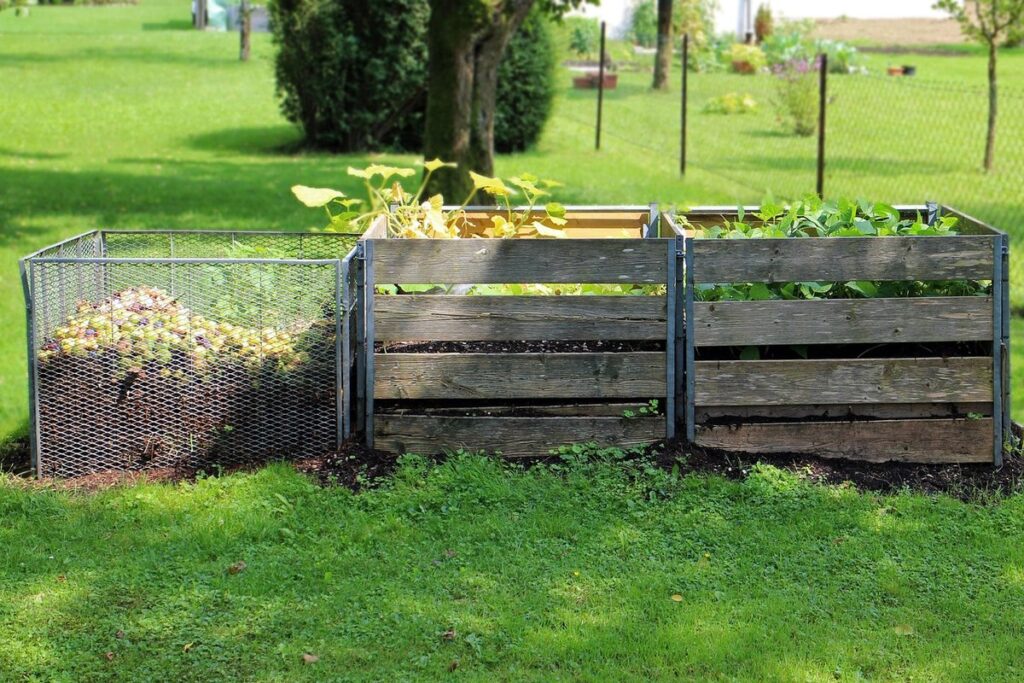
Understanding the Importance of Temperature in Composting
To create a thriving compost pile, it’s essential that you understand the role temperature plays in decomposition and how to maintain optimal conditions. Let’s explore why temperature is crucial for efficient composting.
The Role of Microorganisms in Composting
Microorganisms play a crucial role in breaking down organic matter in compost piles. These tiny creatures feed on carbon-rich materials like leaves and twigs, converting them into nutrient-rich humus. As microorganisms break down complex molecules, they release heat, which raises the temperature of the compost pile.
The activity of microorganisms is highly sensitive to temperature fluctuations. When temperatures are within the optimal range (usually between 130°F and 140°F), microbial activity accelerates, leading to efficient decomposition. At these temperatures, microorganisms can break down even the toughest organic matter, like food scraps and animal waste. On the other hand, temperatures outside this range can slow or even halt microbial activity.
To maximize microbial activity in your compost pile, maintain a consistent temperature between 130°F and 140°F. Monitor your pile’s temperature regularly to ensure it remains within this optimal range. By doing so, you’ll create an ideal environment for microorganisms to thrive, resulting in high-quality compost that’s rich in nutrients and beneficial microorganisms.
Factors Influencing Compost Pile Temperature
The temperature of your compost pile is significantly influenced by various environmental factors. One crucial aspect to consider is climate and location. In warmer climates, such as those near the equator, compost piles tend to heat up faster due to higher temperatures. Conversely, areas with cooler temperatures may require additional strategies to accelerate decomposition.
Compost pile size also plays a significant role in temperature regulation. Larger piles can maintain consistent heat levels, whereas smaller ones may cool down quickly. To maximize efficiency, aim for a balance between pile size and material volume. A general rule of thumb is to maintain a pile that’s around 3-4 feet high and 3-4 feet wide.
Other environmental factors, such as sunlight exposure and wind direction, can also impact compost pile temperature. Direct sunlight can cause the pile to heat up rapidly, but excessive exposure may lead to drying out and reduced decomposition. Similarly, prevailing winds can either facilitate or hinder the release of heat from the pile.
Monitoring and Maintaining Optimal Temperatures
Now that we’ve established the ideal temperature for your compost pile, let’s dive into how to monitor and maintain those optimal levels effectively.
Using Thermometers to Track Compost Temperature
When it comes to monitoring and maintaining optimal compost pile temperatures, using thermometers is an essential tool. There are several types of thermometers suitable for this task, including digital thermometers, analog thermometers, and infrared thermometers.
Digital thermometers are the most common type used in composting. They provide accurate readings and can be easily inserted into the compost pile to monitor temperature fluctuations. Look for a thermometer with a high degree of precision (±1°F) and a large display screen for easy reading.
Analog thermometers, on the other hand, use a needle to indicate temperature levels. While they may not be as precise as digital thermometers, they can still provide useful information about temperature trends. Infrared thermometers are also effective, especially in situations where access to the compost pile is limited or where a quick reading is needed.
Regardless of the type of thermometer you choose, it’s essential to insert it into the center of the compost pile to obtain accurate readings. This ensures that the thermometer is measuring the temperature at the hottest point of decomposition. By monitoring your compost pile temperatures regularly and adjusting your piles as needed, you can achieve efficient decomposition and maximize nutrient retention in your finished compost.
Strategies for Regulating Compost Pile Temperatures
Controlling compost pile temperatures is crucial to maintaining optimal decomposition. One effective way to regulate temperatures is by adding brown materials to the mix. Brown materials, such as dry leaves or shredded newspaper, absorb excess moisture and heat, helping to cool down the pile. Aim for a balance of 2/3 “green” (food scraps, grass clippings) and 1/3 “brown” materials.
Another strategy is turning the compost pile regularly. This simple act helps to aerate the pile, releasing trapped heat and speeding up decomposition. A good rule of thumb is to turn the pile every 7-10 days during the initial stages of decomposition. You can also use coverings like burlap or cardboard to insulate the pile and regulate temperature fluctuations.
Consider implementing a combination of these strategies for optimal results. For instance, adding brown materials in the morning and turning the pile later that day can help maintain a stable temperature range between 130°F to 140°F.
Ideal Temperature Ranges for Different Composting Processes
As you’re fine-tuning your composting process, it’s essential to know the ideal temperature ranges that support efficient decomposition and minimize odors. Let’s explore these specific temperatures for various composting methods.
Thermophilic Phase: 131-140°F (55-60°C)
The thermophilic phase of composting is a critical stage that occurs when the temperature within the pile reaches between 131°F (55°C) and 140°F (60°C). This stage is characterized by intense microbial activity, which breaks down organic matter rapidly. During this period, microorganisms feed on the readily available carbon sources, releasing heat as a byproduct.
The thermophilic phase is essential for killing pathogens and weed seeds, making compost safe for gardening and landscaping applications. At these high temperatures, even heat-resistant bacteria such as Bacillus and Clostridium are killed, ensuring that the finished compost is free from contaminants. The duration of this stage can vary depending on factors like pile size, moisture content, and carbon-to-nitrogen ratio.
To maximize the efficiency of the thermophilic phase, ensure that your compost pile has adequate aeration and water levels. Regular turning of the pile will help to redistribute heat evenly, ensuring that all materials reach the optimal temperature range for decomposition. By allowing the thermophilic process to complete its course, you can produce high-quality compost rich in nutrients and minerals, ideal for promoting healthy plant growth.
Mesophilic Phase: 40-90°F (4-32°C)
The mesophilic phase is a critical stage in the composting process, spanning temperatures between 40-90°F (4-32°C). During this period, microorganisms continue to break down complex organic matter, albeit at a slower pace compared to the thermophilic phase. The primary function of mesophiles is to convert complex materials into simpler compounds that can be further decomposed by thermophiles.
Mesophiles thrive in temperatures between 50-70°F (10-21°C), where they feed on cellulose, hemicellulose, and other complex carbohydrates. Their activity contributes significantly to the breakdown of lignin, making it more accessible for subsequent microbial populations. To optimize the mesophilic phase, ensure adequate moisture levels within your compost pile, maintaining a consistency similar to that of a damp sponge.
This balance is crucial as excessive dryness can hinder mesophile growth, while overwatering can lead to anaerobic conditions. Regular turning and monitoring of your compost pile will help maintain an optimal environment for mesophilic activity.
Compost Pile Temperature Considerations for Specific Materials
When composting specific materials, temperature considerations can vary greatly. For example, certain organic matter may require a more intense heat to break down properly.
Managing Temperatures with High Nitrogen Materials
When working with high nitrogen materials like food waste and manure, it’s essential to manage their contribution to the compost pile temperature effectively. These materials are rich in protein and moisture, which can lead to rapid microbial activity and increased temperatures.
To balance out the heat generated by these high nitrogen materials, it’s recommended to add a mix of ‘C’ materials – dry leaves, straw, or shredded newspaper. These carbon-rich additions slow down decomposition rates, allowing the microorganisms to break down the nitrogen-rich materials at an optimal pace.
Aim for a 2/3 ‘C’ material ratio to 1/3 high nitrogen material ratio in your compost pile. For example, if you’re adding 10 pounds of manure, balance it with 20-25 pounds of dry leaves or straw. This will help maintain a stable temperature between 130°F and 140°F (54°C – 60°C), promoting efficient decomposition while minimizing the risk of overheating. Regular monitoring and mixing of the pile can also help regulate temperatures.
Balancing Temperatures with High Carbon Materials
When adding materials high in carbon, such as leaves or straw, to your compost pile, you may experience fluctuations in temperature. These types of materials tend to be low in nitrogen and can suppress the heat-generating microbes responsible for decomposition. This means that adding too many carbon-rich materials at once can slow down the decomposition process.
To balance temperatures with high carbon materials, it’s essential to mix them with nitrogen-rich ingredients like food scraps or grass clippings. A general rule of thumb is to maintain a 2:1 ratio of “green” (nitrogen-rich) materials to “brown” (carbon-rich) materials. For example, if you add 10 pounds of leaves, balance it out with 5 pounds of fruit and vegetable scraps.
Monitoring temperature levels is crucial when working with high carbon materials. Keep an eye on your pile’s temperature, aiming for a range between 130°F and 140°F (54°C to 60°C). If the temperature drops below 100°F (38°C), it may be necessary to add more nitrogen-rich ingredients to kick-start decomposition again.
Troubleshooting Common Compost Pile Temperature Issues
Sometimes, your compost pile temperature issues can be frustrating and puzzling. Don’t worry, we’ve got some expert tips to help you troubleshoot common problems and get your decomposition back on track.
Identifying and Addressing Temperature Fluctuations
Identifying temperature fluctuations is crucial to maintaining optimal compost pile conditions. These variations can occur due to factors like insufficient moisture, inadequate aeration, or excessive carbon-to-nitrogen ratios. To address these issues, it’s essential to understand the signs and symptoms of temperature-related problems.
One common sign of temperature fluctuation is an excessively high or low pile temperature. If your compost pile’s internal temperature consistently exceeds 160°F (71°C) for more than a day, it may indicate overheating due to inadequate moisture. Conversely, temperatures below 130°F (54°C) can signify insufficient aeration or excessive carbon content.
To resolve these issues, ensure the compost pile has adequate moisture by adding water if necessary. Maintain a balance of ‘green’ (nitrogen-rich) and ‘brown’ (carbon-rich) materials to prevent excessive heat buildup. Also, consider turning your compost pile regularly to promote air circulation and speed up decomposition.
Some specific signs that require immediate attention include:
• Dead or dying microorganisms within the pile
• Visible pests like rodents or insects thriving due to anaerobic conditions
• Unpleasant odors indicating inadequate aeration
• A significant drop in temperature, suggesting insufficient carbon-to-nitrogen balance
To address these issues proactively, monitor your compost pile’s temperature regularly using an infrared thermometer. Take note of any unusual variations and make adjustments accordingly. With attention to detail and timely interventions, you can maintain optimal compost pile conditions for efficient decomposition.
Measuring Success: Evaluating the Effectiveness of Your Compost Process
Now that you know the ideal temperature range for your compost pile, let’s dive into evaluating its effectiveness and determining if it’s actually working as planned.
Assessing Compost Quality and Safety
When it comes to using your compost, it’s essential to assess its quality and safety before applying it to your gardens or landscapes. This is where the age-old question arises: “Is my compost ready yet?” Determining whether your compost has reached a suitable temperature, moisture level, and carbon-to-nitrogen ratio can be a bit of an art, but with some guidance, you’ll know when it’s time to harvest.
To check if your compost is safe to use, look for the following indicators: a consistent pile temperature above 130°F (54°C), a minimum of 6-8 weeks of active decomposition, and a crumbly texture that resembles dark brown soil. You should also observe the presence of earthworms, which are a good sign of healthy composting activity.
If you’re unsure about your compost’s quality or safety, it’s always better to err on the side of caution. Start with small batches and test them in a contained area before applying them to larger sections of your garden or landscape.
Best Practices for Maintaining Healthy Compost Piles
Maintaining healthy compost piles requires consistent monitoring and management. To achieve optimal temperatures for efficient decomposition, you must adopt a long-term approach to pile maintenance. This includes regularly inspecting the pile’s temperature, moisture levels, and carbon-to-nitrogen ratio.
Keep the pile at a moderate height, typically between 3-5 feet high, to ensure adequate oxygen flow. Aeration is crucial for maintaining optimal temperatures and preventing anaerobic conditions that can lead to unpleasant odors and reduced decomposition efficiency. Aim to add new materials to the top of the pile in a crisscross pattern to promote airflow.
Also, maintain a consistent moisture level by ensuring the pile is neither too wet nor dry. Aim for a mix that’s similar to a damp sponge – not soggy, but not parched either. Regular turning and mixing of the compost pile will help redistribute heat, moisture, and microbial populations, promoting a balanced decomposition process. By following these guidelines, you’ll be able to maintain optimal temperatures in your compost piles and achieve efficient decomposition.
Frequently Asked Questions
What’s the best way to monitor compost pile temperature without breaking the bank?
Monitoring compost pile temperature is crucial, but it doesn’t have to be expensive. You can start with a simple thermometer, available at most gardening stores or online for under $10. For more precise readings, consider investing in a digital compost thermometer (around $20-30). These tools will help you track and maintain optimal temperatures without overspending.
How do I balance high nitrogen materials like food waste with high carbon materials like leaves?
Balancing ‘green’ and ‘brown’ materials is essential for maintaining healthy compost piles. To avoid temperature fluctuations, aim to mix 2/3 “brown” materials (leaves, straw) with 1/3 “green” materials (food waste, grass clippings). This balance will help microorganisms thrive and maintain a stable temperature range.
What should I do if my compost pile temperature drops below 131°F (55°C)?
If your compost pile temperature drops, it may be due to inadequate carbon-to-nitrogen ratios or insufficient moisture. Add more “brown” materials to increase carbon content, ensure the pile is moist but not soggy, and mix well to redistribute temperatures.
Can I use compost from a previous batch as an additive in my current compost pile?
Yes, adding mature compost (also known as finished compost) can enrich your new compost pile. This practice is called ‘recycling’ or ‘composting of compost.’ It speeds up the decomposition process and provides beneficial microorganisms to your new pile.
How often should I turn my compost pile to maintain optimal temperatures?
Turning your compost pile regularly helps maintain aeration, which promotes healthy microbial activity. Aim to turn the pile every 7-10 days during the thermophilic phase (131-140°F / 55-60°C) and less frequently in colder periods.