
As you tend to your garden or start a new composting project, have you ever wondered what’s really happening beneath the surface? Compost microorganisms are the tiny but mighty workhorses behind the decomposition process, breaking down organic matter into a nutrient-rich soil amendment. These microscopic marvels play a crucial role in improving soil health and promoting plant growth. But did you know that different types of microbes specialize in various tasks, from carbon-to-nitrogen conversion to pathogen suppression? In this article, we’ll delve into the world of compost microorganisms, exploring their unique roles, applications, and benefits. You’ll gain a deeper understanding of how these tiny creatures can revolutionize your gardening or composting endeavors, and learn practical tips on harnessing their power for optimal results.
Understanding Compost Microorganisms
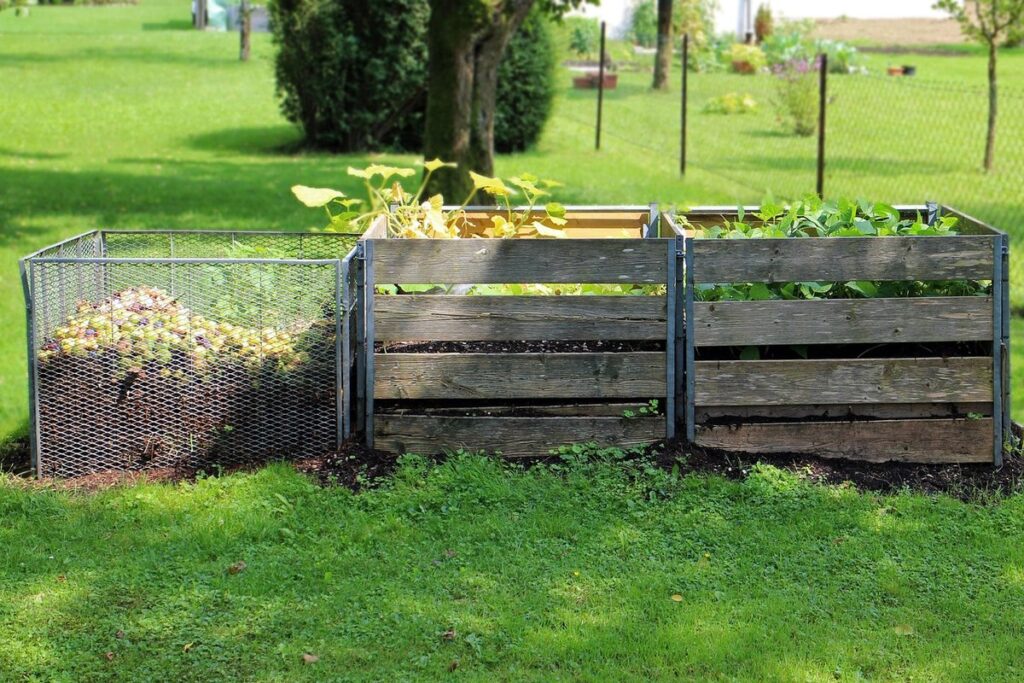
Let’s dive into the fascinating world of compost microorganisms, and explore how these tiny creatures break down organic matter to create nutrient-rich soil. We’ll examine their types, roles, and importance in the composting process.
Importance in Decomposition
Compost microorganisms play a vital role in decomposing organic matter into a nutrient-rich soil amendment. This process is not only essential for creating a fertile environment for plant growth but also contributes to the overall health of ecosystems. When these microorganisms break down complex organic materials, they release essential nutrients such as nitrogen, phosphorus, and potassium that plants require.
The importance of compost microorganisms lies in their ability to decompose organic matter efficiently, which would otherwise take years to break down naturally. For instance, a typical compost pile can contain materials like food waste, leaves, and grass clippings that are rich in carbon but lack the necessary nitrogen. Microorganisms like bacteria and fungi play a crucial role in balancing this carbon-to-nitrogen ratio by converting organic matter into a usable form.
A well-balanced mix of microorganisms is critical to achieving optimal decomposition rates and ensuring the composting process runs smoothly. By understanding the importance of these microorganisms, gardeners and composters can create an ideal environment for them to thrive.
Types of Microorganisms Involved
When it comes to compost microorganisms, there are four primary types involved in breaking down organic matter: bacteria, fungi, protozoa, and nematodes. These microorganisms play distinct roles within the compost ecosystem, with some working together to achieve a harmonious balance.
Bacteria, for instance, are responsible for decomposing complex carbon-rich materials into simpler compounds. They thrive in environments with abundant oxygen and can be found breaking down plant residues, food scraps, and other organic matter. Fungi, on the other hand, contribute to decomposition by secreting enzymes that break down proteins and carbohydrates.
Protozoa feed on bacteria and other microorganisms within the compost pile, regulating their populations and preventing any one group from dominating. Nematodes are also scavengers, feeding on decaying organic matter but often having a more detrimental effect than protozoa if left unchecked. Understanding the roles of these microorganisms is crucial for creating an effective composting environment that optimizes decomposition processes.
Factors Affecting Compost Microbial Communities
The microbial community in compost is incredibly diverse and dynamic, influenced by various factors that can either promote or hinder their growth. One of the most significant factors affecting compost microbial communities is pH levels. Most microorganisms thrive in slightly acidic to neutral environments, with an optimal pH range between 6.0 and 7.5. However, extreme pH fluctuations can lead to a decline in microbial populations.
Temperature is another crucial factor, as microorganisms are sensitive to high temperatures. While some bacteria and fungi can tolerate temperatures up to 55°C (131°F), most microbial activity slows down or ceases above 60°C (140°F). Maintaining a consistent temperature between 45°C and 50°C (113°F to 122°F) is ideal for optimal microbial growth.
Moisture content also plays a vital role, with too little water hindering microbial activity while excessive moisture can lead to anaerobic conditions. The addition of amendments like lime or bulking agents can help regulate pH levels and maintain optimal moisture levels. For example, adding lime to compost can increase its buffering capacity, reducing the likelihood of extreme pH fluctuations.
The Role of Bacteria in Composting
Bacteria play a crucial role in breaking down organic matter and turning it into nutrient-rich compost, making them one of the most important microorganisms involved in this process. They work tirelessly behind the scenes to break down complex materials.
Facultative Anaerobes and Obligate Aerobes
Bacteria involved in composting can be broadly classified into two categories based on their oxygen requirements: facultative anaerobes and obligate aerobes. Facultative anaerobes are a type of bacteria that can thrive in both aerobic and anaerobic conditions, whereas obligate aerobes require oxygen to survive.
Facultative anaerobes like Escherichia coli (E. coli) and Enterococcus faecalis are commonly found in compost piles. These bacteria can switch between aerobic and anaerobic respiration depending on the availability of oxygen. When oxygen is plentiful, they respire aerobically producing carbon dioxide and water as byproducts. However, when oxygen levels decrease, they shift to anaerobic respiration producing compounds like lactic acid, ethanol, or butyrate.
Obligate aerobes, such as Pseudomonas fluorescens, require a constant supply of oxygen to survive. They are responsible for breaking down complex organic matter into simpler substances, releasing carbon dioxide and water as byproducts. Understanding the metabolic processes and byproducts of these bacteria is essential for maintaining a healthy compost pile that efficiently breaks down organic matter while minimizing odors and pathogens.
Nitrogen-Fixing Bacteria
Nitrogen-fixing bacteria are some of the most valuable microorganisms in compost piles. These tiny wonders have the ability to convert atmospheric nitrogen (N2) into a usable form for plants, making them an essential component of the composting process.
You see, when plants grow, they need nitrogen to produce proteins and other essential compounds. However, most of the nitrogen present in soil is already being used by other microorganisms or locked up in organic matter. That’s where nitrogen-fixing bacteria come in – these microbes have developed specialized enzymes that allow them to break down atmospheric nitrogen and convert it into ammonia (NH3), which can then be taken up by plant roots.
Some of the most common types of nitrogen-fixing bacteria include Rhizobia, Frankia, and Azotobacter. These microorganisms thrive in compost piles with a mix of oxygen, moisture, and organic matter. To encourage their growth and activity, aim to maintain an optimal carbon-to-nitrogen ratio (around 25:1) and ensure good aeration in your compost pile.
By providing the right conditions for nitrogen-fixing bacteria, you can significantly boost the nutrient content of your compost, leading to healthier plants and stronger soil ecosystems.
The Function of Fungi in Composting
Fungi play a crucial role in breaking down organic matter and recycling nutrients in compost, making them a vital part of the decomposition process. They’re responsible for decomposing tough materials that bacteria can’t handle alone.
Decomposition Mechanisms
Fungi play a crucial role in breaking down organic matter through various decomposition mechanisms. One of the primary ways fungi achieve this is through enzymatic degradation. Fungal cells produce and secrete extracellular enzymes, such as cellulases, hemicellulases, and pectinases, which break down complex organic molecules into simpler compounds. These enzymes can target a wide range of substrates, including carbohydrates, proteins, and lignin.
As fungi degrade organic matter, they also produce mycelium – a network of branching filaments that absorb nutrients from the surrounding environment. Fungal mycelium acts as a sponge, soaking up dissolved nutrients and incorporating them into the fungal biomass. This process allows fungi to efficiently harvest resources from their surroundings, facilitating further decomposition.
Understanding these mechanisms is essential for optimizing composting processes. By recognizing the importance of enzymatic degradation and mycelial growth, composters can create environments that support optimal fungal activity. This might involve maintaining suitable moisture levels, providing adequate carbon-to-nitrogen ratios, or incorporating specific amendments to stimulate microbial populations.
Ecological Importance of Mycorrhizal Associations
Mycorrhizal associations are a vital component of ecological balance, playing a crucial role in soil health and plant nutrition. These symbiotic relationships between fungi and plant roots enable the exchange of essential nutrients, such as carbon, nitrogen, and phosphorus. Fungi secrete enzymes that break down organic matter into easily absorbable forms for plants, while receiving carbohydrates produced during photosynthesis.
One of the most significant benefits of mycorrhizal associations is their ability to increase soil fertility and structure. As fungi colonize plant roots, they form a network of fine filaments that facilitate water and nutrient uptake. This enhanced absorption capacity allows plants to thrive in environments with limited resources. Research has shown that mycorrhizal colonization can lead to increased crop yields, improved drought tolerance, and reduced fertilizer requirements.
To promote healthy mycorrhizal associations in your composting efforts, focus on creating a balanced ecosystem. Incorporate diverse plant species, maintain adequate moisture levels, and ensure sufficient carbon-to-nitrogen ratios in your compost piles. By nurturing these relationships, you’ll be fostering a resilient soil microbiome that will reward your plants with robust growth and well-being.
Compost Microorganisms and Plant Health
Let’s dive into the fascinating world of compost microorganisms, specifically how they interact with plants to promote healthy growth and development. This interaction is crucial for optimal plant health.
Plant-Microbe Interactions
When microorganisms in compost interact with plant roots, it can have a profound impact on growth patterns, disease resistance, and overall plant well-being. On the positive side, beneficial microbes like mycorrhizal fungi form symbiotic relationships with plant roots, enhancing nutrient uptake and promoting healthy growth.
These relationships are often mutualistic, where plants provide the microbes with carbohydrates produced during photosynthesis, while the microbes help to break down complex nutrients and make them available for plant use. For example, a study on wheat found that mycorrhizal fungi increased root length by 50% and improved grain yield by 15%.
However, not all interactions are beneficial. Some pathogens can colonize plant roots, causing disease and reducing yields. These negative effects can be minimized through proper composting practices, such as ensuring adequate carbon-to-nitrogen ratios and maintaining optimal temperatures for microbial activity.
To promote positive interactions between compost microorganisms and your plants, make sure to incorporate diverse, mature compost into your soil.
Potential Risks and Mitigations
When introducing microorganisms from compost into the soil ecosystem, there are potential risks to consider. One major concern is the introduction of pathogens that can harm plants and humans. For instance, compost made from contaminated food waste can harbor human pathogens like E. coli or Salmonella. Similarly, pathogenic bacteria from animal manure can also be present in compost.
To mitigate these risks, it’s essential to follow proper composting practices, such as ensuring the pile reaches a temperature of 131°F (55°C) for at least 30 minutes to kill off pathogens. Regular turning and monitoring of pH levels can also help prevent the growth of disease-causing microorganisms. Additionally, testing your finished compost for microbial activity and nutrient content can provide assurance that it’s safe for use.
Before applying compost to your garden, take a few precautions: inspect the pile before adding it to the soil, and avoid mixing freshly made compost into sensitive plant areas until it has fully matured. By taking these simple steps, you can minimize the risks associated with introducing microorganisms from compost and enjoy the many benefits of composting for improved plant health.
Composting for Specific Goals
You’re looking to tackle specific challenges with your composting, such as reducing odors or speeding up decomposition. This section will guide you through tailored approaches for various goals.
Disease Suppression and Biocontrol
When it comes to using compost for specific goals, one of the most beneficial applications is disease suppression and biocontrol. By selecting the right microbial communities and applying them effectively, you can create a healthy environment for plants while controlling pests and pathogens.
To achieve this, you need to understand which organisms are best suited for the job. Certain microorganisms, such as Trichoderma, Bacillus, and Pseudomonas, have been proven to suppress plant diseases and control pests. For example, Trichoderma can outcompete root pathogens like Rhizoctonia solani, reducing disease severity.
When selecting suitable organisms, consider the specific pathogen or pest you want to target. Research has shown that a combination of beneficial microbes is often more effective than using a single organism. Methods for application include incorporating compost tea into irrigation water, applying compost extracts directly to the soil, or mixing microbial inoculants with potting mixes.
By understanding the roles and interactions among these beneficial microorganisms, you can create a tailored approach to disease suppression and biocontrol in your compost-based system.
Soil Remediation and Heavy Metal Removal
When it comes to compost microorganisms and soil remediation, one of the most critical applications is heavy metal removal. Certain microorganisms can aid in this process through various mechanisms, including immobilization and volatilization.
For instance, certain strains of bacteria such as Pseudomonas and Bacillus can bind to heavy metals like lead and cadmium, rendering them unavailable for plant uptake. This process is known as immobilization. On the other hand, microorganisms like Aspergillus can convert toxic heavy metals into less harmful compounds through volatilization.
These mechanisms not only improve soil health but also enhance ecosystem resilience by reducing the bioavailability of pollutants. For example, a study on contaminated soil in China found that addition of specific compost microorganisms led to a 60% reduction in lead levels and improved plant growth.
To harness these remediation capabilities, gardeners can create a “compost tea” by steeping a sponge or cloth in a solution of active compost microorganisms. This liquid extract is then sprayed on the soil where heavy metal removal is desired.
Future Directions and Challenges
As we’ve explored the fascinating world of compost microorganisms, it’s time to think ahead: what implications will these discoveries have for the future of sustainable waste management? What challenges lie ahead in harnessing their potential?
Emerging Trends and Technologies
In recent years, there has been a surge of innovative technologies emerging that are set to revolutionize the composting industry. One such development is controlled environment systems (CES), which enable precise control over temperature, humidity, and oxygen levels within the composting process. This level of control not only accelerates decomposition rates but also reduces odors, pathogens, and greenhouse gas emissions.
Another notable trend is the integration of waste management approaches with composting processes. For instance, anaerobic digesters are being coupled with aerobic composting systems to create hybrid systems that produce both electricity and nutrient-rich compost. These integrated approaches not only enhance efficiency but also optimize resource recovery.
One practical application of these emerging trends can be seen in urban areas where space is limited. By implementing CES or hybrid systems, cities can significantly reduce waste volumes while generating valuable resources for agriculture and other industries. As you consider integrating cutting-edge technologies into your composting operations, keep in mind the importance of choosing a system that balances process efficiency with environmental sustainability.
Knowledge Gaps and Areas for Further Research
While significant progress has been made in understanding compost microorganisms and their applications, there are still knowledge gaps that hinder further advancements. One area that warrants investigation is the complex interactions between different microbial communities within compost piles. Research suggests that these interactions can significantly impact the overall decomposition process, but more studies are needed to fully comprehend the dynamics at play.
Another significant knowledge gap exists in our understanding of how to optimize compost microorganisms for specific applications. For instance, developing compost with enhanced nutrient levels or improved soil structure requires a better grasp of microbial ecology and interactions. To bridge this gap, researchers must investigate the effects of varying environmental conditions on microbial communities and explore novel strategies for manipulating these communities.
Furthermore, there is an urgent need to develop more effective methods for monitoring and characterizing compost microorganisms. This would enable better quality control, faster troubleshooting, and improved decision-making in commercial composting operations. Addressing these knowledge gaps will not only advance our understanding of compost microorganisms but also contribute to the development of more efficient, sustainable, and environmentally friendly practices in waste management and agriculture.
Frequently Asked Questions
Can I use compost microorganisms to improve soil structure on a large scale?
While compost microorganisms can significantly benefit small-scale gardening projects, their effectiveness on a larger scale may depend on factors like climate, soil type, and microbial community diversity. To scale up composting efforts, consider collaborating with experts in agronomy or microbiology to develop tailored strategies for your specific environment.
How long does it take for compost microorganisms to break down complex organic materials?
The decomposition process varies depending on factors such as temperature, moisture, oxygen levels, and the type of organic matter. Generally, active microbial communities can efficiently break down complex organics within 1-3 months under optimal conditions. However, this timeframe may be longer or shorter depending on specific circumstances.
Are there any risks associated with introducing compost microorganisms to my garden?
Yes. Introducing non-native microbial species can lead to unintended consequences, such as overcolonization of beneficial microbes or even pathogen transfer. It’s essential to carefully select and introduce a diverse range of beneficial microorganisms that are well-suited to your local climate and soil conditions.
How do I maintain a healthy balance between different types of compost microorganisms?
A balanced microbial community can be achieved by maintaining optimal moisture levels, providing adequate oxygen, and controlling temperature fluctuations. Regular monitoring of pH, nutrient levels, and the overall microbial activity will help you identify areas for improvement and make necessary adjustments to create an ideal environment.
Can I use compost microorganisms as a natural pest control method in my garden?
Yes. Certain microorganisms, such as beneficial bacteria and fungi, can be used to suppress pathogens and pests naturally. For example, Bacillus subtilis is often employed to control fungal diseases like powdery mildew or damping off. However, the effectiveness of microbial pest control depends on various factors, including the type of pest, microbial strain, and application method.