
Creating a thriving garden requires more than just sunshine and water – it also needs nutrient-rich soil that’s been carefully crafted through the art of composting. But where do you start when building your ideal compost pile? The answer lies in knowing what to add and what to avoid. A good compost ingredients list is essential for creating a balanced and effective compost, one that will break down food scraps, yard waste, and other organic materials into a rich fertilizer for your plants.
In this article, we’ll explore the ultimate compost ingredients list, covering green materials like food waste and grass clippings, brown materials like dried leaves and straw, as well as bulky items like branches and shredded newspaper. We’ll also discuss additives and amendments that can enhance your compost’s nutritional value and help it decompose more efficiently. By the end of this guide, you’ll know exactly what to add to your compost pile – and what to leave out – to create a nutrient-rich soil amendment for your garden.
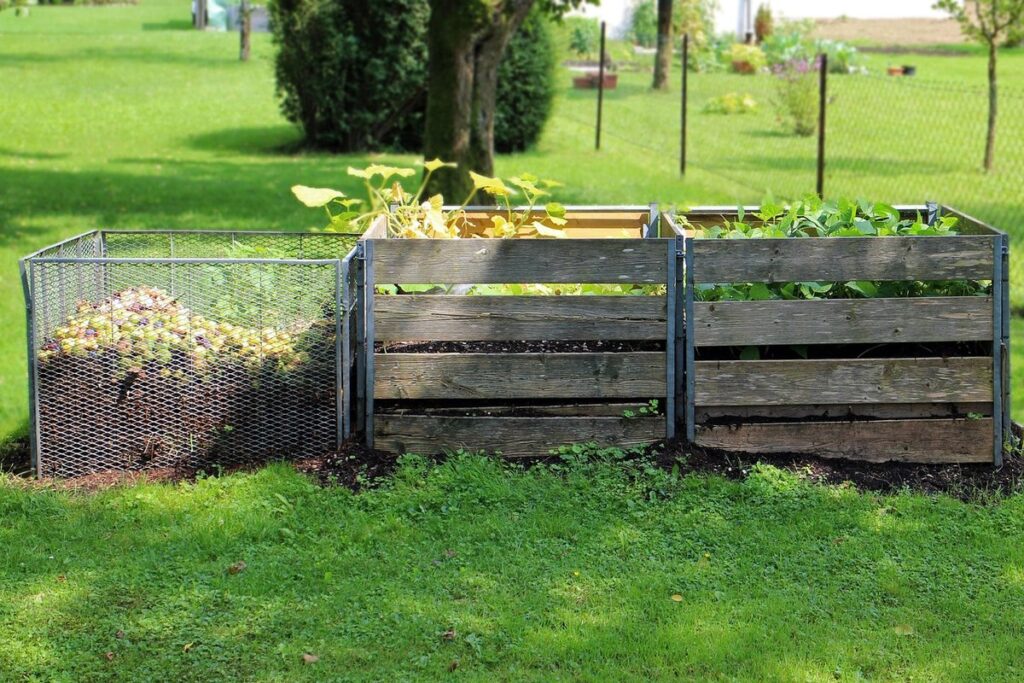
Understanding Composting Basics
To truly make the most of your compost, you need a solid grasp on the basics. Let’s start by exploring what it takes to create nutrient-rich soil.
What is Composting?
Composting is a natural process of decomposing organic materials into a nutrient-rich soil amendment. At its core, composting involves breaking down organic matter using microorganisms such as bacteria and fungi. These tiny decomposers feed on the carbon-rich materials like leaves, branches, and food scraps, releasing essential nutrients back into the soil.
To understand how composting works, consider this analogy: just as our bodies need food to build and repair themselves, plants require specific nutrients to grow strong and healthy. Composting is essentially a way to “recycle” these nutrients by turning them into a usable form that can be easily absorbed by plant roots. By doing so, we create a soil amendment that promotes soil health, structure, and fertility.
In a compost pile, microorganisms thrive in an environment rich in oxygen and moisture. As they break down organic matter, they release carbon dioxide, water vapor, and heat – a process that repeats continuously until the materials are fully decomposed into humus. This nutrient-rich end product is what makes composting so valuable: it’s a natural way to create healthy soil without relying on synthetic fertilizers or additives.
Benefits of Composting
Composting is not only a great way to reduce waste, but it also offers numerous benefits for our environment, economy, and agriculture. By turning kitchen scraps and yard trimmings into nutrient-rich compost, we can significantly reduce the amount of waste sent to landfills, decrease greenhouse gas emissions, and create a more sustainable future.
From an environmental perspective, composting helps to conserve water by improving soil’s ability to retain moisture. This reduces the need for irrigation systems and decreases the energy required for pumping and treating wastewater. Composting also reduces the production of methane, a potent greenhouse gas that contributes to climate change. In fact, according to the US Environmental Protection Agency (EPA), if all food waste in the US were composted, it would reduce greenhouse gas emissions equivalent to taking 18 million cars off the road.
In terms of economic benefits, composting can help reduce waste management costs by diverting organic materials from landfills. This not only saves taxpayers’ money but also creates jobs and stimulates local economies through the sale of compost products.
Common Composting Methods
Composting methods come with unique characteristics that cater to different needs and environments. Hot composting is an intensive process where materials are layered and regularly turned to speed up decomposition. This method requires a lot of space, labor, and can be smelly. On the other hand, cold composting is a low-maintenance approach where materials are added to a pile without turning them. It takes longer to mature but produces high-quality compost.
Vermicomposting, or worm composting, uses red wiggler worms to break down food scraps in a controlled environment. This method is ideal for small spaces and can be indoors. However, it requires maintaining optimal moisture levels and separating the worms from their castings.
Regardless of the method chosen, understanding how each works helps ensure that your compost ingredients list meets its needs. For example, hot composting thrives on a mix of carbon-rich “brown” materials like leaves and nitrogen-rich “green” materials like food scraps.
Green Compost Ingredients
When it comes to green compost ingredients, you’ll want to add a mix of nitrogen-rich foods to balance out your carbon-heavy materials and create a healthy environment for decomposition. This includes food scraps, grass clippings, and more.
Food Scraps: Fruits and Vegetables
When it comes to adding fruits and vegetables to your compost pile, you’ll find that many common ones can be used as a nutrient-rich addition. These organic materials are rich in carbon, nitrogen, and other essential micronutrients that help create a balanced compost.
Some popular options for adding to your compost include:
* Apple cores (C:N ratio: 20:1) – Add the peels, pulp, and core to provide a boost of carbohydrates and fiber.
* Carrot tops (C:N ratio: 15:1) – These leafy greens are high in nitrogen, making them an excellent addition for compost with low nitrogen content.
* Banana peels (C:N ratio: 10:1) – Rich in potassium and magnesium, banana peels can add a significant amount of micronutrients to your compost.
* Kale leaves (C:N ratio: 20:1) – As a rich source of nitrogen, kale is an excellent addition for balancing the carbon content in your compost.
When adding fruits and vegetables, it’s essential to maintain the right balance between ‘green’ and ‘brown’ materials. This will ensure that your compost breaks down efficiently and effectively.
Grass Clippings and Leaves
When it comes to creating a balanced compost pile, it’s essential to incorporate both “green” and “brown” ingredients. Green ingredients are high in nitrogen, while brown ingredients are rich in carbon. Grass clippings and leaves are great additions to your compost, but they can be tricky to balance with other green materials like food scraps or manure.
Grass clippings are an excellent source of nitrogen, but they can also make your compost pile too wet if added in excess. To incorporate grass clippings effectively, mix them in with brown ingredients like dried leaves or shredded newspaper. Aim for a 2:1 or 3:1 ratio of brown to green materials.
Leaves, on the other hand, are high in carbon and can help dry out your compost pile if added in large quantities. To balance out leafy greens, mix in some nitrogen-rich materials like fresh grass clippings or kitchen scraps. When adding leaves, tear them into smaller pieces to increase their surface area and promote decomposition.
Remember, the key is to strike a balance between green and brown ingredients. This will ensure your compost pile breaks down efficiently and doesn’t attract pests. By following these tips, you can effectively incorporate grass clippings and leaves into your compost and create nutrient-rich soil for your garden.
Manure from Herbivores
Manure from herbivores is an excellent addition to compost piles, providing essential nutrients for plants and enriching soil health. Herbivore manure is rich in nitrogen, phosphorus, and potassium (NPK), making it a valuable resource for gardeners looking to create nutrient-dense compost.
When incorporating herbivore manure into your compost, it’s essential to follow some guidelines. First, ensure the manure comes from animals that primarily eat plants, such as cows, goats, or horses. Manure from omnivores like pigs may contain high levels of pathogens and should be avoided in composting.
To use herbivore manure safely, mix 1/4 to 1/2 cup of manure into your compost pile for every 10 gallons of material. This will help prevent over-nitrification, which can lead to ammonia release and damage plants. Also, maintain a C:N ratio (carbon-to-nitrogen balance) by balancing the amount of “green” materials (like manure or food scraps) with “brown” materials (such as dry leaves or straw).
Brown Compost Ingredients
When it comes to creating a balanced compost, brown ingredients play a crucial role in providing carbon-rich materials and helping your pile dry out. Let’s dive into some essential brown compost ingredients you should consider adding.
Dried Leaves and Straw
Dried leaves and straw are excellent brown compost ingredients that provide a significant amount of carbon to balance out green materials. Dried leaves have a high carbon-to-nitrogen ratio (C:N) of around 100:1, making them an ideal choice for adding bulk to your compost pile. Straw also has a high C:N ratio of approximately 800:1, which helps to absorb excess moisture and suppress odors.
When using dried leaves in your compost, be sure to shred or chop them into smaller pieces to increase their surface area and facilitate decomposition. This will help to speed up the process and ensure that nutrients are released efficiently. You can also mix straw with other brown materials like shredded newspaper or cardboard to create a balanced carbon-rich blend.
To incorporate dried leaves and straw into your compost, aim for a mix of 2/3 brown materials and 1/3 green materials. This will help maintain an optimal C:N ratio and ensure that your compost is rich in nutrients and humus.
Shredded Newspaper and Cardboard
Adding shredded newspaper and cardboard to your compost pile is an excellent way to introduce carbon-rich matter, which is essential for creating a balanced and thriving ecosystem. Carbon-rich materials help to offset the high nitrogen levels found in kitchen scraps and grass clippings, promoting healthy microbial activity.
When selecting paper products for your compost, it’s best to choose items that are free from coatings, dyes, or contaminants. Look for plain newspaper pages, cardboard boxes, or even old cartons. You can also shred these materials into finer pieces to increase their surface area and facilitate decomposition.
A general rule of thumb is to maintain a carbon-to-nitrogen ratio of 25:1 in your compost pile. For every part of nitrogen-rich “green” materials, aim for four parts of carbon-rich “brown” materials like shredded newspaper or cardboard. This balance will help create an ideal environment for microorganisms to break down organic matter and produce nutrient-rich compost.
Sawdust and Wood Chips
When it comes to brown compost ingredients, sawdust and wood chips play a crucial role in balancing out the carbon-rich materials. These wood by-products help to absorb excess moisture, reduce odors, and provide structure to the compost pile. However, using them safely is essential to avoid creating problems.
To incorporate sawdust and wood chips into your composting process, it’s vital to use them in moderation. Adding too much can cause the compost to become dry and hard, while not enough may lead to a soggy mess. A good starting point is to add 20-30% of brown materials like sawdust or wood chips to balance out 70-80% green materials.
When using these materials, make sure they are free from chemicals and pesticides. This might involve opting for untreated wood products or switching to alternative sources like leaves or straw. Also, be mindful of the particle size – smaller particles can escape into the soil, causing problems in nearby waterways.
Bulky Compost Ingredients
When it comes to composting, certain ingredients can be a bit too much for your pile. Here’s what you need to know about bulky compost additions that might slow down your process.
Branches and Twigs
When it comes to adding branches and twigs to your compost pile, you’ll want to make sure they’re properly broken down to ensure efficient decomposition. Whole branches can be difficult for microorganisms to break down, which may lead to anaerobic conditions within the pile.
To incorporate larger branches and twigs into your compost, start by shredding or chipping them into smaller pieces. You can use a chipper-shredder or a lawn mower with a mulching attachment to do this. Aim for pieces around 1-2 inches in length to promote easy decomposition.
If you don’t have access to machinery, you can also manually chop the branches and twigs into smaller sections using loppers or pruning shears. This will allow air to penetrate through the pile, reducing the likelihood of anaerobic conditions forming.
When adding shredded branches and twigs, mix them in well with other compost materials to ensure even decomposition. A good rule of thumb is to add 10-20% of bulky materials like these to your overall compost pile composition.
Cardboard Boxes and Packing Paper
When it comes to adding bulky compost ingredients, cardboard boxes and packing paper are often overlooked, but they play a crucial role in maintaining a healthy carbon-rich environment for your microorganisms. By incorporating these materials into your compost pile, you’re providing a readily available source of carbon, which will help balance out the nitrogen-rich green materials.
Cardboard is an excellent addition to your compost because it’s high in cellulose and lignin, making it resistant to decomposition. This means that as it breaks down, it releases a steady stream of energy for your microorganisms to feed on, promoting healthy microbial activity. To use cardboard effectively, simply tear or shred it into smaller pieces and add them to the pile along with other carbon-rich materials like leaves or straw.
In addition to cardboard, packing paper is another excellent bulky compost ingredient that can be added to the mix. Look for recycled or uncoated paper products to avoid introducing contaminants into your compost. Shredded or torn packing paper will also help increase surface area and facilitate decomposition, allowing you to create a rich, humus-like soil amendment in no time.
To make the most of these materials, aim to add them in a 2:1 ratio with “green” ingredients like food scraps or grass clippings. This will ensure that your compost pile has a healthy balance of carbon and nitrogen, promoting optimal decomposition rates and minimizing odors and pests.
Hay and Small Animal Bedding
When it comes to bulking agents in composting, hay and small animal bedding are excellent options. These materials help maintain the ideal carbon-to-nitrogen ratio, ensuring a healthy balance of oxygen and microorganisms in your compost pile. Hay, specifically alfalfa or timothy hay, is rich in carbon and has a neutral pH level, making it an ideal addition to your compost.
Small animal bedding, such as wood shavings or straw, also work well due to their high carbon content. When choosing small animal bedding for composting, opt for untreated materials like pine shavings or cedar shavings are not recommended as they can impart chemicals into the soil.
When adding hay or small animal bedding to your compost pile, aim for a mix of 2/3 bulking agents and 1/3 green waste. This balance ensures that microorganisms have enough oxygen to break down organic matter efficiently.
Additives and Amendments
Now that we’ve covered the essentials, let’s dive into some additives and amendments you can use to boost your compost’s nutrient levels and structure. From dolomitic limestone to kelp meal, these extras can make all the difference.
Compost Tea and Aeration
Compost tea is a liquid solution made by steeping compost in water, which helps to extract beneficial microbes and nutrients. This liquid concentrate can be used as an additive to enhance the composting process. When added to your compost pile, it introduces beneficial microbes that help break down organic matter more efficiently. Compost tea also increases the nutrient content of the finished compost, making it a valuable tool for gardeners looking to improve soil health.
Aeration tools, such as compost turners or pitchforks, are essential for maintaining adequate oxygen levels within the compost pile. Microorganisms need oxygen to function properly, and without sufficient airflow, the decomposition process slows down. Regularly turning your compost pile with an aeration tool ensures that it remains well-oxygenated, allowing microbes to thrive and break down organic matter more quickly.
When using compost tea or aeration tools, keep the following tips in mind:
* Compost tea is most effective when used in moderation (about 10% of the total compost volume).
* Regularly aerating your compost pile can help prevent anaerobic conditions, which can lead to unpleasant odors and reduced decomposition rates.
* Use a well-maintained aeration tool to avoid compacting the compost pile and reducing airflow.
pH Balancers and Microorganisms
When it comes to creating high-quality compost, pH balancers and microorganisms play a crucial role. These additions can help maintain an optimal balance of nutrients and support the growth of beneficial microbes.
To improve compost quality, consider adding certain microorganisms such as Effective Microorganisms (EM) or beneficial bacteria like Lactobacillus plantarum. These microbes break down organic matter more efficiently and produce enzymes that enhance nutrient availability. For instance, EM can increase compost’s carbon-to-nitrogen ratio by 25-30%, leading to faster decomposition.
pH balancers are also essential in maintaining the right acidity levels for optimal microbial activity. Common pH balancers include dolomitic limestone, calcite, or oyster shell flour. These materials help neutralize acidic conditions and create an environment where beneficial microbes can thrive. Aim for a pH between 6.5 and 7.0, which is suitable for most composting microorganisms.
When selecting pH balancers, remember to add them in moderation – too much can disrupt the balance and harm the microorganism population. For example, adding dolomitic limestone can introduce excess calcium, so use it sparingly.
Worms and Bacteria Boosters
Adding microorganisms like worms and bacteria boosters can significantly enhance decomposition rates in your compost pile. These tiny creatures play a crucial role in breaking down organic matter into nutrient-rich soil. One popular option is using red wiggler worms (Eisenia fetida) to create a worm composting system, also known as vermicomposting.
Red wigglers are well-suited for composting and can process up to 1/2 pound of food waste per day per square foot. To set up a worm bin, layer bedding materials like coconut coir or shredded newspaper with worms on top. Feed them fruit and vegetable scraps, tea bags, and coffee grounds, avoiding meat, dairy, and oils.
Bacteria boosters like effective microorganisms (EM) or compost tea can also be added to the mix. These products contain beneficial microbes that accelerate decomposition and improve soil health. When using bacteria boosters, start with a small amount (about 1-2% of total compost volume) and monitor your pile’s temperature and moisture levels to avoid over-acidification.
Remember to maintain proper ventilation and carbon-to-nitrogen ratios when combining worms or bacteria boosters with other compost ingredients. This will ensure a balanced and thriving ecosystem that produces high-quality compost.
What Not to Add: Common Compost Foul-Plants
When creating your compost, there are certain ingredients you should avoid adding, as they can hinder the decomposition process and create unpleasant odors. These “foul-plants” can be detrimental to your compost’s success.
Meat, Bones, and Dairy Products
Meat, bones, and dairy products may seem like obvious ingredients for composting, but they can actually do more harm than good. When added to a compost pile, these items can create unpleasant odors, attract pests, and even harbor pathogens that can make people sick.
For instance, meat and bones can bring about a strong ammonia smell due to the high nitrogen content. This odor can be overwhelming, especially when mixed with other organic materials. Moreover, dairy products like milk or cheese can spoil quickly, leading to an overabundance of bacteria in your compost pile. These microorganisms can cause your finished compost to become contaminated, reducing its overall quality and effectiveness as a natural fertilizer.
To avoid these issues, it’s best to steer clear of meat, bones, and dairy products altogether when building your compost pile. Instead, focus on adding a mix of “green” materials like fruit and veggie scraps, tea bags, or coffee grounds, which provide nutrients without the potential health risks.
Pet Waste and Weeds with Seeds
When it comes to building a healthy compost pile, there are some materials that you should avoid adding altogether. Pet waste and weeds with seeds are two common culprits that can wreak havoc on the entire process.
Pet waste, while well-intentioned, is not suitable for composting due to its high nitrogen content and potential pathogens. Adding pet waste can lead to an imbalanced pile, create odors, and even contaminate nearby soil. The Centers for Disease Control and Prevention (CDC) advise against adding pet waste to compost piles.
Similarly, weeds with seeds pose a significant risk of contaminating your compost and spreading invasive species in your garden. These pesky plants can germinate in the compost pile and then sprout in other areas of your yard, causing problems down the line. To avoid this issue, simply remove any weeds before adding them to the compost pile.
Remember, it’s always better to err on the side of caution when building a compost pile. Avoiding pet waste and weeds with seeds will help you create a balanced, healthy compost that will nourish your plants without causing problems in the long run.
Coal or Charcoal Ashes
While coal or charcoal ashes can be beneficial for compost due to their high pH levels and nutrient content, they should be used sparingly. If you must add ashes to your compost, make sure they are plain, uncolored, and uncontaminated with chemicals.
Before adding ash, mix it with plenty of “green” materials like food scraps or grass clippings to balance out the acidity. A general rule is to use a small amount of ash (about 1/4 cup) per bucket of compost, as excessive amounts can harm microorganisms and create pH imbalances.
It’s also essential to note that not all types of ashes are suitable for composting. Avoid using wood ash from pressure-treated lumber or ash from burning plastics, as these contain chemicals that can contaminate your compost. When adding ashes, mix them well with other materials to ensure even distribution and prevent hotspots in the compost pile.
Regularly monitor your compost’s pH levels to avoid over-acidification, which can lead to an unhealthy environment for beneficial microbes.
Frequently Asked Questions
How do I maintain the right carbon-to-nitrogen ratio in my compost pile?
Maintaining a balanced C:N ratio is crucial for efficient decomposition. A general rule of thumb is to aim for 25-30% nitrogen-rich materials (green ingredients) and 70-75% carbon-rich materials (brown ingredients). You can also use the “2/3 to 1/3” guideline: two-thirds brown materials, one-third green materials.
Can I add weeds with seeds to my compost pile?
No, it’s not recommended to add weeds with seeds to your compost as they may germinate in the finished product and cause problems in your garden. Instead, remove any weeds with seeds from your compost ingredients list to avoid potential issues.
How often should I turn and aerate my compost pile?
Turning and aeration are essential for ensuring oxygen reaches all parts of the compost pile, promoting healthy decomposition. Aim to turn your compost every 7-10 days during the active decomposition phase (usually the first few weeks). You can also use tools like pitchforks or shovels to gently mix in materials.
What if I have limited space for a traditional compost pile – are there other options?
Yes, if you have limited space, consider alternatives like vermicomposting (using worms to break down food scraps), bokashi bins (fermenting food waste with microorganisms), or even indoor composters that use compact designs and advanced technology.
Can I add compost tea as a regular substitute for finished compost in my garden?
Compost tea is a liquid solution made by steeping finished compost in water, but it’s not meant to replace finished compost entirely. While it can be beneficial as a fertilizer or soil conditioner, it lacks the physical structure and nutrient-dense properties of finished compost. Use compost tea in addition to, rather than instead of, your regular compost applications.