
Creating a thriving garden requires more than just sunshine and water. The secret to rich, fertile soil lies in the art of balancing your compost pile with the right mix of “greens” and “browns”. But what exactly are these mysterious ingredients, and how do they impact your carbon-to-nitrogen ratio? Understanding this crucial balance is key to avoiding common composting pitfalls like excess nitrogen levels. By mastering the perfect blend of greens (rich in nitrogen) and browns (high in carbon), you’ll unlock a treasure trove of benefits for your soil: improved nutrient availability, enhanced soil structure, and a healthier ecosystem overall. In this article, we’ll delve into the specifics of achieving this ideal balance, sharing expert tips and tricks to take your composting game to the next level.
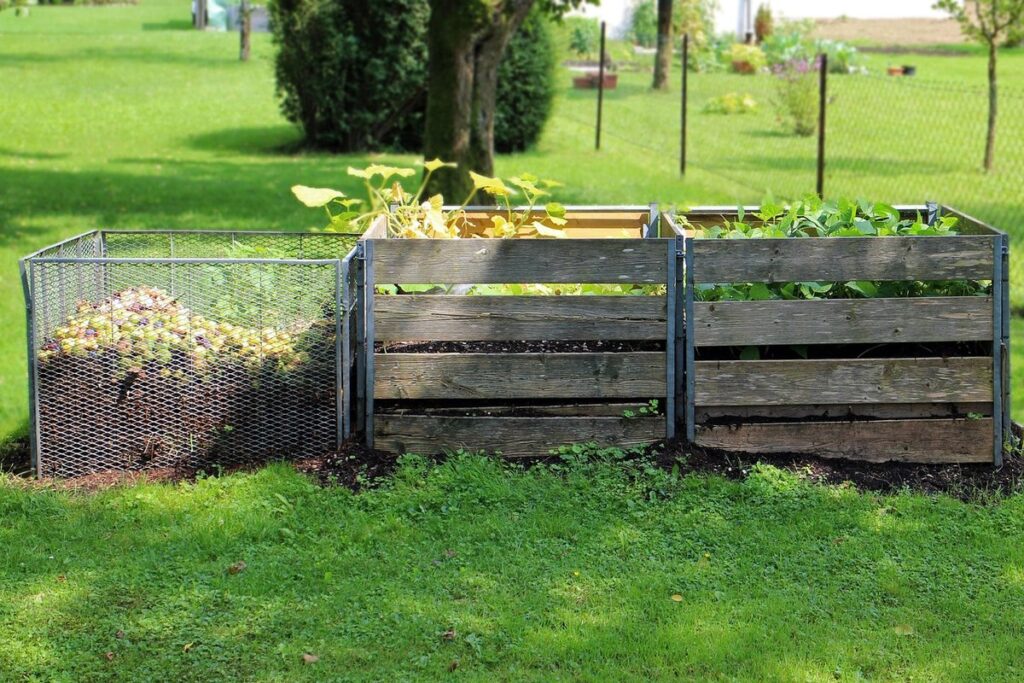
What is Composting?
Let’s start from the beginning and cover the basics: composting is essentially turning kitchen scraps and yard waste into a nutrient-rich soil amendment. It’s a simple process that’s full of benefits for your garden.
Understanding the Purpose of Composting
Composting is an essential process that plays a vital role in maintaining ecological balance. By breaking down organic materials, composting creates a nutrient-rich soil amendment that supports plant growth and development. This natural process reduces the need for synthetic fertilizers, conserves water, and mitigates greenhouse gas emissions.
Properly managed composting can help sequester carbon from the atmosphere, reducing the effects of climate change. According to the United States Environmental Protection Agency (EPA), food waste sent to landfills contributes significantly to methane production, a potent greenhouse gas. By diverting organic materials to compost piles, individuals and communities can contribute to a reduction in greenhouse gas emissions.
In addition to its environmental benefits, composting also helps conserve water by improving soil structure and increasing its ability to retain moisture. This reduces the need for frequent watering and irrigation, making it an attractive solution for gardeners and farmers alike. By incorporating compost into your gardening routine, you can reap these rewards while cultivating a healthier ecosystem.
Introduction to Compost Ingredients
When it comes to creating nutrient-rich compost, understanding the different types of ingredients is essential. Compost ingredients are broadly categorized into two groups: greens and browns. These categories aren’t set in stone, but they provide a useful framework for selecting the right materials.
Greens, also known as “green” or “wet” materials, are high in nitrogen (N) content. Examples of greens include food scraps like vegetable peels, fruit rinds, and coffee grounds. Fresh grass clippings, manure from herbivores, and urine-soaked newspaper shreds are other examples of green ingredients.
On the other hand, browns are high in carbon (C) content and low in nitrogen. Examples of browns include dry leaves, straw, shredded newspaper, cardboard, and sawdust. By combining these two types of materials, you create a balanced compost pile that will produce nutrient-rich soil. Aim for a mix with 2/3 brown ingredients to 1/3 green ingredients to ensure the perfect balance.
Remember, it’s not just about quantity but also quality when choosing your greens and browns. Avoid adding too many high-moisture greens or they may create anaerobic conditions that lead to odors and pests. Similarly, be mindful of how much sawdust you add as it can take a long time to break down.
Characteristics of Greens
So, what exactly makes a material a “green” and how can you identify them for your compost pile? Let’s break down their key characteristics.
High Nitrogen Content
Green materials are characterized by their high nitrogen content, which is essential for creating a balanced compost pile. These materials typically come from organic sources that are rich in protein and other nutrients. Food waste, such as fruit and vegetable peels, bread, and grains, are excellent examples of high-nitrogen greens. They break down quickly, releasing their nitrogen into the composting process.
Grass clippings are another common green material, rich in nitrogen and perfect for balancing out brown materials like dried leaves or straw. Fresh manure from herbivores like horses, cows, or sheep also contains a significant amount of nitrogen. However, it’s essential to mix these high-nitrogen greens with browns to prevent anaerobic conditions that can lead to unpleasant odors and reduced compost quality.
When adding green materials to your compost pile, remember to maintain the optimal 2/3 brown to 1/3 green ratio. This balance will ensure efficient decomposition and minimize potential issues. Be sure to chop or shred these high-nitrogen greens before adding them to the pile for better aeration and faster breakdown.
Examples of Green Compost Materials
When it comes to creating nutrient-rich compost, incorporating greens is essential. These materials are high in nitrogen and provide the perfect balance for brown materials that are low in nutrients. Here are some common green compost materials and their average nitrogen content:
* Fresh grass clippings: 3-4%
* Manure from herbivores (such as horses or cows): 1-2%
* Kitchen scraps like vegetable peels, cores, and fruit rinds: 2-3%
* Coffee grounds and tea bags: 2-3%
* Seaweed: 5-6%
When adding these materials to your compost pile, be sure to balance them with an equal amount of brown materials. This is known as the “green to brown ratio.” Aim for a mix that’s about two-thirds browns (like leaves or straw) and one-third greens. By following this simple rule, you’ll create a thriving compost ecosystem that breaks down efficiently and produces rich, nutrient-dense soil.
Characteristics of Browns
So, what makes a brown material suitable for compost? We’ll dive into the characteristics that distinguish browns from greens and why they’re essential to a balanced compost.
Carbon-Rich Materials
Brown materials are a crucial component of compost, providing essential carbon-rich elements that help balance out the nitrogen levels from green ingredients. At their core, brown materials are made up of dead plant matter, such as wood chips, straw, and dried leaves. These materials have undergone decomposition, breaking down into smaller components that act as a slow release of nutrients for plants.
One key characteristic of brown materials is their high carbon-to-nitrogen (C:N) ratio, typically ranging from 10:1 to 20:1 or more. This means they are rich in carbon but relatively low in nitrogen content. As a result, brown ingredients like straw and wood chips serve as a bulking agent in compost piles, helping to absorb excess moisture and retain heat.
When selecting brown materials for your compost, it’s essential to consider their source and quality. For example, untreated wood chips are an excellent choice, while pallet wood may contain chemicals or contaminants that can harm the environment.
Examples of Brown Compost Materials
When it comes to adding brown materials to your compost pile, you have plenty of options. Brown materials are rich in carbon and help balance out the nitrogen-rich green materials. Here are some common brown compost materials and their approximate carbon content:
Dried leaves: 45-50% carbon content – a great addition to any compost pile, dried leaves are abundant and easy to use.
Shredded newspaper: 40-45% carbon content – another popular choice for composting, shredded newspaper is readily available and helps with moisture retention.
Cardboard: 35-40% carbon content – corrugated cardboard is a good source of carbon and can be torn into smaller pieces before adding it to the pile.
Wood chips or shavings: 30-35% carbon content – used as bedding for small animals, wood chips can also be added to your compost pile in moderation.
Grass clippings (dry): 25-30% carbon content – while grass clippings are typically considered green materials, dry ones have a higher carbon content and can be used as browns.
When using these materials, remember to add them in moderation. Too much brown material can lead to an imbalance in the compost pile, resulting in slow decomposition.
Creating the Perfect Balance
To create a thriving compost, it’s essential to strike the right balance between green and brown ingredients. Let’s explore how to achieve harmony in your pile.
Understanding C:N Ratio
When it comes to creating a balanced compost pile, one crucial factor often gets overlooked: the carbon-to-nitrogen ratio (C:N). This simple yet critical concept determines whether your compost piles will thrive or struggle. In essence, C:N is the proportion of carbon-rich “browns” to nitrogen-rich “greens” in your compost.
To put it simply, carbon-rich materials like dried leaves and branches have a low nitrogen content, while nitrogen-rich materials like food scraps and grass clippings are high in nitrogen. A balanced pile requires a mix of these two types of ingredients. Aim for a C:N ratio between 20:1 and 40:1, with more brown materials than green. For example, if you add 10 pounds of grass clippings (high-nitrogen), balance it out with 2-4 pounds of shredded leaves or straw (low-nitrogen). Achieving this balance allows beneficial microbes to break down the organic matter efficiently.
Remember, maintaining a balanced C:N ratio is key to preventing odors, pests, and anemic compost. By monitoring and adjusting your carbon-to-nitrogen ratio, you’ll create an ideal environment for decomposition and produce rich, nutrient-dense compost.
Achieving Optimal C:N Levels
Achieving an optimal C:N (Carbon to Nitrogen) balance is crucial for creating nutrient-rich compost. The ideal ratio is between 25:1 and 30:1 carbon to nitrogen, but it’s not always easy to achieve. This is where greens and browns come in – each has a unique N:C ratio that can help you get closer to the perfect balance.
Greens, such as fresh grass clippings or manure, have high nitrogen content and low carbon levels. They are typically 5-10% nitrogen, while browns like dried leaves or straw are low in nitrogen but rich in carbon (around 40-50%). By mixing these two types of materials, you can create a C:N balance that works for your compost.
For example, if you’re adding a lot of high-nitrogen greens, you may need to add more browns to balance it out. A general rule of thumb is to mix equal parts greens and browns by volume. This can be adjusted based on the specific materials you’re using – so don’t be afraid to experiment and find what works best for your compost pile.
Composting Challenges with Excess Greens
When working with excess greens, you may encounter unique challenges that can throw off your composting rhythm. Let’s explore these common issues and find solutions to get back on track.
Managing High Nitrogen Levels
When you add too much green material to your compost pile, it can create an environment that’s ripe for problems. Excess nitrogen from greens like grass clippings, vegetable scraps, and fruit peels can lead to a cascade of issues.
One common concern is odors. As microorganisms break down the high-nitrogen content, they release volatile organic compounds (VOCs), resulting in unpleasant smells that can spread beyond your compost pile. This not only affects your senses but also attracts pests like rodents and flies, which can contaminate your compost.
In severe cases, anaerobic conditions can develop, causing pathogens to multiply. For instance, E. coli and Salmonella have been found in compost piles with high green material content. To mitigate these risks, balance your greens by adding more carbon-rich browns like dried leaves or shredded newspaper. Aim for a mix that contains 2/3 brown materials and 1/3 green materials.
Regular turning of the pile can also help to aerate it, reduce odors, and prevent pest infestations.
Strategies for Reducing Green Content
When it comes to composting with excess greens, striking a balance is key. Too much green content can lead to anaerobic conditions, unpleasant odors, and even attract pests. So, what can you do to reduce the amount of greens in your compost pile? Start by monitoring your input materials closely – aim for a mix that’s 20-30% greens and 70-80% browns. This balance ensures the carbon-to-nitrogen ratio is just right.
To actively reduce excess green content, try these strategies: add more brown materials like dried leaves or shredded newspaper to absorb excess moisture and suppress weeds; incorporate high-carbon ingredients like corn cobs or chopped coconut husks; and consider adding some bulking agents like straw or peat moss. If you’re consistently generating a lot of greens, consider creating a separate “green” pile for kitchen scraps and grass clippings – this will allow you to balance the C:N ratio in your main compost pile more effectively.
The Benefits of Browns in Composting
When it comes to composting, browns play a crucial role in balancing out your pile and creating nutrient-rich soil. In this next section, we’ll explore their benefits in more detail.
Carbon-Rich Soil Amendment
Browns, such as dried leaves and twigs, are often overlooked in composting, but they play a crucial role in creating rich, carbon-rich soil structure. When browns are added to the compost pile, they provide a much-needed source of carbon for the microorganisms breaking down the greens.
Carbon is essential for developing a healthy soil ecosystem, as it helps to improve water retention and aeration. By incorporating browns into your compost mix, you’re giving these beneficial microbes the food they need to thrive. A good rule of thumb is to aim for a 2:1 or 3:1 ratio of carbon-rich materials (browns) to nitrogen-rich materials (greens). This balance will help to create an ideal environment for decomposition.
To incorporate browns into your compost, simply add them in layers throughout the pile. Shredding or chopping them can also help increase their surface area and speed up the decomposition process. With regular mixing and a balanced ratio of greens and browns, you’ll be on your way to creating nutrient-rich soil that will improve the health and fertility of your garden.
Enhancing Nutrient Availability
When browns are added to compost, they serve as a food source for microorganisms like bacteria and fungi. These beneficial microbes play a crucial role in breaking down the complex organic matter into simpler forms that plants can absorb more easily.
As browns decompose, they release enzymes that further stimulate microbial activity. This synergy between microorganisms promotes the breakdown of carbon-based compounds, increasing the availability of essential nutrients for plant growth. For instance, lignin, a tough component found in wood chips and leaves, is often resistant to decomposition but can be broken down by specific fungi when browns are incorporated into compost.
A well-balanced mix of greens and browns ensures an optimal microbial community that efficiently transforms organic matter into nutrient-rich humus. Aim for a mix of 2/3 “browns” and 1/3 “greens” to create a favorable environment for beneficial microbes. This balance is crucial in enhancing nutrient availability, resulting in healthier plant growth and improved soil fertility.
Frequently Asked Questions
Can I add too many greens to my compost pile, causing an imbalance?
Yes, adding excessive greens can lead to a high nitrogen content, resulting in a stinky, anaerobic environment that’s detrimental to microbe health and your soil. Aim for a mix of 2/3 browns (carbon-rich materials) and 1/3 greens (nitrogen-rich materials). Monitor the pile’s moisture levels and odor; if it starts to smell strongly or becomes too wet, add more browns.
How long does it take to achieve optimal C:N ratio in my compost pile?
The time frame for achieving an ideal carbon-to-nitrogen ratio depends on factors like initial material composition, moisture levels, and aeration. As a general guideline, aim to maintain the perfect balance within 7-10 days of adding new materials. Regularly monitor and adjust your mix as needed.
Can I compost weeds with seeds or will they propagate in my garden?
To avoid weed propagation, remove weeds from your compost pile that have viable seeds or are highly invasive. This will prevent unwanted growth in your garden. For less aggressive weeds, cut them into small pieces to minimize seed dispersal and ensure thorough decomposition.
How do I store brown materials before adding them to the compost pile?
Brown materials like dried leaves or straw can be stored in a dry place, such as a shed or under an eave, to keep them from getting wet. You can also bale them for easier handling and space-saving storage.
Will adding too many food scraps lead to pests and rodents visiting my compost pile?
To minimize pest attraction, balance your green materials with sufficient brown content (at least 2/3 of the pile). Avoid overloading the pile with high-nitrogen foods like meat, dairy, or oils. Regularly turn the pile, maintain adequate moisture levels, and ensure proper aeration to discourage unwanted visitors.