
As you embark on your composting journey, understanding the balance between green and brown ingredients is key to creating a thriving garden. Composting is more than just tossing food scraps into a bin – it’s an art that requires finesse and attention to detail. The right mix of green (nitrogen-rich) and brown (carbon-rich) materials can make all the difference in producing nutrient-dense compost that will elevate your plants’ growth. But what exactly are these ingredients, and how do you balance them for optimal results? In this article, we’ll delve into the world of composting, highlighting common mistakes to avoid, advanced techniques to try, and the benefits of achieving that perfect green-to-brown ratio for a lush and vibrant garden.
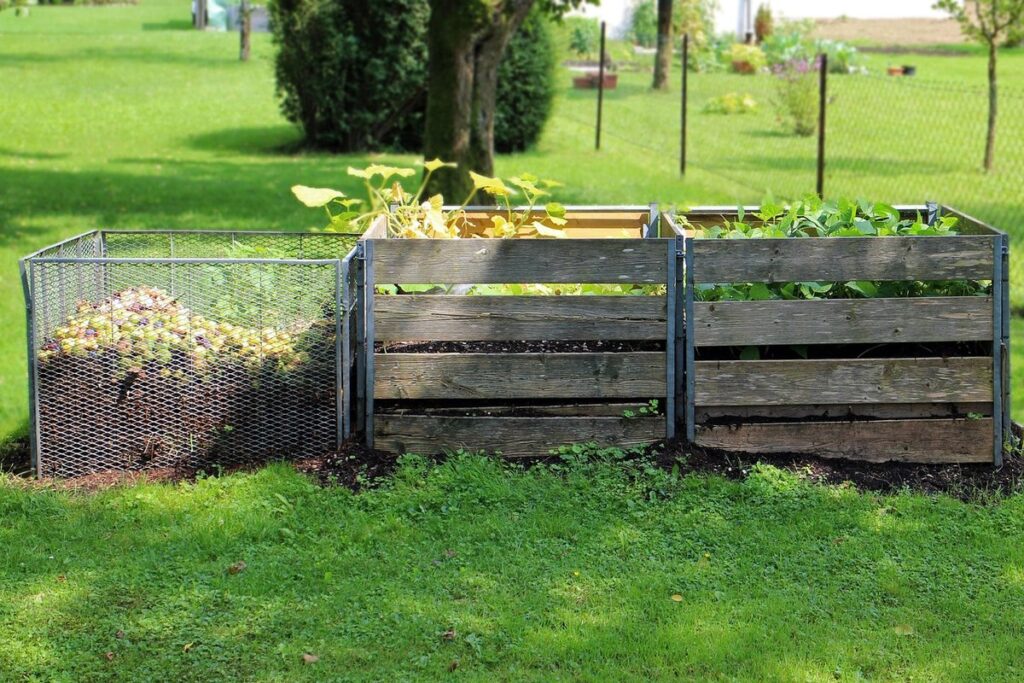
Understanding Composting Basics
To get started, let’s break down the composting basics and explore what makes brown and green ingredients tick, helping you build a balanced compost pile. This foundation is essential for success.
What is Composting?
Composting is an essential practice for sustainable gardening that involves breaking down organic materials into a nutrient-rich soil amendment. This process not only reduces waste but also helps to conserve water, suppress plant diseases, and support healthy microbial growth in the garden.
At its core, composting is a natural recycling process that mimics the way organisms decompose materials in nature. It’s a simple yet effective way to convert kitchen scraps, yard trimmings, and other organic waste into a valuable resource for your plants. By composting, you can significantly reduce the amount of waste sent to landfills, where it contributes to greenhouse gas emissions and pollution.
Composting also has numerous benefits for gardeners, including improved soil structure, increased fertility, and enhanced biodiversity. By incorporating compost into your gardening routine, you’ll be creating a more sustainable and resilient ecosystem that supports the health and well-being of your plants.
Benefits of Composting
When you start composting, it’s easy to get caught up in the process of turning kitchen scraps and yard waste into nutrient-rich soil. But did you know that composting offers a multitude of benefits for both your garden and the environment? By incorporating compost into your gardening routine, you can significantly reduce waste, improve soil health, and boost crop yields.
Reduced waste is one of the most significant advantages of composting. Composting allows you to divert organic materials from landfills and transform them into a valuable resource for your garden. According to the EPA, food waste accounts for approximately 21% of municipal solid waste in the United States. By composting at home, you can reduce this amount significantly and contribute to a more sustainable community.
Improved soil health is another key benefit of composting. Compost adds essential nutrients, improves soil structure, and increases its water-holding capacity. This leads to healthier plants, increased crop yields, and better resistance to pests and diseases. By incorporating compost into your gardening routine, you can expect to see noticeable improvements in the overall health and productivity of your garden.
When it comes to achieving these benefits, it’s essential to strike a balance between green and brown materials in your compost pile. Green materials provide nitrogen-rich nutrients, while brown materials offer carbon-rich energy sources. Aim for a mix of 2/3 brown materials (dried leaves, straw, or shredded newspaper) and 1/3 green materials (kitchen scraps, grass clippings, or fresh manure).
Types of Compost
Composting involves combining two types of ingredients to create a balanced and nutrient-rich compost: green and brown materials. Green ingredients are high in nitrogen content, while brown ingredients are high in carbon content.
Green ingredients play a crucial role in the composting process as they provide the necessary nutrients for microbial growth. These ingredients include food scraps, grass clippings, manure from herbivores, and fresh leaves. They help to accelerate decomposition by providing a readily available source of nitrogen. However, excessive amounts can lead to an imbalance in the compost pile, causing it to become too wet and smelly.
Brown ingredients, on the other hand, are high in carbon content and act as a bulking agent in the compost pile. They include dried leaves, shredded newspaper, cardboard, and wood chips. These materials help to absorb excess moisture, reduce odors, and provide structure to the compost pile.
A balanced mix of 2/3 brown ingredients and 1/3 green ingredients is ideal for creating a healthy compost pile. This ratio allows for efficient decomposition while minimizing the risk of anaerobic conditions developing in the pile.
Green Compost Ingredients
Green compost ingredients can include food scraps, grass clippings, and fresh leaves, adding nitrogen-rich goodness to your pile. These items break down quickly, but require balance for optimal decomposition.
Green Waste Sources
When it comes to creating a balanced compost pile, green waste sources play a crucial role in maintaining the perfect carbon-to-nitrogen ratio. Green waste is rich in nitrogen and often contributes a higher amount of nutrients compared to brown materials.
Common sources of green waste include kitchen scraps, grass clippings, and fruit and vegetable peels. For example, food scraps like banana peels, eggshells, and coffee grounds are all high in nitrogen and can add up quickly. Similarly, fresh grass clippings or leaves from trees with broad leaves, such as oak or maple, contribute a significant amount of nitrogen to the compost pile.
When incorporating green waste into your compost, it’s essential to balance its high nitrogen content with carbon-rich materials like dried leaves or shredded newspaper. A good rule of thumb is to aim for 2/3 brown materials and 1/3 green materials in your compost pile. This balance allows microorganisms to thrive and breaks down the organic matter efficiently.
Aim to add green waste sources regularly, such as every few days or a week, depending on the size of your compost bin and the amount of material generated. Remember to shred larger items like branches or twigs before adding them to your compost pile.
Nitrogen-Rich Green Materials
When it comes to creating a nutrient-rich compost, nitrogen-rich green materials are essential for promoting microbial activity and breaking down organic matter. Among these, blood meal, fish emulsion, and alfalfa meal stand out as highly effective options.
Blood meal, derived from animal by-products, is an excellent source of nitrogen with up to 12% nitrogen content. It’s often used in combination with brown materials like carbon-rich leaves or straw to create a balanced compost mix. Fish emulsion, made from fish waste, is another popular choice, providing around 9% nitrogen. This liquid fertilizer can be added directly to the compost pile or mixed into the soil.
Alfalfa meal, made from dried and ground alfalfa plants, boasts an impressive 18-20% nitrogen content. It’s a slow-release nitrogen source that helps promote microbial growth and accelerates decomposition. When incorporating these high-nitrogen materials into your compost mix, be sure to follow the recommended application rates to avoid overloading the pile with too much nitrogen. A general rule of thumb is to use 2-3% nitrogen-rich green materials in relation to brown carbon-rich ingredients.
How to Balance Green Compost Ingredients
Balancing green waste with brown materials is crucial to creating an optimal compost pile. When you add too much green material, such as food scraps and grass clippings, it can create anaerobic conditions. This leads to unpleasant odors, pests, and a reduced carbon-to-nitrogen ratio.
A good starting point is to aim for a mix of 2/3 brown materials (dried leaves, shredded newspaper, etc.) and 1/3 green waste. You can adjust this balance depending on the type of materials you’re using. For example, if you’re adding a lot of nitrogen-rich food scraps, you’ll need more carbon-rich brown materials to offset them.
To ensure a balanced mix, it’s essential to monitor your pile’s moisture level and temperature. If it’s too wet or dry, adjust accordingly by adding more brown or green materials. Regularly turning the pile also helps to aerate and balance its ingredients. By maintaining this equilibrium, you’ll create an optimal environment for decomposition and produce nutrient-rich compost.
Brown Compost Ingredients
For a rich, earthy brown compost, you’ll want to focus on including high-carbon ingredients like dried leaves, straw, and shredded newspaper in your pile. These add structure and slow down decomposition.
Dried Leaves and Bark
Dried leaves and bark are excellent additions to your brown compost ingredients. They provide a high carbon content that helps balance out the nitrogen-rich green materials in your pile. One of the key benefits of using dried leaves is their ability to absorb excess moisture, preventing anaerobic conditions from developing and minimizing odors.
These materials also play a crucial role in maintaining the pH level in the compost pile. Dried bark, in particular, has a natural acidity that helps lower the pH, while dried leaves can help neutralize any alkalinity present. A balanced pH is essential for healthy microbial activity, which breaks down organic matter into nutrient-rich compost.
To incorporate dried leaves and bark into your brown compost ingredients, simply shred or chop them before adding them to the pile. Aim for a mix of 2/3 “brown” materials (dried leaves, bark, straw) to 1/3 “green” materials (food scraps, grass clippings). By following this simple ratio and incorporating dried leaves and bark into your compost pile, you’ll be well on your way to creating nutrient-rich soil amendment for your garden.
Shredded Newspaper and Cardboard
Shredded newspaper and cardboard play a crucial role as bulking agents in the composting process. These materials help to improve aeration within the compost pile by allowing oxygen to penetrate deeper into the mixture, which is essential for microorganisms to break down organic matter efficiently.
When shredded newspaper or cardboard is added to the compost pile, it creates air pockets and voids that facilitate airflow. This helps to prevent moisture from becoming trapped, reducing the risk of anaerobic conditions that can lead to unpleasant odors and pathogens. By incorporating these bulking agents, you can also improve the overall structure of your compost pile, making it easier to turn and manage.
As a general rule, aim to add about 20-30% shredded newspaper or cardboard to your compost mix. This will provide sufficient bulking action without dominating the nutrient-rich green materials.
Carbon-Rich Brown Materials
In addition to dried leaves and grass clippings, other carbon-rich brown materials can be used to enhance the overall structure of your compost pile. These ingredients include sawdust, straw, and coconut coir, all of which contribute significantly to the carbon-to-nitrogen ratio.
Sawdust, for instance, is an excellent addition to compost piles as it provides a high amount of carbon content. However, it’s essential to note that untreated sawdust should be used, as treated varieties can harbor chemicals like arsenic and other toxins. Straw, on the other hand, is a natural, biodegradable material that helps retain moisture within the pile, speeding up decomposition.
Coconut coir, which is derived from coconut husks, acts as an excellent bulking agent in composting. It prevents matting of materials, facilitates air circulation, and promotes healthy microbial growth. When combining these carbon-rich brown ingredients with green materials like food waste or grass clippings, you can create a balanced compost pile that’s ready for use within weeks. Remember to mix them in moderation, as excessive amounts of any single ingredient can throw off the ideal C:N ratio.
Composting Pitfalls: Common Mistakes with Green vs Brown Ingredients
Composing the perfect compost mix is a delicate balance, and it’s easy to get caught up in common mistakes when combining green and brown ingredients. Let’s take a closer look at some of these pitfalls together.
Overloading on Green Waste
Overloading on green waste can be a major issue for compost piles. Green materials like food scraps, grass clippings, and manure are high in nitrogen but low in carbon. When too much of these materials are added to the pile, they create an anaerobic environment where microorganisms break down quickly, releasing unpleasant odors.
The smell isn’t just a nuisance – it’s also a sign that your compost is heading towards imbalance. Anaerobic conditions can lead to the production of methane and other greenhouse gases, making your composting efforts less sustainable. To correct this mistake, focus on adding more brown materials like dried leaves, shredded newspaper, or straw.
Aim for a ratio of 2/3 brown ingredients to 1/3 green ingredients. This balance will help slow down the decomposition process, allowing microorganisms to break down the materials in a more controlled and oxygen-rich environment. Start by incorporating more brown materials into your compost pile, such as adding a layer of leaves or straw on top of your green waste. Monitor the pile’s temperature and odors, adjusting your ratio as needed.
Inadequate Moisture Levels
Maintaining optimal moisture levels is crucial when composting with green ingredients, as they tend to be high in nitrogen and can lead to a messy, anaerobic environment if not balanced properly. Green materials like food scraps, grass clippings, and manure are rich in water content, but this excess moisture can cause the pile to become too wet, leading to odors, pests, and reduced carbon-to-nitrogen ratios.
To monitor moisture levels, simply insert your hand into the compost pile up to the wrist. If the materials feel dry or crumbly, it’s time to add more water. On the other hand, if they’re excessively soggy or have a strong ammonia smell, you’ll need to aerate the pile by turning it or adding brown ingredients like straw or shredded newspaper. Aim for a damp, but not soaking, consistency – similar to a sponge that’s just been squeezed.
As a general rule of thumb, add more green ingredients in moderation and balance them with sufficient amounts of dry materials. This will help regulate moisture levels and create an ideal environment for decomposition to occur efficiently.
Advanced Composting Techniques: Using Green vs Brown Ingredients Strategically
To take your composting skills to the next level, we’ll explore advanced techniques for strategically using green and brown ingredients in perfect harmony. This includes balancing high-nitrogen “green” materials with carbon-rich “brown” additions.
Creating a Compost Tea
Creating a compost tea is a simple yet effective way to utilize brown materials and enhance their benefits for plant growth and soil health. To make a compost tea, you’ll need to steep brown ingredients like dried leaves, straw, or coconut coir in water. The general ratio is 1 part dry brown material to 5 parts water, although this can be adjusted depending on the specific ingredients and desired strength of the tea.
Steep the mixture for 24-48 hours, agitating it occasionally to ensure all particles are fully saturated. This process allows the beneficial microbes present in the brown materials to break down and release into the water. The resulting liquid is a rich source of nutrients and microorganisms that can be used as a fertilizer or added to your compost pile.
When using compost tea as a fertilizer, dilute it with water according to package instructions (usually 1-2 tablespoons per gallon) and apply it directly to plant roots for maximum absorption. Alternatively, you can add the concentrated liquid to your compost pile to accelerate decomposition and create an even more potent finished product.
Adding Exotic Green Ingredients
When it comes to adding exotic green ingredients to your compost pile, advanced composters often explore unconventional options like worm castings, manure tea, and beneficial microbe blends. These unusual additives can bring unique benefits to the composting process.
Worm castings, also known as vermicompost, are a concentrated form of nutrient-rich waste produced by worms during their digestion process. Rich in micronutrients and beneficial microbes, worm castings can accelerate decomposition rates and enhance soil fertility. For example, a 1:10 ratio of worm castings to brown materials can boost composting efficiency by up to 30%.
Manure tea, on the other hand, is a liquid solution brewed from animal manures that releases beneficial microorganisms into the compost pile. This brew can stimulate microbial activity and improve nutrient cycling within the compost. However, it’s essential to note that manure tea requires proper dilution and handling to avoid contamination risks.
Beneficial microbe blends offer another option for advanced composters seeking to optimize their composting process. These pre-formulated mixes typically contain a mix of beneficial bacteria, fungi, and protozoa designed to enhance microbial activity, reduce odors, and improve overall compost quality. When using these additives, start with small amounts (about 1% of total green materials) and observe the effects on your compost before adjusting ratios.
Keep in mind that each of these unconventional ingredients has its unique set of benefits and limitations, so it’s crucial to research their specific requirements and applications before incorporating them into your advanced composting routine.
Conclusion: Mastering Compost Ingredients Green vs Brown
Now that you’ve learned how to balance green and brown compost ingredients, let’s summarize the key takeaways from this comprehensive guide.
Recap of Key Takeaways
As you’ve made it through our comprehensive guide on compost ingredients green vs brown, let’s take a moment to recap the key takeaways. By now, you should have a solid understanding of the importance of balancing these two types of materials in your compost pile.
Remember that green ingredients provide nitrogen-rich nutrients, while brown ingredients offer carbon-rich energy sources. Aim for a mix of 2/3 “browns” and 1/3 “greens” to create an optimal balance. This ratio will help you avoid common pitfalls like too much moisture or not enough oxygen.
Experimenting with different combinations is crucial to finding what works best for your specific needs. Consider factors like climate, available space, and the types of plants you’re growing. For example, if you live in a dry region, you may need more brown materials to retain moisture. Conversely, if you have a lot of greenery on hand, like kitchen scraps or fresh grass clippings, balance them out with browns.
To get started, try incorporating these green ingredients into your compost pile:
• Fresh grass clippings
• Kitchen scraps (fruit and vegetable peels, tea bags, coffee grounds)
• Manure from herbivores (horse, cow, rabbit)
• Blood meal or alfalfa meal
And for browns:
• Dried leaves
• Shredded newspaper or cardboard
• Straw or hay
• Wood chips or sawdust
Remember to shred or chop larger brown materials into smaller pieces to increase their surface area and facilitate decomposition. Also, don’t be afraid to mix in other ingredients like eggshells, hair, or wool scraps – they’ll all contribute to the nutrient-rich compost you’re striving for.
With practice and patience, you’ll find your perfect balance of green and brown ingredients. Don’t be discouraged if it takes some trial and error; every composting journey is unique.
Frequently Asked Questions
How do I maintain the optimal green-to-brown ratio throughout my composting process?
Maintaining the ideal balance is crucial, but it’s not a one-time task – you’ll need to regularly monitor and adjust your mix as your compost breaks down. Aim for 2/3 brown ingredients (carbon-rich) and 1/3 green ingredients (nitrogen-rich). Check on your pile every week or two, adding more brown materials if it gets too wet or green materials if it’s not decomposing quickly enough.
Can I use any type of household paper as a brown compost ingredient?
While shredded newspaper is an excellent choice, other types of household paper like cardboard and printer paper can be used in moderation. However, avoid using glossy or wax-coated papers, as they won’t break down properly and might contaminate your compost.
How do I prevent odors in my compost pile when adding high amounts of green materials?
Yes, it’s common for green-rich piles to develop unpleasant smells, but there are ways to minimize this. Make sure you’re balancing your green ingredients with sufficient brown materials, maintaining adequate moisture levels (around 50-60%), and turning the pile regularly to aerate it.
What can I do if I’ve overloaded my compost pile with too many green ingredients?
Don’t panic – overloading is a common mistake! Simply add more brown ingredients to balance out the mix. You can also turn your pile, adding oxygen and promoting aerobic decomposition, which will help reduce odors and speed up the process.
Can I use kitchen scraps that have been contaminated with pesticides or chemicals in my compost?
No, it’s best not to compost materials treated with synthetic fertilizers, pesticides, or herbicides. These contaminants can harm your plants and compromise the overall health of your soil. Instead, choose organic alternatives for pest control and stick to using your kitchen scraps as a nutrient-rich addition to your compost pile.