
Composting can be a bit tricky, especially when it comes to getting that perfect balance of “greens” and “browns”. But don’t worry, we’ve got you covered. A well-balanced compost pile is crucial for turning food scraps into nutrient-rich soil for your garden. So, what’s the magic number? What are the ideal greens-to-browns ratios? In this article, we’ll dive into the ultimate guide to composting, covering types of materials, optimal balance, and troubleshooting tips to ensure a successful compost pile. We’ll explore how to identify the right mix of green materials like food scraps, grass clippings, and manure, and brown materials like leaves, straw, and shredded newspaper. Whether you’re a seasoned composter or just starting out, this guide will help you create a thriving compost heap that’s perfect for your garden.
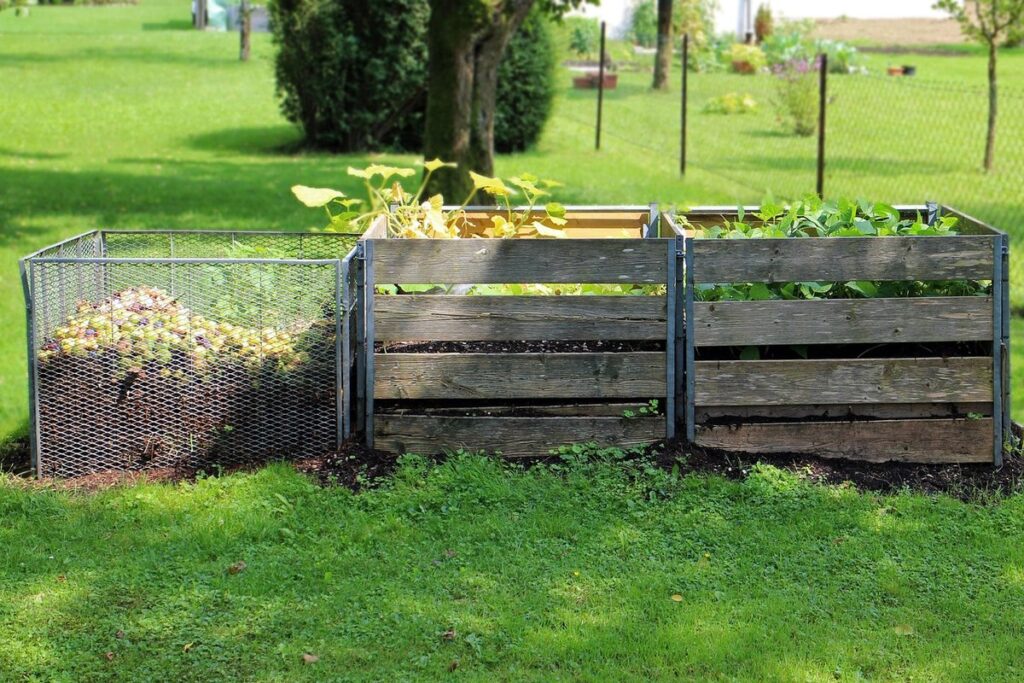
Understanding the Importance of Composting
Composting isn’t just a green initiative, it’s also a crucial step towards reducing waste and creating nutrient-rich soil for your garden. In this section, we’ll explore its importance and how it benefits you.
What is Composting?
Composting is a natural process that breaks down organic materials into a nutrient-rich soil amendment. At its core, composting involves combining “green” and “brown” materials to create an ideal mix for decomposition. Green materials are rich in nitrogen, while browns provide carbon. The key to successful composting lies in striking the right balance between these two elements.
Think of it like baking a cake – you need the right combination of ingredients to achieve the perfect result. In this case, the ingredients are organic waste. Without an adequate mix of greens and browns, your compost may not break down properly or might even attract pests. For example, if you add too many green materials like food scraps or grass clippings, they’ll create a nitrogen-rich environment that’s prone to attracting rodents.
In contrast, adding too much brown material – such as dried leaves or straw – will lead to a carbon-dominant mix that may not decompose efficiently. To get it right, aim for a rough balance of 2/3 “browns” and 1/3 “greens.” This ratio provides the necessary nitrogen and carbon for effective decomposition, allowing you to create nutrient-rich compost that’s perfect for gardening.
Types of Organic Materials for Composting
Composting is all about creating a balanced mix of materials that will break down and provide nutrient-rich soil for your garden. But where do you start? The first step is to understand the types of organic materials suitable for composting.
You likely already have access to many of these resources in your own yard or kitchen. Yard trimmings, such as leaves, grass clippings, and branches, make up a significant portion of your compost. These “browns” are high in carbon and will help balance out the nitrogen-rich “greens.” Other examples of browns include shredded newspaper, cardboard, and straw.
On the other hand, food waste is considered a green material. This includes fruit and vegetable scraps, coffee grounds, and tea bags. Even eggshells can be added to your compost pile. You should also consider adding manure from herbivores like horses or cows – just make sure it’s fully broken down and free of any contaminants.
When collecting materials for your compost, remember that variety is key. Aim for a mix of at least 2/3 browns and 1/3 greens to achieve the perfect balance. This will help create a thriving ecosystem in your compost pile where microorganisms can break down the materials efficiently.
The Role of Greens in Composting
Greens play a crucial role in composting, providing essential nutrients and helping to speed up the decomposition process. They can make up a significant portion of your compost pile.
What are Greens?
In composting, greens are the high-nitrogen materials that fuel the decomposition process. These materials provide the energy needed to break down complex organic matter into a rich, nutrient-dense compost. To identify greens, look for materials with a high nitrogen content, typically above 20-30%. Examples of green materials include food scraps like fruit and vegetable peels, grass clippings, fresh leaves, tea bags, coffee grounds, and manure from herbivores.
When choosing greens, consider the carbon-to-nitrogen (C:N) ratio. A mix of high-nitrogen greens with a lower C:N ratio will help balance out browns with a higher C:N ratio. This balance is crucial to maintaining a healthy compost pile. Aim for a mix that includes 20-30% green materials and 70-80% brown materials.
Some popular green materials can be added to your compost in moderation. Fresh grass clippings, for instance, are an excellent source of nitrogen but should be added in small amounts due to their high water content. Similarly, manure from herbivores like horses or cows is rich in nitrogen but may attract pests and create odors if not balanced with enough browns.
To get the most out of your greens, remember that moderation is key. Excessive green materials can lead to a compost pile that’s too wet, smelly, and prone to pests. By incorporating a mix of high-nitrogen greens and low-nitrogen browns, you’ll create an ideal environment for decomposition to occur efficiently and effectively.
Best Green Materials for Composting
When it comes to adding green materials to your compost pile, you’ll want to focus on items rich in nitrogen and moisture. Some of the best green materials for composting include:
* Kitchen scraps: These can be a great source of nitrogen, but make sure to balance them with browns to avoid attracting pests. Consider composting fruit and vegetable peels, cores, and rinds.
* Grass clippings: Fresh grass clippings are high in nitrogen and can help speed up the decomposition process. Just be aware that they can also add a strong odor to your pile if not balanced correctly.
* Manure from herbivores: Chicken or rabbit manure, for example, is rich in nitrogen and can be added to your compost pile in moderation.
When using green materials, keep in mind their potential limitations. For instance, excessive kitchen scraps can attract pests, while too much grass clippings can create an anaerobic environment. To balance these greens with browns, aim to add 2-3 parts of brown materials (like dried leaves or straw) for every 1 part of green materials. This ratio will help ensure your compost pile is healthy and productive.
The Role of Browns in Composting
Browns play a crucial role in composting, providing carbon-rich materials that balance out the nitrogen levels in your pile. Let’s take a closer look at why browns are essential for successful composting.
What are Browns?
When it comes to creating a balanced compost pile, understanding the role of browns is essential. Browns are high-carbon materials that play a crucial part in maintaining the structure and nitrogen levels within the compost.
Browns add bulk and help create air pockets within the compost pile, allowing for healthy decomposition to occur. They also provide carbon-rich nutrients that complement the nitrogen-rich greens. A well-balanced compost pile typically contains 25-30% browns, ensuring a harmonious ratio with the 70-75% of greens.
Some common examples of brown materials include dried leaves, shredded newspaper, coconut coir, and straw. You can also use cardboard, paper bags, or coffee filters as brown additions. When incorporating browns into your compost pile, aim to add materials that are dry and free from contaminants like dirt, weeds, or pet waste.
For a successful composting experience, it’s essential to balance the carbon-to-nitrogen ratio. Aim for 2/3 greens and 1/3 browns in your compost mix. By adding these high-carbon brown materials in moderation, you’ll create an ideal environment for microorganisms to thrive and efficiently break down organic matter into nutrient-rich soil.
Best Brown Materials for Composting
When it comes to adding browns to your compost pile, you have a wide variety of materials to choose from. Dried leaves are an excellent option as they add carbon-rich content, helping to balance out the nitrogen-rich greens. They also act as a natural weed suppressor and can be sourced for free if you have trees on your property.
Straw is another popular brown material that provides structure and insulation to your compost pile. It helps to aerate the pile, allowing oxygen to penetrate and speed up decomposition. However, keep in mind that straw can be bulky and may require additional space.
Shredded newspaper is also a great addition to your compost pile as it adds carbon content and helps with moisture retention. Look for black and white pages only, as colored ink can contaminate the compost. Make sure to shred the paper before adding it to ensure it breaks down evenly.
Other brown materials you can consider include coconut coir, small twigs, and corn cobs. However, be mindful of any potential contaminants like pet waste or diseased plants that could harm your garden.
The Optimal Greens to Browns Ratio
Achieving a balanced mix of greens and browns is crucial for effective composting, but what’s the ideal ratio for optimal nutrient-rich soil? Let’s break down the perfect blend.
Why is Balance Essential?
Maintaining a balanced compost pile is crucial for creating nutrient-rich soil. When you adjust the greens to browns ratio correctly, it allows microorganisms to break down organic matter efficiently. This optimal balance enables your compost to heat up and decompose faster.
Ideally, a mix of 2/3 “browns” (dried leaves, straw, or shredded newspaper) to 1/3 “greens” (fresh grass clippings, food scraps, or manure) is recommended. This ratio ensures that microorganisms have enough carbon-rich materials to breathe and produce heat while the nitrogen-rich greens provide energy.
To achieve this balance, observe your compost pile’s temperature. If it’s too hot (above 160°F), it may indicate an overabundance of greens. Conversely, if it’s not heating up at all, you might need more greens in the mix. Monitor your pile and adjust the ratio accordingly to maintain a consistent temperature between 130°F and 140°F.
By striking this balance, you’ll create an environment where microorganisms can thrive, breaking down organic matter into a rich, earthy compost that’s perfect for gardening.
Factors Affecting the Ratio
When it comes to achieving an optimal greens to browns ratio in your compost pile, several factors can influence the decomposition process. One of these key elements is temperature fluctuations.
As you may know, different materials have varying thermophilic properties – some can heat up quickly and efficiently while others take longer to break down. For instance, green materials like food scraps or grass clippings tend to generate more heat than their brown counterparts, such as dried leaves or shredded newspaper.
However, extreme temperature fluctuations can disrupt this process. If the compost pile gets too hot (above 160°F), it can lead to anaerobic conditions, causing unpleasant odors and potentially toxic compounds. On the other hand, temperatures that are consistently below 130°F may slow down decomposition significantly.
Maintaining a stable temperature range between 130°F and 150°F is ideal for optimal composting. This balance allows microorganisms to thrive without compromising air quality or generating unpleasant smells.
In addition to maintaining an optimal temperature, it’s also essential to pay attention to moisture levels in your compost pile.
Troubleshooting Common Compost Issues
We’ve all been there – dealing with a stinky compost pile or struggling to get it to break down properly. In this next part, we’ll tackle common issues and find solutions to get your compost back on track.
Signs of Imbalance
When you notice signs of imbalance in your compost pile, it’s essential to address the issue promptly to prevent long-term damage. Anaerobic conditions are a common sign of an imbalanced compost pile, manifesting as a strong, unpleasant odor or the presence of rodents and pests. Excessive nitrogen levels can also indicate an imbalance, causing your compost to become too wet and soggy.
Other signs of imbalance include:
• The compost is not heating up during decomposition
• There’s an unusual color change, such as greenish or grayish hues
• The pile has developed a sour smell, similar to vinegar
To identify the root cause of these issues, consider the following: are you adding too many “green” materials, such as food scraps and grass clippings? Or perhaps there’s not enough carbon-rich “brown” materials like leaves or straw. By adjusting your compost greens and browns ratio, you can balance out your pile and get it back on track.
A general rule of thumb is to aim for a mix that consists of 2/3 brown materials and 1/3 green materials. This will help regulate moisture levels, prevent anaerobic conditions, and promote healthy decomposition.
Maintaining the Right Moisture Levels
Maintaining the right moisture levels is crucial for creating an ideal environment for decomposition. When greens and browns are mixed together, they release enzymes that help break down organic matter. However, if the pile becomes too dry, these enzymes can’t do their job effectively, resulting in a slow composting process.
To achieve a healthy balance, aim to maintain a moisture level equivalent to a damp sponge. Check your pile daily and water as needed, taking into account factors like temperature, wind, and sun exposure. For instance, during hot summer days, the pile might need more frequent watering, while cooler months may require less.
Aim for about 50-60% of the compost pile’s moisture content to be at this optimal level. If you notice your pile is too dry, add water slowly but thoroughly, taking care not to overdo it – an overly wet pile can lead to anaerobic conditions and unpleasant odors.
Regular monitoring will help you fine-tune your watering schedule and ensure the compost pile remains in balance, promoting a healthy breakdown of greens and browns.
Advanced Composting Techniques
Now that you’ve mastered the basics of composting, it’s time to take your skills to the next level by learning advanced techniques for breaking down even the toughest materials.
Using Worms or Bokashi
When it comes to advanced composting techniques, vermicomposting with worms and using bokashi are two methods that can significantly enhance the efficiency of your composting process. Let’s explore these options in more detail.
Vermicomposting with worms involves using a worm bin to break down organic matter into a nutrient-rich fertilizer. This method is ideal for small-scale composting, as it requires minimal space and can be done indoors. However, it does require regular feeding and maintenance to ensure the worms are healthy and thriving. Some benefits of vermicomposting include increased composting speed, improved decomposition, and reduced odors.
On the other hand, bokashi is a Japanese fermentation method that uses microorganisms to break down organic matter. This process involves adding a special bokashi mix to your waste, which helps to suppress odors and attract beneficial bacteria. Bokashi can be used in conjunction with worm bins or as a standalone composting system. One key advantage of bokashi is its ability to handle meat, dairy, and oily foods, making it an excellent option for households that generate these types of waste.
To incorporate other advanced techniques, consider investing in a compost turner or using a rotating compost bin. These tools can make turning your compost more efficient and reduce the risk of compacting your material. By incorporating worms, bokashi, or other advanced techniques into your composting routine, you’ll be able to create high-quality fertilizer for your garden while minimizing waste and environmental impact.
Managing Pests and Odors
Managing pests and odors is crucial for maintaining a healthy compost pile. When you’re working with a mix of greens and browns, it’s not uncommon to encounter issues like fruit flies, rodents, and unpleasant odors.
To minimize these problems, start by understanding what attracts pests in the first place. Moisture is often the culprit – if your compost pile is too wet, it can attract unwanted critters. Make sure to balance your green and brown materials so that there’s adequate airflow and not too much moisture buildup.
Another key strategy is to add a layer of carbon-rich browns to absorb excess moisture and neutralize odors. Shredded newspaper or cardboard work well for this purpose. You can also use diatomaceous earth, a natural powder made from fossilized algae, to repel pests without harming beneficial microorganisms.
Regular turning of the compost pile is essential too. This helps aerate the materials, speeding up decomposition and reducing odors. Aim to turn your pile every 7-10 days, especially during the hot summer months when decomposition accelerates rapidly.
Conclusion
Now that you’ve mastered the art of balancing your compost pile, let’s summarize the key takeaways from our comprehensive guide to greens and browns ratio. We’ll review what to expect for optimal results.
Recap of Key Takeaways
In this comprehensive guide, we’ve explored the world of compost greens and browns ratio, uncovering the intricacies of creating a balanced and thriving compost pile. To ensure you’re well-equipped with the knowledge to tackle your own composting journey, let’s recap the essential takeaways.
A fundamental principle in successful composting is striking the perfect balance between “greens” (nitrogen-rich materials) and “browns” (carbon-rich materials). This ratio has a significant impact on the health and efficiency of your compost pile. A general rule of thumb is to maintain a 2/3 browns-to-1/3 greens ratio, but this can vary depending on the specific materials used.
Key considerations when determining your greens-to-browns ratio include:
* The carbon-nitrogen balance: Aim for a mix that’s at least 25% nitrogen and 75% carbon
* Material selection: Balance ‘wet’ and ‘dry’ items, as well as ‘green’ and ‘brown’
* Composting space: Consider the available space for decomposition and aeration
To illustrate this concept, imagine your compost pile as a recipe. Just as a cake requires specific proportions of flour to sugar, your compost needs the right balance of greens and browns to produce nutrient-rich soil.
Some practical tips to keep in mind:
* Start with a mix that’s 2/3 brown materials (dried leaves, straw) and 1/3 green materials (food scraps, grass clippings)
* Monitor moisture levels: Too wet can lead to anaerobic conditions, while too dry can slow decomposition
* Regularly turn your compost pile to maintain oxygen flow and prevent matting
By incorporating these takeaways into your composting routine, you’ll be well on your way to creating a thriving ecosystem that turns waste into valuable resources.
Frequently Asked Questions
What if I’m not sure how to identify the right balance of greens and browns in my compost pile?
Start by monitoring your compost’s moisture levels, carbon-to-nitrogen ratio, and odor. A well-balanced mix should have a slightly damp texture (similar to a damp sponge) and an earthy aroma. If it’s too dry or smelly, add more brown materials for carbon-rich content. Conversely, if it’s too wet or ammonia-smelling, introduce more green materials with nitrogen.
How do I know if my compost pile is attracting pests?
Common pests like rodents, raccoons, and flies are attracted to the high moisture levels and strong smells of compost piles. To minimize pest issues, ensure proper carbon-to-nitrogen balance, maintain adequate aeration, and regularly turning your pile. You can also add natural deterrents like cayenne pepper or diatomaceous earth.
Can I compost meat, dairy, or oily foods?
It’s generally not recommended to include these high-nitrogen foods in your compost mix as they can create unpleasant odors and attract pests. These foods are best suited for bokashi bins or worm composting systems designed specifically for handling these types of materials.
How often should I turn my compost pile?
Turning your compost regularly (every 7-10 days) helps maintain oxygen flow, speed up decomposition, and prevent matting. Aim to turn the pile when it’s around 2/3 full, and make sure to mix in new green and brown materials as you go.
Can I use too much nitrogen-rich material like manure?
Yes, introducing excessive amounts of high-nitrogen materials can disrupt your compost’s carbon-to-nitrogen balance. While a little manure is beneficial for adding nutrients, overdoing it can lead to anaerobic conditions and unpleasant odors. Balance this with sufficient brown materials to maintain the optimal ratio.