
Are you tired of seeing your fresh cut grass go to waste, only to end up as soggy brown clumps on your lawn? Composting grass clippings can be a game-changer for any gardener or homeowner looking to create nutrient-rich soil. But did you know that composting these clippings requires a bit more finesse than just tossing them in the pile? In this article, we’ll break down the basics of composting grass clippings, including how to collect and store them effectively, what role they play in creating rich soil, and some common challenges you might face along the way. By the end of this post, you’ll have a solid understanding of why composting these clippings is crucial for your garden’s health and how to do it correctly – no more wasted grass and healthier plants ahead!
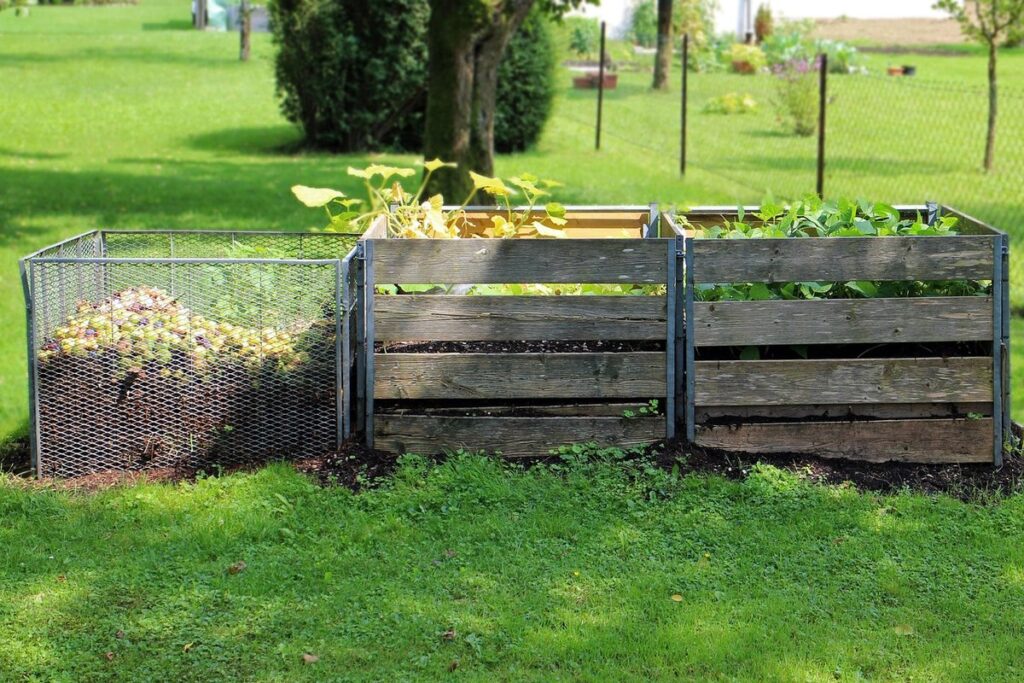
Understanding the Importance of Compost
Composting grass clippings not only reduces waste but also creates a nutrient-rich soil amendment that benefits your garden and environment. Let’s explore why composting is essential for a sustainable gardening practice.
What is Composting?
Composting is a fundamental process that allows you to transform organic materials into a valuable resource for your garden. At its core, composting involves breaking down these materials into a nutrient-rich soil amendment. This process is crucial for creating a sustainable gardening practice. When done correctly, compost can improve the structure and fertility of your soil.
As you begin to understand the benefits of composting grass clippings, it’s essential to grasp how this natural process works. Composting relies on microorganisms like bacteria and fungi to break down organic matter. These microbes feed on the carbon-rich materials in your clippings, releasing essential nutrients like nitrogen, phosphorus, and potassium.
To successfully create a compost pile, you’ll need a mix of “green” (nitrogen-rich) and “brown” (carbon-rich) materials. Grass clippings are an excellent example of green material. They’re rich in nitrogen but often lack the necessary carbon content to support microbial growth on their own. By incorporating brown materials like leaves or straw, you’ll create a balanced mix that fosters efficient decomposition.
By composting your grass clippings, you can significantly reduce waste and promote healthy soil growth.
The Role of Grass Clippings in Compost
Grass clippings are an often-overlooked yet incredibly valuable addition to compost piles. One of the main advantages of using grass clippings is their high nitrogen content. This makes them an excellent “green” component for balancing out carbon-rich brown materials like leaves or shredded paper. By incorporating grass clippings into your compost pile, you’re creating a nutrient-dense soil amendment that will help to fertilize and support plant growth.
To effectively incorporate grass clippings into the composting process, it’s essential to layer them with other materials in a manner that ensures even decomposition. A general rule of thumb is to alternate between 2-3 inches of green material (like grass clippings) and 2-3 inches of brown material (like dried leaves). This layered approach allows for optimal oxygen flow and microbial activity, leading to a rich, crumbly compost in a matter of weeks.
When using grass clippings, it’s also crucial to balance their high nitrogen content with sufficient carbon-rich materials to avoid creating anaerobic conditions. To achieve this balance, aim for a mix of 2/3 “brown” materials and 1/3 “green” materials like grass clippings in your compost pile.
Building a Compost Pile with Grass Clippings
To build a compost pile with grass clippings, you’ll need to create a balance of green materials like fresh clippings and brown materials like dried leaves. Let’s get started on creating this ideal mix.
Materials Needed for Composting
To create a thriving compost pile with grass clippings, you’ll need to gather some essential materials. The key is to strike a balance between green and brown materials to ensure optimal decomposition.
Start by collecting plenty of fresh grass clippings, which will provide nitrogen-rich nutrients for your compost. Aim for a mix of 2/3 “green” materials like grass clippings and 1/3 “brown” materials such as dried leaves or twigs. Brown materials are rich in carbon and help balance out the nitrogen levels in your pile.
Other organic matter you can add to your compost pile includes vegetable scraps, fruit peels, coffee grounds, and tea bags. Avoid adding meat, dairy, or oily foods as they can attract pests and create unpleasant odors. You’ll also need a designated area for your compost pile, such as a corner of your yard or a dedicated bin.
To get started, gather enough materials to fill the bin about 2/3 full. This will give you room to add more green materials and create a solid foundation for decomposition.
Creating a Balanced Carbon-to-Nitrogen Ratio
Achieving a well-balanced carbon-to-nitrogen (C:N) ratio is essential for effective composting. Grass clippings are high in nitrogen, but they lack the carbon-rich materials needed to balance out this excess nitrogen. To create a balanced C:N ratio using grass clippings and other materials, start by adding a mix of “brown” materials like dried leaves, straw, or shredded newspaper. These materials provide the necessary carbon content.
A good rule of thumb is to maintain a 2:1 to 3:1 C:N ratio in your compost pile. To achieve this balance with grass clippings, aim for 20-30% grass clippings and the remaining percentage comprised of “brown” materials. For example, if you have a 10-cubic-foot compost bin, add 2-3 cubic feet of grass clippings and 7-8 cubic feet of brown materials.
Adding too much nitrogen-rich material can lead to anaerobic conditions, causing unpleasant odors and potentially harming microorganisms. Monitor your pile’s moisture levels and ensure they’re kept between 40-60%. This will help maintain a healthy balance and prevent the buildup of excess heat.
Tips for Collecting and Storing Grass Clippings
To get the most out of your grass clippings compost, it’s essential to collect and store them properly. Here are some practical tips to help you do just that.
Efficient Mowing Techniques
When it comes to collecting grass clippings for composting, efficient mowing techniques play a significant role. Leaving behind excessive amounts of clippings can not only waste potential nutrient-rich material but also lead to uneven growth and aesthetic issues with your lawn.
To avoid this, use the “one-third rule” when mowing: leave no more than one-third of the grass blade intact after each cut. This helps promote healthy growth while minimizing excess clippings. Additionally, consider using a mulching mower or adjusting your mower’s settings to produce finer clippings that break down quickly and evenly.
Another effective strategy is to mow your lawn at the right height for your climate and grass type. For most cool-season grasses, aim for 2.5-3 inches tall; for warm-season grasses, keep it around 1-2 inches. Mowing at optimal heights reduces stress on the lawn and encourages deep root growth, resulting in healthier, more resilient clippings.
By implementing these simple yet effective mowing techniques, you’ll be able to collect a substantial amount of grass clippings for composting, reducing waste and promoting a thriving ecosystem in your yard.
Storage Solutions for Fresh Grass Clippings
When storing fresh grass clippings for composting, it’s essential to prioritize proper storage to maintain their nutrient value and prevent spoilage. This is where the right containers and bags come into play.
To begin with, you’ll want to use a container that is well-ventilated to allow for airflow and moisture regulation. Consider using a breathable mesh bag or a bucket with holes drilled in it. Plastic bins are not ideal, as they can trap heat and moisture, leading to the growth of anaerobic bacteria. On the other hand, a wire mesh bin allows for excellent airflow, making it perfect for storing grass clippings.
Another option is using paper bags or biodegradable bags made from natural materials like jute or cotton. These bags are not only eco-friendly but also help maintain moisture levels within the bag. Avoid using regular plastic bags as they can retain heat and cause the contents to break down quickly.
When filling containers, it’s best to store them in a shaded area to prevent excessive heat buildup. Regular turning of the clippings is essential to ensure even decomposition and minimize odors.
How to Compost with Grass Clippings in Different Settings
Whether you’re a homeowner, gardener, or farmer, learning how to compost grass clippings is essential for effective and efficient recycling of yard waste. This section will help you navigate different settings.
Urban Gardening
Composting with grass clippings in urban settings can be a challenge due to limited space. However, there are creative ways to make it work on even the smallest of balconies or rooftops. One option is to use vertical gardening systems that utilize trellises and hanging baskets to maximize space. These systems allow for efficient composting and also provide ample room for plants to grow.
Another approach is to invest in a compact composter, specifically designed for small spaces. These units are usually around 2-3 feet tall and can fit snugly on a balcony or rooftop. They often come with features like built-in carbon filters and odor control systems to minimize any unpleasant smells.
For those without access to outdoor space at all, there’s still hope! Indoor composting units, such as worm composters or bokashi bins, can be used to break down grass clippings in a small apartment. These units work by using microorganisms to decompose the waste, minimizing odors and mess.
To get started, choose a method that suits your space constraints and start with a small batch of grass clippings. Add some brown materials like dried leaves or shredded newspaper to balance out the green materials, and keep it moist but not soggy. With regular turning and monitoring, you’ll be on your way to creating nutrient-rich compost for your urban garden in no time!
Rural or Large-Scale Operations
Composting with grass clippings on a larger scale can be just as beneficial for rural gardens and large-scale operations. However, it requires some adjustments to accommodate the increased volume of materials. A key consideration is choosing the right equipment for the job.
For example, you may need to invest in a larger compost turner or purchase multiple small units that can be arranged together. Additionally, you’ll want to ensure your composting area has adequate space and airflow to facilitate decomposition. This might involve constructing a windrow system or using a static pile with regular turning.
Another important factor is managing moisture levels. Large-scale operations often have more grass clippings than they can handle in one go, so it’s essential to balance the C:N ratio by adding other carbon-rich materials like wood chips or leaves. Regular monitoring of temperature and pH will also help you identify any potential issues before they become major problems.
When implementing a large-scale composting program, consider enlisting the help of volunteers or employees to maintain equipment and monitor progress. With proper planning and execution, composting grass clippings can be a highly effective way to reduce waste and create nutrient-rich soil amendments for your operation.
Potential Challenges and Solutions
While composting grass clippings can be a game-changer for your garden, you may encounter some common obstacles along the way. Let’s explore these challenges together and find practical solutions.
Managing Moisture Levels
Managing moisture levels is crucial when composting with grass clippings. Grass clippings are high in water content, which can lead to anaerobic conditions and odors if not managed properly. To avoid this, it’s essential to monitor the temperature of your compost pile.
As you add materials to your compost pile, check its temperature daily using an infrared thermometer or by feeling the heat with your hands. The ideal temperature range for composting is between 130°F and 140°F (54°C to 60°C). If the temperature exceeds this range, it may indicate that the pile is too wet.
To adjust moisture levels, consider adding dry materials like shredded leaves, straw, or wood chips to absorb excess water. Conversely, if the pile feels dry, add more grass clippings or other green materials to increase moisture content. Aim for a mix of 2/3 “brown” (dry) materials and 1/3 “green” (wet) materials to maintain optimal composting conditions.
Regularly checking and adjusting moisture levels will help create an ideal environment for microorganisms to break down the grass clippings, turning them into nutrient-rich compost.
Pests and Odor Control
One common concern when composting with grass clippings is attracting pests. To minimize this risk, it’s essential to balance the “green” materials like fresh grass clippings with enough dry carbon-rich browns such as leaves or shredded newspaper. A general rule of thumb is to maintain a 2/3 “brown” to 1/3 “green” ratio in your compost pile.
Another approach is to regularly turn and aerate your compost pile, which helps break down materials quickly and prevents pest attractants like anaerobic conditions from forming. It’s also crucial to avoid overloading the compost bin with too much grass clippings at once.
Maintaining a clean composting process also involves managing odors. Additives like coffee grounds or baking soda can help neutralize pungent smells, while mixing in finished compost or worm castings can introduce beneficial microorganisms that consume organic matter quickly and reduce odor production.
Monitoring moisture levels is equally important – too much water can lead to anaerobic conditions and unpleasant odors.
Frequently Asked Questions (FAQs)
We’ve received many questions about composting grass clippings, and we’re happy to provide some answers here. Below, find our most frequently asked questions addressed directly by us.
Q: How Long Does it Take for Grass Clippings to Break Down?
When it comes to composting grass clippings, one of the most common questions is how long does it take for them to break down? The good news is that grass clippings can decompose relatively quickly, but the exact timeline depends on several factors.
In ideal conditions, with a mix of “green” materials like grass clippings and “brown” materials like dried leaves or shredded newspaper, compost can be ready in as little as 2-3 months. However, if you’re only adding grass clippings to your compost pile without any other ingredients, it may take longer – around 6-12 months.
Keep in mind that temperature plays a crucial role in the decomposition process. Aim for temperatures between 130°F and 140°F (54°C – 60°C) to ensure optimal breakdown. You can check the temperature by inserting a thermometer into your compost pile. Additionally, make sure to turn your compost regularly to maintain airflow and speed up the process.
To give you a better idea, here’s a rough estimate of what to expect:
* 1-2 months: Grass clippings start to break down and become part of the compost mixture
* 2-6 months: Compost starts to take shape, with recognizable humus forming
* 6-12 months: Compost is fully matured and ready for use in your garden
Q: Can I Compost Other Types of Grass Clippings, Such as Those from Weeds or Fescue?
While we focus on composting lawn clippings from traditional grass types like Kentucky bluegrass and perennial ryegrass, you may be wondering what to do with other types of grass clippings. Can you still compost those from weeds or fescue? The answer is yes, but with some caveats.
Weeds can be a bit trickier due to their varying compositions and potential weed seeds that can sprout in your finished compost. To minimize this risk, make sure to remove any large weed pieces or debris before adding them to your compost pile. It’s also essential to balance the carbon-to-nitrogen ratio by mixing weeds with ‘brown’ materials like leaves or shredded newspaper.
As for fescue clippings, they are generally suitable for composting but may require a bit more moisture due to their denser texture. To avoid any potential issues, mix them with other grass types and maintain regular watering schedules. Keep in mind that including large quantities of fescue can lead to an imbalanced carbon-to-nitrogen ratio, potentially affecting the overall quality of your compost.
When incorporating different types of grass clippings into your compost pile, always follow proper layering techniques and monitor moisture levels to ensure optimal decomposition.
Frequently Asked Questions
Can I compost other types of grass clippings, such as those from weeds or fescue?
Composting grass clippings from weeds can be beneficial for your garden if done properly. However, it’s essential to note that weed seeds and roots may survive the composting process and potentially spread to other areas of your garden. For fescue clippings, they are generally safe to compost, but ensure you maintain a balanced carbon-to-nitrogen ratio in your pile.
How do I balance moisture levels when composting grass clippings?
Balancing moisture is crucial for effective composting. The ideal mix is 50-60% of the materials should be “green” (wet) and 40-50% “brown” (dry). Regularly check your compost pile’s moisture by squeezing a handful; if it forms a tight ball, it’s too wet. If it crumbles easily, it’s too dry.
Can I use grass clippings to compost in small spaces, such as urban gardens?
Yes, you can still compost with grass clippers in small spaces like urban gardens. Consider using a compact or worm composter for efficient waste management and space-saving solutions. Regular maintenance and monitoring are key to successful composting in any environment.
What should I do if my compost pile starts to smell or attract pests?
If your compost pile becomes smelly or attracts pests, it’s likely due to imbalanced carbon-to-nitrogen ratios, inadequate aeration, or excess moisture. First, aerate the pile by turning it regularly. Next, ensure you’re maintaining an optimal mix of “green” and “brown” materials.
How do I manage grass clippings for composting in large-scale operations?
For large-scale operations like farms or rural gardens, consider implementing a mechanized collection system to efficiently gather clippings from larger areas. This approach can save time and labor while maintaining the quality of your compost output.