
Composting is one of those gardening secrets that can take your soil from bland to grand in no time. Not only does it create nutrient-rich soil, but it also reduces waste and helps fight climate change. If you’re interested in creating a lush, thriving garden without breaking the bank or the environment, composting is a must-know. But where do you start? With so many methods and techniques out there, it’s easy to feel overwhelmed.
Don’t worry – we’ve got you covered! In this article, we’ll break down the benefits of composting quickly and effectively. We’ll cover various methods for creating nutrient-rich soil, from worm composting to hot composting. Plus, we’ll tackle common troubleshooting issues and share long-term strategies for making the most of your composting efforts. Whether you’re a seasoned gardener or just starting out, this comprehensive guide will have you composting like a pro in no time!
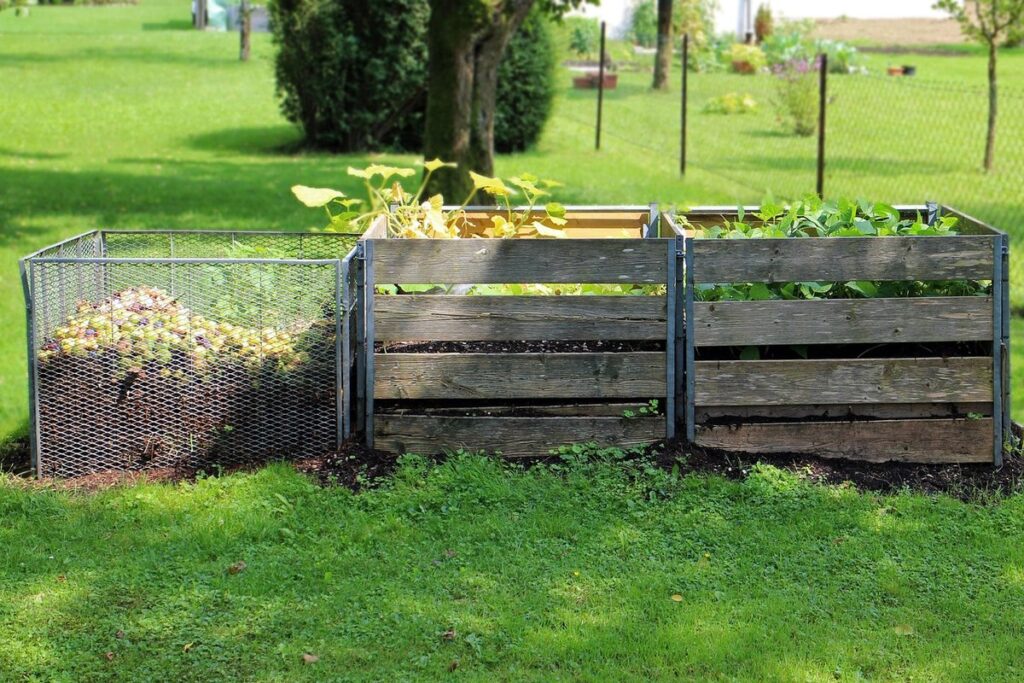
Benefits of Composting
Composting not only benefits the environment, but it also has a significant impact on your garden’s health and productivity, leading to healthier plants and reduced waste. Let’s explore these advantages further!
Reduces Waste
Composting is an effective way to reduce waste sent to landfills, which is estimated to account for over 30% of municipal solid waste in the United States alone. By turning food scraps and yard trimmings into nutrient-rich compost, you can divert a significant amount of waste from landfills and reduce the environmental impact associated with it.
Reducing waste through composting benefits the environment in several ways. For one, it decreases greenhouse gas emissions that occur when organic materials decompose anaerobically (without oxygen) in landfills. Additionally, composting helps to conserve water by improving soil structure, which enables plants to absorb water more efficiently. This is especially beneficial for drought-prone areas.
By incorporating composting into your lifestyle, you’re contributing to a more sustainable future. A typical household can divert up to 20% of its waste from landfills through composting efforts. To get started, consider implementing a “zero-waste” policy in the kitchen by composting food scraps and coffee grounds. This simple change can make a significant difference when combined with other sustainable practices.
Saves Money
Making your own compost can be a cost-effective solution for gardeners. By reducing your reliance on commercial fertilizers and soil conditioners, you can save money on regular purchases. These products can be expensive, especially if you have a large garden or need them frequently.
To calculate the potential savings, consider the following: the average bag of fertilizer costs around $5-$7, while a 20-pound bag of composting materials (such as leaves or grass clippings) is often less than $3. Additionally, homemade compost can be used in place of mulch, which can save you even more money.
For example, let’s say you use about 10 bags of fertilizer per year and spend an average of $60 on it annually. By making your own compost, you could potentially save around $50-$70 each year. While these numbers may not seem substantial, they add up over time and can make a significant impact on your gardening budget.
It’s also worth noting that homemade compost can be just as effective – if not more so – than commercial products. By creating your own blend of nutrient-rich materials, you have control over the final product and can tailor it to your specific garden needs.
Choosing the Right Compost Method
When it comes to composting, one size doesn’t fit all – the right method depends on your lifestyle, space, and preferences. Let’s explore the different ways to get started.
Aerobic vs. Anaerobic Composting
When it comes to composting, there are two main methods: aerobic and anaerobic. Understanding the differences between these two approaches will help you choose the best method for your needs.
Aerobic composting involves using oxygen to break down organic matter. This process is faster and more efficient than anaerobic composting, producing a high-quality compost in as little as 2-3 weeks. Aerobic composting requires regular turning of the pile to ensure adequate airflow, which can be time-consuming but yields a superior end product.
On the other hand, anaerobic composting relies on microorganisms that thrive in low-oxygen environments. This method is often used for composting food waste and produces less odor than aerobic composting. However, it’s generally slower (taking 3-6 months) and may not kill weed seeds or pathogens as effectively.
If you’re looking to speed up the composting process while still achieving a high-quality end product, aerobic composting is likely your best bet. By prioritizing oxygen and regular turning, you can create a nutrient-rich compost in no time.
Bulking Agents and Carbon-to-Nitrogen Ratio
Maintaining the right balance of carbon-rich “brown” materials and nitrogen-rich “green” materials is crucial for creating a thriving compost pile. This delicate balance is often referred to as the carbon-to-nitrogen (C:N) ratio. Aiming for a C:N ratio of 25:1 to 30:1 is generally considered ideal, with brown materials making up the bulk of this mix.
To help achieve this balance and speed up the decomposition process, you can introduce bulking agents into your compost pile. Bulking agents are high-carbon materials that absorb excess moisture and provide structural integrity to the pile. Examples include shredded newspaper, coconut coir, or wood chips. When selecting a bulking agent, choose one that is locally sourced, low in contaminants, and suitable for your climate.
Some popular bulking agents can be used interchangeably, depending on their availability and performance. For instance, if you live in a humid region, opt for materials with high absorption capacity, such as sawdust or peat moss. If you’re short on space, consider using compact materials like cardboard or shredded paper.
Creating an Efficient Compost Pile
Now that we’ve got our composting basics down, let’s dive into creating a compost pile that actually works efficiently and effectively. This is where some key decisions will make all the difference in your composting journey.
Layering and Mixing Techniques
When building your compost pile, layering and mixing techniques are crucial for achieving optimal decomposition rates. To start, create a base layer of “brown” materials like dry leaves, shredded newspaper, or cardboard. These carbon-rich ingredients provide structure and help absorb excess moisture.
Next, add a layer of “green” materials such as kitchen scraps, grass clippings, or manure. These nitrogen-rich ingredients fuel microbial activity, but be mindful not to overdo it – too much green can lead to anaerobic conditions. Aim for a 2:1 brown-to-green ratio to ensure a healthy balance.
Now, repeat the layering process until your pile is about four feet high. As you build, use a pitchfork or shovel to mix in each new layer, working from the bottom up. This helps aerate the pile and prevents settling. Finally, finish with a layer of brown materials on top to shield the pile from sunlight and maintain moisture.
Remember to turn your pile every 7-10 days to keep it oxygen-rich and speed decomposition. With these simple layering and mixing techniques, you’ll be on your way to creating an efficient compost pile in no time.
Monitoring Temperature and Moisture Levels
Monitoring temperature and moisture levels is crucial for maintaining an efficient compost pile. Aim for temperatures between 130°F to 140°F (54°C to 60°C) for optimal decomposition. You can check the temperature by inserting a compost thermometer into the pile, making sure not to touch any metal parts with your hands.
Moisture levels should be maintained at around 50-60% of the pile’s weight in water. Signs of overwatering include anaerobic conditions, which produce unpleasant odors and attract pests. On the other hand, overheating can cause temperatures to soar beyond 160°F (71°C), killing off beneficial microbes.
To adjust conditions as needed, regularly mix in brown materials like dry leaves or shredded newspaper to balance out excess moisture. Conversely, sprinkle a small amount of water if the pile feels too dry. Monitor your pile’s temperature daily and address any issues promptly to ensure optimal decomposition and prevent compost burnout. Remember, consistency is key when it comes to maintaining the perfect balance for fast and effective composting.
Composting Troubleshooting
Don’t worry if your compost is turning out too wet, smelly, or just plain disappointing – we’ve got solutions for common problems that’ll get you back on track in no time.
Common Issues and Solutions
One of the biggest hurdles many composters face is dealing with pests. These unwanted critters can be frustrating and even deter you from continuing to compost. Common culprits include fruit flies, ants, and rodents. To keep these pests at bay, maintain a clean and balanced pile by ensuring there’s enough carbon-rich materials like leaves or straw to counterbalance the nitrogen-rich materials like food scraps.
Another issue that may arise is unpleasant odors. This often happens when the composting process is moving too slowly or if there are too many green materials (like kitchen scraps) contributing to anaerobic decomposition. To avoid this, aim for a balance of 2/3 brown materials and 1/3 green materials. You can also add bulking agents like coconut coir or shredded newspaper to help speed up the process.
Inadequate decomposition is another common problem, resulting in a smelly, soggy mess that’s not useful as compost. To overcome this, ensure your pile is getting enough oxygen by aerating it regularly. You can do this by using a pitchfork to gently turn the pile every few days.
Adjusting Your Compost Method
When you’re not getting the results you want from your compost pile, it’s time to adjust your method. The key is to identify what’s not working and make changes accordingly.
One common issue is an imbalance in the carbon-to-nitrogen ratio (C:N). If there’s too much carbon, your compost might become dry and crumbly; if there’s too much nitrogen, it can be smelly and attract pests. To fix this, simply add more of the missing component – either brown materials like leaves or straw to balance out excess nitrogen, or green materials like food scraps or grass clippings to boost the nitrogen levels.
Changing bulking agents is another adjustment you might need to make. Bulking agents are materials that help absorb excess moisture and improve airflow in your compost pile. If your pile is too wet or has poor air circulation, try switching to a different type of bulking agent, like perlite or vermiculite, which can help soak up excess water.
Don’t be afraid to get creative with your compost pile structure either. Try building multiple layers, using different shapes and sizes for each layer to create a more efficient breakdown process.
Using Your Finished Compost
Now that you’ve got a rich, nutrient-dense compost pile, it’s time to put it to good use: learning how to effectively apply it in your garden and beyond.
Soil Improvement and Conditioning
Using finished compost as a natural fertilizer and soil conditioner has numerous benefits for your garden. Not only does it improve soil structure by adding organic matter, but it also increases fertility by providing essential nutrients to plants. This leads to healthier plant growth, stronger root development, and better resistance to diseases.
One of the most significant advantages of using finished compost is its ability to enhance water retention in the soil. By improving soil’s ability to hold moisture, you reduce the need for frequent watering, which can be a game-changer during dry spells or periods of drought. This also reduces runoff, preventing soil erosion and nutrient loss.
To use your finished compost effectively as a fertilizer and conditioner, incorporate it into your garden beds at a rate of 2-3 inches deep. Mix it well with the existing soil to avoid compacting it and create an even distribution of nutrients. You can also add a 1-inch layer of compost on top of the soil as a mulch to retain moisture and suppress weeds. By incorporating finished compost into your gardening routine, you’ll be rewarded with a thriving garden that’s teeming with life and vitality.
Planting with Compost
When it’s time to use your finished compost, you’re likely eager to get it back into the soil where it can do its magic. One of the most effective ways to utilize compost is by incorporating it into your planting process. This not only enriches the soil but also sets the stage for healthy growth and a robust harvest.
Preparing Seed Starting Mixes
Start with seed starting mixes, which can be made more nutrient-rich by adding a small amount of finished compost. Simply mix 10-20% compost into the potting mix, ensuring it’s evenly distributed to provide a balanced feed for young seeds. This step is particularly beneficial for delicate seeds that require gentle care.
Amending Potting Soils
If you’re not starting from scratch, consider amending your existing potting soil with finished compost. Aim for 20-30% compost content in the top layer of soil, where it can do its best work promoting healthy root development and nutrient uptake. This simple adjustment will breathe new life into tired pots.
Creating Nutrient-Rich Garden Beds
For garden beds, apply a 2-inch layer of compost to the surface before planting. Allow the nutrients to seep into the soil as plants grow. As you replenish your compost pile with kitchen scraps or yard waste, transfer it to the garden bed periodically. This cycle will create a nutrient-rich environment for continuous growth and productivity.
Long-Term Composting Strategies
Now that you’ve mastered the basics of composting, let’s dive into some long-term strategies for continuous and efficient decomposition. These techniques will help your garden thrive year after year.
Continuous Monitoring and Maintenance
Regularly checking on your compost pile is crucial for maintaining optimal conditions. Aim to inspect it at least once a week, looking for signs of decomposition, odors, and pests. Record your observations and temperature readings to track progress over time.
Keep an eye out for excess moisture, which can lead to anaerobic conditions and unpleasant odors. If you notice your pile is too wet, add more carbon-rich materials like shredded newspaper or dry leaves to balance it out. Conversely, if it’s too dry, sprinkle water on top of the pile.
Monitor temperature as well, aiming for a range between 130°F and 140°F (54°C-60°C). Temperatures above this range can lead to nitrogen loss, while temperatures below may slow down decomposition.
Adjust your composting strategy as needed based on your observations. This might involve tweaking the C:N ratio or adding more bulking agents to improve airflow. By staying vigilant and making adjustments accordingly, you’ll be well on your way to achieving a balanced, thriving compost pile.
Integrating Composting into Your Lifestyle
As you continue on your composting journey, it’s essential to integrate this habit into your daily routine for long-term sustainability. This means making composting a non-negotiable part of your lifestyle, rather than just a project or hobby. To do this effectively, start by setting aside a consistent time slot each week to dedicate to composting tasks. Whether it’s 30 minutes on the weekend or 10 minutes after dinner each evening, schedule it in and stick to it.
Scaling up your composting method is also crucial as your needs change over time. For example, if you’re planning to start a garden or increase your food waste output, consider upgrading to a larger bin or investing in a composter with more capacity. Conversely, if you find yourself producing less waste, downsize your equipment and revisit your collection strategies.
As you grow accustomed to composting regularly, reflect on the adjustments needed to maintain this new habit. Perhaps you’ll start keeping a scrap collection bin in your kitchen or implementing a ‘first-in-first-out’ rule for adding materials to your pile. Whatever it takes, remember that adaptability is key to making composting a lasting part of your routine.
Frequently Asked Questions
How can I maintain a consistent composting routine?
Maintaining a consistent composting routine involves setting aside dedicated time each week to add materials, mix the pile, and monitor temperature and moisture levels. Consider implementing a schedule that works for you, whether it’s weekly or bi-weekly, to ensure your compost remains active and efficient.
Can I use meat and dairy products in my compost pile?
Yes, but be aware that they can attract pests and create unpleasant odors if not balanced with sufficient carbon-rich materials. To minimize issues, bury small amounts of meat and dairy scraps deep within the pile or mix them thoroughly with other organic matter to prevent anaerobic conditions.
What are some common mistakes beginners make when composting?
One common mistake is over-mixing the compost pile, which can lead to aeration issues and reduced efficiency. Another error is adding too many ‘green’ materials (e.g., food scraps) without sufficient ‘brown’ materials (e.g., dried leaves), resulting in anaerobic conditions.
How do I know when my compost is ready for use?
Finished compost should have an earthy aroma, crumbly texture, and be dark brown or black in color. To test readiness, perform the “squeeze test”: if the compost crumbles easily between your fingers, it’s ready to use as nutrient-rich fertilizer.
Can I compost pet waste and human feces?
While some cities and states have different regulations regarding composting human and pet waste, generally speaking, these materials are high in pathogens and should be handled with caution. Consider using separate bins or systems for pet waste and human feces, and ensure they’re fully broken down before adding them to your compost pile.