
Composting is one of those gardening secrets that can transform your outdoor space into a lush, thriving oasis. Not only does it reduce waste and create nutrient-rich soil for your plants, but it’s also an incredibly easy process to master – even for beginners! If you’re new to composting or struggling to get the hang of it, don’t worry – we’ve got you covered. In this beginner’s guide, we’ll break down everything you need to know about composting easily and sustainably. From understanding its benefits to trying out different methods and troubleshooting common mistakes, we’ll cover it all. By the end of this article, you’ll be well on your way to creating a thriving garden with minimal effort – no green thumb required!
Benefits of Composting
Now that you’re excited to start composting, let’s dive into why it’s so beneficial for your garden and the environment. By reducing waste and creating nutrient-rich soil.
Reduces Waste and Creates Fertilizer
When you start composting, it’s not just about reducing waste sent to landfills – although that’s a significant benefit. Composting also creates a natural fertilizer for your plants, reducing the need for synthetic fertilizers and making your garden more sustainable.
Many people assume that composting requires a lot of space or specialized equipment, but that’s simply not true. You can start composting with just a small bin in your backyard or even on your balcony. Simply collect kitchen scraps like fruit and vegetable peels, coffee grounds, and tea bags, and add them to the bin.
As you add “brown” materials like leaves, twigs, and shredded newspaper, the pile will heat up and start breaking down the waste into a rich, earthy-smelling compost. This process can take anywhere from a few weeks to several months, depending on factors like temperature and moisture levels. The result is a nutrient-rich fertilizer that will help your plants grow strong and healthy.
Some common misconceptions about composting include thinking it’s smelly or attracts pests. However, when done properly, composting doesn’t have to be stinky or attract unwanted visitors. By layering “green” materials (kitchen scraps) with “brown” materials (dried leaves), you can keep the pile aerated and prevent odors from building up.
Saves Money on Garden Supplies
Composting is not only an eco-friendly way to manage food waste and create nutrient-rich soil for your garden, but it also saves you money on garden supplies. By using compost as a natural fertilizer, you can significantly reduce your reliance on chemical fertilizers, which are often expensive and toxic.
One of the biggest costs associated with gardening is buying fertilizer. According to the US Environmental Protection Agency (EPA), the average homeowner spends around $100 per year on lawn care products alone. Composting allows you to create your own natural fertilizer at home, reducing this cost significantly. Plus, compost can help improve soil structure and drainage, eliminating the need for expensive soil conditioners.
To make the most of composting’s cost-effectiveness, start by collecting kitchen scraps and yard waste in a designated bin or pile. Add a mix of green materials (like food waste) and brown materials (like dried leaves), and let nature do its magic. After just a few weeks, you’ll have a rich, earthy compost that’s perfect for fertilizing your garden beds.
Supports Sustainable Gardening
When you start composting, you’re not just reducing waste and creating nutrient-rich soil for your garden – you’re also contributing to a more sustainable gardening practice. Composting plays a vital role in conserving water and energy, making it an essential component of eco-friendly gardening.
Water conservation is a significant benefit of composting. When the soil is rich in organic matter from compost, it has better structure and can hold onto moisture longer, reducing the need for frequent watering. This means you’ll spend less time and money on irrigation systems and more time enjoying your garden. For example, studies have shown that gardens using compost-rich soil require up to 50% less water than those without.
Similarly, composting helps reduce energy consumption by minimizing the use of synthetic fertilizers and pesticides. These chemical-based products often require extensive resources to manufacture, transport, and apply, resulting in increased carbon emissions and pollution. By adopting a composting habit, you’ll be reducing your reliance on these chemicals and lowering your environmental footprint.
By incorporating composting into your gardening routine, you’ll not only be improving the health of your soil but also contributing to a more sustainable future for our planet.
Choosing the Right Composting Method
When it comes to composting, one size doesn’t fit all – understanding your options is key to creating a system that works for you and your garden. We’ll walk through some popular methods so you can choose what’s best.
Outdoor Composting: A Brief Overview
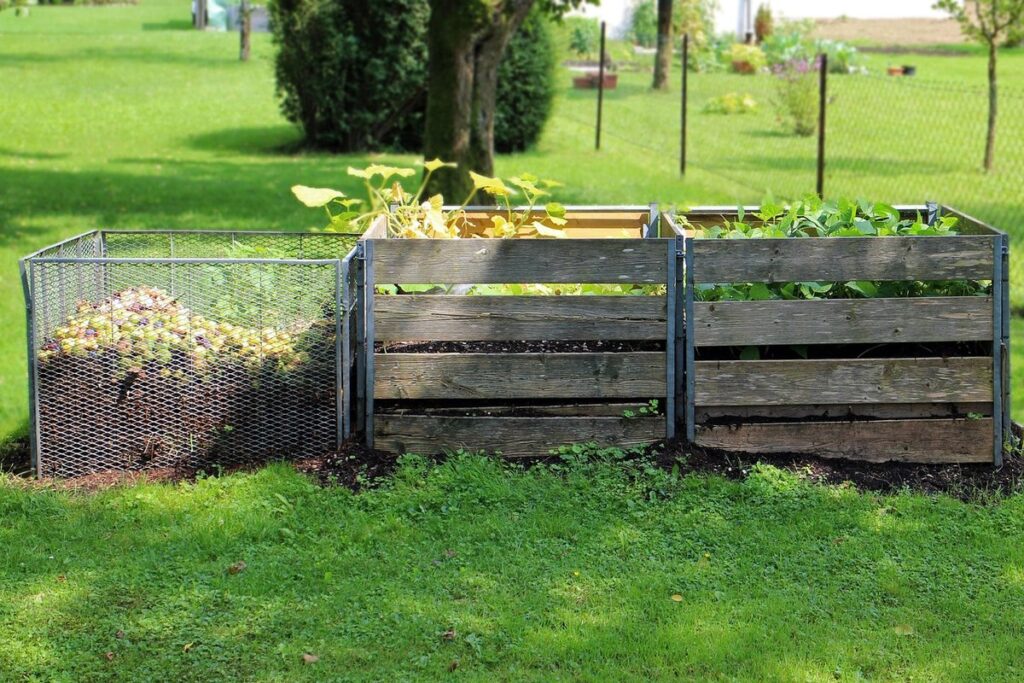
Outdoor composting is an excellent way to reduce waste and create nutrient-rich soil for your garden. To get started, you’ll need a suitable container to hold the compost. There are several types of compost bins available, including wooden pallet bins, metal bins, and plastic tumblers.
When choosing a bin, consider the size and location. A general rule of thumb is to select a bin that can hold 1/3 to 1/2 of your kitchen’s daily food waste. As for location, find a spot with good airflow, partial shade, and easy access for regular maintenance. Avoid placing bins near direct sunlight, as this can cause the compost to dry out.
In terms of size, smaller bins (about 12-18 inches deep) are ideal for small kitchens or indoor composting, while larger ones (24-36 inches deep) are better suited for bigger households or outdoor use. Consider a bin with a lid or door that makes it easy to add materials and turn the compost without disturbing pests or odors.
When setting up your bin, ensure good drainage by adding a 4-inch layer of twigs or small sticks at the bottom. This will help liquids flow freely through the pile.
Indoor Composting: Compact Solutions
Indoor composting is an excellent option for those with limited outdoor space or living in urban areas. Two popular and efficient methods are vermicomposting (worm composting) and using bokashi bin systems.
Vermicomposting involves setting up a worm bin, where red wiggler worms break down food waste into nutrient-rich compost. This method is ideal for indoor spaces as it produces minimal odor and can be maintained in a compact area, such as under the kitchen sink or in a corner of the room. To get started with vermicomposting, you’ll need to purchase a worm bin and obtain red wiggler worms, which are specifically bred for composting.
Bokashi bins, on the other hand, use microorganisms to ferment food waste, producing a liquid compost tea that’s rich in nutrients. These bins are designed to be compact and can be placed under the kitchen sink or in a closet. They also come with an odor-control system, making them suitable for indoor use. Both vermicomposting and bokashi bin systems require minimal maintenance and can produce high-quality compost within a short period.
When choosing between these methods, consider your available space and personal preferences. If you’re willing to maintain a worm-friendly environment and can commit to regular feeding and harvesting, vermicomposting might be the better option for you. However, if you prefer a low-maintenance solution with minimal fuss, bokashi bin systems could be the way to go.
Bokashi Bin vs. Outdoor Composter: Which is Best?
When it comes to small-scale gardening, choosing between a bokashi bin and an outdoor composter can be a bit overwhelming. Both options have their benefits and drawbacks, which we’ll break down below.
A bokashi bin is a compact, indoor composting system that uses microorganisms to ferment food waste into nutrient-rich fertilizer. It’s ideal for small kitchens and apartments where space is limited. Bokashi bins are also odor-free and require minimal maintenance, making them perfect for beginners.
On the other hand, an outdoor composter is a larger, more traditional composting bin that allows for faster decomposition of organic materials. However, it can be messy, attract pests, and requires regular turning to aerate the pile.
If you have limited space or prefer a low-maintenance option, a bokashi bin might be the better choice. But if you’re willing to invest time and effort into maintaining an outdoor composter, it can produce high-quality compost faster.
Consider your lifestyle and gardening goals before making a decision. Both options can work well with proper care and attention.
Setting Up Your Composting System
Before you start composting, it’s essential to set up a system that works for you and your space. This section will guide you through choosing the right location and equipment.
Preparing the Compost Bin
When it comes to setting up your compost bin, preparation is key. Start by choosing a spot with good drainage and accessibility for you and the bin’s contents. Ensure the area is clear of debris and weeds.
Next, select a suitable compost bin that fits your space and needs. You can opt for a wooden or plastic bin, or even build your own using recycled materials. Once you’ve got your bin, it’s time to start layering. A typical layering structure consists of:
• 4-6 inches of “brown” materials like dry leaves or shredded newspaper
• 2-3 inches of “green” materials like kitchen scraps or grass clippings
• Repeat the layers, ending with a brown layer on top
Avoid contaminating your compost by separating “green” and “brown” materials. Don’t add meat, dairy, or oily foods, as they’ll attract pests and create unpleasant odors. Also, keep pets and children away from the bin to prevent contamination.
Remember, patience is essential when composting. Allow the mixture to break down over time, turning it occasionally to speed up the process. With proper layering and care, you’ll be enjoying nutrient-rich compost in no time!
Balancing ‘Green’ and ‘Brown’ Materials
When setting up your composting system, it’s essential to balance “green” and “brown” materials. Green materials are high in nitrogen, while brown materials are rich in carbon. Think of it like a recipe: too much green can leave you with a smelly mess, but not enough will result in slow decomposition.
For every 2-3 parts of brown materials (like dried leaves or shredded newspaper), add one part of green materials (such as food scraps or grass clippings). This balance is key to maintaining the perfect compost pile. When mixing your materials, aim for a mix that looks like a damp soil – not soggy and not dry.
Consider this example: if you have a bucket full of banana peels (green), add shredded newspaper (brown) to balance it out. Aim for a ratio of 2/3 brown to 1/3 green. Remember, it’s all about creating the perfect harmony between these two essential components. By balancing your “green” and “brown” materials, you’ll create an optimal environment for decomposition and end up with nutrient-rich compost in no time.
Monitoring Temperature and Moisture Levels
Monitoring temperature and moisture levels is crucial for ensuring optimal decomposition in your compost pile. You’ll want to aim for a balance between these two factors to create an environment that’s conducive to microbial activity.
Temperature plays a significant role in the composting process, with temperatures ranging from 130°F (54°C) to 140°F (60°C) being ideal for breaking down organic matter. To monitor temperature, you can use a compost thermometer, which is usually inserted into the pile about 12 inches deep. This will give you an accurate reading of the internal temperature.
As for moisture levels, aim for a mix that’s like a damp sponge – not too wet and not too dry. The ideal range is between 40% to 60% moisture content. If your compost pile feels too dry, add some water; if it’s too soggy, turn it to aerate the contents.
Regular monitoring will help you avoid over- or under-mixing, which can lead to anaerobic conditions and unpleasant odors. Aim for a balance that allows microorganisms to thrive, and you’ll be rewarded with rich, nutrient-dense compost in no time!
Composting 101: What to Add and Avoid
When it comes to creating a nutrient-rich compost, knowing what materials to add and avoid is crucial. Let’s dive into the essentials of what makes great compost.
Acceptable Compost Materials
When it comes to composting, many people wonder what they can safely add to their pile. The good news is that there are plenty of household waste items that can be easily incorporated into your compost.
Start by collecting kitchen scraps like fruit and vegetable peels, eggshells, tea bags, and coffee grounds. These items are rich in nutrients and will break down quickly in the compost pile. You can also add yard trimmings such as leaves, grass clippings, and small twigs.
Other acceptable materials include cardboard, paper products, and shredded newspaper. These items help with aeration and carbon-rich content in the compost pile. Even food scraps like bread, grains, and pasta can be added in moderation. Remember to balance these “green” materials with some brown ones like dry leaves or straw to maintain the perfect mix.
Some other tips to keep in mind: avoid adding meat, dairy, or oily foods as they can attract pests and create odors; don’t add pet waste or weeds that might spread invasive species; and shred large items like branches or logs before adding them to your pile.
Unacceptable Compost Materials
When it comes to composting, there are certain materials that should be avoided altogether. These unacceptable compost materials can attract pests, create unpleasant odors, and even harbor pathogens.
Meat, dairy products, and oils are not suitable for the compost pile. Adding these items will attract rodents and flies, making your composting process difficult and messy. Meat and dairy products also break down too quickly, leaving behind a nutrient-poor compost that can harm your plants.
Pet waste is another no-go when it comes to composting. It contains pathogens like E. coli and Salmonella, which can be transmitted to humans through soil contact. If you must dispose of pet waste, bury it at least 12 inches deep in the ground, away from any water sources or planting areas.
Other materials that shouldn’t be added to your compost pile include coal or charcoal ash, as they contain heavy metals and can harm plants; weed seeds, which will sprout in your finished compost; and diseased or moldy plants, which can spread their problems to other plants. By avoiding these unacceptable compost materials, you’ll create a healthy, nutrient-rich compost that’s perfect for your sustainable garden.
Managing Odors and Pests
Managing odors and pests can be a significant challenge when composting. To minimize these issues, it’s essential to maintain good airflow within the pile. This means leaving enough space between each layer of materials and periodically turning the compost. Regular moisture levels also play a crucial role; ensure that your pile is kept moist but not waterlogged.
Avoid adding too many meat, dairy, or oily foods as they can attract pests and create unpleasant odors. If you do add these types of items, make sure to balance them out with equal parts “brown” materials like dry leaves or shredded newspaper. Adding a 2-inch layer of finished compost at the bottom of the pile before adding new materials can also help neutralize odors.
Regular monitoring and maintenance are key to preventing pest infestations. Keep an eye out for signs of pests, such as fruit flies or rodents, and take action promptly if you notice any issues. By following these simple tips, you can minimize odors and pests in your compost pile, creating a healthy environment that encourages decomposition and reduces waste.
Troubleshooting Common Issues
Don’t worry if things don’t go as planned – we’ll cover common composting mistakes and provide solutions to get you back on track. From moldy piles to slow decomposition, we’ve got you covered!
Too Dry or Too Wet? Finding the Right Balance
When it comes to composting, achieving the right balance of moisture is crucial for creating an optimal environment for decomposition. If the pile is too dry, microorganisms struggle to break down organic matter, while an overly wet pile can lead to anaerobic conditions and unpleasant odors.
To avoid these issues, aim for a mix that’s more like a damp sponge than a soggy mess. Check your compost pile regularly by inserting your hand into the center of the pile. If it feels dry or crumbly, add water in small increments until you achieve the right consistency. Conversely, if the pile is too wet and mushy, turn it to aerate it and allow excess moisture to evaporate.
A good rule of thumb is to maintain a moisture level equivalent to about 40-50% of the compost’s volume. This allows microorganisms to thrive without compromising the integrity of your compost. To gauge this level, perform the “squeeze test”: take a handful of compost and squeeze it gently. If water drips out, it’s too wet; if it crumbles easily, it’s too dry.
Imbalanced Carbon-to-Nitrogen Ratio
Identifying an imbalanced carbon-to-nitrogen ratio is crucial for optimal decomposition. When the levels are off-kilter, it can slow down or even halt the composting process altogether. So, what’s a balanced mix? Aim for a ratio of 25-30 parts “carbon” (dry leaves, shredded newspaper, straw) to 1 part “nitrogen” (fresh grass clippings, kitchen scraps, manure). If your pile is too nitrogen-rich, it will be prone to pests and odors. On the other hand, an overabundance of carbon can lead to a slow decomposition rate.
To check your ratio, perform the “squeeze test”: grab a handful of compost from your pile, and if it sticks together like a damp sponge, you’re golden! If it crumbles apart or falls apart when touched, it’s likely too dry. To correct an imbalanced carbon-to-nitrogen ratio, add more of the missing ingredient – either carbon-rich materials to absorb excess nitrogen or nitrogen-rich additions to aerate and speed up decomposition. Keep in mind that a healthy compost pile should be like a moist sponge, not soggy or waterlogged.
Slow Composting: Identifying and Resolving Issues
Slow composting can be frustrating, but don’t worry, it’s often easy to identify and resolve the issues. One common reason for slow composting is inadequate mixing of materials. When layers of “green” (nitrogen-rich) and “brown” (carbon-rich) materials aren’t mixed properly, decomposition slows down. To fix this, simply use a pitchfork or shovel to regularly turn over your pile.
Another factor that can hinder composting is lack of oxygen. Microbes need air to break down organic matter efficiently. If your pile is too dense or has poor airflow, it’ll stifle microbe activity. To improve aeration, try adding more coarse materials like straw or shredded newspaper, and consider turning the pile every few days.
Lastly, insufficient microbe activity can also slow down composting. This might be due to inadequate moisture or an imbalance of carbon-to-nitrogen ratios. Check your pile’s consistency: it should feel damp but not soggy. If it’s too dry, add some water; if it’s too wet, let it sit for a day or two to dry out. By addressing these common issues, you can get your composting back on track and enjoy the benefits of nutrient-rich soil in no time.
Maintaining Your Compost System for Long-Term Success
To keep your compost system thriving, regular maintenance is key: we’ll walk you through the essential tasks to ensure it remains healthy and productive. Let’s dive into some practical tips!
Regular Maintenance Tasks
To keep your compost pile thriving and efficient, regular maintenance tasks are essential. These tasks may seem like extra work, but they’ll pay off in the long run with a rich, nutrient-dense compost perfect for your garden.
Start by turning your compost pile regularly, ideally every 7-10 days. This helps to aerate the pile, preventing anaerobic conditions that can lead to unpleasant odors and slow decomposition. Use a pitchfork or shovel to gently turn the materials, being careful not to compact the pile further.
Monitoring temperature levels is also crucial. A healthy compost pile should reach temperatures of 130-140°F (54-60°C) within a few days of turning. This high heat helps kill off pathogens and weed seeds, ensuring your finished compost is safe for use in your garden.
In addition to these tasks, keep an eye on moisture levels by checking the compost pile’s texture. If it feels dry, add some water; if it’s too wet, let it sit for a day or two before adding more materials. By staying on top of these simple maintenance tasks, you’ll be well on your way to creating a thriving compost system that will provide years of rich, fertile soil for your garden.
Managing Pests and Diseases
Managing pests and diseases is an essential aspect of maintaining a healthy compost system. As you start composting, you’ll inevitably encounter unwanted visitors like ants, fruit flies, and rodents, as well as fungal growths that can spoil the entire pile. Don’t worry, these issues are common and easily manageable with some simple strategies.
Start by using natural deterrents to repel pests. For example, placing a small amount of cinnamon or cayenne pepper near the compost bin can help keep ants away. You can also introduce beneficial insects like ladybugs, which feed on aphids and other pests that might damage your compost. To prevent fungal growths, ensure good air circulation within the pile by mixing in some dry leaves or straw.
Another effective approach is to maintain a balanced carbon-to-nitrogen ratio (C:N) in your compost. This means adding enough “brown” materials like dried leaves or shredded newspaper to balance out the “green” materials like food scraps and grass clippings. By maintaining this balance, you’ll create an environment that’s less conducive to pests and diseases.
Frequently Asked Questions
Can I compost meat, dairy, or oily foods in my bin?
No, it’s best to avoid adding meat, dairy, or oily foods to your compost bin as they can attract pests and create unpleasant odors. Stick to vegetable scraps, fruit peels, and other carbon-rich materials instead.
How long does it take for compost to be ready for use in my garden?
The time it takes for compost to be ready can vary depending on factors like temperature, moisture, and the carbon-to-nitrogen ratio. Generally, you can expect it to take anywhere from a few weeks to several months. Check your compost regularly by digging in with a fork – if it’s crumbly and dark, it’s likely ready to use.
What if I notice mold or mildew on my compost pile?
If you spot mold or mildew on your compost pile, don’t panic! It can be a sign of too much moisture. Simply turn the pile to aerate it and add more carbon-rich materials like dried leaves or shredded newspaper. This will help balance out the moisture levels and speed up the decomposition process.
Can I compost weeds with seeds in them?
It’s generally not recommended to compost weeds with seeds, as they can sprout in your finished compost and create unwanted growth in your garden. Instead, consider removing any seed heads before adding the weed material to your bin.