
When it comes to creating nutrient-rich soil for your garden, getting the compost mix just right is crucial. The balance between brown and green materials in your compost pile can make all the difference in achieving optimal decomposition and minimizing unpleasant odors. But how do you know what that perfect ratio is? Too much “green” – or fresh – material can lead to pest problems and a strong, unpleasant smell, while too little can slow down the decomposition process.
In this article, we’ll explore the ideal brown and green ratio for creating effective compost and provide expert tips on managing common issues like odors and pests. We’ll also delve into how achieving the right balance between these two types of materials will result in rich, nutrient-dense soil that’s perfect for your garden. By the end of this guide, you’ll be well on your way to becoming a composting pro!
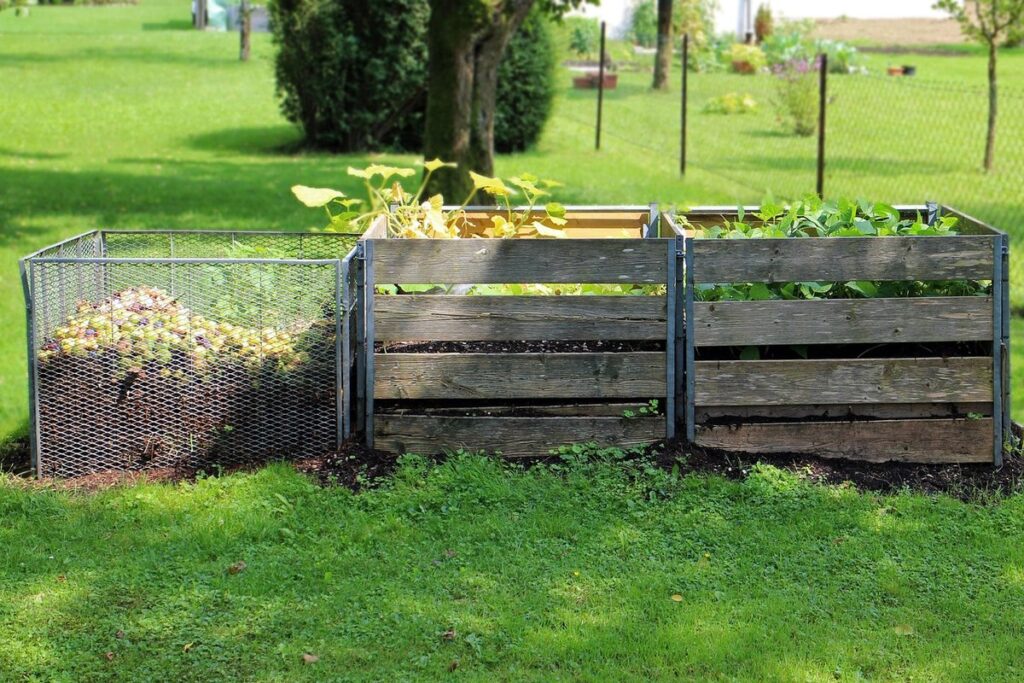
Understanding the Basics of Composting
To get started with composting, it’s essential to understand the basic principles behind this natural process. In this section, we’ll break down what you need to know about composting 101.
What is Composting?
Composting is an essential process that allows you to turn kitchen scraps and yard waste into a nutrient-rich soil amendment. In simple terms, composting involves breaking down organic materials into a stable, humus-like substance that can be used to improve the structure and fertility of your soil. This process is crucial for maintaining healthy gardens, reducing waste sent to landfills, and creating a more sustainable environment.
By composting, you’re not only reducing the amount of greenhouse gases emitted from decaying waste in landfills but also producing a valuable resource that can help retain moisture, suppress weeds, and support the growth of beneficial microorganisms. This is where the brown and green ratio comes into play – by balancing these two components correctly, you’ll create an optimal environment for decomposition to occur efficiently.
Incorporating composting into your gardening routine can be as simple as collecting food scraps, leaves, and grass clippings in separate piles or bins. From there, it’s just a matter of maintaining the right balance between brown (dry) materials like shredded newspaper and green (wet) materials like kitchen waste to ensure that decomposition occurs smoothly and efficiently.
Types of Organic Materials for Composting
When it comes to composting, understanding the different types of green and brown materials is crucial for achieving the ideal balance. Green materials are rich in nitrogen, while brown materials are high in carbon. Both are essential for creating a balanced compost pile.
Green materials can come from various sources, including kitchen scraps like fruit and vegetable peels, eggshells, and coffee grounds. Yard waste such as grass clippings, leaves, and weeds also fit into the green category. Additionally, animal manure like horse or chicken poop can be used as a nitrogen-rich addition to your compost pile.
On the other hand, brown materials are high in carbon and help balance out the nitrogen levels. Examples of brown materials include shredded newspaper, cardboard boxes, straw, and wood chips. These materials absorb excess moisture and provide structure to your compost pile.
To create a successful compost mix, aim for a combination of 2/3 brown materials and 1/3 green materials. This ratio will help you achieve the perfect balance of carbon and nitrogen.
The Importance of Balance: Green to Brown Ratio
Maintaining the right balance between green and brown materials is crucial for successful composting, and getting it just right will make all the difference in your waste management. This section will explore what that perfect ratio looks like.
Why a Balanced Mix Matters
A balanced mix of green and brown materials is essential for successful composting. When we say “balanced,” we’re talking about a ratio that allows for optimal decomposition. Too much green material can lead to anaerobic conditions, causing unpleasant odors and potentially creating pests. On the other hand, too little green material will slow down the composting process.
Think of it like a recipe: you need both wet and dry ingredients to create a smooth consistency. In composting, this translates to having enough brown materials (dried leaves, straw, or shredded newspaper) to absorb excess moisture from green materials (food scraps, grass clippings, or fresh leaves). Aim for a mix that’s roughly 2/3 brown to 1/3 green. This balance ensures microorganisms have the right environment to break down organic matter efficiently.
To achieve this balance, start by adding a layer of brown material at the bottom of your compost bin. Then, add a layer of green materials on top, followed by another layer of brown. Continue alternating layers until you reach the desired ratio.
Common Mistakes to Avoid: Imbalanced Rations
When it comes to maintaining a healthy compost pile, achieving an ideal balance between brown and green materials is crucial. However, having too many greens or browns can lead to serious consequences that might discourage you from continuing with the composting process.
If your compost pile has too many greens, it may become anaerobic, resulting in unpleasant odors that can be overwhelming and even attract pests like rodents and flies. This is because excess moisture and lack of oxygen create an ideal environment for pathogens to thrive. On the other hand, if you add too many browns, the pile might become too dry and difficult to turn, leading to poor nutrient retention.
To avoid these issues, ensure that your compost pile has a balanced ratio of green and brown materials. Aim for a mix of 2/3 “browns” (dried leaves, straw, or shredded newspaper) and 1/3 “greens” (food scraps, grass clippings, or manure). Regularly monitor the moisture levels and turn the pile to maintain oxygen flow. By striking this balance, you’ll create a thriving compost ecosystem that produces nutrient-rich soil for your garden.
The Optimal Compost Brown and Green Ratio
When it comes to composting, getting the right balance of brown and green materials is crucial for creating nutrient-rich soil. This section will help you understand what that ideal ratio looks like in practice.
The Traditional 2/3 Brown to 1/3 Green Ratio
For many gardeners, the traditional 2/3 brown to 1/3 green ratio has been the go-to approach for balancing compost. This age-old method involves adding twice as much dry brown materials (such as leaves or straw) to one-third of green materials (like food scraps or grass clippings). The logic behind this ratio is that the carbon-rich browns help balance out the nitrogen-rich greens, creating a harmonious mix that’s ideal for decomposition.
This traditional approach has been shown to be effective in many composting scenarios. For instance, a study by Cornell University found that a 2:1 brown-to-green ratio led to higher overall carbon and nitrogen levels in finished compost. However, some gardeners may encounter issues with this ratio, such as an overabundance of dry materials that can lead to matting or an unpleasant odor. To avoid these pitfalls, it’s essential to regularly mix your compost pile to ensure that the materials are breaking down evenly.
Adjusting the Ratio Based on Climate, Materials, and Goals
In reality, there’s no one-size-fits-all approach to determining the optimal compost brown and green ratio. The ideal ratio can vary significantly depending on several factors, including climate, available materials, and desired end-products.
For instance, if you live in a hot and dry climate, you may need to adjust your ratio to include more brown materials, such as straw or shredded newspaper, which help retain moisture. Conversely, in a wet and humid climate, you might prefer a higher green material content to speed up decomposition and prevent anaerobic conditions.
When it comes to available materials, consider the carbon-to-nitrogen (C:N) ratio of your brown and green materials. For example, if you’re using high-N materials like grass clippings or manure, you may need to balance them with lower-C materials like straw or coconut coir. Similarly, if you’re aiming for a specific end-product, such as compost tea or potting mix, you’ll want to adjust your ratio accordingly.
In general, it’s better to err on the side of caution and start with a more balanced ratio (around 2/3 brown to 1/3 green), then monitor your pile’s temperature, odor, and moisture levels. Adjust your ratio as needed based on these factors, and don’t be afraid to experiment and fine-tune your approach over time.
Composting with Different Types of Materials
When it comes to composting, you’ve got a wide range of materials at your disposal. Let’s take a closer look at how to effectively use different types of brown and green materials in your compost pile.
Composting with Kitchen Scraps: The Green Component
Adding kitchen scraps to your compost pile is an excellent way to contribute green materials and create nutrient-rich soil for your garden. However, not all food waste is created equal when it comes to composting. To make the most of your kitchen scraps, focus on including carbon-rich foods like fruit and vegetable peels.
Fruit and vegetable peels are an excellent source of nitrogen, which makes them a valuable addition to your compost pile. Apples, for example, have a high water content and break down quickly in the composting process, adding bulk and structure to your pile. Similarly, carrot tops and onion skins are rich in fiber and help speed up decomposition.
When adding kitchen scraps, aim to maintain a balance between nitrogen-rich “green” materials like fruit and vegetable peels and carbon-rich “brown” materials like dried leaves or shredded newspaper. Aim for a mix of 2/3 brown materials and 1/3 green materials. This will ensure that your compost pile doesn’t get too wet or smelly, and that it breaks down efficiently into nutrient-rich soil.
Some additional tips to keep in mind when adding kitchen scraps include: avoiding meat, dairy, and oils as they can attract pests; shredding larger pieces to increase surface area and speed up decomposition; and balancing the pH level of your compost pile by mixing in materials with a high or low pH. By incorporating these tips into your composting routine, you’ll be well on your way to creating rich, fertile soil for your garden.
Composting with Yard Waste: The Brown Component
Composting with yard waste is an essential part of maintaining a balanced compost pile. Yard waste, such as leaves and branches, provides the brown component that helps to balance out the green materials like food scraps and grass clippings. When incorporating yard waste into your composting process, it’s crucial to consider the size and carbon-to-nitrogen ratio.
Start by adding coarse materials like sticks and branches in small quantities (about 10-20% of the total volume). These larger pieces will break down slowly, providing a slow release of nutrients for the microorganisms. Next, add smaller twigs and leaves, which can make up about 30-40% of the pile. Finally, include finer materials like shredded newspaper or cardboard, making up around 10-20% of the mix.
To balance out these brown materials, aim to have a carbon-to-nitrogen ratio of approximately 2:1. This means for every two parts of brown material, you’ll need one part green material. For example, if you add five pounds of leaves (brown), you should add about 2.5 pounds of food scraps or grass clippings (green).
Managing Odors and Pests in Your Compost Pile
To ensure your compost pile is thriving, not stinking up the yard, it’s essential to address odors and pests that can arise from an imbalance of brown and green materials. Let’s tackle these common issues together.
Reducing Odors through Proper Aeration and Moisture Control
Maintaining a healthy balance of oxygen, moisture, and temperature is crucial to minimizing odors in your compost pile. When these elements are out of balance, it can lead to anaerobic conditions that favor the growth of pathogens and odor-causing microorganisms.
To ensure proper aeration, turn your compost pile regularly, ideally every 7-10 days, to introduce oxygen and facilitate decomposition. This simple act will also help to prevent matting and promote even carbon-to-nitrogen ratios. You can also use a pitchfork or aerator tool to loosen the materials and improve airflow.
In terms of moisture control, it’s essential to maintain a damp but not soggy condition. Excessive water can lead to anaerobic conditions, while dryness slows down decomposition. Aim for a mix that’s similar to a damp sponge – you should be able to squeeze out some moisture when pressed between your fingers.
Aiming for an internal temperature of 130-140°F (54-60°C) will also help to kill off weed seeds and pathogens, reducing odors and pests in your compost pile.
Preventing Pest Infestations: Strategies for Success
Preventing pest infestations is crucial to maintaining a healthy and productive compost pile. When it comes to pests like rodents, ants, and flies, they’re often drawn to the rich nutrient-dense environment of your compost. To deter these unwanted visitors, start by ensuring your compost has a balanced brown-to-green ratio.
Brown materials like dried leaves, straw, or shredded newspaper help absorb excess moisture and carbon dioxide, making it less appealing to pests. Aim for a mix that’s 2/3 brown materials to 1/3 green (food scraps or yard trimmings). This balance will also encourage the decomposition process, reducing the likelihood of attracting pests.
Regular maintenance is key. Turn your compost pile regularly to aerate it and speed up the decomposition process. Remove any rotting food scraps or debris that might attract pests. By following these simple steps, you’ll create an environment less conducive to pest infestations, allowing your compost to thrive.
Monitoring Progress and Maintaining Your Compost Pile
Now that you have your ideal compost brown and green ratio, it’s essential to monitor its progress and make adjustments as needed to ensure a thriving pile. This involves regular checks on temperature, moisture, and pest activity.
Regularly Turning the Pile for Optimal Aeration
Turning your compost pile regularly is crucial for maintaining an optimal balance between decomposition and ecosystem health. This process helps to ensure that microorganisms have access to sufficient oxygen, which is essential for breaking down organic matter efficiently. When left unturned, the pile’s center can become anaerobic, leading to a buildup of carbon dioxide, methane, and other gases. These conditions foster an environment conducive to pathogen growth and weed seed germination.
To prevent this from happening, turn your compost pile every 7-10 days during active decomposition phases. This frequency allows for adequate oxygen exchange while minimizing the risk of heat buildup. Use a pitchfork or shovel to gently mix the contents, aiming to expose all materials to oxygen-rich air pockets. As you turn, also aim to maintain a consistent green-to-brown ratio, ensuring that ‘green’ additions like food scraps and grass clippings are balanced by sufficient ‘brown’ materials such as dried leaves and twigs.
By incorporating regular turning into your composting routine, you’ll create an environment where microorganisms thrive, breaking down organic matter quickly and efficiently. This helps to produce a nutrient-rich compost that’s perfect for your garden or indoor plants.
Harvesting Mature Compost: Signs of Readiness
When it’s time to harvest your mature compost, you’ll know it by its texture, color, and smell. A fully matured compost pile will have transformed from a soggy mess into a rich, earthy soil amendment. The first sign of readiness is usually the texture – a mature compost should be crumbly and easily breakable, much like potting soil.
If your compost still looks like it’s stuck in the brown-and-green ratio limbo, check its color. A healthy compost will have turned from its original brown or green hues to a dark, earthy tone that’s almost black. This is when you know it’s ready to be used as fertilizer.
Another surefire sign of maturity is the smell – gone are the pungent aromas of rotting food and leaves. Instead, your compost should have a pleasant, slightly sweet odor similar to damp soil. If it still reeks or smells sour, give it more time to mature.
Conclusion: Mastering the Art of Composting
By now, you should have a solid understanding of the ideal compost brown and green ratio. Remember, achieving this balance is key to creating rich, nutrient-dense compost that will help your plants thrive. As you continue to compost, don’t be discouraged if things get a bit messy at first – it’s all part of the process! To further refine your skills, try experimenting with different materials in your compost pile, such as adding a mix of grass clippings and vegetable scraps or incorporating finished compost into new piles.
With time and practice, you’ll become more attuned to your compost’s needs, and your brown-to-green ratio will become second nature. Don’t be afraid to make adjustments along the way – it’s all about finding what works best for you and your specific composting setup. Keep in mind that patience is a virtue when it comes to composting: with consistent effort and attention, even the most novice composters can create high-quality finished compost.
Frequently Asked Questions
How do I know if my compost pile is aerated enough?
Aerating your compost pile is crucial for preventing odors and pest infestations. Check your pile regularly to ensure it’s not compacted or waterlogged. If you notice a strong smell or see pests, turn the pile immediately to introduce more oxygen.
Can I use weeds with seeds in my compost pile?
Weeds with seeds can actually be beneficial in composting, as they add carbon-rich materials and can help control pests. However, make sure to chop them up before adding them to your pile to prevent spreading weed seeds into your finished compost.
How long does it take for compost to break down completely?
The breakdown process can vary depending on factors like temperature, moisture, and the type of organic materials used. As a general rule, it can take anywhere from 2-6 months for compost to mature. Be patient and regularly turn your pile to ensure optimal decomposition.
What’s the best way to balance my compost ratio when using kitchen scraps?
When working with kitchen scraps, it’s essential to balance the green component with brown materials like yard waste or shredded newspaper. Aim for a 1:2 or 1:3 ratio of green to brown materials, and adjust as needed based on your specific climate and goals.
Can I compost during winter, or does it need to be done in warmer months?
Composting can be done year-round, but you may need to adjust the process depending on the season. In colder months, focus on adding more carbon-rich materials like straw or shredded newspaper to help keep the pile warm.