
Are you tired of throwing away food scraps and yard waste without knowing how to turn them into nutrient-rich fertilizer for your garden? With so many compost bin types available, choosing the right one can be overwhelming. From tumbling bins that make turning easy to in-vessel systems with advanced technology, there’s a composter out there tailored to meet your specific needs.
In this article, we’ll delve into the pros and cons of different compost bin types, including outdoor and vermicomposting systems. We’ll explore what makes each one unique and how they can benefit your gardening endeavors. Whether you’re a seasoned gardener or just starting out, understanding the options will help you make an informed decision and get started on creating your own rich soil without breaking the bank. By the end of this article, you’ll have a better idea of which compost bin is perfect for you.
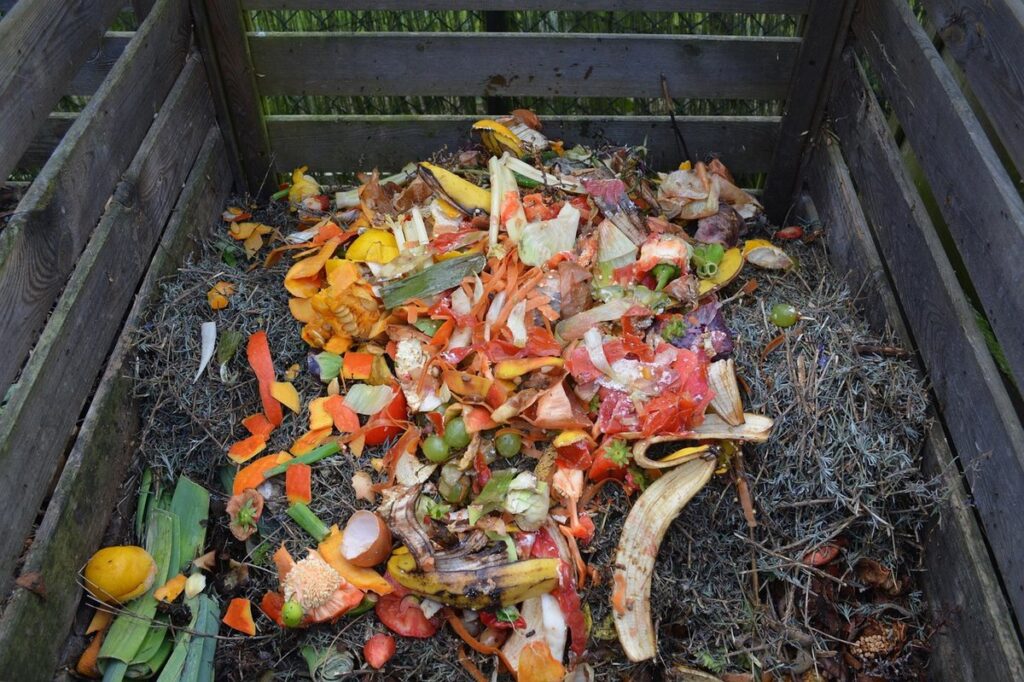
Introduction to Composting
To get started on our composting journey, let’s take a closer look at what composting is and why it matters for your garden’s health.
Importance of Composting
Composting is a fundamental aspect of sustainable gardening practices, and it’s essential to understand its importance before diving into the different types of compost bins available. By turning food scraps and yard waste into nutrient-rich compost, you’re not only reducing your environmental footprint but also creating a valuable resource for your garden.
Think about it this way: the average household generates over 4 pounds of food waste per day. If left unmanaged, this waste can end up in landfills where it contributes to greenhouse gas emissions and takes up precious space. By composting, you’re diverting this waste from landfills and creating a natural fertilizer that improves soil structure, increases water retention, and supports healthy plant growth.
Regular composting also helps reduce your reliance on synthetic fertilizers, which can harm the environment and contaminate soil and groundwater. In fact, using just 1 inch of compost can improve soil’s water-holding capacity by up to 25%. By incorporating composting into your gardening routine, you’ll not only be reducing waste but also creating a more sustainable and resilient garden ecosystem.
Overview of Different Compost Bin Options
When it comes to composting, choosing the right bin is crucial for efficient and odor-free decomposition. There are several types of compost bins available, each with its unique characteristics, advantages, and disadvantages. Let’s take a closer look at some of the most popular options.
Wire mesh or metal bins are durable, easy to clean, and can withstand heavy use. However, they may rust over time and can be noisy in windy conditions. On the other hand, wooden compost bins offer a natural aesthetic and are more aesthetically pleasing. They’re also relatively inexpensive but may require regular maintenance to prevent rot.
Plastic compost bins, made from durable polypropylene or HDPE, are easy to assemble and come in various sizes. However, they can be prone to cracking and may not be suitable for extreme temperatures. Tumbler compost bins, with their rotating design, make it easier to turn the pile without straining your back.
Ultimately, the choice of compost bin depends on your specific needs, available space, and personal preferences. Consider factors like durability, maintenance requirements, and odor control when selecting a bin that suits you best.
Tumbling Compost Bins
Let’s dive into tumbling compost bins, also known as rotating composters, which are designed to make composting easy and efficient by minimizing labor. These bins are perfect for small spaces.
What are Tumbling Compost Bins?
Tumbling compost bins are a type of enclosed bin specifically designed to help you turn and aerate your compost easily. They work on the principle of rotation, where you simply turn the handle to tumble the contents inside, allowing for efficient mixing and aeration. This unique design makes them stand out from other compost bin types.
The tumbling action in these bins helps to break down organic matter into a nutrient-rich compost more quickly than traditional static bins. It’s like having your own personal compost aerator at home! By regularly turning the handle, you’ll be promoting healthy microbial activity and preventing anaerobic conditions that can lead to unpleasant odors and pests.
One of the key benefits of tumbling compost bins is their compact size. They’re perfect for small gardens or urban spaces where space is limited. Plus, they’re often made from durable materials like plastic or metal, making them easy to clean and maintain. Whether you’re a seasoned gardener or just starting out with composting, tumbling bins offer an efficient and convenient way to turn your kitchen scraps into valuable compost.
Benefits of Using a Tumbling Compost Bin
Using a tumbling compost bin offers numerous benefits that make it an ideal choice for home gardeners and environmentally conscious individuals. One of the main advantages is its ease of use. Tumbling compost bins are designed to be turned manually, allowing you to effortlessly mix the contents without straining your back.
This convenient feature enables you to maintain a consistent carbon-to-nitrogen ratio, speeding up the decomposition process. As a result, finished compost is ready in as little as 2-3 weeks, depending on factors like moisture levels and the initial material composition.
In contrast to static bins, tumbling composters promote air circulation, accelerating the breakdown of organic matter. This efficient decomposition not only saves time but also minimizes odors and pests.
By incorporating a tumbling composter into your gardening routine, you can create nutrient-rich soil amendments for your plants while reducing waste and minimizing environmental impact.
Drawbacks of Tumbling Compost Bins
While tumbling compost bins are convenient and effective for turning food waste into nutrient-rich soil, there are some potential drawbacks to consider before making a purchase. One of the main concerns is the cost – these types of composters can be quite expensive, especially larger models with advanced features.
Another drawback is the physical space required. Tumbling compost bins need room to rotate and can take up significant space in your yard or garden. If you have limited space, this might not be the best option for you.
Additionally, tumbling compost bins often require electricity to operate, which can increase energy consumption and your utility bills. This might not be a major concern for those with small households, but for larger families or homes, it’s essential to factor in these additional costs.
Lastly, some users have reported issues with pests and odors when using tumbling compost bins, especially if not maintained properly. To minimize these risks, make sure to follow the manufacturer’s guidelines for operation and maintenance, and keep your composter clean and well-ventilated.
In-Vessel Composters
Let’s dive into In-Vessel Composters, a popular type of compost bin that uses enclosed systems to break down food waste and other organic materials. This section explores their benefits and drawbacks in more detail.
What are In-Vessel Composters?
In-vessel composters are self-contained systems that use mechanical and biological processes to break down organic materials into a rich, nutrient-dense soil amendment. These units work by utilizing a combination of heat, oxygen, and microorganisms to speed up the decomposition process. This method allows for more efficient processing of large volumes of material in a relatively small space.
One unique feature of in-vessel composters is their ability to maintain consistent temperatures, often between 130°F and 140°F (54°C to 60°C), which inhibits weed seed germination and pathogen development. This makes them ideal for municipalities or institutions with large-scale organic waste management needs. Additionally, these units can be designed to handle a wide range of input materials, from food scraps to yard trimmings.
When choosing an in-vessel composter, consider the unit’s capacity, energy requirements, and maintenance needs. Regular monitoring of temperature, carbon-to-nitrogen ratio, and moisture levels is crucial for optimal performance. With proper operation, in-vessel composters can produce high-quality compost in as little as 7-10 days.
Benefits of Using an In-Vessel Composter
One of the most significant advantages of using an in-vessel composter is its high volume capacity. Unlike other compost bin types, such as tumblers or piles, in-vessel composters can handle massive amounts of organic waste – think hundreds to thousands of pounds. This makes them perfect for households with large families, farms, or institutions that generate a significant amount of food scraps and yard trimmings.
In addition to their impressive capacity, in-vessel composters are also incredibly easy to maintain. Most models come equipped with automated systems that regulate temperature, moisture, and oxygen levels – eliminating the need for manual monitoring and adjustments. This means you can simply load the composter, close it up, and let nature do its magic. In fact, many in-vessel composters require minimal space and are often compact enough to fit in a small backyard or even on a balcony.
This level of convenience is especially beneficial for busy households that may not have time to regularly turn their compost piles. With an in-vessel composter, you can simply load it up once a week and forget about it – the perfect solution for those who want to reduce waste without sacrificing valuable time.
Drawbacks of In-Vessel Composters
While in-vessel composters offer many benefits, such as high-volume processing and low odor emissions, there are potential drawbacks to consider when choosing this type of composter. One major drawback is the significant upfront cost, which can range from $5,000 to $20,000 or more depending on the size and features. This expense can be a barrier for many individuals and small-scale farmers who need to manage organic waste.
Another consideration is the high maintenance requirements of in-vessel composters. These units often require frequent monitoring and adjustments to ensure optimal conditions for decomposition, which can be time-consuming and labor-intensive. Additionally, the large capacity of these composters means that a significant amount of material must be added at once, which can lead to overloading and reduced efficiency.
In some cases, in-vessel composters may also produce too much heat, causing temperatures to rise above 160°F (71°C), potentially killing beneficial microorganisms. To mitigate this risk, it’s essential to carefully monitor temperature levels and adjust the aeration rates accordingly. By understanding these potential drawbacks, you can make an informed decision about whether an in-vessel composter is right for your specific needs.
Outdoor Compost Bins
When it comes to taking composting outdoors, a well-chosen outdoor compost bin can make all the difference, providing easy accessibility and pest control. Let’s take a closer look at some popular options.
What are Outdoor Compost Bins?
Outdoor compost bins are designed for easy and efficient decomposition of organic waste in an outdoor setting. They usually have a lid that allows you to easily add materials, and some models come with handles for effortless lifting and carrying. These bins work by providing adequate oxygen flow, maintaining optimal moisture levels, and regulating temperatures, which accelerates the composting process.
The primary advantages of using outdoor compost bins include increased space for decomposition, reduced odors, and easier access for maintenance. They are ideal for large households or gardens that generate substantial amounts of waste. Some popular types of outdoor compost bins include wooden, plastic, and metal models, each with its unique benefits and drawbacks.
When choosing an outdoor compost bin, consider factors such as size, material, and accessibility features. For instance, a larger capacity bin may be suitable for large households or gardeners with extensive waste production. Meanwhile, smaller bins are perfect for compact spaces or for those who prefer to add materials in moderation. By selecting the right model, you can maximize the effectiveness of your outdoor composting efforts and enjoy the benefits of nutrient-rich soil amendments for your plants.
Benefits of Using an Outdoor Compost Bin
Using an outdoor compost bin is an excellent way to take advantage of nature’s recycling process. Not only does it reduce waste and create nutrient-rich soil for your garden, but it also offers several benefits that make it a worthwhile investment.
One of the most significant advantages of using an outdoor composter is its cost-effectiveness. By turning kitchen scraps and yard waste into compost, you can significantly reduce the amount of trash sent to landfills. This alone can save you money on waste disposal fees, which can range from $2 to $5 per bag in some areas.
Another benefit of outdoor composting is the ease of setup. Many modern compost bins come with simple designs that make it easy to assemble and start using them right away. Some even have features like aeration systems or carbon-rich materials to help speed up the composting process.
To get started, simply place your bin in a convenient location, add a mix of green (kitchen scraps) and brown (yard waste) materials, and let nature do its magic. With proper maintenance, you can have a rich, dark compost ready for your garden within just a few months.
Drawbacks of Outdoor Compost Bins
While outdoor compost bins can be an effective way to turn food waste into nutrient-rich soil, there are some potential drawbacks to consider before making a choice. One of the main concerns is pest attraction. Pests like rodents, raccoons, and flies can be drawn to the enticing smells and tastes of your compost pile, potentially causing problems for you and your garden.
Another consideration is odors. If not managed properly, outdoor compost bins can become a nuisance with strong, unpleasant smells wafting through the air. This can be especially problematic if you live in a densely populated area or have neighbors who might complain about the smell.
Additionally, outdoor compost bins may require more maintenance than indoor options. They need to be regularly turned and monitored to ensure they’re breaking down properly, which can take up valuable time and effort. It’s also essential to choose a location for your bin that receives adequate sunlight and has good airflow to speed up the decomposition process.
Vermicomposting Systems
For those looking for a more controlled environment, vermicomposting systems utilize worms to break down food scraps and other organic matter into nutrient-rich compost. These systems are ideal for indoor use.
What are Vermicomposting Systems?
Vermicomposting systems are designed to harness the power of worms to break down organic matter into a nutrient-rich compost. These systems work by creating an ideal environment for worms to thrive, allowing them to consume and process food waste at an incredible rate.
In a vermicomposting system, worms such as red wigglers or Eisenia fetida are introduced to a controlled environment, typically consisting of a container with a drainage system and adequate ventilation. The worms feed on the organic matter, which is usually shredded or chopped into smaller pieces to increase surface area. As they consume the waste, they excrete a nutrient-rich castings that can be used as fertilizer.
One unique feature of vermicomposting systems is their ability to process large amounts of organic matter in a small space. This makes them ideal for urban areas where space is limited. Additionally, vermicomposting systems are low-maintenance and can be designed to operate indoors or outdoors. However, they do require a consistent food supply and regular monitoring to ensure optimal worm health.
By using worms to break down waste, vermicomposting systems provide an efficient and eco-friendly solution for managing organic matter.
Benefits of Using a Vermicomposting System
When it comes to vermicomposting systems, one of the most significant benefits is their high nutrient output. These systems can produce a rich, nutrient-dense compost that’s ideal for fertilizing plants. The worms in these systems break down organic matter into a concentrated form, making it easier to apply to your garden or houseplants.
Another advantage of vermicomposting systems is their low odor production. Unlike traditional composting methods, which can sometimes give off unpleasant smells, vermicomposting systems are designed to minimize odors. This makes them perfect for urban gardens or indoor spaces where composting might be a concern.
One of the main reasons vermicomposting systems excel in nutrient output and odor control is due to their enclosed environment. The worms live in a controlled ecosystem, where oxygen levels can be monitored and maintained. This ensures that the decomposition process occurs efficiently, without producing unwanted odors or excess heat.
By using a vermicomposting system, you can enjoy high-quality compost with minimal maintenance. Simply add your organic waste, keep the system moist, and let the worms do their magic. With proper care, you’ll be rewarded with a rich, nutrient-dense compost that will take your gardening to the next level.
Drawbacks of Vermicomposting Systems
While vermicomposting systems have gained popularity for their efficient and space-saving composting capabilities, there are some potential drawbacks to consider when choosing this type of system. One of the main concerns is the initial investment cost, which can be higher compared to other compost bin types. For instance, a high-quality worm composter can range from $50 to $200, making it less accessible for those on a tight budget.
Another drawback is the maintenance requirements, which can be more labor-intensive than other composting methods. Vermicomposting systems require regular monitoring of temperature, moisture, and pH levels to ensure optimal conditions for the worms. Failure to maintain these parameters can lead to reduced worm populations, contamination, or even collapse of the system. Additionally, vermicomposting systems often require a larger space for the composting process, which may not be feasible in smaller gardens or urban settings.
It’s essential to weigh these potential drawbacks against the benefits of vermicomposting systems before making a decision. With proper planning and maintenance, however, vermicomposting can be an effective and efficient way to create nutrient-rich compost.
Comparison Summary
Now that we’ve explored each type of compost bin, let’s take a step back and summarize the key similarities and differences to help you make an informed decision. Here’s a quick comparison summary to wrap up our comprehensive guide.
Key Differences Between Compost Bin Types
When it comes to choosing the right compost bin for your needs, understanding the key differences between various types is crucial. One of the primary distinctions lies in their size and capacity. Tumblers, for instance, are compact and perfect for small spaces, while larger bins like stationary or wheelbarrow models can handle more substantial amounts of waste.
Another significant difference is their maintenance requirements. Some compost bins, such as bokashi bins, have a fermentation process that requires regular monitoring and turning. Others, like worm composter bins, require precise temperature control to ensure the optimal breakdown of organic matter.
Additionally, consider the materials used in construction. Compost bins made from recycled plastic or wood are more eco-friendly than those crafted from metal. In terms of accessibility, look for bins with easy-turning mechanisms and wide openings for effortless loading and unloading.
Ultimately, selecting a compost bin that suits your specific needs involves weighing these factors against your lifestyle and available space.
Recommendations for Choosing the Right Compost Bin
When selecting the right compost bin for your needs, consider the following key factors. First, assess the space available in your yard or garden where you plan to place the bin. This will help determine the ideal size and design of the bin.
Next, think about the type of material you want to compost. If you’re dealing with wet or heavy materials like food scraps or manure, a bin with good airflow and drainage is essential. In contrast, if you’re primarily composting dry leaves or twigs, a more compact bin may suffice.
Also, consider your personal preference for ease of use and maintenance. Some bins have features like easy-turn lids or removable trays that make adding and turning the compost simpler.
Lastly, evaluate the level of odour control required for your situation. If you live in a densely populated area or have pets that frequent the yard, look for bins with built-in odor-absorbing filters or carbon-rich materials to minimize unpleasant smells.
Ultimately, weighing these factors will help you choose a compost bin that meets your specific needs and preferences, ensuring successful composting results.
Frequently Asked Questions
Can I use a compost bin indoors, or is it best suited for outdoor spaces?
You can use a compost bin indoors, but it’s essential to choose one with good ventilation to prevent unpleasant odors and pest attractants. Consider a compact, odor-controlled bin or a vermicomposting system specifically designed for indoor use.
How often should I turn my compost pile, and what are the consequences of neglecting this task?
Regular turning (every 7-10 days) helps maintain oxygen flow, speeds up decomposition, and prevents matting. Neglecting to turn your compost can lead to anaerobic conditions, which may produce unpleasant odors and reduce nutrient-rich humus.
Are compost bins easy to clean, or do they require regular maintenance?
Most compost bins are designed for easy cleaning and minimal maintenance. However, it’s crucial to regularly check and empty the bin to prevent pests and maintain optimal decomposition processes.
Can I compost meat, bones, and dairy products, or will these spoil my compost?
No, it’s not recommended to compost meat, bones, and dairy products as they attract pests, create unpleasant odors, and may introduce pathogens into your soil. Stick to adding “green” materials like fruit and vegetable scraps, leaves, and grass clippings.
How long does it take for a compost pile to break down completely?
The decomposition time varies depending on factors like bin type, material composition, and maintenance. Generally, you can expect a compost pile to mature within 2-6 months, but this timeframe may be shorter or longer based on specific conditions.