
Are you loving your compost bin, but struggling to keep it thriving? Well, you’re not alone! Maintaining a compost bin can be a bit tricky, especially if you’re new to composting. But don’t worry, with a few essential tips and best practices under your belt, you’ll be well on your way to creating nutrient-rich soil for your garden in no time.
In this article, we’ll cover everything you need to know about compost bin maintenance, from selecting the perfect location to troubleshoot common issues that might be holding you back. We’ll also explore ways to upgrade your system and take your composting game to the next level. By the end of it, you’ll be a composting pro, with a thriving bin and a head start on growing amazing plants. So let’s dive in and get started!
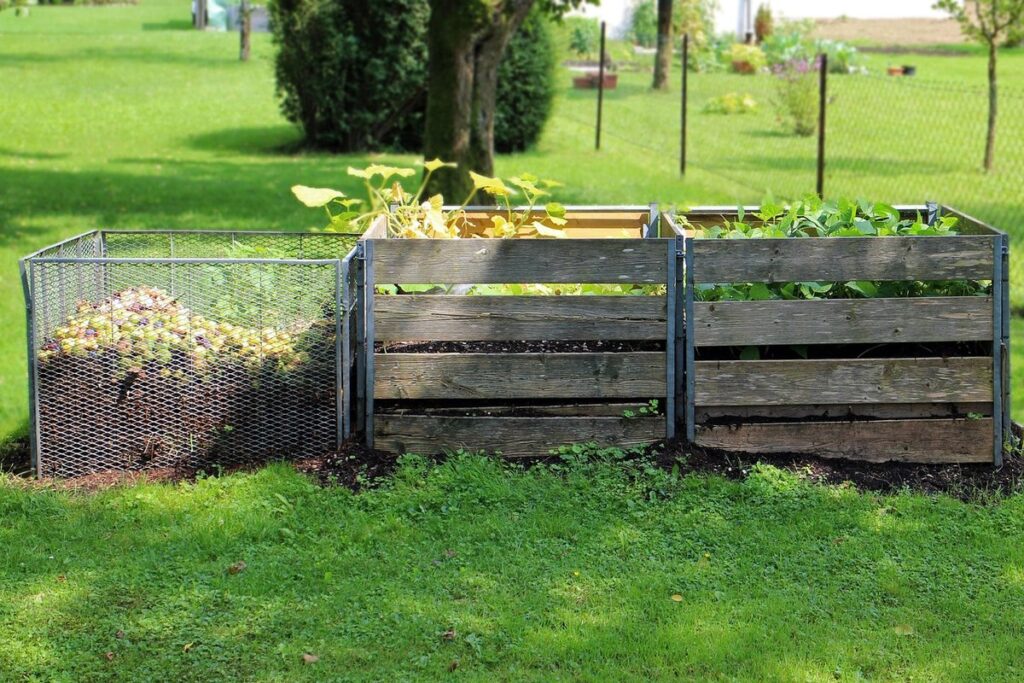
Understanding Your Compost Bin’s Needs
To ensure a healthy compost, it’s essential to understand the needs of your bin, from optimal moisture levels to suitable carbon-to-nitrogen ratios. Let’s dive into the specifics!
Choosing the Right Location
When selecting a location for your compost bin, there are several factors to consider that will impact its efficiency and effectiveness. Sunlight is one key consideration – most compost bins require direct sunlight to facilitate the decomposition process. A south-facing wall or spot with at least 6 hours of direct sun per day is ideal.
Wind direction should also be taken into account. Compost bins can attract pests like rodents, raccoons, and flies, which are often drawn to the smell of decomposing organic matter. Placing your compost bin downwind of your kitchen or other living areas will minimize odors wafting indoors.
Proximity to water sources is another important factor. While a nearby hose or water source makes it easier to maintain consistent moisture levels within the bin, avoid placing your compost bin in an area where excess water may collect and create anaerobic conditions.
When possible, choose a location for your compost bin that balances these factors while also minimizing its visual impact on your yard or garden.
Ensuring Adequate Moisture Levels
Maintaining optimal moisture levels is crucial for efficient composting. Excessively dry piles can lead to weed seeds and pathogens thriving, while soggy piles encourage anaerobic conditions, producing unpleasant odors and potentially toxic compounds. Aim for a balance by aiming for the pile’s internal temperature to reach between 130°F and 140°F.
To achieve this balance, add water to your compost bin as needed, ideally when it reaches about one-quarter dryness. However, be cautious not to overwater; a single-inch layer of liquid on the bottom is enough. To monitor moisture levels, check for stickiness or dampness by inserting a gloved hand into the pile.
Regular mixing also ensures even distribution of water throughout the pile. Every 2-3 days, turn your compost bin’s contents, loosening compressed layers and reintroducing oxygen. This will promote healthy microbial activity while minimizing odors. By maintaining adequate moisture levels, you’ll create an optimal environment for decomposition to occur efficiently, producing nutrient-rich compost in a shorter timeframe.
Monitoring Temperature and Turning
Monitoring temperature and turning are two crucial aspects of maintaining a healthy compost bin. As organic matter breaks down, it undergoes various stages of decomposition, with temperature playing a significant role in the process. A properly functioning compost bin should maintain temperatures between 130°F and 140°F (54°C to 60°C), indicating that the microbes are actively decomposing the waste.
If the temperature drops below this range, it may indicate inadequate carbon-to-nitrogen ratio or insufficient moisture levels. On the other hand, extremely high temperatures can lead to ‘cooking’ of the compost, resulting in a foul odor and reduced quality of the final product. Regular turning helps maintain optimal conditions by distributing heat evenly throughout the bin, preventing anaerobic pockets that foster unpleasant odors.
To monitor temperature effectively, use a compost thermometer to take readings at different depths within the pile. Turning should be done every 7-10 days, depending on the size and type of your compost bin. This will ensure that the microorganisms have sufficient oxygen supply and that carbon-rich materials are evenly dispersed throughout the pile.
Maintaining Optimal pH Levels
Maintaining optimal pH levels is crucial for efficient composting, as high or low acidity can hinder microbial activity and produce unpleasant odors. We’ll walk you through how to monitor and adjust your compost bin’s pH levels.
The Role of pH in Composting
Maintaining an optimal pH balance is crucial for effective composting. The ideal pH range for composting typically falls between 6.0 and 7.5, with 6.5 being the sweet spot. When the pH levels are off, it can lead to a host of problems, from stunted microbial growth to unpleasant odors.
Common pH-related issues include too much acidity, which can occur when food scraps or coffee grounds are added in excess. This can kill off beneficial microbes and create an environment conducive to pests. On the other hand, too little acidity can cause nitrogen imbalances, leading to a buildup of green materials that may attract rodents and other unwanted critters.
To maintain healthy pH levels, it’s essential to balance “green” (nitrogen-rich) materials like food scraps and grass clippings with “brown” (carbon-rich) materials like dried leaves and shredded newspaper. Regular mixing of the compost pile can also help distribute acidity and prevent hotspots from forming. By monitoring your compost pile’s pH levels and adjusting accordingly, you’ll be well on your way to creating a nutrient-rich, odor-free compost that’s perfect for your garden.
Testing and Adjusting pH
Testing the pH levels of your compost is crucial to ensure it’s suitable for your garden. You can use a pH meter specifically designed for this purpose, or purchase pH test strips that change color depending on the acidity level.
To get an accurate reading, take a small sample of your compost and mix it with distilled water in a 1:10 ratio. This will help to dilute any contaminants and give you a more accurate measurement. Compare the resulting color to the chart provided with the pH test strips or consult the readings on your pH meter.
If your compost’s pH levels are off, don’t worry – adjusting them is relatively simple. To lower high pH levels (alkaline), add materials like peat moss, pine needles, or coffee grounds, which have a natural acidity. For low pH levels (acidic), incorporate lime, dolomitic limestone, or crushed eggshells to increase the alkalinity.
Monitor your compost’s progress by testing its pH regularly and making adjustments as needed. A balanced compost with an optimal pH range of 6.0-7.0 will ensure a healthy and thriving garden.
Common pH-Related Issues and Solutions
Maintaining optimal pH levels is crucial for effective composting. However, pH imbalances can occur due to various factors such as an overabundance of acidic materials like coffee grounds and tea bags, or a lack of carbon-rich materials. If the pH level becomes too high, it may lead to nitrogen loss, resulting in slower decomposition rates.
On the other hand, if the pH level becomes too low, it can attract pests and create unpleasant odors. In extreme cases, it may even kill beneficial microorganisms, hindering the composting process altogether.
To address these issues, monitor your compost bin’s pH regularly using a soil testing kit. If you notice an imbalance, adjust the ratio of green to brown materials accordingly. For instance, if the pH is too high, add more carbon-rich materials like dried leaves or straw. Conversely, if the pH is too low, incorporate more acidic materials in moderation.
By taking proactive steps to maintain optimal pH levels, you can create a thriving compost ecosystem that supports healthy decomposition and produces nutrient-rich soil for your garden.
Managing Odors and pests
Unpleasant odors and unwanted critters can quickly ruin a compost pile, but there are simple steps you can take to prevent these issues. Learn how to keep your bin fresh and pest-free.
Identifying and Addressing Odor Issues
Recognizing the signs of odor-related problems in your compost bin is crucial to maintaining a healthy and thriving ecosystem. A strong, unpleasant smell can be a sign that your compost is too wet, not aerated enough, or has too many green materials. If you notice a strong ammonia smell, it may indicate that your compost is too dry or has an imbalance of nitrogen-rich materials.
To mitigate odor issues, start by checking the moisture level in your compost bin. Add brown materials like dried leaves or shredded newspaper to absorb excess moisture. Ensure good airflow by mixing and turning the compost regularly. If you notice a buildup of green materials, balance it out with more carbon-rich materials.
Regular monitoring and maintenance will help prevent odor-related problems. Set aside time each week to inspect your compost bin, turn the contents, and add new materials as needed. By staying on top of these tasks, you’ll maintain a balanced ecosystem and minimize the risk of unwanted odors. A healthy compost bin should never have a strong smell; if it does, take action promptly to address the issue.
Keeping Pests at Bay
Pests can be a major issue when it comes to composting. They not only ruin the quality of your finished compost but also create unpleasant odors and attract even more pests. To keep your compost bin pest-free, it’s essential to maintain a clean and balanced environment.
Here are some tips to help you deter unwanted visitors:
* Keep your compost bin regularly turned, ensuring that there are no anaerobic pockets where pests can thrive.
* Maintain the right carbon-to-nitrogen ratio in your compost pile by adding brown materials like dried leaves or straw along with green materials like food scraps and grass clippings.
* Add a 2-3 inch layer of finished compost at the bottom of your bin to create a barrier against pests.
* Bury fruit and vegetable peels under a thick layer of carbon-rich materials, as they are particularly attractive to pests.
* Avoid adding meat, dairy, or oily foods to your compost pile, as these can attract rodents and other pests.
Common Pests and How to Prevent Them
When it comes to compost bin maintenance, preventing pest infestations is crucial. Pests like rodents, raccoons, and flies are attracted to the nutrients and moisture present in compost bins. Rodents, for instance, may chew through the bin’s walls or lid to access the nutrient-rich material inside.
Flies, on the other hand, are drawn to the sweet, fermented smell of decomposing food waste. To prevent rodent infestations, use a rodent-proof bin with sturdy walls and a secure lid. You can also add physical barriers like hardware cloth or chicken wire around the bin to deter these pests. For fly control, cover the bin with a fine mesh screen or cheesecloth, and ensure good ventilation by providing adequate airflow.
It’s also essential to manage food waste properly. Avoid adding meat, dairy, or oily foods, as they can attract pests. Shredding larger items like newspaper and cardboard before adding them to the compost pile can help reduce pest attraction. Regularly inspect your bin for signs of pest infestations and take action promptly if you notice any issues.
Monitoring and Maintaining Your Compost Bin
To keep your compost bin functioning at its best, it’s essential to regularly monitor its moisture levels and check for pests, diseases, or unpleasant odors. Regular checks will prevent issues from arising and ensure a healthy composting process.
Regular Cleaning and Maintenance Schedules
Regular cleaning and maintenance schedules are crucial to keep your compost bin running smoothly and effectively. To avoid unpleasant odors and attract pests, it’s essential to regularly inspect and clean your compost bin.
Check your compost bin every 1-2 weeks by opening the lid and taking a peek inside. Look for any signs of mold, mildew, or pest infestations. Remove any rotting or contaminated materials, and add fresh bedding like straw or shredded newspaper to keep things balanced.
For deeper cleaning, aim to scrub the bin’s interior with soap and water every 4-6 weeks. Be sure to rinse thoroughly to remove any soap residue that could harm your compost pile. Also, inspect the bin’s drainage system, if it has one, to ensure water is flowing freely and not accumulating in the bin.
During regular maintenance checks, also consider aerating your compost pile by turning it over or using a compost turner tool. This helps speed up decomposition and prevents anaerobic conditions that can lead to unpleasant odors.
Inspecting for Signs of Failure or Damage
When inspecting your compost bin for signs of failure or damage, it’s essential to be thorough and methodical. Start by checking the bin’s structure, looking for any cracks, holes, or gaps that could compromise its integrity. Check for signs of wear on hinges, latches, and other moving parts, as these can become loose over time.
Some specific issues to watch out for include:
• Corrosion: Rust spots or flaking metal on the bin’s surface may indicate corrosion.
• Warping: If the bin’s walls or bottom are warped or bowed, it could be a sign of uneven settling or structural weakness.
• Rodent or pest infestation: Check for signs of gnawing or burrowing around the bin’s edges or corners.
• Leaks: Inspect the bin’s seals and joints for any signs of moisture seeping through.
• Overheating: If the bin is overheating, it can cause the compost to become too hot, leading to unpleasant odors and potentially harming microorganisms. Check for excessive heat buildup around the bin or in its contents.
Remember to address these issues promptly to prevent further damage and ensure the health of your compost.
Upgrading or Replacing Your Compost Bin
When it’s time to upgrade or replace your compost bin, there are several factors to consider. First and foremost, think about your current needs and expectations from a new bin. Are you looking for increased capacity, improved accessibility, or better odor control? Consider how your composting habits have changed over time – do you need a larger bin to accommodate more food waste or yard trimmings?
Assess the condition of your old bin as well. Is it showing signs of wear and tear, such as cracks in the lid or rust on the frame? If so, it may be worth replacing rather than trying to repair. Consider factors like durability, ease of cleaning, and overall quality when evaluating new options.
Research different types of compost bins available in the market, including tumbler bins, worm composters, and outdoor composting units. Think about your budget and whether you’re willing to invest in a more expensive but high-quality bin or opt for a cheaper alternative that may require more maintenance.
Advanced Techniques and Best Practices
Now that you have a solid foundation of compost bin basics, let’s dive into some advanced techniques to take your waste management game to the next level.
Bokashi Composting for Urban Spaces
In urban spaces where outdoor composting may not be feasible due to limited space or high-rise living, bokashi composting emerges as a viable alternative. Bokashi is a Japanese term meaning “fermented organic matter,” and this method involves using microorganisms to break down food waste in a sealed container.
To implement bokashi composting effectively, start by acquiring a bokashi bin specifically designed for indoor use. These bins typically have a tap at the bottom for draining liquids and are equipped with a filter to prevent odors from escaping. Begin by adding 1-2 inches of bokashi bran (a mixture of microorganisms and other nutrients) to the container, followed by layering food waste, including meat, dairy, and oils.
Aim to add equal parts water and bokashi bran to the bin periodically, allowing the liquid produced to drain off. It’s essential to regularly monitor the bin’s temperature and odor levels. A healthy bokashi compost should be slightly effervescent (bubble-producing) but not emit strong odors. By following these guidelines, urban residents can efficiently manage food waste through bokashi composting while maintaining a clean and odor-free environment.
Worm Composting for Small-Scale Operations
Worm composting is an excellent option for small-scale operations or indoor use due to its low-maintenance nature. This method involves vermicomposting, where worms break down organic matter into a nutrient-rich compost. One of the primary benefits of worm composting is that it produces a high-quality compost in as little as 1-2 weeks, making it ideal for small-scale operations or indoor use.
To get started with worm composting, you’ll need to set up a vermicomposting bin specifically designed for worms. These bins are usually compact and have aeration systems to maintain optimal oxygen levels. You can add red wiggler worms to the bin, which thrive in temperatures between 55°F to 77°F (13°C to 25°C). Add organic matter like food scraps, coffee grounds, or tea bags to the bin, but avoid adding meat, dairy, or oily foods that can attract pests.
A well-maintained worm composting system can produce up to 1 pound of worm castings per week, making it a great option for small-scale operations.
Case Studies: Successful Compost Bin Maintenance
When it comes to successful compost bin maintenance, there are many real-world examples of effective practices that can be learned from experienced gardeners and enthusiasts. For instance, Sarah, a seasoned gardener, uses a “hot spot” system where she sets aside specific areas within her compost bin for high-nitrogen materials like food scraps and grass clippings. This approach helps to speed up the decomposition process.
Another successful maintenance practice is regular turning of the compost pile. Rachel, an avid composter, makes it a habit to turn her compost every 7-10 days during the warm months. This ensures that oxygen reaches all parts of the pile, preventing anaerobic conditions and odors. By doing so, she achieves a faster break-down rate and ends up with rich, earthy compost in just a few weeks.
It’s also worth noting that keeping your compost bin clean is crucial for maintaining optimal decomposition rates. Regular cleaning involves removing any finished compost or partially broken-down material from the bottom of the bin to make room for new additions. By following these tips, you can achieve impressive composting results and create a nutrient-rich soil amendment for your garden.
Frequently Asked Questions
What’s the best way to upgrade my compost bin for more efficient decomposition?
If you’re looking to boost your composting efficiency, consider upgrading to a bin with built-in ventilation or oxygenation features. This will help regulate moisture levels and temperature fluctuations, promoting healthier decomposition and reducing odor issues. Some popular options include worm composters or bokashi bins that incorporate these advanced features.
How often should I inspect my compost bin for signs of failure or damage?
Regular inspections are crucial to maintaining a healthy compost bin. Check your bin every 1-2 weeks during peak composting seasons (spring and fall). Look out for signs of wear, such as cracks in the structure, pest infestations, or unusual odors. Address any issues promptly to prevent contamination and maintain optimal conditions.
Can I add pet waste to my compost pile, and if so, how do I handle it safely?
Pet waste can be added to your compost pile, but it’s essential to balance the high nitrogen content with sufficient carbon-rich materials. To minimize pathogens and contaminants, bury pet waste 4-6 inches deep in the pile, followed by a layer of bulking agents like straw or shredded newspaper. Monitor temperature and turn the pile regularly to ensure decomposition occurs safely.
How do I maintain my compost bin’s optimal pH levels throughout the year?
Maintaining optimal pH levels is crucial for effective composting. Regularly test your compost using pH testing kits (around 6-8 times per year). Adjust pH levels by adding acidic or alkaline materials as needed. For example, crushed eggshells can raise pH, while citrus peels or coffee grounds can lower it.
Can I use weeds and invasive plants in my compost bin, even if they’re not edible?
Yes, many weeds and invasive plants can be composted safely, provided you follow proper protocols. Remove any seeds or debris that could sprout or spread during decomposition. Chop or shred the plant material to increase surface area, then add it to your pile in moderation (10-20% of total volume). This will help break down the cellulose and lignin content, reducing their weed-like properties.