
Are you tired of traditional compost bins taking up valuable space in your backyard? Do you want to reduce waste and create nutrient-rich soil for your garden without breaking the bank or sacrificing style? You’re not alone. Many gardeners are seeking creative solutions to traditional compost bin limitations, and that’s exactly what we’ll explore in this article.
From DIY upcycled containers made from old pallets and buckets to worm composting and bokashi fermentation, we’ll dive into the world of innovative compost bin alternatives. Whether you’re a seasoned gardener or just starting out, these eco-friendly solutions will help you manage your home waste more efficiently and create a sustainable garden ecosystem. In this article, we’ll cover it all – from benefits to basic setup instructions – so you can find the perfect alternative for your home’s unique needs.
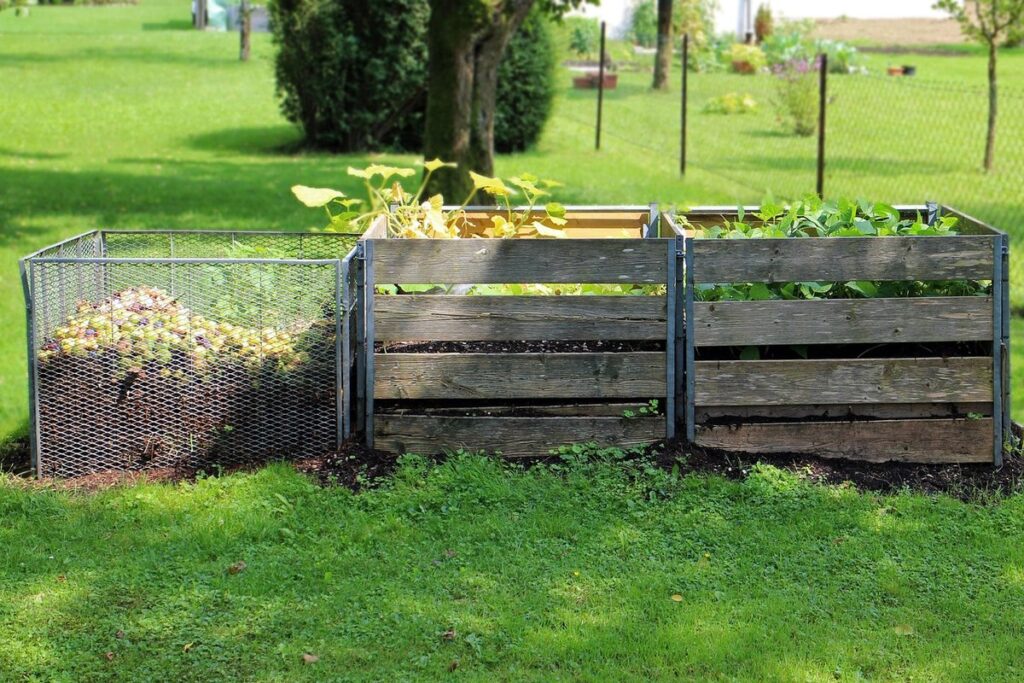
The Problem with Traditional Compost Bins
Traditional compost bins can be restrictive, difficult to turn, and even attract pests, making them a less-than-ideal solution for home waste management. Let’s take a closer look at their limitations.
Limited Space and Convenience
Traditional compost bins can be cumbersome to manage, especially in small spaces or for those with limited mobility. These bins often require a dedicated area for collection and decomposition, which can be challenging for urban dwellers or seniors living in compact homes.
Moreover, traditional compost bins can be heavy when filled, making it difficult to move them around for maintenance or turning the compost pile. This can lead to missed opportunities for aeration and nutrient-rich soil creation. For instance, a typical compost bin can weigh up to 50 pounds when full, which may be too heavy for someone with limited mobility.
To overcome these limitations, consider using a worm composter or vermicomposting system, which is compact, lightweight, and doesn’t require much space. These systems use red wiggler worms to break down food waste in a controlled environment, producing nutrient-rich compost without the need for manual turning or heavy lifting.
High Cost and Maintenance Requirements
Purchasing and maintaining a traditional compost bin can be a costly endeavor. The initial investment alone can range from $50 to over $200, depending on the size and quality of the bin. However, this is just the beginning, as regular maintenance is required to keep the composting process running smoothly.
This means that you’ll need to dedicate time each week to adding new materials, turning the pile, and monitoring moisture levels. If not done correctly, this can lead to unpleasant odors, pests, and even fires. A study by the University of California found that compost bin owners spend an average of 2-3 hours per week on maintenance tasks.
To put this into perspective, consider that you could be spending your weekend afternoon cooking up a storm in the kitchen or tending to your garden instead of tending to your compost pile. As we explore alternative solutions for home waste management, it’s essential to weigh these costs and time commitments against the benefits of a more streamlined composting process.
DIY Compost Alternatives: Using Everyday Items
While traditional compost bins can be pricey, you can create effective alternatives using everyday items you likely have lying around your home. Think old pallets, cardboard boxes, and more!
Upcycled Containers
When it comes to DIY composting, you don’t always need a fancy store-bought bin. Upcycled containers can be just as effective and eco-friendly. Take that old plastic storage bin collecting dust in the garage or a wooden crate from a move – give it a new life by turning it into a compost vessel.
Repurposing old containers not only reduces waste but also saves you money on purchasing a dedicated compost bin. Plus, it’s a great way to teach kids about recycling and creative reuse. Before using an upcycled container for composting, make sure it’s clean and dry. Remove any labels and wash it thoroughly with soap and water.
When choosing an upcycled container, consider its size and shape. A larger bin with a lid can be ideal for collecting scraps in the kitchen or from a large garden. Wooden crates, on the other hand, are great for adding carbon-rich materials like leaves and branches. Just drill some holes in the bottom to ensure airflow and prevent anaerobic conditions.
Some popular upcycled container options include:
• Plastic storage bins
• Wooden crates or pallets
• Old tubs or buckets with lids
• Wire mesh containers
When using an upcycled container, be mindful of odors and pests. Regularly turn the compost pile to aerate it, and add a layer of brown materials (like leaves or straw) to balance out the green scraps. With proper maintenance, your upcycled container can become a reliable and environmentally friendly composting solution.
Outdoor Composting Systems
Setting up an outdoor composting system is a fantastic way to reduce waste and create nutrient-rich soil for your garden. To get started, gather some basic materials like pallets or wire mesh, which can be easily sourced from local hardware stores or even repurposed from old furniture. A simple setup involves arranging the pallets in a square shape, leaving space in between for easy turning of the compost pile.
Proper airflow is crucial to prevent anaerobic conditions that lead to unpleasant odors and pests. To achieve this, ensure there are gaps of at least 2-3 inches between each layer of materials. You can also add wire mesh on top to allow for even better ventilation. Moisture control is another essential aspect; aim for a mix of “wet” and “dry” layers to maintain an optimal moisture level.
For example, if you’re using pallets, start with a dry layer at the bottom (like leaves or shredded newspaper), followed by a layer of food scraps or yard waste. Repeat this pattern until you’ve filled up the system. Regularly turn the pile every few days to prevent matting and ensure even decomposition. With proper setup and maintenance, your outdoor composting system will be churning out rich, earthy soil in no time!
Worm Composting: A Low-Maintenance Option
Worm composting is a low-maintenance alternative that’s perfect for small spaces and busy households, allowing you to turn food scraps into nutrient-rich fertilizer. Let’s dive in and explore its benefits.
Introduction to Vermicomposting
Vermicomposting is an innovative composting method that’s perfect for small spaces and high-waste environments. Also known as worm composting, this process uses red wiggler worms to break down food waste into a nutrient-rich fertilizer. If you’re tired of traditional compost bins taking up valuable space in your yard or dealing with the stench and mess associated with regular composting, vermicomposting is an attractive alternative.
In small spaces like apartments or condos, worm composting can be done indoors using compact systems that fit under sinks or on countertops. These systems typically consist of a bin or tray filled with bedding material (such as coconut coir or shredded newspaper), worms, and organic waste. The worms work tirelessly to break down the waste into a dark, crumbly compost known as vermicast.
Vermicomposting offers several benefits, including faster decomposition rates compared to traditional composting methods, reduced odors, and minimal space requirements. It’s also an ideal solution for high-waste environments like households with large families or pet owners who generate significant amounts of organic waste.
Setting Up a Worm Bin
Setting up a worm bin is a straightforward process that requires some basic knowledge and materials. First, choose a location for your worm bin that is well-ventilated, dark, and out of direct sunlight. The ideal temperature range for worms is between 55°F to 77°F (13°C to 25°C), so avoid placing the bin near heating or cooling vents.
Next, select the right type of worms for composting. Red wiggler worms (Eisenia fetida) are a popular choice due to their ability to break down organic matter efficiently and rapidly. You’ll need one to two pounds of worms per square foot of bin space. Add a 4-6 inch layer of bedding material, such as coconut coir or shredded newspaper, to the bin.
Maintain optimal conditions by adding food waste in moderation and keeping the bin moist but not waterlogged. Avoid overfeeding, which can lead to odors and pest issues. Monitor temperature and adjust the bin’s location accordingly. Regularly harvest the compost by sifting it through a wire mesh or removing mature castings from the bottom of the bin.
Compost Tea: A Liquid Solution for Plant Nutrition
Compost tea is a liquid fertilizer made by steeping compost in water, and it’s a game-changer for plant nutrition, providing an easily absorbable source of nutrients. We’ll delve into its benefits and uses next.
What is Compost Tea?
Compost tea is a liquid solution made by steeping compost in water, allowing the microorganisms and nutrients to infuse into the liquid. This process can take anywhere from 24 to 48 hours, depending on the desired strength of the tea. By brewing compost in this way, you’re creating a nutrient-rich liquid that’s packed with beneficial microbes that will help your plants thrive.
Compost tea is often referred to as an “extract” because it captures the essence of the compost, releasing its active ingredients into a liquid form. This makes it easier for plants to absorb these nutrients compared to traditional composting methods where microorganisms are still in their dormant state. To use compost tea as an alternative to traditional composting, you can simply pour the liquid over your soil or use it as a foliar spray on your plants.
One of the benefits of using compost tea is that it’s a more targeted approach compared to spreading compost directly on your soil. By infusing the nutrients into a liquid solution, you’re allowing them to penetrate deeper into the soil where they can be utilized by plant roots more effectively.
Making and Using Compost Tea
Creating compost tea at home is a great way to provide your plants with essential nutrients without using chemical-based fertilizers. To make compost tea, you’ll need a bucket or container with a lid, some water, and a handful of finished compost. The basic recipe involves steeping 1-2 cups of compost in 5 gallons of water for 24 hours. This process allows the beneficial microbes to break down into a liquid solution that’s rich in nutrients.
You can customize your compost tea by adding other ingredients like worm castings, kelp meal, or fish bone meal. For example, using worm castings will increase the nitrogen levels, while kelp meal adds a boost of micronutrients. When using compost tea, make sure to stir it well before applying it to your plants and use it within 24 hours.
Tips for effective use include starting with small batches to monitor the results and adjusting the recipe based on your plant’s specific needs. Additionally, consider brewing multiple batches at once to save time in the long run. By incorporating compost tea into your gardening routine, you’ll be able to reduce waste, promote healthy soil ecosystems, and enjoy a bountiful harvest.
Bokashi Composting: A Fermentation-Based Approach
If you’re looking for a low-maintenance composting solution that’s rich in nutrients, bokashi composting is worth exploring. This fermentation-based approach breaks down food waste quickly and efficiently.
Understanding the Bokashi Process
Bokashi composting is a unique and efficient approach to managing household waste. Unlike traditional composting methods that break down organic matter through aerobic processes, bokashi uses fermentation to turn high-nitrogen waste into nutrient-rich compost. This process involves adding microorganisms specifically designed for bokashi to the waste, which then ferment it in an anaerobic environment.
The key to bokashi’s success lies in its ability to handle high-nitrogen waste, such as meat and dairy products, that would otherwise be too rich for traditional compost piles. These microorganisms consume nitrogenous compounds and convert them into beneficial nutrients like nitrogen, phosphorus, and potassium. The fermentation process typically takes 1-2 weeks, depending on the size of the batch and environmental conditions.
To get started with bokashi composting, you’ll need a bokashi bin or container with a tight-fitting lid to create an anaerobic environment. Simply add your high-nitrogen waste to the bin along with microorganisms, and let the fermentation process begin. After 1-2 weeks, add water and continue to ferment for another week before transferring the mixture to a traditional compost pile or using it as is in your garden.
Implementing a Bokashi System
Implementing a bokashi system is a straightforward process that requires some initial setup and ongoing maintenance. To get started, you’ll need to purchase a bokashi bin specifically designed for fermentation-based composting. These bins usually come with a lid, a tap for draining the liquid, and a separate container for the finished compost.
When setting up your bokashi system, it’s essential to choose the right ingredients. The ideal mix consists of 2/3 food scraps (fruits, vegetables, grains) and 1/3 “activators” (bokashi microbe powder or wheat bran). You can add other materials like tea bags, coffee grounds, and eggshells in moderation. Monitor your progress by checking the bin’s pH level regularly – it should be slightly acidic (around 6.5). Every few days, tap out the liquid and use it as a fertilizer for your plants.
Regular maintenance involves adding new ingredients, mixing them well, and ensuring adequate moisture levels. Aim for a consistency similar to wet soil. Over time, you’ll notice the bokashi mixture turning into a dark, crumbly compost.
Buying vs. Making: When to Invest in Commercial Alternatives
When it comes to managing your home waste, you may wonder whether it’s better to buy a commercial compost bin or make one yourself – we’ll explore the pros and cons of each approach.
Evaluating Commercial Options
When considering commercial compost bin options, it’s essential to evaluate their pros and cons. One significant advantage of purchasing a commercial compost bin is convenience – many come with easy assembly and maintenance instructions, reducing the hassle of setting up and managing a DIY solution.
However, this increased ease often comes at a higher price point. Commercial bins can range from around $50 to over $200, depending on size and features. While some may find the upfront cost justifiable for the peace of mind that comes with a pre-made bin, others might prefer to allocate their budget elsewhere.
Another crucial factor is environmental impact. Look into the materials used in construction – are they eco-friendly, sustainably sourced, or recyclable? Some commercial bins also have built-in features like odor control and pest resistance, which can be beneficial for urban gardeners or those with limited space.
Ultimately, weigh your priorities: are you willing to invest in a convenient, hassle-free solution, even if it means a higher upfront cost? Or would you rather allocate your budget towards purchasing quality composting materials or investing in a DIY bin project that’s more environmentally friendly and cost-effective.
Choosing the Right Product for Your Needs
When choosing a compost bin alternative, it’s essential to consider your individual circumstances and specific waste management needs. If space is limited, a compact or wall-mounted option might be the best fit. These types of bins can be easily mounted on a fence, wall, or even a balcony railing, making them perfect for small gardens or urban homes.
On the other hand, if you have a larger garden or produce significant amounts of organic waste, a more substantial bin with increased capacity would be necessary. Consider factors such as the size and weight of the bin, as well as its material composition and durability.
Additionally, think about your specific waste management needs. For example, do you need a bin that can handle large quantities of food waste? Or one that is designed for odor control? Answering these questions will help you narrow down your options and choose a product that suits your lifestyle and waste generation habits. Research different products, read reviews, and consult with experts if needed to ensure you find the right fit for your needs.
Conclusion: Finding the Perfect Compost Bin Alternative
Now that you’ve explored various compost bin alternatives, it’s time to tie everything together and find the perfect solution for your home. We’ll summarize the key takeaways from our discussion.
Recap of Options Discussed
In this article, we’ve explored various compost bin alternatives that can help you manage home waste more efficiently. We discussed using vermicomposting bins, which utilize worms to break down food waste into nutrient-rich fertilizer. These bins are ideal for small spaces and produce a high-quality compost.
We also looked at bokashi bins, which use microorganisms to ferment food waste, resulting in a liquid fertilizer and compost tea. Bokashi bins are perfect for households with limited outdoor space and can handle meat and dairy products.
Furthermore, we discussed the option of using compost piles or windrows, which involve piling organic materials in a specific way to speed up decomposition. This method requires more space but is a cost-effective alternative to traditional compost bins.
Additionally, we touched on using DIY composting methods, such as using old containers or bags to create makeshift composting systems. These alternatives are great for those who want to get creative and experiment with different approaches to home waste management.
Encouraging Experimentation and Innovation
As you’ve explored various compost bin alternatives, remember that finding the perfect solution is a process of experimentation. Don’t be afraid to try new methods and adapt them to suit your unique needs and lifestyle. Experimentation is key to discovering what works best for you.
Consider starting small by trying out different configurations or arrangements in your yard or garden. For instance, you could try using a worm composter in one corner and a bokashi bin in another. This allows you to see which method breaks down food waste most efficiently without overwhelming your space.
If you’re feeling more ambitious, consider hosting a “compost challenge” with friends or family members. Choose different composting methods and see how they compare over a set period of time. Not only will this help you find the best solution for your needs but it’ll also provide valuable insights into what works (and what doesn’t) in real-world applications.
Remember, there’s no one-size-fits-all approach to composting. What works for someone else may not work for you, and that’s perfectly okay. The most important thing is finding a method that fits your lifestyle, budget, and space constraints.
Frequently Asked Questions
How do I ensure optimal decomposition in my upcycled container?
Regularly turn the compost pile, maintain a mix of green and brown materials, and keep it moist but not waterlogged. Monitoring temperature is also essential to achieve effective decomposition.
Can I use these alternative composting methods indoors?
Yes, worm composting and bokashi fermentation can be done indoors, making them ideal for urban dwellers or those with limited outdoor space. However, proper ventilation and odor management are crucial when using these methods inside.
How do I manage pests in my DIY compost bin?
To minimize pest issues, maintain a balanced carbon-to-nitrogen ratio, avoid adding meat and dairy products, and ensure good air circulation within the bin. You can also use physical barriers or repellents specifically designed for pest control.
Can I use commercial compost tea bags instead of making my own?
While convenient, relying solely on commercial compost tea bags might limit your control over the nutrient content and potential contaminants. Making your own compost tea using a proper brewing process allows you to tailor the nutrient profile to your specific plants’ needs.
How often should I harvest and replenish worm castings from my indoor worm bin?
Worm castings are typically ready for harvesting after 2-3 months, depending on factors like temperature, moisture, and worm population. It’s essential to regularly monitor and maintain a balanced feeding schedule to ensure consistent output and prevent overpopulation.