
Getting the most out of your compost bin requires more than just throwing in some food scraps. Proper airflow is crucial to ensure that those nutrients get broken down efficiently, and aeration methods can make all the difference. But how do you know if your compost bin has enough air circulation? And what are the best ways to improve it? In this article, we’ll dive into the world of compost bin aeration, exploring different types of methods and DIY solutions that will take your composting game to the next level. From understanding the importance of airflow to learning how to create optimal conditions for decomposition, we’ve got you covered with our comprehensive guide on proper airflow and aeration techniques for maximum results.
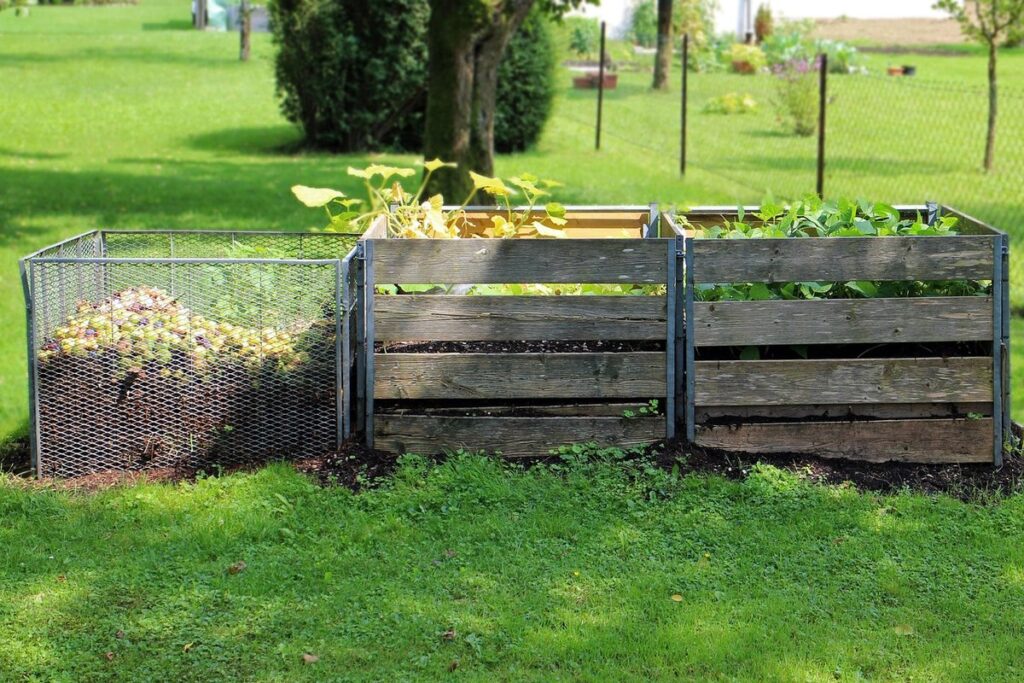
Benefits of Adequate Aeration in Compost Bins
Proper aeration is crucial for efficient composting, and it’s not just about preventing unpleasant odors – adequate airflow also boosts nutrient-rich benefits in your finished compost.
Importance of Oxygen in the Composting Process
Oxygen plays a crucial role in the composting process, and its absence can hinder decomposition. Microorganisms, which are responsible for breaking down organic matter, require oxygen to thrive. In fact, aerobic microorganisms, such as bacteria and fungi, outcompete their anaerobic counterparts by up to 10 times when oxygen is present.
Temperature control is another area where oxygen is essential. As microorganisms consume oxygen, they release heat, which raises the compost pile’s temperature. This process can reach temperatures of up to 160°F (71°C), killing pathogens and weed seeds. However, anaerobic conditions can lead to reduced temperatures, slowing down decomposition.
To ensure adequate oxygen levels in your compost bin, maintain a mix of “green” materials (high in nitrogen) with “brown” materials (high in carbon). This balance promotes microbial activity, allowing for efficient breakdown of organic matter and optimal temperature control. Aim for a moisture level between 50-60%, as excessive dampness can smother oxygen-starved areas within the pile. Regular turning or mixing of the compost will also help to distribute oxygen evenly throughout the pile.
Effects of Inadequate Aeration on Compost Quality
When inadequate aeration is present in compost bins, it can have far-reaching negative impacts on the quality of the final product. One of the primary effects is an imbalance in the carbon-to-nitrogen (C:N) ratio. This essential balance allows for efficient decomposition and prevents the growth of unwanted microorganisms. Without sufficient airflow, the C:N ratio becomes skewed, leading to a buildup of ammonia and other volatile compounds that can damage plants if not properly broken down.
Moreover, inadequate aeration creates an ideal environment for pathogens to thrive. These unwelcome guests can include bacteria like E. coli and Salmonella, which pose health risks when ingested. The unpleasant odors often associated with poorly ventilated compost bins are also a result of excessive moisture and the presence of anaerobic microorganisms.
To maintain optimal composting conditions, ensure your bin receives adequate airflow by adding more green materials or mixing the pile regularly. This balance will help to prevent these negative effects and promote a healthy, thriving ecosystem within your compost bin.
Types of Compost Bin Aeration Methods
There are several ways to implement aeration methods within your compost bin, each with its own unique benefits and requirements for optimal airflow. In this section, we’ll explore the most common types of aeration systems used in composting.
Passive Aeration Techniques
Passive aeration methods provide an effective way to introduce oxygen into your compost bin without manual intervention. These techniques rely on the natural flow of air within the bin, creating a gentle exchange of gases that sustains microorganisms’ growth.
One common passive aeration method is using bottom vents or doors. These allow air to enter from the bottom, promoting a consistent and controlled airflow throughout the pile. By positioning the vent near the base, you create a gentle suction effect that pulls in oxygen-rich air while allowing carbon dioxide and heat to escape. This technique ensures that your compost receives sufficient oxygen, even when you’re not actively turning or aerating it.
Another passive aeration method is incorporating side vents or windows into your bin’s design. These provide an additional entry point for air, promoting cross-ventilation within the pile. By carefully balancing airflow with moisture levels and carbon-to-nitrogen ratios, you can maintain optimal conditions for decomposition to occur efficiently.
When implementing passive aeration methods, remember to monitor your compost regularly to ensure that it remains well-oxygenated and free-flowing.
Active Aeration Techniques: Fans and Blowers
When it comes to active aeration systems, fans and blowers are two of the most popular options for circulating air within the compost bin. These devices work by blowing air into the bin, creating a negative pressure zone that pulls oxygen-rich air in and stale air out.
Fans and blowers can be powered by electricity or manual operation, making them suitable for both indoor and outdoor applications. Electric fans are convenient and easy to use, while manual blowers provide a more hands-on approach and can be especially useful for small-scale composting projects.
A common configuration is to install the fan at the bottom of the bin, drawing air in from the base and circulating it throughout the contents. This setup helps maintain optimal moisture levels and prevents anaerobic conditions. By incorporating active aeration techniques with fans or blowers, you can ensure your compost pile receives adequate oxygen and breaks down efficiently.
Some popular types of fans used for composting include:
* Centrifugal fans: Versatile and easy to clean
* Axial fans: Suitable for larger bins and high airflow requirements
* Reciprocating fans: Compact and energy-efficient
Design Considerations for Aeration in Compost Bins
To ensure your compost bin is well-ventilated, let’s dive into the design considerations that will help you optimize airflow and prevent anaerobic conditions from developing. This includes choosing the right bin size and shape.
Bin Size and Shape for Optimal Airflow
When it comes to designing a compost bin that maximizes airflow, the size and shape of the bin itself play a crucial role. A well-designed bin can help ensure that oxygen reaches every part of the compost pile, promoting healthy microbial activity and preventing anaerobic conditions.
To optimize airflow, consider the width, length, and height of your compost bin. A bin with too narrow a width (less than 3-4 feet) can lead to congestion and reduced airflow, while one that’s too wide (over 6 feet) may require excessive space for turning and maintenance. Aim for a balance between these two extremes.
The material used to construct the bin also affects airflow. A smooth-surfaced bin made of materials like plastic or metal allows for better air circulation than a rough-textured bin constructed from wood or other porous materials. Additionally, consider adding features like mesh panels or slotted sides to increase ventilation and ensure that oxygen reaches the center of the pile.
When choosing a compost bin, prioritize airflow in your design decisions to avoid costly mistakes and create an optimal environment for decomposition.
Material Selection for Breathability and Durability
When selecting materials for your compost bin, it’s crucial to strike a balance between breathability and durability. Materials that allow for air circulation are essential for maintaining optimal airflow within the bin, while those providing structural integrity ensure that the bin can withstand various environmental conditions.
Consider using wooden pallets or wire mesh as these materials offer excellent breathability while also being robust enough to support the weight of composting materials. Avoid using materials like plastic or metal, which can trap heat and moisture, hindering airflow. It’s also essential to choose materials with adequate space between the bars or slats for air to pass through.
A good rule of thumb is to ensure that at least 10-15% of the bin’s surface area is open to allow for sufficient airflow. This can be achieved by using a combination of breathable and durable materials, such as wooden boards with wire mesh inserts. By carefully selecting materials that prioritize both breathability and durability, you’ll create an optimal environment for aerobic composting processes to occur efficiently.
DIY Compost Bin Aeration Solutions
If you’re looking for ways to boost airflow in your compost bin without breaking the bank, we’ve got you covered with these easy-to-make aeration solutions. From twine to pipes, discover your options here.
Upcycled Materials for Aeration Modifications
One of the most creative and cost-effective ways to improve airflow in your compost bin is by repurposing common household items. Think beyond the usual materials and get resourceful with what you already have at home. For instance, old pallets can be upcycled into a unique aeration system. Simply place the pallet near the base of your compost bin or drill holes through it to create a makeshift grate that allows for air circulation.
Wire mesh is another versatile material that can be used as an aeration solution. You can attach it to the sides or bottom of your compost bin using wire, screws, or even twine. This will allow oxygen-rich air to enter and help speed up the decomposition process. Remember to leave gaps of about 1-2 inches between the mesh for optimal airflow.
Another creative option is to use an old window screen or a piece of hardware cloth as a grate. You can place it on top of your compost bin or attach it to the sides using wire or screws. This will allow air to enter and help maintain a healthy balance within your compost pile. Get creative with what you have at home, and watch your composting process transform into a thriving ecosystem.
Repurposing Existing Bins with Aeration Additions
If you already have a compost bin but are struggling with inadequate airflow, repurposing it with aeration additions can be an effective solution. This method is perfect for those on a budget or who don’t want to start from scratch.
To begin, assess your existing bin’s design and identify areas where air can be introduced more efficiently. Consider adding slotted panels, mesh screens, or perforated plastic sheets to increase airflow. You can also drill strategically located holes into the bin’s walls or bottom for improved ventilation.
Another creative solution is to incorporate aeration tubes or pipes that allow oxygen-rich air to flow through the compost pile while keeping out pests and rodents. Attach these tubes to your existing bin’s walls or create a separate chamber within the bin for enhanced airflow.
Remember, when introducing new aeration features, ensure they don’t compromise the bin’s structural integrity. Regularly inspect your modified bin and make adjustments as needed to maintain optimal airflow.
Troubleshooting Common Aeration Issues
If you’re experiencing issues with aeration in your compost bin, don’t worry – we’ve got you covered. This section will walk you through common problems and solutions to get your bin back on track.
Identifying and Resolving Clogged Vents or Airflow Obstructions
Identifying and resolving clogged vents or airflow obstructions is crucial to maintaining optimal composting conditions. Clogged vents can be caused by a variety of factors such as debris accumulation, poor bin design, or inadequate maintenance.
To identify clogged vents, inspect the bin regularly for signs of blockages. Look for areas where air might not be flowing freely and check if there are any obstructions in the vent holes. You can also check the compost’s temperature to see if it’s within the optimal range (130°F – 140°F). If it’s consistently lower than usual, this could indicate poor airflow.
To resolve clogged vents or blocked airflow, start by gently cleaning out any debris that may be blocking the vents using a soft brush or your hands. If the blockage is more severe, you can use a garden hose to rinse away any stubborn material. Regularly inspecting and maintaining the bin’s ventilation system will help prevent clogs from forming in the future. Additionally, ensure that the bin has sufficient airflow by not overfilling it and leaving enough space for air to circulate between layers of materials.
Maintaining Healthy Compost through Regular Turning and Monitoring
Regular turning and monitoring of your compost pile are crucial steps in maintaining healthy aeration. This process allows for the exchange of oxygen and carbon dioxide, which is essential for the decomposition process to occur efficiently.
When you turn your compost, you’re essentially giving it a “breathing” break by redistributing heat, moisture, and microorganisms throughout the pile. This helps to prevent anaerobic conditions from developing, where oxygen is depleted and decomposition slows down or even stops. Aim to turn your compost every 7-10 days during the active phase of decomposition.
Monitoring your compost’s moisture levels is also vital in maintaining healthy aeration. If it becomes too dry, microorganisms will struggle to break down organic matter effectively. Conversely, if it becomes too wet, anaerobic conditions can develop, leading to unpleasant odors and slowed decomposition. Aim for a mix that’s roughly 50-60% of the pile being moist, with the remaining portion being well-draining.
By turning your compost regularly and monitoring its moisture levels, you’ll be able to maintain optimal aeration, ensuring your compost breaks down efficiently and effectively.
Additional Tips for Maximizing Aeration in Compost Bins
To further enhance your composting results, we’ll now explore additional tips and tricks for maximizing aeration in your compost bin to promote efficient decomposition.
Seasonal Adjustments for Optimal Composting
As you work to maintain optimal compost bin aeration throughout the year, it’s essential to consider seasonal adjustments. During different times of the year, temperature and moisture levels fluctuate, which can significantly impact your composting process.
In warmer months, temperatures often soar, causing microorganisms to multiply rapidly. To prevent overheating and anaerobic conditions, aim for increased aeration by turning or mixing your compost more frequently. This will help facilitate oxygen flow and maintain the ideal temperature range of 130-140°F (54-60°C) for efficient decomposition.
Conversely, during winter months, temperatures drop, and moisture levels tend to increase. To combat this, reduce aeration by minimizing turning or mixing, allowing the compost to retain its natural insulation properties. Monitor your compost’s moisture content closely, ensuring it remains in the optimal range of 50-60% to prevent soggy conditions.
By adapting your aeration techniques to seasonal changes, you’ll be able to maintain a healthy balance between oxygen flow and microbial activity, ultimately resulting in high-quality compost.
Integrating Aeration into Existing Composting Routines
Integrating aeration into existing composting routines can be done seamlessly with a few simple adjustments. When adding aeration to an already established routine, start by identifying the areas of your bin that need improvement. Check for blockages, and ensure the aerator or turner is working efficiently.
Begin by increasing the frequency of turning your compost pile. This will not only introduce oxygen but also help break down the materials more quickly. Aim to turn your pile every 2-3 days during the initial stages of decomposition. As the process progresses, you can gradually reduce the frequency to once a week.
Another approach is to supplement existing aeration methods with additional techniques. For example, you could try using a compost aerator or incorporating physical movement into your routine. Simply walking over the pile and stepping on it gently can introduce oxygen while also mixing the materials.
Frequently Asked Questions
How do I know if my compost bin is receiving adequate aeration?
To assess airflow, check for moisture levels, odors, and temperature fluctuations. If your compost bin feels excessively damp or has strong unpleasant smells, it may be lacking proper aeration.
What’s the ideal ratio of carbon-rich materials to nitrogen-rich materials for optimal aeration?
A general rule is to maintain a mix of 2/3 “brown” materials (dried leaves, straw) and 1/3 “green” materials (food scraps, grass clippings). This balance promotes healthy microbial growth and efficient decomposition.
Can I use compost bin liners or bags for added aeration?
While liners can help with cleanliness, they may hinder airflow by covering some of the aeration holes. It’s best to maintain some exposure of the material inside the bin for optimal oxygen flow.
How often should I turn my compost pile to ensure proper aeration?
Regular turning (about once a week) helps distribute heat and microorganisms evenly throughout the pile, ensuring adequate oxygen levels and preventing anaerobic conditions.
What are some common mistakes people make when implementing passive aeration techniques?
One common mistake is neglecting to position the bin in an area with good airflow. Ensure your compost bin is placed near windbreaks or in an open area to maximize passive aeration benefits.