
Are you tired of struggling with smelly, anaerobic compost piles that don’t seem to be breaking down properly? Aeration is key to creating nutrient-rich soil for your garden, but it can be a challenge to get right. When oxygen levels in compost are low, microorganisms can’t do their job effectively, leading to stalled decomposition and a lack of fertility in the resulting soil. In this article, we’ll explore expert-approved methods for aerating your compost piles, including mechanical and physical techniques that will boost oxygen flow and vermicomposting – the art of using worms to break down organic matter. We’ll delve into the benefits of each method and provide practical tips on how to implement them in your own garden or backyard composting setup.
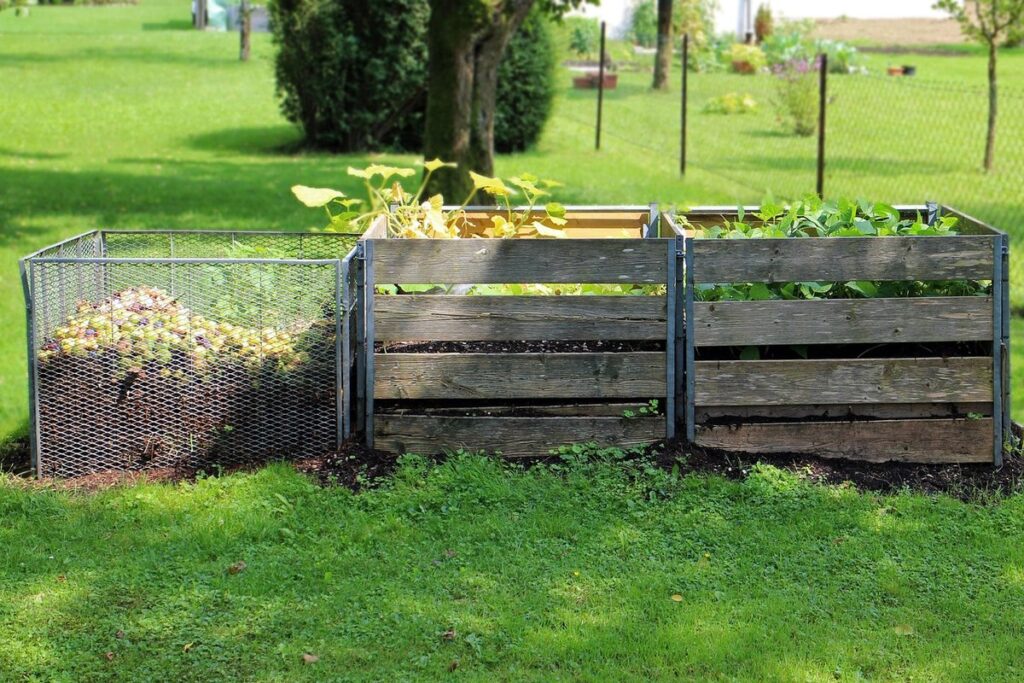
Understanding the Importance of Aeration in Composting
Aeration is a crucial aspect of composting, as it helps to break down organic matter and prevent anaerobic conditions that can lead to odors and pathogens. Let’s explore its importance in detail.
The Role of Oxygen in Microbial Breakdown
Oxygen is the unsung hero of compost piles. While we often focus on carbon-rich “green” materials and nitrogen-rich “brown” materials, oxygen plays a crucial role in facilitating microbial growth, decomposition, and nutrient release. In fact, aerobic microorganisms – those that thrive in oxygen-rich environments – are responsible for breaking down complex organic matter into the building blocks of soil fertility.
When oxygen is present in adequate amounts, microorganisms multiply rapidly, consuming carbon-based compounds and releasing CO2 as a byproduct. This process not only reduces odors but also enhances the decomposition rate. Moreover, aerobic respiration releases nutrients like nitrogen, phosphorus, and potassium, making them available to plants. To optimize oxygen levels in your compost pile, ensure adequate airflow by turning the pile regularly, using wire mesh or slats for aeration, or even incorporating oxygen-rich materials like shredded newspaper or cardboard. By providing sufficient oxygen, you’ll unlock the full potential of your composting process and create nutrient-dense soil for healthier plants.
Common Problems Caused by Lack of Aeration
Lack of aeration can lead to some serious problems in composting. One of the most significant issues is the development of anaerobic conditions, where oxygen levels are too low for beneficial microorganisms to thrive. This can result in the production of foul odors and toxic gases like ammonia and methane.
When aeration is inadequate, the carbon-to-nitrogen (C:N) ratio can become imbalanced, leading to reduced decomposition rates and inefficient nutrient cycling. Imagine having to handle a compost pile that’s producing unpleasant smells and taking longer than expected to break down organic matter – it’s not only unpleasant but also affects the overall quality of your finished compost.
To avoid these issues, regular monitoring of moisture levels is crucial. Aim for a balance between dryness (to prevent anaerobic conditions) and dampness (to maintain microbial activity). Turning the pile regularly, especially during the initial decomposition phase, can help to improve oxygen flow and ensure that microorganisms have sufficient access to air. This simple yet effective technique can make all the difference in maintaining healthy compost piles.
Benefits of Proper Aeration for Compost Quality
Proper aeration is crucial for producing high-quality compost that effectively supports soil health and fertility. Well-aerated compost boasts several key advantages over poorly aerated alternatives. Firstly, it possesses an ideal structure, making it easier to incorporate into the soil. This improved texture allows roots to penetrate more easily, promoting healthy plant growth.
A well-oxygenated environment within the compost pile fosters increased microbial activity. Microorganisms break down organic matter at a faster rate when sufficient oxygen is present. This accelerated decomposition process not only saves time but also enhances nutrient availability for plants. In fact, studies have shown that aerated compost contains up to 20% more available nutrients compared to its poorly ventilated counterpart.
Furthermore, proper aeration minimizes the risk of anaerobic conditions developing within the compost pile. When left unchecked, these conditions can lead to unpleasant odors and potentially toxic compounds being released into the environment. By maintaining adequate airflow, you can enjoy the many benefits of composting while ensuring your finished product is safe for use in your garden.
Mechanical Aeration Techniques for Compost Piles
When it comes to mechanical aeration, there are several techniques you can use to add oxygen and improve airflow within your compost pile. Let’s explore some of these methods together.
Turning and Flipping: Basic Principles and Practices
Turning and flipping are fundamental practices for introducing oxygen into compost piles and accelerating decomposition. By regularly aerating the pile, you’ll create an optimal environment for microorganisms to thrive, breaking down organic matter efficiently.
When turning a compost pile, aim to move about one-third of the material to the top. This helps in mixing and redistributing heat, moisture, and carbon-rich materials evenly throughout the pile. For instance, if your pile is 3 feet high, turn it by moving one foot of material from the bottom to the top.
As for flipping, it’s a more aggressive method that involves rotating the entire pile on its axis. This technique is ideal when dealing with very large piles or those with a significant carbon-to-nitrogen ratio imbalance. To flip your compost, carefully position a shovel or loader at one end of the pile and slowly rotate it, bringing the opposite end to the starting point.
Regular turning (every 7-10 days) and flipping (as needed) will help maintain a well-oxygenated environment, promoting efficient decomposition and minimizing odors. This ensures your compost is rich in nutrients, ready to improve soil health and fertility when applied.
Using Tools for Efficient Aeration: Forks, Shovels, and More
When it comes to manual aeration techniques for compost piles, having the right tools can make all the difference. Among the most common and effective tools are pitchforks, garden forks, and shovels.
Pitchforks, with their long tines, are perfect for breaking up compacted material at the bottom of the pile. They allow you to gently turn over a large volume of compost in one go, making them an efficient choice for larger piles. To use a pitchfork effectively, start by inserting the tines into the center of the pile and then gently twisting and pulling the fork towards you. This will help loosen the material without causing it to break apart.
Garden forks are another versatile option for manual aeration. Their shorter tines make them ideal for smaller piles or areas where space is limited. They’re also great for turning over finer materials like leaves or grass clippings. To use a garden fork, follow the same twisting and pulling motion as with a pitchfork.
Shovels are another essential tool in your composting arsenal. They come in various shapes and sizes, so choose one that suits your needs. A square-edged shovel is best for turning over large volumes of compost, while a round-edged shovel is better suited for finer materials like leaves or mulch. When using a shovel, aim to turn the pile every 7-10 days to maintain optimal oxygen levels.
Remember to always use caution when handling these tools, as they can be heavy and unwieldy. Wear gloves to protect your hands from sharp edges and pointy tines. By incorporating these tools into your composting routine, you’ll be well on your way to creating rich, fertile soil that’s teeming with life.
Automated Solutions for Large-Scale Composting Operations
When it comes to large-scale composting operations, manually turning piles is often not feasible due to time and labor constraints. This is where automated solutions come into play, offering a more efficient and scalable approach to aerating compost.
Aerators, turners, and conveyor systems are common mechanized options for large-scale composting. Aerators use rotating blades or tines to loosen and mix the compost, while turners use a rotating drum to turn the pile in a single operation. Conveyor systems transport the compost through a series of belts or conveyors, allowing for continuous aeration.
Benefits of these automated solutions include increased efficiency, reduced labor costs, and improved consistency in the final product. However, they can be expensive upfront investments and require regular maintenance to ensure optimal performance. It’s essential to consider factors such as site layout, material handling requirements, and operator training when selecting an automated solution for your operation. By choosing the right equipment and implementing proper maintenance routines, you can optimize compost aeration and produce high-quality finished products.
Physical Aeration Methods: Incorporating Bulking Agents and Materials
When it comes to aerating your compost pile, incorporating bulking agents and materials is a simple yet effective way to promote airflow and speed up decomposition. Let’s explore some popular options you can try at home.
The Role of Bulking Agents in Maintaining Porosity
When it comes to maintaining porosity and ensuring adequate aeration in compost piles, bulking agents play a crucial role. These agents, such as wood chips or straw, serve multiple purposes that contribute to the overall health of the compost.
Firstly, bulking agents help to maintain the optimal moisture level within the compost pile by allowing for air to pass through while preventing water from accumulating. This balance is essential for promoting aerobic decomposition, which in turn supports healthy microbial growth. For instance, using wood chips can increase the porosity of the compost pile by 30-40%, enabling more efficient airflow and reducing the risk of anaerobic conditions.
Additionally, bulking agents provide a structure within the compost pile that facilitates easy mixing and prevents matting or bridging. This mechanical advantage helps to distribute heat evenly throughout the pile, further promoting microbial activity. When selecting bulking agents, consider materials with high carbon-to-nitrogen ratios, such as straw or shredded newspaper, which will help balance the nitrogen levels in the compost.
When using bulking agents, aim for a mix of 20-30% bulking agent to 70-80% compost material. This ratio ensures that the bulking agents do not dominate the pile’s composition while still providing adequate support for aeration and decomposition. By incorporating bulking agents into your composting process, you can create an optimal environment for healthy microbial growth, resulting in nutrient-rich compost that boosts soil fertility.
Using Permeable Materials to Enhance Oxygen Flow
When it comes to creating an optimal environment for composting, oxygen circulation is key. However, achieving this can be challenging, especially in dense piles. One effective way to improve air exchange and stimulate microbial activity is by incorporating permeable materials into the mix.
Consider using coconut coir or paper products as bulking agents. These porous materials allow excess moisture to escape while promoting airflow within the compost pile. They also help to maintain a consistent temperature, which is essential for decomposition.
Using a combination of coarse and fine materials can also enhance oxygen flow. For example, mixing shredded newspaper with compostable food waste creates a well-oxygenated environment. By balancing particle size and porosity, you can create an ideal habitat for microorganisms to thrive.
Remember to add these permeable materials in moderation – about 10-20% of the total pile volume – to avoid over-diluting the compost. This will ensure that your pile remains healthy and fertile, with adequate oxygen levels to support the entire decomposition process.
Optimizing Bulking Agent Ratios for Effective Aeration
When it comes to incorporating bulking agents into your compost pile, getting the right ratio is crucial for effective aeration. The ideal carbon-to-nitrogen (C:N) ratio will vary depending on the specific materials you’re using, but a general rule of thumb is to aim for 2/3 “brown” materials (high in carbon) and 1/3 “green” materials (high in nitrogen).
To optimize your bulking agent ratios, consider factors such as pile moisture content. If your compost pile is too wet, you may need to add more bulking agents like straw or shredded newspaper to absorb excess moisture and improve airflow. On the other hand, if your pile is too dry, adding green materials like food scraps or grass clippings can help increase nitrogen levels.
A good starting point is to aim for a C:N ratio of 25:1. For example, if you’re using 100 pounds of leaves (high in carbon), you’ll need about 4-5 pounds of high-nitrogen materials like grass clippings or blood meal to balance it out. Keep in mind that this is just a rough estimate, and you may need to adjust the ratio based on your specific composting conditions.
Composting with Worms: Vermicomposting Techniques for High-Quality Castings
Let’s dive into vermicomposting, a unique composting method that uses worms to break down food waste and create nutrient-rich castings perfect for your garden. With the right techniques, you can harvest high-quality worm castings in no time.
Setting Up a Successful Vermicomposting System
To set up a successful vermicomposting system, you’ll need to choose a suitable location for your worm composting bin. This should be a spot with good air circulation and easy access for monitoring and maintenance. Avoid areas that are prone to flooding or where pets may try to get into the bin.
Next, prepare your materials by acquiring a suitable container or bin specifically designed for vermicomposting. Drill some holes in the bottom of the bin for drainage and add a layer of bedding material such as shredded newspaper or coconut coir. This will provide a comfortable habitat for your worms.
When introducing worms to your new system, start with a small number (about 1-2 pounds) and gradually increase their population as they multiply. Add food waste in moderation, making sure not to overfeed the worms. Keep the bin moist but not waterlogged, and maintain an optimal temperature range between 55°F and 77°F for best results.
Remember, patience is key when setting up a vermicomposting system. It may take some trial and error to get it right, but with proper care and maintenance, you’ll be rewarded with high-quality castings that are rich in nutrients and perfect for boosting soil health and fertility.
Maintaining Optimal Conditions for Healthy Worm Populations
Maintaining optimal conditions for healthy worm populations is crucial to efficient decomposition and high-quality castings. Temperature, moisture, and pH levels are the key parameters to monitor and control.
Temperature-wise, worms thrive between 55°F to 77°F (13°C to 25°C). Temperatures above or below this range can be detrimental to their health. You can use a thermometer to check the temperature of your worm bin, and adjust it by adding insulation or moving the bin to a more suitable location.
Moisture levels should be maintained between 80% to 90%. This means ensuring that the worm bedding is consistently damp but not waterlogged. Overwatering can lead to anaerobic conditions, which are detrimental to worms and decomposition. On the other hand, underwatering can slow down the decomposition process.
pH levels should also be monitored, aiming for a range between 6.5 and 7.5. Worms can tolerate some fluctuations in pH but extreme levels can harm them. Regularly checking these parameters will ensure that your worm population remains healthy and thriving, leading to efficient decomposition and high-quality castings.
Harvesting and Using Vermicompost: Castings for Enhanced Soil Fertility
Harvesting and using vermicompost effectively is crucial for reaping its benefits. When the worms have broken down the compost materials into a rich, dark liquid, it’s time to harvest the castings. This can be done every 7-10 days by opening the worm bin and sifting out the castings with a fine-mesh sieve or cheesecloth. The liquid that remains in the bin is known as leachate and should be applied to the soil or reused for another batch of composting.
To use vermicompost, mix 2-4 inches of it into the top 6-8 inches of soil before planting. This will improve soil structure, increase nutrient availability, and support beneficial microbial life. Alternatively, you can apply a thin layer (about 1/4 inch) directly to the surface around plant roots for an immediate boost.
Some key considerations when using vermicompost include:
* Start with small amounts (about 10-20% of soil volume) to avoid overloading the soil
* Mix it well into the existing soil to ensure uniform distribution
* Consider adding other organic amendments, like finished compost or manure tea, for an even greater boost
Managing Moisture Levels in Compost Piles for Efficient Aeration
Effective compost aeration relies on maintaining optimal moisture levels, which can be tricky to get right – especially during hot summer months when piles tend to dry out quickly.
Monitoring and Controlling Moisture Content
Monitoring moisture levels is crucial for maintaining optimal conditions that support microbial activity, aeration, and carbon-to-nitrogen ratios. To monitor moisture content, you can use a combination of methods such as the “squeeze test” and the “moisture meter.” The squeeze test involves squeezing a handful of compost; if it forms a tight crumb, the moisture level is adequate. If it’s too dry and falls apart, add more water. On the other hand, if it sticks together excessively, it’s too wet, and you should aerate or turn the pile to improve airflow.
A moisture meter provides a more precise reading of the compost’s moisture levels. It’s essential to calibrate the meter according to the manufacturer’s instructions and take multiple readings throughout the composting process. Aim for a moisture level between 40-60%. If the moisture content is too high, it can lead to anaerobic conditions, causing unpleasant odors and reduced microbial activity.
By monitoring and adjusting the moisture levels regularly, you’ll create an environment that fosters efficient microbial growth, optimal aeration, and balanced carbon-to-nitrogen ratios – ultimately producing rich, fertile compost.
Strategies for Maintaining Adequate Moisture During Dry Spells
During dry spells, maintaining adequate moisture levels in compost piles is crucial for efficient aeration. This can be challenging, but there are several strategies you can employ to conserve water and prevent excessive drying out. One effective technique is mulching around the compost pile. Organic mulch such as straw or wood chips helps retain soil moisture by reducing evaporation and preventing water loss.
Another approach is to use cover crops, which have deep roots that draw up moisture from lower layers of soil. This not only conserves water but also adds nutrients to the soil through decomposition. You can also install a sprinkler system near the compost pile to provide regular watering without over-saturating the area.
To optimize these strategies, monitor your compost pile’s moisture levels regularly and adjust your technique as needed. Aim for a balance between maintaining sufficient moisture and preventing anaerobic conditions that can lead to unpleasant odors and pests. By incorporating these methods into your compost management routine, you’ll be able to maintain healthy moisture levels even during dry spells.
Troubleshooting Common Issues with Compost Aeration
Don’t let clogged compost piles and stubborn odors get in your way! This section tackles common issues that can arise when aerating your compost, providing solutions to keep your pile healthy.
Identifying Indicators of Poor Aeration: Odors, Temperature Fluctuations, and More
When it comes to maintaining healthy compost, identifying potential issues with aeration is crucial. One of the most noticeable warning signs of inadequate aeration is unpleasant odors emanating from the compost pile. This can be due to an overabundance of nitrogen-rich materials, insufficient carbon-to-nitrogen ratio, or even pests like rodents and raccoons.
Keep in mind that some odors are normal during the composting process, but persistent or overpowering smells may indicate poor aeration. To address this issue, add more carbon-rich materials like leaves, straw, or shredded newspaper to balance out the nitrogen content. Regular turning of the pile can also help redistribute heat and air.
Temperature fluctuations are another sign that aeration is lacking. Compost piles should reach temperatures between 130°F and 140°F during active decomposition, but if it’s consistently above or below this range, poor aeration may be to blame. Monitor your compost pile’s temperature daily using a thermometer and adjust as needed by adding more materials or turning the pile.
Pests can also indicate that your compost is not getting enough oxygen. Check for signs of rodents, raccoons, or other critters, and take steps to exclude them from your compost area. Regularly inspecting your pile for these warning signs will help you catch potential issues before they become major problems.
Diagnosing and Addressing Root Causes of Aerobic Problems
When poor aeration becomes an issue in your compost pile, it’s essential to identify and address the root causes. This approach will help you restore optimal conditions and ensure that your compost is healthy and fertile.
First, let’s consider some common signs of poor aeration: unpleasant odors, mold or mildew growth, and uneven decomposition rates. These symptoms can be indicators of an underlying issue such as:
• Insufficient turning or mixing of the compost pile
• Overmoisture levels, which can lead to anaerobic conditions
• High organic matter input without adequate carbon-to-nitrogen ratios
To diagnose the root cause, monitor your compost’s temperature and moisture levels. A temperature above 130°F (54°C) indicates active decomposition, but prolonged high temperatures can be a sign of poor aeration.
Once you’ve identified the issue, implement corrective measures to restore optimal conditions:
• Increase turning frequency or incorporate more bulking agents like straw or coconut coir
• Reduce organic matter input or increase carbon sources to balance moisture levels
• Ensure proper compost pile structure, including adequate space and height for oxygen penetration
By addressing these root causes, you’ll be able to create an ideal environment for your compost to thrive, ultimately improving soil health and fertility.
Integrating Aeration Techniques into Your Composting Routine
Now that you know why aeration matters, let’s dive into practical tips on how to integrate effective aeration techniques seamlessly into your existing composting routine.
Scheduling Regular Maintenance for Optimal Results
Regular maintenance is essential to ensure optimal results from your composting routine. This includes turning your pile regularly, monitoring moisture levels, and controlling pests that can affect the quality of your compost. To get it right, schedule these tasks at specific intervals.
For turning, aim for every 7-10 days during the initial decomposition phase. This helps prevent anaerobic conditions from developing, which can lead to unpleasant odors and reduced carbon-to-nitrogen ratios. A simple way to turn your pile is to use a compost aerator tool or even just a shovel. Break up clumps gently to maintain oxygen flow.
Monitoring moisture levels is equally important as over-drying can slow down the decomposition process, while too much water can lead to anaerobic conditions. Aim for a moist but not soggy consistency by checking your pile daily. Consider investing in a compost thermometer to monitor temperature fluctuations, which indicate optimal decomposition and aerobic activity.
Controlling pests like rodents, flies, and ants requires regular monitoring of your pile’s surroundings. Use natural deterrents such as diatomaceous earth or neem oil around the perimeter of your compost area to keep these unwanted visitors away.
Long-Term Strategies for Maintaining Healthy Compost Piles
Maintaining healthy compost piles is crucial for effective decomposition and minimizing odors. In the long term, implementing aeration protocols is essential to promote oxygen flow and prevent anaerobic conditions that can lead to unpleasant smells and reduced carbon-to-nitrogen ratio effectiveness. Start by scheduling regular turnings of your compost pile to ensure adequate airflow. This can be done weekly or biweekly, depending on the size of your pile and decomposition rate.
Another strategy for maintaining healthy compost piles is using bulking agents like straw or coconut coir. These materials absorb excess moisture, reducing leachate production and minimizing odors. Aim to add 10-20% bulking agent by volume to your compost pile to maintain optimal moisture levels. Adjusting the carbon-to-nitrogen ratio is also vital for aeration and decomposition efficiency. For example, if you notice an overabundance of nitrogen-rich materials like food scraps or grass clippings, balance them with more carbon-rich materials like dried leaves or shredded newspaper. This will help regulate microbial activity and support healthy aeration processes in your compost pile.
Frequently Asked Questions
How often should I turn my compost pile to maintain optimal aeration?
Turning your compost pile regularly is crucial for maintaining oxygen flow and preventing anaerobic conditions. Aim to turn your pile every 7-10 days, or whenever it reaches a depth of 3-4 feet. This will help ensure that microorganisms have access to sufficient oxygen, promoting efficient decomposition.
What are the signs that my compost is not getting enough oxygen?
If you notice unpleasant odors, temperature fluctuations (either too high or too low), or mold growth in your compost pile, it may be a sign that oxygen levels are insufficient. Additionally, if the pile seems stagnant or hasn’t broken down as expected, aerating techniques should be employed to improve airflow.
Can I use both mechanical and physical aeration methods together for maximum results?
Yes! Many composters combine mechanical (e.g., using a fork) and physical (e.g., incorporating bulking agents) aeration methods to achieve optimal results. Mechanical aeration can help break up compacted areas, while physical methods ensure ongoing oxygen flow throughout the pile.
How do I prevent over-aeration in my compost pile?
Over-aeration occurs when oxygen levels become too high, potentially leading to nutrient loss and reduced microbial activity. To avoid this, ensure that you maintain adequate moisture levels (ideally 50-60% water content) and balance carbon-rich materials with nitrogen-rich ones. Also, monitor temperature fluctuations and adjust your aeration schedule accordingly.
Can I use vermicomposting for large-scale composting operations?
While worms are well-suited for breaking down organic matter in small to medium-sized settings, they may not be the best choice for very large-scale operations due to their limited capacity. For larger-scale composting, consider implementing automated solutions or integrating vermicomposting with mechanical aeration methods to maximize efficiency and nutrient release.