
Creating a thriving garden ecosystem is all about finding that delicate balance between soil, plants, and microorganisms. But have you ever stopped to think about the role of compost in this delicate dance? Using natural compost activators can make all the difference in improving soil structure and microbial activity, leading to healthier, more resilient plants. By making a few simple changes to your composting routine, you can turn food waste into a valuable resource for your garden, reducing what ends up in landfills while creating a nutrient-rich environment that will pay dividends for seasons to come. In this article, we’ll explore the benefits of natural compost activators and provide tips on how to incorporate them into your gardening routine.
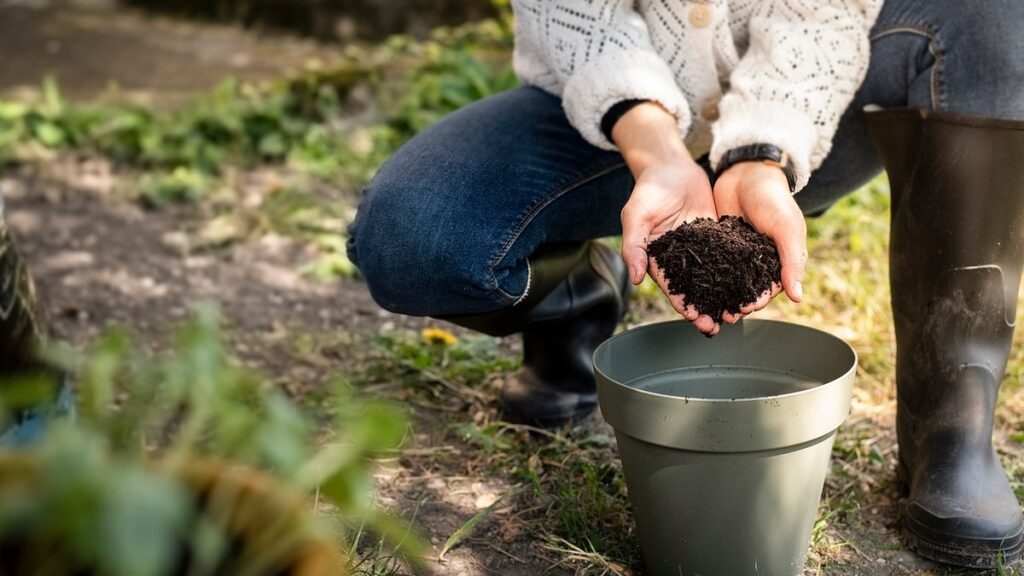
Understanding Compost Activators
Now that you know what compost activators can do, let’s dive into the world of natural compost activators and discover which ones work best for your garden.
What Are Compost Activators?
Compost activators are natural additives designed to speed up the decomposition process of organic materials in composting. Their primary purpose is to kickstart the breakdown of complex nutrients, making them available to microorganisms, and enhancing the overall quality of the finished compost.
When added to the compost pile, these activators increase microbial activity, which accelerates the conversion of organic matter into nutrient-rich humus. The addition of compost activators can reduce the time it takes for the composting process by up to 50%, allowing you to create a rich, fertile soil amendment in as little as two weeks.
Some popular natural compost activator options include molasses, effective microorganisms (EM), and compost teas. Molasses acts as a readily available energy source for microbes, while EM introduces beneficial bacteria that aid in decomposition. Compost teas, on the other hand, are liquid solutions rich in microorganisms, providing an instant boost to microbial activity. By incorporating these activators into your composting routine, you can create high-quality compost that supports soil health and plant growth.
Benefits of Using Natural Compost Activators
Using natural compost activators can have a significant impact on your soil’s overall health and productivity. By incorporating these eco-friendly additives into your composting process, you can improve the structure of your soil, leading to better water retention and aeration.
Increased microbial activity is another key benefit of using natural compost activators. These microorganisms break down organic matter more efficiently, allowing for faster nutrient release and improved plant growth. For example, adding effective microorganism (EM) powder or worm castings can introduce beneficial bacteria that stimulate microbial activity in your soil.
Reducing waste is also a significant advantage of using natural compost activators. Many commercial activators contain synthetic chemicals that can harm the environment and contaminate soil. By opting for natural alternatives, you can minimize your environmental footprint while creating a nutrient-rich soil amendment.
To maximize these benefits, it’s essential to choose high-quality, organic ingredients that are specifically designed to promote microbial activity and improve soil structure.
Common Types of Compost Activators
When it comes to natural compost activators, you have several options to choose from. Each of these types has its own unique benefits and can be used in various ways to boost the potential of your soil.
One popular type is animal manure, which is rich in nitrogen and phosphorus. Chicken or horse poop can be added directly to your compost pile, providing a readily available source of nutrients for microorganisms to feed on. Just be sure to mix it well with other carbon-rich materials like leaves or straw to maintain the right balance.
Another option is green sand, also known as glauconite, which is a naturally occurring mineral that’s rich in potassium and iron. It can help speed up the composting process by providing essential micronutrients for microorganisms. Simply sprinkle it over your compost pile or mix it into the soil before adding organic matter.
Kelp meal is another natural compost activator that’s made from dried seaweed. It’s high in nitrogen, phosphorus, and potassium, making it an excellent choice for promoting healthy microbial activity in your compost. Use it sparingly, as it can be quite potent, and mix it well with other materials to prevent burning the microorganisms.
When selecting a natural compost activator, remember that quality is more important than quantity. Look for products that are labeled as “natural” or “organic,” and follow the recommended application rates to avoid over-fertilizing your soil.
Choosing the Right Natural Compost Activator
When it comes to selecting a natural compost activator, knowing which ingredients will work best for your garden’s specific needs is crucial. Let’s dive into the top options to consider.
Factors to Consider When Selecting a Compost Activator
When selecting a natural compost activator, it’s essential to consider several key factors beyond just its effectiveness. One of the primary considerations is cost – natural compost activators can vary significantly in price, depending on their ingredients and manufacturing process. Some options may be more expensive upfront but offer long-term benefits for your soil, such as increased fertility and reduced need for fertilizers.
Another crucial factor to consider is availability. Ensure that the product you choose is easily accessible in your area or online, as this will make it simpler to maintain a consistent composting routine. Additionally, think about the environmental impact of your chosen activator. Opt for products with minimal packaging waste and those made from locally sourced materials.
Lastly, pay attention to certifications such as OMRI (Organic Materials Review Institute) or USDA BioPreferred, which can provide assurance that the product meets specific standards for organic gardening practices. By weighing these factors carefully, you can make an informed decision about the best natural compost activator for your needs and boost your soil’s potential effectively.
Compost Activator Comparison Chart
When it comes to choosing the right natural compost activator for your garden, there are many options available. Here’s a comparison chart of some popular natural compost activators, including their benefits and drawbacks.
* Worm Castings: Made from the waste of red wiggler worms, worm castings are rich in nutrients and microorganisms that promote healthy microbial activity. They improve soil structure, fertility, and overall plant growth.
+ Benefits: High in nitrogen, phosphorus, and potassium; improves soil pH; supports beneficial microbes
+ Drawbacks: Can be expensive; may require additional shipping costs due to live organisms
+ Recommended use: Add 1-2% of worm castings to your compost pile or directly to plant roots for optimal benefits
* Kelp Meal: Derived from seaweed, kelp meal is a natural source of micronutrients and macronutrients. It promotes healthy plant growth, improves soil fertility, and supports beneficial microorganisms.
+ Benefits: High in micronutrients; improves soil structure and fertility
+ Drawbacks: May have a strong odor; can be expensive
+ Recommended use: Add 1-2% of kelp meal to your compost pile or directly to plant roots for optimal benefits
* Bokashi: A fermented compost activator made from microorganisms, bokashi promotes healthy microbial activity and improves soil fertility.
+ Benefits: Supports beneficial microbes; reduces odors and fly populations
+ Drawbacks: May require additional maintenance; can be expensive
+ Recommended use: Add 1-2% of bokashi to your compost pile or directly to plant roots for optimal benefits
DIY Compost Activator Options
Creating a natural compost activator from household items is not only cost-effective but also an excellent way to reduce waste and boost your soil’s potential. You can start by collecting coffee grounds from your daily coffee routine, eggshells from your kitchen, or even tea bags from your tea time. These organic materials are rich in nutrients that can help speed up the composting process.
To make a DIY compost activator, mix 1 part of any of these household items with 2 parts of brown materials like dried leaves or shredded newspaper. For example, you can combine 1 cup of coffee grounds with 2 cups of dry leaves. As the mixture breaks down, it will add beneficial microorganisms and nutrients to your compost pile.
Another option is to use citrus peels, which are high in nitrogen and can help balance out carbon-rich materials in your compost. Simply chop them up and mix them into your compost pile along with other organic waste. Remember to maintain a balance of ‘green’ (nitrogen-rich) and ‘brown’ (carbon-rich) materials in your compost to ensure it breaks down efficiently and effectively.
Preparing Your Soil for Natural Compost Activators
Before adding natural compost activators to your soil, it’s crucial to prepare your soil correctly, and that starts with understanding its current state. This involves assessing its pH level, moisture content, and nutrient balance.
Testing Your Soil pH Levels
Before adding a natural compost activator to your soil, it’s essential to test its pH levels. Soil pH affects the effectiveness of compost activators, and using the right one for your soil type will ensure optimal results.
Soil pH can be too high or too low, which can hinder microbial activity in the composting process. If your soil is too alkaline (pH 8-9), it may slow down the decomposition process, while acidic soils (pH 3-4) can kill beneficial microbes altogether. On the other hand, a slightly acidic to neutral pH (6-7) provides an ideal environment for microbial growth.
To test your soil pH levels, you can use a DIY kit or send a sample to a lab for analysis. A general rule of thumb is to aim for a pH between 6 and 7, depending on the specific needs of your plants. For example, azaleas and rhododendrons prefer slightly acidic soils (pH 5-6), while tomatoes and peppers thrive in more alkaline conditions (pH 6-7). By understanding your soil’s pH levels, you can choose the right natural compost activator to boost its potential and support healthy plant growth.
Amending Your Soil with Natural Materials
When it comes to preparing your soil for natural compost activators, amending it with the right materials is crucial. This is where natural materials like compost tea and worm castings come into play. These ingredients are packed with beneficial microorganisms that help create an ideal environment for other microbes to thrive.
To amend your soil with compost tea, start by steeping a cup of active compost in a gallon of water for 24 hours. The liquid extract is then applied directly to the soil as a drench or used as a foliar spray to promote healthy growth. Worm castings, on the other hand, are rich in nitrogen and can be added to your soil at a rate of 10-20% to create a nutrient-dense environment.
Incorporating these natural materials will not only enhance your soil’s fertility but also boost its water-holding capacity. This, in turn, allows for better root growth and overall plant health. By amending your soil with compost tea and worm castings, you’re essentially giving your microorganisms the tools they need to break down organic matter efficiently.
Think of it as adding the right ingredients to a recipe – once you’ve got the fundamental components in place, the rest falls into line. By incorporating natural materials like compost tea and worm castings into your soil amendment routine, you’ll be well on your way to creating a thriving ecosystem that’s primed for success with natural compost activators.
Creating a Compost Pile with Natural Activators
Creating a compost pile using natural activators is a simple yet effective way to boost your soil’s potential. To start, gather a mix of “green” materials such as fresh grass clippings, vegetable scraps, and fruit peels, which are rich in nitrogen and moisture. These will provide the energy needed for decomposition.
Next, add “brown” materials like dried leaves, shredded newspaper, or cardboard, which are high in carbon and help balance out the mix. Aim for a ratio of 2/3 brown to 1/3 green materials. Consider adding natural activators like eggshells, coffee grounds, or tea bags to speed up decomposition.
As you construct your pile, remember to maintain a moisture level that’s not too wet but not too dry either – think damp, similar to a wrung-out sponge. This will help create an optimal environment for microorganisms to thrive. Turn the pile regularly to ensure oxygen reaches all areas and prevent anaerobic conditions from developing.
Remember, patience is key when using natural compost activators. With regular maintenance and the right mix of materials, your compost pile should be ready in a few weeks, providing you with nutrient-rich soil to improve plant growth and overall ecosystem health.
Monitoring Progress and Adjusting Your Method
Now that you’ve added your natural compost activators, it’s time to monitor their impact on your soil and adjust your method as needed to ensure optimal results. This is where careful observation comes into play.
Measuring Compost Activity
To measure compost activity effectively, you’ll want to keep an eye on three key factors: temperature, moisture, and carbon-to-nitrogen ratios. Temperature is perhaps the most obvious indicator of compost activity, as it typically rises during the process due to microbial decomposition. Aim for temperatures between 130°F and 140°F (54°C-60°C) for optimal breakdown.
Moisture levels should be kept consistent, with a mix that’s neither too dry nor too wet. This balance allows microbes to thrive, speeding up decomposition. Aim for a mix resembling dampened soil, rather than soggy or crunchy.
Carbon-to-nitrogen ratios are also crucial in composting. You’ll want to aim for a mix of 2/3 carbon-rich materials (such as leaves or straw) and 1/3 nitrogen-rich materials (like food scraps or grass clippings). This balance promotes healthy microbial activity, preventing over-abundance of either component. Monitor your pile’s temperature, moisture levels, and adjust the C:N ratio accordingly to ensure optimal compost activity.
A well-balanced mix will heat up consistently, emitting a rich earthy aroma – signs of a thriving compost ecosystem.
Troubleshooting Common Issues
Using natural compost activators can be an effective way to boost your soil’s potential, but it’s not uncommon for issues to arise. If you’re experiencing odors from your compost pile, there are several steps you can take to minimize the smell. For example, ensuring that your compost pile is aerated by regularly turning it can help reduce odors.
Pests can also be a problem when using natural compost activators. To deter pests like rodents and raccoons, consider adding a physical barrier around your compost pile or using repellents such as hot peppers or garlic. Keeping your compost pile clean and free of food waste can also help prevent pest infestations.
Another issue you may encounter is mold growth. This can often be caused by overwatering or poor aeration in the compost pile. To combat mold, make sure to maintain adequate airflow around your compost pile and avoid adding too much water at once. By taking these precautions and being mindful of potential issues, you can ensure that your natural compost activator is working effectively.
Maintaining a Healthy Compost Pile
Maintaining a healthy compost pile is crucial for optimal decomposition and nutrient-rich soil. To ensure your pile stays balanced, regular turning is essential. This helps to redistribute heat, oxygen, and moisture throughout the pile, preventing anaerobic conditions that can lead to unpleasant odors and pathogens.
Check temperature levels by inserting a thermometer into the center of the pile. Ideally, temperatures should reach 130-140°F (54-60°C) within 24 hours after turning. This indicates sufficient microbial activity breaking down organic matter. Monitor moisture levels, ensuring the pile is not too dry or waterlogged – aim for a consistency like damp soil.
Check on your compost pile daily to catch any issues early. If it’s too wet, turn in some brown materials (dried leaves, straw) to absorb excess moisture. Conversely, if it’s too dry, sprinkle water and let the microbes work their magic. By balancing these factors, you’ll create an optimal environment for natural decomposition and nutrient cycling – ultimately enriching your soil with compost activators’ natural power.
Incorporating Natural Compost Activators into Your Garden
Now that you’re familiar with natural compost activators, let’s explore some creative ways to incorporate them into your garden for optimal results.
Benefits for Vegetables and Fruits
Using natural compost activators in your vegetable and fruit garden can have a significant impact on the quality and quantity of your harvest. One of the most noticeable benefits is increased yields. By adding a natural compost activator to your soil, you’re providing it with the necessary nutrients and microorganisms to support healthy plant growth. This means that your plants will be better equipped to withstand pests, diseases, and environmental stressors, leading to more robust and abundant harvests.
Improved flavor is another advantage of using natural compost activators in your garden. When your soil is rich in nutrients and teeming with beneficial microbes, it can impart a deeper, sweeter flavor to your fruits and vegetables. This is because the microorganisms in the compost activator help to break down complex nutrients into forms that are easily absorbed by plants, resulting in more flavorful produce.
Incorporating natural compost activators into your garden routine can also lead to reduced soil erosion and improved water retention. By improving soil structure and fertility, you’ll be creating a healthier environment for your plants to grow in, with fewer problems from pests and diseases.
Using Natural Compost Activators with Other Soil Amendments
When it comes to creating a thriving garden ecosystem, using natural compost activators as a standalone solution is just the beginning. To truly maximize their potential, consider combining them with other soil amendments for a holistic approach.
For instance, pairing natural compost activators with fertilizers can enhance nutrient availability and support plant growth. For example, you could mix worm casting-based activator with a slow-release fertilizer to create an ideal environment for plants like tomatoes and leafy greens. Similarly, adding mulch to your garden beds will not only retain moisture but also act as a natural barrier against weeds and diseases.
Some examples of natural compost activators that can be combined with other amendments include:
• Bokashi: This fermented tea can be mixed with compost or worm casting-based activators for an intense nutrient boost.
• Effective Microorganisms (EM): EM can be added to compost piles or used as a foliar spray, and can also be mixed with mulch or other soil amendments.
• Compost teas: By steeping natural compost activators in water, you create a concentrated liquid fertilizer that can be applied directly to plants.
When combining natural compost activators with other soil amendments, remember to balance their respective strengths. This will allow your garden to flourish with minimal waste and maximum efficiency.
Creating a Sustainable Garden Ecosystem
Creating a sustainable garden ecosystem is not only beneficial for the environment, but it also promotes healthy plant growth and reduces waste. By incorporating natural compost activators into your gardening routine, you’re taking a crucial step towards achieving this goal.
One key aspect of creating a sustainable garden ecosystem is reducing waste. This can be achieved by implementing a ‘closed-loop’ system where all organic materials are converted into nutrient-rich compost. Natural compost activators like worm castings or effective microorganisms (EM) help break down these materials efficiently, minimizing the need for external inputs.
To minimize chemical use, consider using natural pest control methods and mulching to retain moisture in the soil. By adopting these practices, you’ll not only reduce your environmental footprint but also create a thriving garden ecosystem that’s rich in biodiversity. Aim to incorporate at least 50% of organic materials into your compost pile to maintain a balanced nutrient cycle.
By following these tips, you’ll be well on your way to creating a sustainable garden ecosystem that not only benefits your plants but also the environment as a whole. Remember, every small change counts, and making these adjustments can have a significant impact on the long-term health of your garden.
Frequently Asked Questions
Can I use natural compost activators with worm composting?
Yes, you can use natural compost activators like tea tree oil or cinnamon to enhance the decomposition process in worm composting systems. These additives can help reduce odors and increase microbial activity, leading to a healthier environment for worms.
How often should I add natural compost activators to my compost pile?
The frequency of adding natural compost activators depends on your specific composting needs. Start with a small amount (about 1 cup per 10 cubic feet) and monitor the decomposition process. If necessary, you can add more as needed, but be cautious not to overdo it, as this can lead to an imbalance in microbial activity.
Will natural compost activators affect the nutrient content of my finished compost?
No, natural compost activators are designed to enhance the breakdown of complex nutrients, making them available to microorganisms. This process helps retain more nutrients in the finished compost, rather than losing them through inefficient decomposition.
Can I use natural compost activators with other soil amendments?
Yes, you can combine natural compost activators with other organic matter like manure tea or fish emulsion to create a nutrient-rich environment for your plants. However, be sure to follow the recommended usage rates and monitor the effects on microbial activity in your garden.
How long does it take to see results from using natural compost activators?
The time it takes to notice improvements in soil health and plant growth can vary depending on factors like climate, soil type, and the specific natural compost activator used. Typically, you may start seeing noticeable changes within 2-6 weeks after incorporating these additives into your composting routine.