
Are you tired of waiting for your compost to break down? Do you want to create nutrient-rich soil for your garden without breaking a sweat? You’re in luck! Compost accelerators can be just what you need to take your waste management efforts to the next level. Whether you’re a seasoned gardener or just starting out, effective composting is essential for creating a sustainable and thriving garden ecosystem.
But with so many options on the market, it can be overwhelming to choose the right one. That’s why we’ve put together this comprehensive guide to compost accelerator options. We’ll explore both chemical and natural alternatives, including popular brands and DIY recipes that you can try at home. From speeding up decomposition to improving soil structure, we’ll cover everything you need to know to boost your composting efforts and achieve a healthier garden.
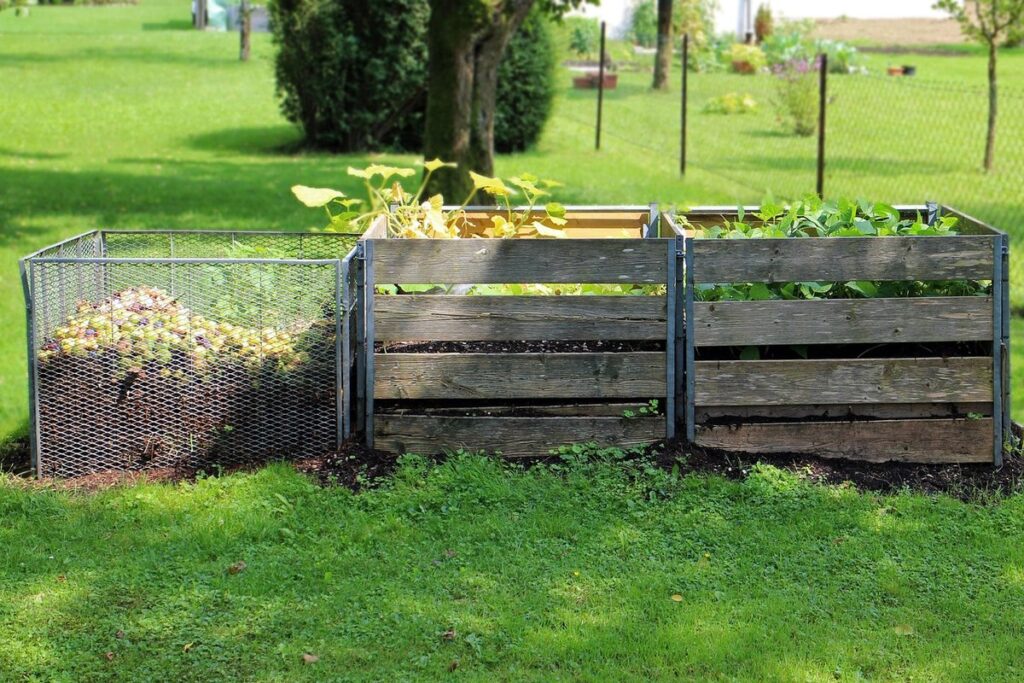
Understanding Composting and Its Benefits
Before we dive into compost accelerator options, let’s take a step back and understand the basics of composting and why it’s a game-changer for your garden.
What is Composting?
Composting is a natural process that involves breaking down organic materials into a nutrient-rich soil amendment. It’s essential for reducing waste sent to landfills and conserving water by recycling nutrients back into the earth. When done correctly, composting can significantly reduce greenhouse gas emissions associated with landfills.
The importance of composting lies in its ability to create a valuable resource from what would otherwise be considered trash. Composting helps to divert organic waste from landfills, where it produces methane, a potent greenhouse gas. By composting, you’re not only reducing your environmental impact but also creating a sustainable gardening practice that promotes soil health and plant growth.
Composting has numerous benefits for the environment. It reduces waste sent to landfills by up to 30%, conserves water through efficient nutrient cycling, and sequesters carbon in soil. By incorporating composting into your daily routine, you can reduce your household’s environmental footprint while also creating a sustainable gardening practice that promotes healthy plant growth.
The Role of Compost in Sustainable Gardening
When it comes to sustainable gardening practices, compost plays a vital role in maintaining soil structure, fertility, and overall plant health. By incorporating compost into your garden, you’re essentially providing your plants with the nutrients they need to thrive without relying on synthetic fertilizers or chemicals.
Compost improves soil structure by increasing its water-holding capacity, which allows roots to absorb moisture more efficiently. This reduces the risk of overwatering and prevents nutrient leaching, making it an essential component for preventing erosion and promoting healthy root growth. As a result, plants grown in compost-enriched soils tend to have stronger, healthier root systems.
Compost also boosts soil fertility by releasing essential micronutrients like nitrogen, phosphorus, and potassium, which are crucial for plant development. By using compost as a natural fertilizer, you can significantly reduce your reliance on synthetic fertilizers and minimize the environmental impact of chemical runoff.
A well-balanced compost blend typically includes 2/3 “brown” materials (dried leaves, straw, or shredded newspaper) and 1/3 “green” materials (food scraps, grass clippings, or manure). To incorporate compost into your garden, start by creating a 4-6 inch layer of compost at the base of each plant bed.
Types of Compost Accelerators: Chemical and Natural Options
When it comes to choosing a compost accelerator, you’ll need to decide between chemical-based options and natural alternatives that align with your waste management values. We’ll explore both types in this section.
Synthetic Compost Accelerators
Chemical compost accelerators are man-made additives designed to speed up the decomposition process. They can be made from various substances such as nitrogen-rich compounds, micronutrients, and microorganisms. Some popular chemical accelerators include urea-based products, potassium nitrate, and certain types of bacteria or yeast.
While these accelerators can boost compost production, their effectiveness is often dependent on factors like soil pH, moisture levels, and the initial carbon-to-nitrogen ratio of the waste material. However, using chemical accelerators comes with some drawbacks. For instance, high concentrations can lead to over-oxidation, causing nutrient losses and unpleasant odors. Moreover, synthetic compounds may leach into nearby water sources or contaminate soil, posing environmental concerns.
As a responsible compost producer, it’s essential to use these additives judiciously and in moderation. Follow the manufacturer’s instructions carefully, starting with small amounts to avoid over-acceleration. Regular monitoring of temperature, pH levels, and microorganism activity will also help you adjust your use of chemical accelerators accordingly.
Natural Compost Accelerators: Bacteria and Microbes
Beneficial bacteria and microbes play a crucial role in breaking down organic matter in composting. They are among the most effective natural compost accelerators available. These microorganisms thrive in environments with suitable temperature, moisture, and oxygen levels, which is why they’re often used to speed up the decomposition process.
Some of the benefits of using beneficial bacteria and microbes as compost accelerators include improved nutrient cycling, increased microbial diversity, and enhanced carbon-to-nitrogen ratios. For instance, effective microorganisms (EM) are a popular choice among gardeners due to their ability to break down organic matter quickly while maintaining soil health.
When using beneficial bacteria and microbes, it’s essential to maintain the right conditions for them to thrive. This includes ensuring adequate moisture, oxygen supply, and temperature control. Aim for temperatures between 130-140°F (54-60°C) and maintain a carbon-to-nitrogen ratio of around 20:1. By doing so, you can harness the power of these microorganisms to boost your composting efforts.
Keep in mind that there are limitations to using beneficial bacteria and microbes. They may not be effective in extremely cold or hot temperatures, and their performance can be affected by contaminants such as heavy metals or pesticides.
DIY Compost Accelerator Options for Home Gardeners
If you’re eager to supercharge your composting process, you’ll love these DIY accelerator options that can be easily made at home with minimal effort and expense.
Activated Charcoal: A Versatile Accelerator
Activated charcoal is an underutilized yet powerful tool for enhancing composting efforts. Its unique properties make it an ideal addition to a DIY compost accelerator mix. One of the primary benefits of activated charcoal is its ability to absorb odors, which can be a significant issue when composting. By incorporating activated charcoal into your compost pile or bin, you can significantly reduce unpleasant smells and keep pests at bay.
In addition to odor absorption, activated charcoal also improves aeration in compost piles. When mixed with other accelerator ingredients, it helps create a more balanced ecosystem, allowing for optimal decomposition rates. This not only speeds up the composting process but also results in a higher-quality finished product. To incorporate activated charcoal into your DIY compost accelerator mix, try adding 1-2% of its volume to your mixture. For example, if you’re using a 10-gallon bucket, add about 1/4 cup of activated charcoal powder. This will not only enhance the effectiveness of your compost but also make it a more pleasant process overall.
Coffee Grounds and Tea Bags: Rich in Nutrients
When it comes to DIY compost accelerators, you don’t have to look far for readily available ingredients. Coffee grounds and tea bags are two common household items that can be repurposed to boost the nutrient content of your compost pile.
Both coffee grounds and tea bags are rich in nutrients, making them an excellent addition to your compost. They’re high in nitrogen, phosphorus, and potassium – essential macronutrients for plant growth. Coffee grounds, in particular, contain a significant amount of caffeine, which can help speed up microbial activity in the compost pile.
To incorporate coffee grounds into your compost, simply sprinkle them around the base of your plants or add them to your compost bin. You can also mix used tea bags with other compost materials like leaves or grass clippings. The easiest way to use these accelerators is to set aside a designated container for collecting used coffee grounds and tea bags. This will save you time and effort when adding them to your compost pile.
Remember, even small amounts of these natural accelerators can make a big difference in the nutrient-rich quality of your compost.
Commercial Compost Accelerators for Large-Scale Operations
For large-scale operations, commercial compost accelerators are a game-changer, providing high-performance solutions to quickly break down organic waste and produce nutrient-rich compost. We’ll explore top options for you to consider.
Pros and Cons of Using Industrial-Scale Accelerators
When considering large-scale compost operations, industrial-scale accelerators can be an attractive option. On one hand, these machines offer faster results and larger capacities, allowing for more efficient processing of organic waste. For instance, a commercial compost accelerator can process up to 100 tons of material per day, significantly reducing the time it takes to complete a batch.
However, there are also potential drawbacks to using industrial-scale accelerators. One major concern is cost: these machines come with a hefty price tag and require ongoing maintenance and energy inputs. For example, a single high-end compost accelerator can cost upwards of $500,000 and consume thousands of dollars’ worth of electricity per year.
Another consideration is environmental impact. Industrial-scale accelerators often rely on fossil fuels for power, contributing to greenhouse gas emissions and other pollutants. Moreover, the sheer scale of these operations can also lead to inefficiencies in nutrient cycling and water usage. To mitigate these effects, operators may need to implement additional measures such as carbon capture or sustainable energy sources.
Examples of Effective Commercial Products
Several commercial products have demonstrated their effectiveness in large-scale composting operations. For instance, Eko Composter’s “EcoCycle” is a popular choice among large-scale composters due to its unique blend of microorganisms and natural enzymes that break down organic matter efficiently. This product has been used successfully in various waste management facilities, reducing the time required for composting by up to 30%.
Another notable example is Green Mountain Technologies’ “Compost Accelerator”, which utilizes a proprietary blend of beneficial microbes to accelerate the decomposition process. This product has been adopted by several large-scale composters, including farms and municipalities, resulting in significant reductions in processing time and costs.
When selecting a commercial compost accelerator for your operation, consider factors such as the type of organic materials being composted, temperature requirements, and desired end-product specifications. It’s also essential to evaluate the product’s ease of use, maintenance needs, and potential environmental impact. By choosing a suitable compost accelerator, you can optimize your waste management efforts and produce high-quality compost more efficiently.
Best Practices for Selecting and Using Compost Accelerators
When selecting and using compost accelerators, it’s essential to follow best practices that ensure effective use, maximize benefits, and minimize potential drawbacks. Let’s dive into some expert tips to help you get started.
Factors to Consider When Choosing an Accelerator
When selecting a compost accelerator, there are several essential factors to consider to ensure it aligns with your waste management system and minimizes environmental concerns. First and foremost, assess the accelerator’s compatibility with your existing waste management infrastructure. Will it integrate seamlessly with your current composting processes, or will you need significant upgrades? For instance, if you’re using a mechanical composter, choose an accelerator that can handle high-speed processing.
Another critical consideration is the accelerator’s environmental impact. Look for products made from natural, non-toxic materials and avoid those containing chemicals or heavy metals. Additionally, consider the energy requirements of the accelerator – will it significantly increase your facility’s carbon footprint? Some compost accelerators also require specialized maintenance, which can be resource-intensive.
Evaluate the accelerator’s scalability to ensure it can accommodate fluctuations in waste volume. You should also assess its reliability and durability, as frequent replacements can hinder efficiency and create unnecessary waste.
Tips for Safe and Effective Use of Accelerators
When using compost accelerators, it’s essential to follow some basic guidelines to ensure safe and effective operation. Start by monitoring the pH levels of your compost pile, as most accelerators work best within a slightly acidic to neutral range (pH 6-7). If you’re unsure about your compost’s pH level, consider investing in a soil testing kit or consulting with a local gardening expert.
Next, pay attention to moisture content. Most accelerators require a moderate to high moisture level to break down organic matter efficiently. Aim for a mix that’s similar to a damp sponge – not soaking wet, but not dry either. Regularly check the compost pile and add water as needed to maintain optimal moisture levels.
Lastly, don’t forget about aeration. Compost accelerators can sometimes lead to anaerobic conditions if not enough oxygen is available. To prevent this, ensure your compost pile has adequate airflow by turning it every 7-10 days or so. This simple step will help your accelerator work efficiently and safely.
Frequently Asked Questions
Can I use compost accelerators with existing compost piles, or do I need to start fresh?
You can definitely add a compost accelerator to an existing pile. This is especially useful if you’ve been struggling to speed up the decomposition process. Just be sure to follow the manufacturer’s instructions for application rates and any necessary mixing requirements.
How long does it typically take for compost accelerators to work, and what are some signs of successful acceleration?
The time it takes for a compost accelerator to show results can vary depending on factors like temperature, moisture levels, and the type of materials being composted. Generally, you should start seeing improvements in 1-2 weeks, with significant changes in texture and smell within 4-6 weeks.
Are there any health risks associated with using compost accelerators, especially if I have pets or allergies?
Most natural and synthetic compost accelerators are non-toxic and safe for use around plants. However, it’s always a good idea to follow the manufacturer’s guidelines and take precautions when handling any new materials. If you have specific concerns about allergies or pet safety, consult with a gardening expert or healthcare professional.
Can I mix different types of compost accelerators (e.g., chemical and natural) in my compost pile?
It’s generally not recommended to combine different types of compost accelerators, as this can create unpredictable results. Stick to one type that suits your needs, and consider experimenting with different options separately before mixing them.
How do I store and maintain compost accelerators after opening, especially if I plan to reuse them over multiple batches?
Proper storage is key to extending the shelf life of compost accelerators. Keep them in a cool, dry place away from direct sunlight, and follow any specific storage instructions provided by the manufacturer.