
Gardening can be a joyous experience, but it’s not all sunshine and rainbows. Pests like aphids, slugs, and snails can quickly turn your beautiful garden into a disaster zone. These unwanted visitors can decimate your vegetables, fruits, and flowers, leaving you with nothing but frustration and disappointment. But don’t worry, help is on the way! Companion plants are here to save the day, naturally deterring pests without using harsh chemicals. By learning which plants work best together and how to care for them, you’ll be well on your way to a pest-free garden. In this article, we’ll explore the world of companion planting, sharing expert tips and tricks for keeping those pesky critters at bay. So, let’s get started on our journey to a healthier, happier garden!
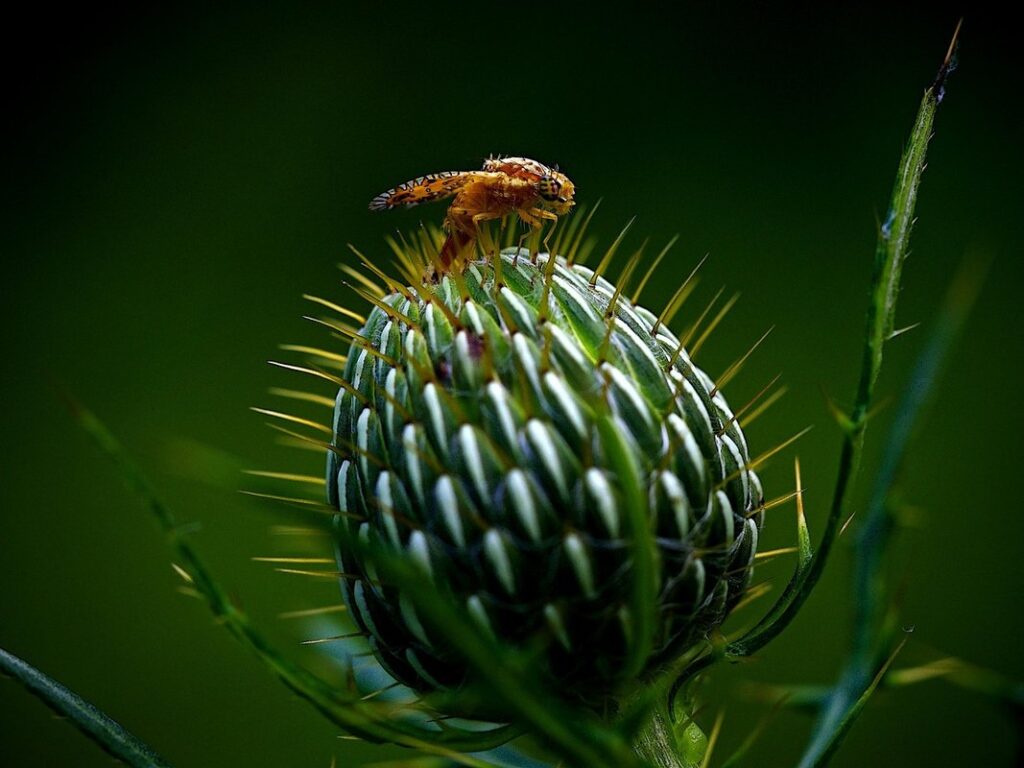
Understanding Pest Problems and Companion Planting
When it comes to maintaining a healthy garden, understanding pest problems is crucial for effective companion planting. Let’s break down common pests and their solutions in natural ways.
What are Companion Plants?
Companion plants are a natural and effective way to deter pests from your garden without using harsh chemicals. At its core, companion planting is the practice of growing different plants together to improve their growth, health, and resistance to pests and diseases. This concept has been used by farmers and gardeners for centuries, leveraging the unique characteristics of each plant to create a balanced ecosystem.
The benefits of companion planting are numerous. By using companion plants, you can reduce the need for pesticides, which not only harm pests but also the environment. Companion planting also promotes biodiversity, attracting beneficial insects that prey on pest populations. For example, basil repels aphids and other pests, while marigolds deter nematodes. These plants work in different ways to keep pests at bay – some release chemicals that repel pests, others attract predators that feed on them.
To get started with companion planting, choose plants that complement each other in terms of growth habits, light requirements, and pest-repellent properties. Some popular companion plants include mint, lemongrass, garlic, and chives. By incorporating these plants into your garden, you can create a holistic approach to pest management that’s both effective and sustainable.
Common Pest Problems in Gardens
When it comes to gardening, there are few things more frustrating than seeing your carefully nurtured plants succumb to pest infestations. From aphids and whiteflies to slugs and snails, these unwanted visitors can wreak havoc on your garden’s health and productivity.
Aphids, for example, can multiply rapidly on tender shoots and leaves, sapping the plant of vital nutrients and leading to curled or distorted growth. Whiteflies, meanwhile, are known to spread diseases like tomato spotted wilt virus and squash bug mosaic virus. To make matters worse, their sticky honeydew droppings can attract ants and other pests, creating a domino effect that’s hard to control.
Slugs and snails, on the other hand, are notorious for chewing through leaves, stems, and flowers under the cover of darkness. They’re especially fond of plants with soft, fleshy tissues like lettuce, spinach, and hostas. If left unchecked, these pests can cause significant damage, stunting plant growth and reducing yields.
Fortunately, there are many natural ways to deter these pests without resorting to chemical pesticides. Companion planting, for instance, is a simple yet effective method that involves pairing plants with known pest-repellent properties with those that are more susceptible to attack. We’ll explore some of the best companion plants for common garden pests in the next section.
Choosing Companion Plants for Pest Control
When it comes to companion planting, choosing the right plants can be a bit overwhelming. Let’s take a closer look at some of the top picks for pest-deterrent companions.
Vegetables That Repel Pests
When it comes to repelling pests naturally, certain vegetables stand out from the rest. Marigolds, nasturtiums, and basil are some of the most effective companions to have in your garden. These plants not only add flavor and nutrients to your dishes but also work as a defense mechanism against pests.
Marigolds, for instance, repel nematodes, whiteflies, and aphids with their strong scent. They’re easy to grow and can be planted around the perimeter of your garden or interspersed among other vegetables. Nasturtiums, on the other hand, deter squash bugs, cabbage moths, and aphids with their bright flowers and pungent leaves.
Basil is another versatile companion that repels flies, mosquitoes, and ants while adding a burst of flavor to your cooking. To make the most of these pest-repelling plants, be sure to plant them in areas where pests are most likely to appear. You can also use them as a trap crop by planting them near vulnerable vegetables.
Some other vegetables that deserve a mention include radishes and garlic, which repel cucumber beetles and aphids respectively. By incorporating these plants into your garden, you’ll not only reduce the need for pesticides but also create a balanced ecosystem that promotes healthy plant growth and natural pest control.
Herbs and Spices for Pest Deterrence
Herbs and spices have long been used to repel pests naturally. Among these, mint, lemongrass, and chamomile are popular choices for their pest-deterrent properties. Mint, in particular, is a powerful repellent against ants, aphids, and spider mites. Planting it near areas prone to pest infestation can help keep these unwanted visitors at bay. Lemongrass, on the other hand, has natural oils that repel mosquitoes and flies, making it an excellent addition to gardens or indoor spaces.
Chamomile is another herb worth mentioning for its soothing effects on both humans and pests. It’s said to calm anxious insects, reducing their likelihood of invading your garden. To incorporate these herbs into your pest control strategy, start by planting them in well-draining soil near the affected areas. For best results, combine multiple herbs with different properties to create a potent blend.
Some additional tips to keep in mind: ensure you use fresh and healthy plants, as wilted or diseased ones may attract pests instead of repelling them. Additionally, prune your herb plants regularly to encourage growth and maximize their pest-repelling potential.
Companion Plants for Fruit Trees and Vines
When it comes to growing fruit trees and vines, having the right companion plants can make all the difference in deterring pests naturally. We’ll explore some top picks that will complement your garden’s ecosystem.
Protecting Fruit Trees from Pests
Fruit trees are a staple in many home gardens and orchards, providing fresh produce for families and communities. However, they’re also susceptible to pests like aphids, mites, and codling moths that can cause significant damage. Fortunately, companion plants can play a vital role in protecting fruit trees from these pests.
Some effective companion plants for fruit trees include marigolds, which repel nematodes and other pests that target roots, as well as beneficial insects like bees and butterflies. Basil is another popular choice, not only for its culinary uses but also for its ability to deter aphids and whiteflies. Garlic and chives are natural repellents for codling moths, while dill can help control aphid populations.
When choosing companion plants for your fruit trees, consider the specific pests you’re trying to control and select plants that have a proven track record of repelling or attracting beneficial insects. Plant multiple species together to create a diverse and resilient ecosystem that’s better equipped to withstand pest attacks. By incorporating these natural pest deterrents into your garden, you can reduce your reliance on chemical pesticides and maintain healthier, more productive fruit trees.
Caring for Vines with Companion Planting
Vines present unique pest challenges due to their sprawling growth habit and susceptibility to pests like aphids, whiteflies, and spider mites. Companion planting can be an effective way to mitigate these problems. For instance, marigold and nasturtiums repel nematodes, which can harm grapes and kiwi vines. Basil and mint also deter aphids, making them excellent companion plants for fruiting vines.
When selecting companion plants for your vines, consider the mature size of the plant, its growth habits, and how it will interact with your desired vine. For example, using tall comfrey as a trellis can provide shade for delicate grapes while also repelling pests like spider mites. Another consideration is to choose companion plants that attract beneficial insects, such as bees and lacewings, which prey on common vine pests.
Some popular companion plants for vines include:
• Chives: Repels aphids and other soft-bodied pests
• Garlic: Deters nematodes and spider mites
• Geraniums: Attracts predatory wasps that feed on whiteflies and aphids
Companion Plants in Container Gardens
When growing companion plants in containers, certain species can work together to repel pests and create a healthier garden environment for your favorite crops. Let’s explore some effective pairings for container gardens.
Selecting Companion Plants for Containers
When it comes to choosing companion plants for containers, it’s essential to consider the unique challenges of growing in confined spaces. Since container gardens often have limited room for roots to expand and may require more frequent watering, you’ll want to select plants that are well-suited to these conditions.
Start by considering the sunlight requirements of your chosen plants. Some herbs like basil and mint thrive in full sun, while others like mint and lemongrass can tolerate partial shade. Make sure to choose a mix of plants with varying light needs to create a balanced container garden.
When selecting companion plants for pest control, also consider their growth habits. Compact or trailing varieties like creeping thyme and sweet woodruff are perfect for small containers and can help deter pests without taking over the space. Additionally, incorporate plants with strong fragrances, such as garlic chives or calendula, to repel unwanted insects.
Choose a mix of flowering and foliage plants to create a visually appealing container garden that also provides pest-deterrent benefits.
Tips for Using Companion Plants in Small Spaces
When working with small containers or indoor spaces, it can be challenging to fit in multiple plants while keeping pests at bay. However, there are some companion plants that excel at repelling pests without taking up too much space.
Some great options for small spaces include basil and mint – both popular herbs that naturally repel aphids and whiteflies. Plant them alongside vulnerable crops like tomatoes or lettuce to create a pest-free zone. You can also try growing chives, which are known to deter aphids and other pests.
Another excellent choice is lemongrass, which has natural oils that repel mosquitoes and other insects. It’s relatively low-maintenance and can thrive in small containers. Consider pairing it with plants like peppers or eggplants, which often fall prey to aphid infestations.
When choosing companion plants for your container garden, remember that less is sometimes more. Focus on a few potent pest-repellers rather than trying to cram multiple varieties into a small space. This will also help you maintain control over the spread of pests in your garden.
Natural Pest Control Methods with Companion Plants
Companion planting is a clever way to keep pests at bay, and we’re excited to share our top picks for natural pest control methods using companion plants that will safeguard your garden. Let’s dive in!
Making Your Own Compost Tea
Making compost tea is surprisingly easy and only requires a few simple steps. To start, you’ll need a burlap sack or a mesh bag to hold the finished compost. Next, fill a 5-gallon bucket with water and add about 1-2 cups of finished compost. The ideal ratio is one part compost to ten parts water.
Let the mixture steep for 24 hours to allow the beneficial microbes in the compost to infuse into the water. You can speed up the process by aerating the liquid with an air pump or stirring it occasionally. After 24 hours, strain the liquid through a cheesecloth or fine-mesh sieve into your burlap sack or mesh bag.
This liquid solution is now ready for use as a natural pest deterrent and fertilizer. You can use it to water your plants, spray it on the leaves, or add it to your irrigation system. Compost tea is a potent brew that contains millions of beneficial microbes, which can help repel pests like aphids, whiteflies, and spider mites.
To get the most out of your compost tea, make sure to use fresh, active ingredients and avoid over-steeping the liquid, as this can kill off some of the beneficial microbes.
Using Essential Oils for Pest Deterrence
When it comes to using essential oils for pest deterrence, you’re looking at a natural and chemical-free way to keep those unwanted critters away from your garden. Companion plants that produce these potent oils can be used as a repellent without harming beneficial insects.
One such example is the lovely lavender plant. Its calming scent is not only soothing for humans but also repels aphids, mites, and other pests that can harm your crops. To use lavender oil effectively, simply mix a few drops with water in a spray bottle and mist it directly on affected areas or around plants.
Another popular choice is the mint family, including peppermint and spearmint. These oils have been shown to repel ants, spider mites, and even Japanese beetles! For best results, dilute the oil with water (typically 10-15 drops per quart) and spray it on surfaces or around plants.
Remember to always use high-quality, pure essential oils that are free of chemicals and additives. Also, be sure to test a small area before applying it extensively to ensure there’s no sensitivity or reaction from the plant itself. With these potent oils and some creativity, you’ll have an arsenal against pests without compromising your eco-friendly garden.
Maintaining Healthy Companion Plants
To keep your companion plants thriving and effective at deterring pests, it’s essential to provide them with proper care and maintenance. Regular watering, pruning, and fertilization will keep these beneficial plants in top shape.
Watering and Fertilizing Companion Plants
Proper care of companion plants is crucial for their effectiveness as pest deterrents. Watering and fertilizing these plants should be done with consideration to their specific needs. When it comes to watering, make sure the soil isn’t too wet or dry, as this can weaken the plant’s ability to repel pests. Check the soil daily during hot weather, and water when the top inch of soil feels dry.
Fertilizing companion plants is also essential for their health and pest-repelling abilities. Use a balanced fertilizer that provides equal amounts of nitrogen, phosphorus, and potassium. You can also use organic fertilizers like compost or manure tea to provide essential nutrients without harming beneficial insects. Avoid over-fertilizing, as this can harm the plant and reduce its effectiveness.
Some companion plants, such as basil and mint, require regular pruning to encourage bushy growth and prevent flowering. Prune these plants regularly to keep them healthy and promote their pest-repelling abilities. Always prune in the morning to prevent spreading pests or diseases.
By following proper watering, fertilizing, and pruning techniques, you can ensure your companion plants thrive and continue to deter pests effectively.
Monitoring and Rotating Companion Plants
Monitoring companion plant effectiveness is crucial to maintaining optimal pest control. Regularly inspect your garden beds for signs of pest activity and observe which plants are performing well. Check for an increase in beneficial insects like bees, butterflies, and ladybugs, as they’re often attracted to companion plants that repel pests.
Keep a record of the plants’ performance throughout the growing season, noting any changes in pest populations or the presence of beneficial insects. This data will help you identify which plants are most effective for your specific garden conditions and inform future planting decisions.
As the seasons change, so do the pest pressures and environmental conditions. Rotate companion plants seasonally to maintain optimal pest control. For example, marigolds repel nematodes well in spring but may decline in effectiveness during hot summer months. Swap them out with plants like basil or mint, which excel at deterring pests during warmer periods.
Rotate your companion plant selection every 3-4 months to ensure continuous protection and prevent pest populations from building up resistance. This simple strategy will keep your garden healthy and thriving all year round.
Frequently Asked Questions
Can I use companion plants for pest control in areas with poor soil quality?
While it’s true that some companion plants can improve soil health, their effectiveness as pest deterrents may be compromised if your soil lacks essential nutrients. To ensure success, focus on using a balanced fertilizer and maintaining good drainage to create a healthy growing environment.
How long do I need to wait before seeing results from companion planting?
Results from companion planting can vary depending on factors like the specific plant combination, climate, and pest pressure. Generally, you may start noticing improvements within 1-3 weeks of implementing companion plants, but it’s not uncommon for full effects to take several months.
What if I accidentally introduce a pest problem with my new companion plants?
While companion planting is an excellent way to deter pests, there’s still a small risk of introducing unwanted visitors. To minimize this risk, choose plants that are resistant to the specific pests you’re trying to control, and ensure proper spacing between your companion plants.
Can I combine different types of companion plants in one garden bed?
Absolutely! Many companion plant combinations involve pairing different types of plants together to enhance their benefits. For example, basil repels aphids and flies, while marigolds deter nematodes. Experiment with various pairings to create a balanced and pest-resistant ecosystem.
How often should I monitor and maintain my companion planting system?
Regular monitoring is crucial for the success of your companion planting system. Check on your plants frequently (at least once a week) to ensure they’re healthy, happy, and effectively deterring pests. Adjust your strategy as needed to maintain an optimal balance in your garden ecosystem.