
If you’re looking to breathe new life into your lilac garden, consider introducing some clever companions to the mix. Lilacs are stunning additions to any yard, but they can benefit from having some friends nearby. Companion plants for lilacs aren’t just about aesthetics – they can also help enhance growth, attract vital pollinators, and repel pesky pests that might otherwise threaten your blooms. In this article, we’ll explore the best companion plants for lilacs, highlighting how they can add year-round interest to your garden with minimal maintenance required. From low-maintenance perennials to vibrant annuals, discover which plants will complement your lilac’s beauty and help you create a thriving, pollinator-friendly oasis in your own backyard.
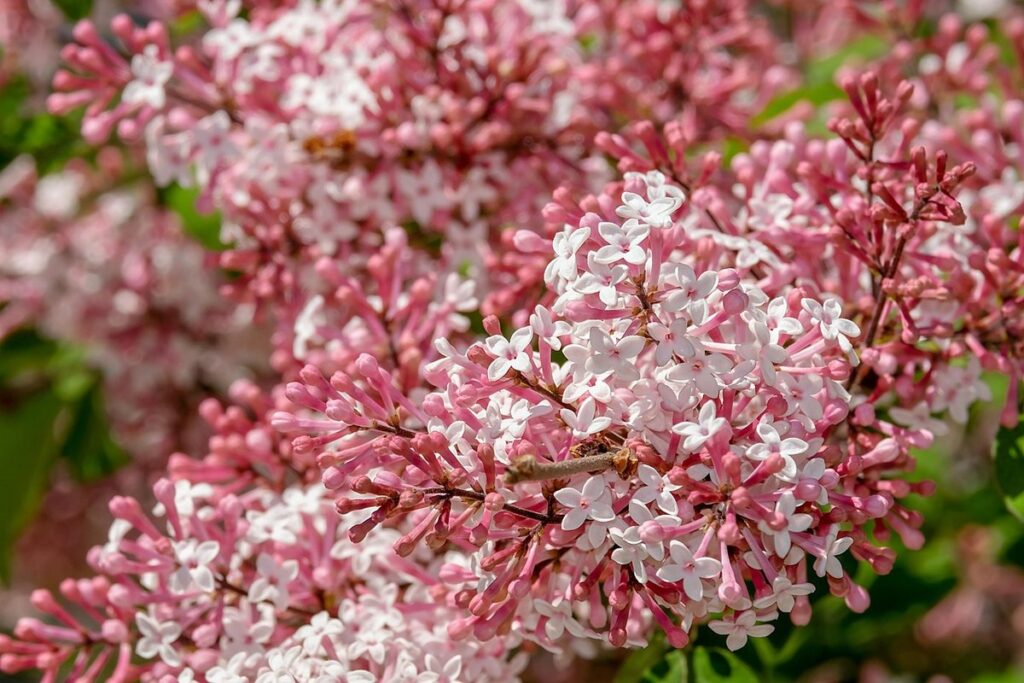
Understanding Lilac Companion Planting
When it comes to companion planting, lilacs are a great choice to pair with other flowers and herbs that enhance their beauty and promote healthy growth. In this section, we’ll explore some popular options for lilac companions.
Benefits of Companion Planting for Lilacs
Companion planting can significantly enhance lilac growth, blooming, and overall health. By strategically placing companion plants around lilacs, gardeners can create a more diverse and resilient ecosystem. This synergy benefits the lilacs by providing shade, reducing soil erosion, and attracting pollinators.
Some excellent companion plants for lilacs include lavender, which repels pests that target lilacs, such as aphids and whiteflies. Marigolds, with their strong scent, deter nematodes that can harm lilac roots. Bee balm and coneflower attract pollinators like bees and butterflies, ensuring proper fertilization of the lilac blooms.
Companion planting also improves soil health by introducing beneficial microorganisms and nutrients. For example, comfrey acts as a fertilizer plant, releasing nutrients into the soil through its deep taproots. These nutrients are then absorbed by nearby plants, including lilacs.
To implement companion planting effectively, choose plants with complementary growth habits and flowering times to maximize benefits. Plant them around the base of your lilac bushes or interspersed within the bed for a diverse and thriving ecosystem.
Common Challenges with Lilac Planting
When planting lilacs, it’s not uncommon to encounter some common challenges that can hinder their growth and blooming. One of the primary issues is soil quality. Lilacs prefer well-draining soil with a pH between 6.0 and 7.0. If your soil is heavy clay or sandy, it may not provide the necessary support for lilac roots to thrive.
Another common problem is sunlight. While lilacs can tolerate partial shade, they require at least six hours of direct sunlight per day to produce an abundance of blooms. Inadequate sunlight can lead to weak and spindly growth, reducing the overall health and beauty of your lilac plant.
Watering issues are also prevalent when it comes to lilac planting. Overwatering or underwatering can cause stress to the plant, resulting in reduced blooming or even death. Be sure to water your lilacs regularly during their first year of establishment, but avoid overwatering once they’re established.
It’s also essential to note that lilacs are relatively low-maintenance plants and can be quite forgiving if you make mistakes along the way. However, being aware of these potential challenges will help you take proactive steps to ensure your lilac plants thrive in their new environment.
Selecting the Right Companion Plants
When it comes to selecting companion plants for your lilacs, you want to choose species that complement their growth habits and bloom times. Consider plants that attract pollinators or repel pests.
Attracting Beneficial Pollinators
When it comes to promoting healthy lilac blooms, attracting beneficial pollinators is crucial. Companion plants that draw bees, butterflies, and other pollinators can make a significant difference in the overall health of your lilacs.
Consider incorporating plants like coneflower (Echinacea spp.), black-eyed Susan (Rudbeckia hirta), and lavender (Lavandula angustifolia) into your garden design. These flowers are known to attract a variety of pollinators, including bees and butterflies, which are essential for lilac reproduction.
To create a welcoming environment for pollinators, plant a mix of annuals and perennials that bloom at different times throughout the growing season. This will provide a constant source of nectar-rich flowers for pollinators to feed on. Some examples include bee balm (Monarda didyma), which attracts long-tongued bees, and coral bells (Heuchera spp.), which attract butterflies.
By incorporating these companion plants into your lilac garden, you can create a thriving ecosystem that promotes healthy blooms and supports the local pollinator population.
Repelling Pests with Companion Plants
When it comes to growing lilacs, pest management is crucial to maintaining their health and appearance. Companion plants can play a significant role in repelling pests that commonly affect lilacs. Aphids and whiteflies are two of the most notorious culprits when it comes to devouring lilac leaves and flowers. To keep these pests at bay, consider planting marigolds or nasturtiums nearby. Their strong scents and tastes deter aphids and whiteflies, preventing them from migrating to your lilacs.
Another pest that can wreak havoc on lilacs is powdery mildew. This fungal disease thrives in humid environments and can cause unsightly white patches to form on leaves. Basil and mint are both effective at repelling powdery mildew spores with their potent oils. Plant these herbs near your lilac bushes, and you’ll notice a significant reduction in powdery mildew outbreaks.
Incorporating companion plants that repel pests into your lilac garden not only promotes healthy growth but also enhances biodiversity within your ecosystem.
Companion Planting for Lilac Zones
When it comes to companion planting, lilacs can benefit from certain plants that enhance their blooms and create a thriving ecosystem. Let’s explore some of these beneficial pairings now.
USDA Hardiness Zone Considerations
When selecting companion plants for lilacs, it’s essential to consider the USDA hardiness zone of your area. The right combination of plants can make a significant difference in optimal lilac growth and blooming, which varies greatly across different climates.
In USDA Hardiness Zones 3-5, where winters are harsh and cold snaps frequent, choose companion plants that thrive in colder temperatures. Plants like creeping thyme, vinca minor, or snow-in summer, are perfect for these zones as they can tolerate frost and provide year-round coverage for the lilac roots. They also help to retain soil moisture and suppress weeds.
In warmer zones (USDA Hardiness Zones 7-9), with milder winters and hotter summers, opt for plants that prefer full sun and well-draining soil. These include species like catmint, rosemary, or oregano, which attract pollinators and add a fragrant aroma to the garden. Be mindful of heat stress by choosing drought-tolerant plants and providing adequate water during dry spells.
Remember, companion planting is not a one-size-fits-all approach; it’s crucial to tailor your selection based on local climate conditions for optimal results.
Regional Companion Plant Options
When selecting companion plants for your lilac zone, it’s essential to consider regional-specific options that thrive in different environments across the country. In regions with hot and dry climates, such as the Southwest, drought-tolerant companions like rosemary, thyme, and oregano can complement lilacs while requiring minimal watering. These herbs not only repel pests but also attract pollinators like bees and butterflies.
In coastal areas with mild winters, plants like boxwood, holly, and lavender are excellent choices for companion planting. They tolerate salt spray and provide a lush backdrop for lilac blooms. In the Southeast, where summers can be sweltering, shrubs like azalea, rhododendron, and yew offer shade and attract beneficial insects that aid in pest control.
When choosing regional companions, remember to consider factors like soil type, sunlight exposure, and moisture levels. For instance, if your lilac zone receives full sun, pair it with companions that can withstand intense heat. By selecting regionally specific plants, you’ll not only enhance your lilac blooms but also create a thriving ecosystem that supports local wildlife.
Incorporating Companion Plants into Your Garden Design
When choosing companion plants for your lilacs, it’s essential to select varieties that complement their bloom times and growing conditions. By doing so, you can create a thriving ecosystem in your garden.
Space and Layout Considerations
When incorporating companion plants into your lilac garden design, space and layout considerations are crucial to ensure harmonious coexistence. Start by evaluating the mature size of both the lilacs and the companion plants you choose to pair with them. For instance, if you’re combining a compact lilac variety with a taller companion plant like sunflowers or cosmos, allow for sufficient vertical clearance to avoid overcrowding.
When it comes to spacing, leave about 12-18 inches between individual lilac bushes to create air circulation and prevent disease transmission among the plants. Companion plants can be strategically placed within this gap to add visual interest and take advantage of shared benefits like pest control or nutrient uptake. Consider creating a layered effect by placing taller companions towards the north side of the lilacs, allowing them to benefit from reflected sunlight.
Ultimately, your companion plant selection should complement the lilac’s growth habits, rather than competing with it for resources. By thoughtfully considering space and layout, you can create a thriving ecosystem that showcases both the beauty of the lilacs and their harmonious companions.
Seasonal Interest and Maintenance
When you thought lilac season was over, think again. Companion plants can provide year-round interest to your garden, keeping it vibrant and engaging even when the lilacs are dormant. For example, consider pairing your lilacs with winter-flowering heathers or holly bushes that add a pop of color during the colder months.
In terms of maintenance, companion planting is all about creating harmony in your garden ecosystem. By selecting plants that have similar growing requirements, you’ll save time and effort on upkeep. Plus, some companion plants can even help reduce pest and disease issues for your lilacs, like marigolds repelling nematodes or garlic keeping aphids at bay.
To incorporate companion plants that provide seasonal interest and require minimal maintenance, start by choosing species that complement your lilac’s growing conditions. For instance, if you have a north-facing garden with shade, select plants that thrive in similar conditions, such as astilbe or ferns. This way, you’ll enjoy a diverse range of blooms and textures without compromising on low-maintenance requirements.
Some other beneficial companion plants for lilacs include lavender, which repels pests and adds fragrance to the air, and coneflowers, which attract pollinators and provide a splash of color in the summer months.
Companion Planting for Specific Lilac Varieties
When it comes to companion planting, some lilac varieties respond particularly well to certain plants that can enhance their blooms and overall ecosystem. Here are a few examples of successful pairing options for specific lilac varieties.
Dwarf and Compact Lilacs
When growing dwarf or compact lilac varieties, it’s essential to choose companion plants that not only enhance their blooms but also thrive in smaller spaces. These lilacs typically require less maintenance and can fit perfectly into smaller gardens or containers.
For example, you can pair dwarf lilacs with creeping thyme (Thymus serpyllum), a low-growing, spreading groundcover that repels pests like whiteflies and aphids. This combination works well in rock gardens or areas where foot traffic is minimal. Another option is to plant compact lilacs alongside yarrow (Achillea millefolium), which attracts beneficial insects and improves soil health.
When selecting companion plants for your dwarf or compact lilac, consider those that require minimal care and won’t compete with the lilac’s roots for water and nutrients. Some other suitable options include boxwood (Buxus sempervirens) for hedges or topiaries, and sedum (Sedum spp.) for its drought tolerance and air-purifying properties.
Remember to choose companion plants that share similar growing conditions and soil preferences as your lilac variety to ensure a harmonious coexistence. By carefully selecting the right companions, you can create a thriving ecosystem around your dwarf or compact lilacs.
Large-Leafed and Fragrant Lilacs
When it comes to companion planting for large-leaved or fragrant lilac varieties, you’ll want to choose plants that not only enhance their beauty but also complement their unique characteristics. For instance, the ‘Miss Kim’ lilac, with its large leaves and delicate fragrance, pairs well with low-maintenance plants like boxwood (Buxus sempervirens) and coneflower (Echinacea purpurea). These plants help to create a balanced ecosystem by providing structure and attracting pollinators.
Fragrant lilacs, such as ‘Bloomerang’ and ‘Proven Winners’, benefit from companion planting with herbs like rosemary (Rosmarinus officinalis) and thyme (Thymus vulgaris), which repel pests that target these fragrant varieties. Lavender (Lavandula angustifolia) is another excellent choice, as its calming fragrance helps to deter aphids and other pests. By incorporating these plants into your garden design, you’ll not only create a visually stunning display but also establish a thriving ecosystem that promotes healthy lilac growth and blooming.
Consider planting coneflower and boxwood around the base of large-leaved lilacs to add depth and texture to the area, while also drawing in pollinators.
Troubleshooting Companion Planting
You’re getting started with companion planting, but encountering some issues? This section will help you troubleshoot common problems and get your lilac and companion plant combinations thriving.
Common Issues with Companion Plants
When using companion plants around lilacs, it’s not uncommon to encounter some issues that can impact their growth and blooming. One common problem is competition for resources such as water and nutrients. For instance, if you pair a thirsty plant like lavender with lilacs, the lilacs may struggle to receive enough moisture. Similarly, if you choose plants that require high levels of fertilization, they might deplete the soil of essential nutrients needed by your lilacs.
Another issue to watch out for is unintended consequences on pest control and disease management. Some companion plants, like marigolds, can repel nematodes but may also attract other pests that could harm your lilacs. On the other hand, certain herbs like mint can help deter aphids and whiteflies but might spread invasive tendencies if not monitored.
To avoid these problems, consider carefully selecting companion plants with similar watering needs to your lilacs. Also, research each plant’s potential effects on pest control and disease management, ensuring they complement rather than disrupt the ecosystem around your lilacs.
Solutions and Workarounds
If you encounter issues with companion planting around your lilacs, don’t worry – we’ve got solutions to help. One common problem is pests and diseases spreading from one plant to another. To mitigate this, maintain a healthy distance between your lilac and companion plants, ideally at least 12-18 inches apart. This allows for air circulation and reduces the likelihood of cross-contamination.
If you’re experiencing issues with invasive species like mint or lemon balm taking over your garden, consider using physical barriers or containers to keep them contained. For example, plant mint in a separate pot that can be moved around as needed, allowing you to control its spread. Regularly inspect your plants for signs of pests or diseases and take action promptly.
Another issue might be companion plants competing with lilacs for resources like water and nutrients. To avoid this, choose low-maintenance companions that have similar growing requirements to lilacs, such as coneflowers or black-eyed Susans. By selecting compatible companions, you can create a harmonious ecosystem without compromising your lilac’s health.
Frequently Asked Questions
Can I use companion plants with dwarf or compact lilacs?
Yes, you can still benefit from companion planting even with smaller lilac varieties. In fact, these types of lilacs might require more attention to their growing conditions and companion plants can help with that. Choose compact companions like creeping thyme or small shrubs like boxwood to create a harmonious and balanced garden.
How do I choose the right companion plants for my specific USDA Hardiness Zone?
When selecting companion plants, consider your local climate and soil type. Different zones have varying levels of sunlight, temperature, and moisture. For example, if you’re in a warmer zone (USDA 7-9), opt for heat-tolerant companions like lantana or zinnia. If you’re in a cooler zone (USDA 3-5), choose plants that thrive in partial shade.
Can companion plants help repel pests specific to my region?
Yes, certain companion plants can help deter pests common to your area. For instance, if you live in an area prone to Japanese beetles, plant marigolds or nasturtiums nearby to repel these pesky insects. Research the types of pests prevalent in your region and choose companion plants with natural pest-repelling properties.
How do I incorporate companion planting into my existing lilac garden design?
Start by observing your garden’s layout and identifying areas where companion plants can enhance lilac growth or create visual interest. Consider adding a few perennials like bee balm or coneflowers around the base of your lilacs to attract pollinators and add seasonal color.
What if I have trouble finding specific regional options for companion planting?
If you’re struggling to find suitable companion plants in your area, consider consulting with local nurseries or gardening experts. They can provide guidance on adapting companion plant strategies to your region’s unique conditions and pest challenges.