
Are you looking to take your lilac garden to the next level? Companion planting is an effective way to improve the growth, health, and overall beauty of your lilacs. By selecting plants that complement lilacs, you can reduce pests, increase biodiversity, and create a thriving ecosystem. But what are the best companion plants for lilacs? And how do you choose them?
In this article, we’ll explore the benefits of companion planting with lilacs and provide guidance on which plants to pair with your lilac bushes. We’ll cover everything from popular choices like coneflowers and bee balm to lesser-known options that can add a new dimension to your garden. Whether you’re a seasoned gardener or just starting out, this article will show you how to create a harmonious lilac garden that’s bursting with life and color.
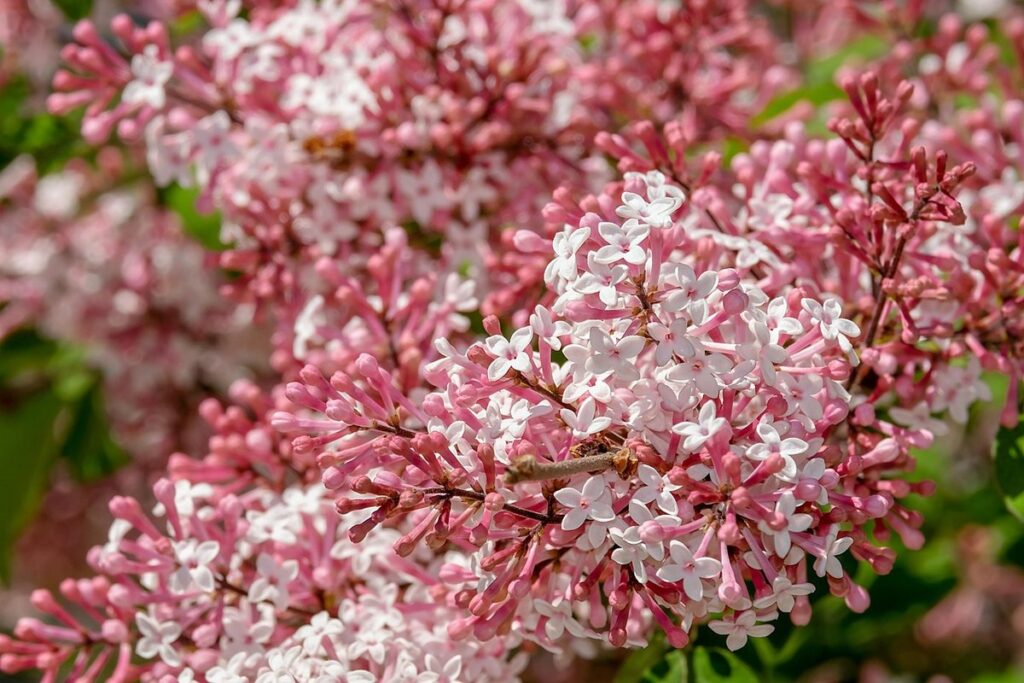
Introduction to Companion Planting for Lilacs
Lilacs are a staple of many gardens, but did you know that certain plants can enhance their fragrance and beauty? Let’s explore some popular companion plants that pair well with lilacs.
What is Companion Planting?
Companion planting is an age-old practice that involves growing different plants together to improve their growth, health, and productivity. By carefully selecting companion plants for lilacs, you can create a harmonious garden ecosystem that benefits both the lilacs and other plants. The benefits of companion planting are numerous: it can help deter pests and diseases, attract beneficial insects, improve soil health, and even enhance the fragrance and beauty of your garden.
When applied to lilac care, companion planting can be particularly effective in promoting healthy growth and reducing maintenance needs. For example, planting marigolds or chives near lilacs can repel nematodes and other pests that can damage the plant’s roots. Meanwhile, basil and mint can improve air circulation around the lilacs, reducing the risk of fungal diseases.
To get started with companion planting for lilacs, choose plants that complement their growth habits and requirements. Consider factors such as sunlight, water needs, and soil preferences when selecting companion plants. Start by researching different plant combinations to find those that work best in your climate and garden conditions.
Benefits of Companion Planting with Lilacs
Growing companion plants alongside lilacs offers numerous benefits that can enhance their overall health and productivity. One of the most significant advantages is improved growth. By introducing companion plants like herbs like mint, lemongrass, or chamomile, you can create a balanced ecosystem that promotes healthy competition for resources like water and nutrients.
This diversity also leads to increased biodiversity in your garden, attracting beneficial insects and pollinators that help with pest control and fertilization. For example, the fragrant flowers of lavender repel pests that target lilacs, such as aphids and whiteflies. Furthermore, plants like comfrey and marigold act as natural fertilizer providers, adding nutrients to the soil that benefit both the companion plants and the lilac.
By incorporating companion planting into your lilac garden, you can reduce the need for pesticides and other chemicals, creating a more sustainable and environmentally friendly gardening practice. As an added bonus, companion plants often have different growth habits and requirements, which can help break up the physical space around the lilac, promoting air circulation and reducing moisture buildup that can lead to diseases.
Choosing Companion Plants for Lilacs
When selecting companion plants for your lilac, it’s essential to choose varieties that complement its growth and blooming patterns, ensuring a harmonious and thriving garden. Let’s explore some excellent options.
Considerations for Selecting Companion Plants
When selecting companion plants for your lilac, several factors come into play. The climate and soil type you’re working with are crucial considerations. If you live in a hot and dry climate, choose drought-tolerant plants that won’t compete with your lilacs for water. Conversely, if you have moist soil, select plants that can thrive in these conditions.
Another important factor is the variety of lilac you have. Some lilacs are more compact or dwarfed, which means they require less space and may be paired with smaller companion plants. On the other hand, taller varieties need to be surrounded by plants that won’t get lost behind them.
Consider the mature size of your companion plants as well. You want to ensure they don’t overcrowd the lilac or compete for resources like sunlight and nutrients. For example, if you’re growing a tall sunflower next to a compact lilac, it may create a lovely visual effect but could potentially shade out the lilac.
Ultimately, choose companion plants that complement your lilacs’ growth habits and environmental requirements. This will create a harmonious and thriving ecosystem in your garden.
Popular Companion Plant Options for Lilacs
When it comes to choosing companion plants for lilacs, there are many options to consider. For a fragrant and visually appealing combination, consider pairing lilacs with herbs like rosemary or lavender. These drought-tolerant plants require minimal maintenance and can thrive in areas with full sun to partial shade.
For added color and texture, coneflowers and black-eyed susans make excellent companion plant options. These flowers attract pollinators and provide a natural source of food for beneficial insects. They also come in a range of colors and bloom times, ensuring a continuous display of blooms throughout the growing season.
Shrubs like boxwood and hydrangea can add structure and depth to your garden bed while complementing lilacs’ stately presence. These plants require regular watering and pruning but offer year-round interest with their evergreen foliage or showy flowers. By incorporating these companion plants into your lilac bed, you’ll create a diverse and thriving ecosystem that benefits from the mutual support of its members.
Companion Plants for Specific Lilac Care Needs
When it comes to tackling specific lilac care needs, companion plants can be a game-changer. Here’s how to choose and grow companions that address common issues like pests and diseases.
Attracting Pollinators to Your Lilac Garden
When it comes to creating an inviting atmosphere for pollinators in your lilac garden, incorporating companion plants that attract bees and butterflies can significantly contribute to the overall health of your plants. These beneficial insects play a crucial role in seed production, which is essential for the reproduction and propagation of your lilacs.
Some excellent choices for attracting pollinators include lavender, coneflower, and black-eyed Susan. These flowers offer nectar-rich blooms that serve as an enticement to bees and butterflies. Planting these species alongside your lilac bushes will not only provide sustenance but also create a welcoming environment for other beneficial insects.
For optimal results, ensure the companion plants are planted at least 12 inches away from the lilac stems to prevent overcrowding. Additionally, consider creating a layered garden by planting taller blooms towards the back and shorter ones in front, allowing bees and butterflies easy access to the nectar-rich flowers.
Repelling Pests That Target Lilacs
When it comes to growing lilacs, pesky pests like aphids, whiteflies, and spider mites can be a real nuisance. These unwanted visitors can weaken the plant’s defenses, making it more susceptible to disease and even killing it if left unchecked. However, there are some clever companion plants that can help repel these pests, giving your lilacs a much-needed break.
Marigolds, for instance, have natural oils that deter nematodes, whiteflies, and aphids, making them an excellent choice to plant alongside your lilacs. Basil is another winner when it comes to pest-repelling properties – its strong scent can ward off spider mites and other unwanted critters. Chives are also worth mentioning, as they release chemicals that repel aphids and other pests.
To make the most of these companion plants, simply plant them around the base of your lilacs in well-draining soil. As a bonus, marigolds and chives can add beautiful blooms to your garden while basil provides a fragrant and edible addition to your herb garden.
Companion Planting for Improved Lilac Growth
When it comes to creating a lush and thriving lilac garden, companion planting is key. We’ll explore how certain plants can improve lilac growth, resilience, and fragrance.
How Companion Plants Affect Soil Quality
When you choose companion plants that benefit lilac growth, their effects on soil quality are just as important. Certain plants can improve soil structure, increase nutrient availability, and even help to break down pollutants, all of which contribute to a healthier environment for your lilacs.
For example, comfrey is a popular choice among gardeners due to its ability to act as a fertilizer plant. Its deep taproots bring up nutrients from the subsoil and make them available to other plants, while its leaves are rich in nitrogen, phosphorus, and potassium. By incorporating comfrey into your lilac bed, you can expect an improvement in soil fertility.
Other companion plants like clover and alfalfa also have a positive impact on soil quality through their nitrogen-fixing abilities. These plants convert atmospheric nitrogen into a form that’s usable by other plants, reducing the need for synthetic fertilizers and minimizing waste.
When selecting companion plants to boost lilac growth, consider those with these beneficial traits to create a thriving ecosystem in your garden.
Companion Plants for Lilac Pruning and Maintenance
When it comes to lilac pruning and maintenance, having the right companion plants by their side can make all the difference. Not only do they enhance the beauty of your lilac garden, but some species also offer practical benefits that reduce the need for manual labor.
Take creeping thyme (Thymus serpyllum), for example. This low-growing, spreading groundcover not only attracts pollinators and adds a fragrant scent to your garden, but its dense foliage also acts as a natural mulch, suppressing weeds and retaining moisture in the soil. By planting creeping thyme around your lilacs, you can reduce the need for frequent watering and weeding.
Another great companion plant is vinca minor (Periwinkle). Its evergreen foliage provides a lush backdrop for your lilacs while its roots help to suppress weeds and prevent erosion on slopes. Regular pruning of periwinkle keeps it in check, but with proper care, it can thrive alongside your lilacs without requiring excessive maintenance.
By incorporating these companion plants into your lilac garden, you’ll be able to enjoy the benefits of reduced manual labor while still achieving a stunning display of color and beauty.
Tips for Successful Companion Planting with Lilacs
Now that you’ve selected the perfect lilac companions, let’s dive into some expert tips to ensure a harmonious and thriving garden. Learn how to maximize your results with these simple yet effective strategies.
Designing a Harmonious Lilac Garden
When designing a lilac garden, it’s essential to consider the mature size of both the lilacs and their companion plants. Take note that lilacs can grow quite tall – up to 15 feet or more – so choose companion plants with varying heights and growth habits to maintain balance.
For example, pair towering lilacs with compact flowers like creeping thyme or dwarf daylilies, which require minimal maintenance and will fill in gaps between the lilac’s foliage. Alternatively, use shorter shrubs like boxwood or hydrangea as a backdrop for the lilac, allowing them to grow together in harmony.
Consider the color palette of your garden when selecting companion plants. Soft pastels, whites, and pale yellows complement lilac blooms beautifully. You can also incorporate structural elements like stone walls or trellises to create visual interest and separate plant groups without disrupting the lilac’s natural form. By mixing heights, textures, and colors, you’ll achieve a harmonious balance in your lilac garden that’s both visually appealing and easy to maintain.
Managing Potential Conflicts Between Companion Plants
When it comes to companion planting with lilacs, potential conflicts can arise between plants that have different growing requirements or sensitivities. For instance, if you pair a drought-tolerant plant like lavender with a water-loving one like hydrangea, you may end up overwatering the hydrangea and creating an environment where both plants struggle to thrive.
Another issue to consider is compatibility of growth habits. Tall plants like sunflowers or corn can shade out smaller companion plants like creeping thyme or chamomile, preventing them from receiving adequate sunlight. Conversely, sprawling plants like mint or lemon balm may overpower more delicate companions and crowd them out.
To avoid these conflicts, choose companion plants with similar growing requirements and growth habits. If you do decide to pair differing plants, make sure to provide the more sensitive plant with its own dedicated space or adjust watering schedules accordingly. By being mindful of potential conflicts, you can create a harmonious coexistence between your lilac and its companions, resulting in a lush, thriving garden ecosystem.
Conclusion: Maximizing the Benefits of Companion Planting with Lilacs
As you’ve learned how to choose and grow companion plants for your lilac, it’s time to see just how much impact they can have on your garden. Let’s explore ways to maximize their benefits now!
Recap of Key Takeaways
As you’ve reached the end of this comprehensive guide on companion plants for lilacs, let’s recap the key takeaways to help you maximize the benefits of incorporating these harmonious pairings into your garden. By now, you’re equipped with the knowledge to choose the right companions that will enhance the growth, bloom, and overall health of your lilac shrubs.
One crucial aspect we discussed was the importance of considering factors like soil type, sun exposure, and watering needs when selecting companion plants for lilacs. By taking these variables into account, you’ll be able to create a balanced ecosystem that fosters healthy relationships between your lilacs and their companions.
We explored various examples of effective companion planting combinations, including pairing lilacs with lavender, roses, and herbs like thyme and rosemary. These partnerships not only provide aesthetic appeal but also offer benefits like improved pest resistance, enhanced fragrance, and increased biodiversity in the garden.
To put these concepts into practice, remember to plant companion species at the right time – typically during the spring or fall when lilacs are dormant – and space them accordingly to prevent overcrowding. Also, be mindful of the mature size of each plant and leave enough room for growth.
Lastly, keep in mind that every garden is unique, so don’t be afraid to experiment with different combinations and observe how they perform over time. With patience, attention to detail, and a willingness to adapt, you’ll unlock the full potential of companion planting with lilacs, creating a thriving and beautiful oasis in your backyard.
Frequently Asked Questions
Can I use companion planting with different types of lilac varieties?
Yes, companion planting can be beneficial for various lilac species, including Syringa vulgaris, Syringa reticulata, and Syringa microphylla. However, it’s essential to research specific companion plants that pair well with each type of lilac, as some may have unique needs or requirements.
How do I prevent potential conflicts between companion plants in my lilac garden?
To minimize conflicts, choose companion plants that have similar growing conditions and space requirements. Monitor your garden regularly for signs of competition, such as stunted growth or overcrowding. Prune or repot plants as needed to maintain a balanced ecosystem.
What if some companion plants start to outcompete my lilacs for water or nutrients?
While companion planting is beneficial, it’s not uncommon for certain plants to become dominant in the garden. Regularly inspect your plants’ water and nutrient levels. Adjust irrigation schedules and fertilizer applications accordingly to ensure your lilacs receive adequate resources.
Can I use companion plants to attract specific pollinators, such as bees or butterflies?
Yes, many companion plants are known to attract beneficial insects like bees and butterflies. Consider adding nectar-rich flowers like coneflowers, bee balm, or lavender to your lilac garden to create a pollinator-friendly environment.
How long does it typically take for the benefits of companion planting to become apparent in my lilac garden?
The effects of companion planting can vary depending on factors such as plant selection, soil quality, and climate. However, you may start noticing improvements in lilac growth, health, and pest resistance within a few weeks to several months after introducing companion plants. Be patient and observe your garden’s progress over time.