
Lavender is one of those lovely additions to any garden, but did you know that its beauty and fragrance can be taken up a notch with some expertly chosen companion plants? By planting these special friends alongside your lavender, you can not only boost its growth and scent, but also improve pest control, pollination, and soil health. It’s all about creating a harmonious garden ecosystem where every plant works together to create a thriving oasis. In this article, we’ll share our top picks for companion plants that will take your lavender game to the next level. From herbs to flowers, we’ve got you covered with expert recommendations that are easy to incorporate into your existing garden or even start from scratch. Get ready to discover how these clever companions can transform your garden and make it an even more wonderful place!
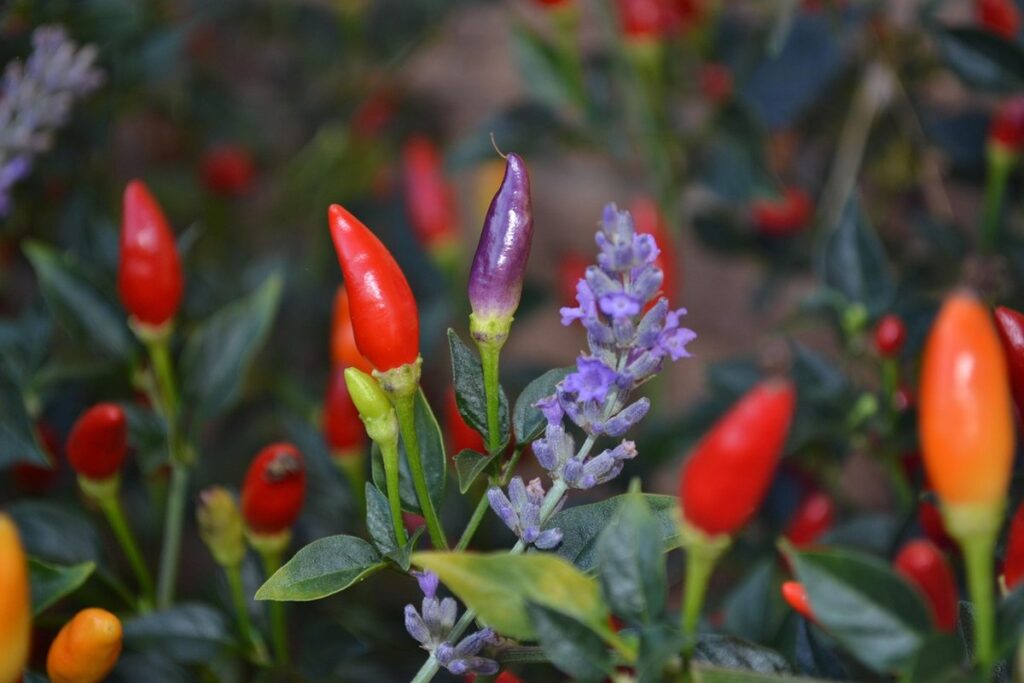
Benefits of Companion Planting with Lavender
When combined with lavender, certain companion plants can enhance its growth, fragrance, and even repel pests that might otherwise harm it. Let’s explore some beneficial pairings to try in your garden.
What is Companion Planting?
At its core, companion planting is a simple yet effective technique that’s been around for centuries. By growing different plants together, you can create a harmonious garden ecosystem where each plant benefits from the presence of others. For lavender, this means choosing companions that will enhance its growth, fragrance, and resilience to pests and diseases.
In essence, companion planting works by exploiting the unique characteristics of each plant species. Some plants repel pests or attract beneficial insects, while others improve soil health or provide shade. When paired with lavender, these complementary effects can result in a more vibrant and fragrant garden. For example, basil is known to repel aphids and other pests that target lavender, making it an excellent companion plant for this herb.
As you plan your companion planting scheme, consider the specific needs of each plant species. Some may require more sunlight or water than others, so ensure you’re providing a suitable environment for all plants to thrive. By doing so, you’ll create a thriving garden community where lavender and its companions work together in perfect harmony.
Choosing the Right Companion Plants for Lavender
When it comes to choosing companion plants for lavender, you want to select species that not only benefit from its presence but also complement its growth habits. One excellent example is rosemary, a natural pest repellent and attractor of pollinators like bees and butterflies. Planting rosemary alongside lavender will encourage these beneficial insects to visit your garden, reducing the need for pesticides.
Other plants that pair well with lavender include thyme, oregano, and marjoram, all of which are known to repel pests and improve soil health. These herbs have a similar growing requirement to lavender, making them easy to care for together. For instance, planting thyme near lavender will help deter whiteflies and aphids, while also adding fragrance to the area.
When selecting companion plants for your lavender, consider their growth habits, sunlight requirements, and watering needs. By choosing species that complement each other’s characteristics, you’ll create a harmonious and thriving garden ecosystem.
Repellent Companion Plants for Pest Control
When growing lavender, it’s essential to consider companion plants that not only complement its fragrance but also help keep pests at bay naturally. Let’s explore some effective repellent options!
Planting Marigolds with Lavender: A Natural Pest Deterrent
When it comes to companion planting with lavender, marigolds are an excellent choice for creating a harmonious and pest-free garden bed. By growing these two plants together, you can take advantage of their natural synergy to repel nematodes and other pests that might otherwise harm your lavender.
Marigolds are known to release chemicals that deter nematodes, microscopic worms that feed on plant roots and can cause significant damage. This is especially beneficial for lavender, which is susceptible to root-knot nematodes. By planting marigolds alongside your lavender, you’re essentially creating a natural barrier against these pests.
To get the most out of this combination, simply intersperse marigold plants among your lavender rows or containers. Make sure to plant them at the same depth as the lavender, and provide both plants with well-draining soil and sufficient sunlight. With proper care, these two plants will thrive together, promoting healthy growth and a pest-free environment for your lavender. As an added bonus, marigolds can also help repel other pests like whiteflies and aphids that might target lavender.
Nasturtiums as Companion Plants for Lavender
Nasturtiums are an excellent choice to pair with lavender due to their impressive pest-repelling abilities. These two plants can coexist harmoniously and even benefit from each other’s growth. Nasturtiums can help deter aphids, whiteflies, and squash bugs that often target lavender, allowing it to thrive without the burden of pests.
To grow nasturtiums as a companion plant for lavender, start by planting them around the perimeter of your lavender bed. This will give them ample space to spread out and repel any potential pests. Make sure to choose a variety of nasturtium that is compact or trailing, such as ‘Empress of India’ or ‘Jewel of Africa’, which will not compete with lavender for resources.
The relationship between nasturtiums and lavender is mutually beneficial, too. Nasturtiums can help shade the soil around lavender plants, preventing it from getting scorched by intense sunlight, while their bright flowers attract pollinators like bees and butterflies that also visit lavender.
Attracting Pollinators with Companion Plants
When it comes to attracting pollinators to your lavender plants, companion planting is a simple yet effective way to boost their growth and fragrance. Let’s explore some natural partners that’ll bring bees and butterflies to your garden!
Bee-Friendly Companion Plants for Lavender
When it comes to attracting pollinators like bees and butterflies to your lavender plants, companion planting is key. By selecting plants that are rich in nectar and pollen, you’ll be creating a haven for these beneficial insects to feed on and multiply.
Some excellent bee-friendly companion plants for lavender include coneflower (Echinacea spp.), black-eyed Susan (Rudbeckia hirta), and cosmos (Cosmos bipinnatus). These flowers not only provide a bounty of nectar but also attract bees, butterflies, and other pollinators. For example, coneflower’s large, showy blooms are particularly attractive to honeybees.
When choosing companion plants for lavender, consider the following:
* Select plants that bloom at different times to ensure a constant source of nectar throughout the growing season.
* Choose plants with varying heights to create layers and attract pollinators from multiple angles.
* Incorporate a mix of annuals and perennials to maintain year-round interest.
By incorporating these tips into your companion planting strategy, you’ll be creating a thriving ecosystem that supports both lavender growth and attracts pollinators.
Sunflowers as a Companion Plant for Lavender: A Pollinator Attractant
When it comes to choosing companion plants for lavender, sunflowers are an excellent choice. Not only do they add a pop of color and height to your garden, but they also attract a variety of pollinators that can help improve lavender’s growth and fragrance. Sunflowers are known to attract bees, butterflies, and hummingbirds, which are all essential for the reproduction of lavender.
By growing sunflowers alongside lavender, you can create a thriving ecosystem that supports the health and productivity of your plants. For example, bees will be attracted to the nectar-rich flowers of the sunflower, and in return, they’ll pollinate the nearby lavender blooms. This mutually beneficial relationship can lead to improved yields and a more vibrant fragrance.
To make the most of this companion planting combination, consider placing sunflowers around the perimeter of your lavender bed or interspersing them throughout the garden. This will create a pollinator-friendly zone that’s perfect for attracting bees and other beneficial insects.
Soil Health and Fertility with Companion Plants
Let’s explore how companion plants can boost soil health and fertility around your lavender, leading to stronger growth and more vibrant blooms.
Comfrey as a Fertilizer Plant for Lavender
When it comes to companion planting with lavender, one of the most beneficial pairings is with comfrey. This incredible plant acts as a fertilizer factory, producing nutrients that enrich the soil and promote healthy growth. By planting comfrey alongside lavender, you can create a nutrient-rich environment that enhances your lavender’s fragrance and resilience.
Comfrey’s deep taproots allow it to access minerals and nutrients deep within the soil, which are then made available to nearby plants like lavender through its extensive network of roots. This process is known as “nutrient mining,” and it’s a game-changer for gardeners looking to reduce fertilizer use and create more sustainable gardens.
To get the most out of this pairing, plant comfrey around the base of your lavender, leaving enough space for the plants to mature without overcrowding each other. As the comfrey grows, its leaves will drop, adding organic matter to the soil that will further enrich it over time. With regular harvesting and pruning, you can keep the comfrey under control while maximizing its benefits for your lavender.
Borage: A Soil-Improving Companion Plant for Lavender
When growing lavender, it’s essential to consider companion plants that not only enhance its growth but also improve soil health. Borage is an excellent choice for this purpose. This annual herb boasts a range of benefits that make it a perfect match for lavender.
By planting borage alongside lavender, you’ll be introducing a natural fertilizer into the soil. The leaves and flowers of borage are rich in calcium, magnesium, and potassium – essential nutrients that promote healthy plant growth. As the plants compete for resources, they stimulate each other’s roots to grow deeper, improving soil structure and increasing its water-holding capacity.
The combination of lavender and borage also encourages beneficial insects like bees and butterflies to visit your garden. Borage flowers attract these pollinators with their bright blue color, which helps to increase the chances of successful cross-pollination between nearby lavender plants. By planting borage as a companion crop, you’ll be creating a thriving ecosystem that supports both plant growth and biodiversity in your garden.
Designing a Lavender Garden with Companion Plants
When it comes to designing a beautiful and thriving lavender garden, companion plants can make all the difference. Let’s explore some lovely options to enhance growth and fragrance in your lavender haven.
Creating a Lavender-Themed Garden Bed
When designing a lavender-themed garden bed, consider creating a space that’s both visually appealing and beneficial for companion plants. Start by selecting a location with well-draining soil, as this is crucial for lavender’s growth and health.
Begin by planting the lavender as the central feature, using a variety like ‘Hidcote’ or ‘Munstead’, which are compact and flowering-friendly. Arrange the companion plants around it in a harmonious way, taking into account their mature size and growth habits. For example, plant tall flowers like sunflowers or cosmos behind the lavender to create a layered effect.
Companion plants like rosemary, thyme, and oregano benefit from lavender’s presence by repelling pests that target them. Plant these alongside your lavender, allowing about 12-18 inches of space between each row. Don’t forget to incorporate some herbs with varying textures and colors to add depth to the garden bed.
Incorporating a mix of annuals and perennials will also ensure year-round interest in your lavender-themed garden bed. For instance, plant creeping thyme as a groundcover around the base of the plants or use marigolds as a border, which repel nematodes that target lavender roots.
Tips for Planting and Maintaining Companion Plants with Lavender
When planting companion plants alongside lavender, it’s essential to consider their growth habits and requirements. Start by selecting species that complement lavender’s full sun and well-draining conditions. For example, rosemary and thyme are natural pairings with lavender, as they share similar growing needs.
To ensure optimal growth, plant companion plants at the same depth and watering schedule as your lavender. Be cautious not to overcrowd, leaving enough space for air circulation and sunlight penetration. This will prevent moisture buildup, reducing the risk of root rot and other diseases that can harm both lavender and its companions.
Some key companion plants for lavender include marigolds, which repel nematodes that can harm lavender roots, and oregano, which attracts beneficial pollinators like bees and butterflies. Regular pruning of these companion plants will also help promote healthy growth and prevent them from competing with the lavender for resources.
Remember to water your companion plants deeply but infrequently to encourage deep root development and make them more drought-tolerant. With proper care, these plants will thrive alongside your lavender, creating a vibrant and fragrant garden oasis.
Frequently Asked Questions
Can I use companion plants with other types of herbs or flowers besides lavender?
Yes, many of the companion plant benefits mentioned in this article can be applied to other herbs and flowers as well! For example, marigolds are a natural pest deterrent that can be used alongside rosemary, thyme, or even sunflowers. Feel free to experiment and find your own favorite pairings.
How do I know which companion plants will thrive in my specific climate and soil type?
To ensure the success of your companion planting efforts, consider researching which plants are well-suited to your local climate and soil conditions. You can also consult with a gardening expert or visit a local nursery for advice on which varieties will perform best.
Can I plant companion plants directly into existing lavender beds, or should I start fresh?
It’s generally recommended to create a new bed specifically designed for companion planting. This allows you to carefully plan and arrange the different plantings to maximize their benefits. However, if you have an existing lavender bed, you can still add companion plants around the edges or in gaps between the lavender stalks.
How do I maintain the health of my companion plants, especially during times when they may not be as beneficial (e.g., winter months)?
To keep your companion plants thriving year-round, make sure to provide them with proper care and attention. During periods when they’re less beneficial, consider pruning or harvesting their foliage to promote regrowth. You can also mulch around the base of the plants to protect the soil from frost damage.
What’s the best way to incorporate new companion plants into an existing garden design without disrupting its overall aesthetic?
When introducing new companion plants, choose ones that complement the color palette and texture of your existing garden beds. Consider mixing tall and short plants, as well as those with different growth habits (e.g., sprawling vs. upright). This will help create a cohesive and visually appealing landscape.