
Are you looking to give your kale garden an extra boost? Companion planting is a game-changer for any gardener, and when it comes to kale, choosing the right companions can make all the difference. Not only do companion plants help to repel pests that target kale, but they also enhance its flavor and improve soil quality – a win-win for your harvest.
If you’re eager to learn how to grow lush, healthy kale, this article is for you. We’ll explore the top companion plants for kale, including marigolds, nasturtiums, and radishes, which not only complement the flavor of kale but also attract beneficial insects that keep pests at bay. By incorporating these tried-and-true companions into your garden, you can expect a more bountiful harvest and healthier soil – all with minimal effort. Read on to discover the secrets to growing kale like a pro!
Benefits of Companion Planting with Kale
By incorporating companion plants alongside kale, you can unlock a range of benefits that will supercharge its growth and flavor. From pest control to nutrient uptake, we’ll explore them all.
Improving Soil Quality through Companions
When it comes to improving soil quality, companion planting is an often-overlooked benefit. Certain plants, like marigold and nasturtiums, can repel pests that harm kale, such as nematodes and whiteflies. These unwanted visitors can drain the soil of its nutrients, leaving your kale struggling to thrive. By planting a mix of companions that repel pests and attract beneficial insects, you’re creating a balanced ecosystem that promotes healthy soil.
Marigold, in particular, is known for its ability to repel nematodes, microscopic worms that can harm kale roots and reduce yields. To incorporate marigold into your companion planting strategy, simply scatter a few seeds around the perimeter of your kale bed every 6-8 weeks. Nasturtiums, on the other hand, attract beneficial insects like lacewings and hoverflies, which prey on aphids and other pests that target kale.
In addition to pest control, some companion plants can also add nutrients to the soil. For example, beans and peas are legumes that fix nitrogen, making it available for other plants to absorb.
Enhancing Kale’s Nutrient Profile
Kale is one of those plants that thrive on nutrient-rich soil. As a heavy feeder, it loves nitrogen-rich environments to grow robust and healthy leaves. But what if you’re growing kale in a depleted soil? Companion planting can bridge this gap by introducing plants that fix nitrogen into the soil. Legumes like beans or peas are excellent examples. They have nodules on their roots where bacteria convert atmospheric nitrogen into a form that’s easily absorbed by the plant.
When grown alongside kale, these legumes contribute significantly to its nutrient profile. By fixing nitrogen in the soil, they create an environment perfect for kale to grow and flourish. In fact, studies have shown that companion planting with legumes can increase soil fertility by up to 30%. To maximize this benefit, simply intercrop beans or peas with your kale plants, allowing them to spread their roots near each other. As the legumes mature, they’ll pump nitrate-rich nutrients into the soil, giving your kale an incredible boost.
Supporting Kale’s Health through Companions
When it comes to keeping kale healthy and thriving, companion planting can be a game-changer. Some plants are naturally better at repelling pests and diseases that target kale, making them invaluable additions to your garden.
Take garlic, for example: this pungent bulb is notorious for its ability to ward off aphids and whiteflies. These pesky insects often feed on kale’s leaves, weakening the plant and reducing yields. By planting garlic nearby, you can create a barrier that prevents these pests from reaching your kale in the first place.
Other plants that make excellent companions for kale include marigold and nasturtium – both of which repel nematodes, microscopic worms that can burrow into kale’s roots and cause damage. By incorporating these plants into your garden design, you’ll be able to reduce the risk of infestation and create a healthier environment for your kale to grow.
When selecting companion plants, remember that proximity is key: aim to plant them within 12-18 inches of your kale to reap the full benefits.
Companion Plants for Kale: A List
When it comes to growing healthy and delicious kale, choosing the right companion plants can make all the difference. Let’s explore some of the best buddies for your kale crop!
Cool-Season Companions for Kale
When it comes to cool-season companions for kale, you’ll want to focus on plants that thrive during the spring and fall seasons when temperatures are cooler. These plants will not only complement the flavor of your kale but also provide a boost to its growth.
Some excellent cool-season companions for kale include spinach, lettuce, and arugula. These leafy greens grow quickly and can be harvested in as little as 20-30 days, making them perfect for intercropping with kale. Spinach, in particular, is a great choice because it has similar growing conditions to kale and can help to repel pests like aphids and whiteflies.
Other cool-season companions you might consider include radishes, which can be harvested in as little as 20 days and can help to improve soil health by breaking up compacted soil. Chervil is also a great choice, with its delicate flavor and fragrance that complements kale perfectly.
When choosing cool-season companions for your kale, remember to plant them at the same time or slightly before planting your kale crop. This will give them enough time to establish themselves before the kale starts to grow.
Warm-Season Companions for Kale
When it comes to warm-season companions for kale, you’ll want to focus on plants that thrive in the same conditions but require different care. Cucumbers are an excellent choice as they love the same well-drained soil and full sun that kale enjoys. Planting cucumbers near your kale bed can help shade the soil, reduce moisture loss, and even provide a living trellis for the cucumbers to climb.
Squash is another warm-season companion that pairs well with kale. Whether you grow zucchini, yellow crookneck, or acorn squash, these vining plants will spread out and provide a physical barrier to prevent pests from reaching your kale. Plus, as they mature, their sprawling leaves will help to create a microclimate around the kale plants, retaining moisture and keeping weeds at bay.
To make the most of this companion planting strategy, be sure to plant warm-season companions like cucumbers or squash on the north side of your kale bed, allowing them to spread out without crowding the kale. This way, you’ll get the benefits of shade, pest control, and improved soil health all in one go!
Companion Plants for Specific Varieties of Kale
When it comes to growing specific varieties of kale, choosing the right companion plants can make all the difference. For instance, if you’re cultivating lacinato (Tuscan) kale, consider planting basil nearby. This classic Italian combination is not only visually appealing but also helps deter pests that target kale, such as aphids and whiteflies.
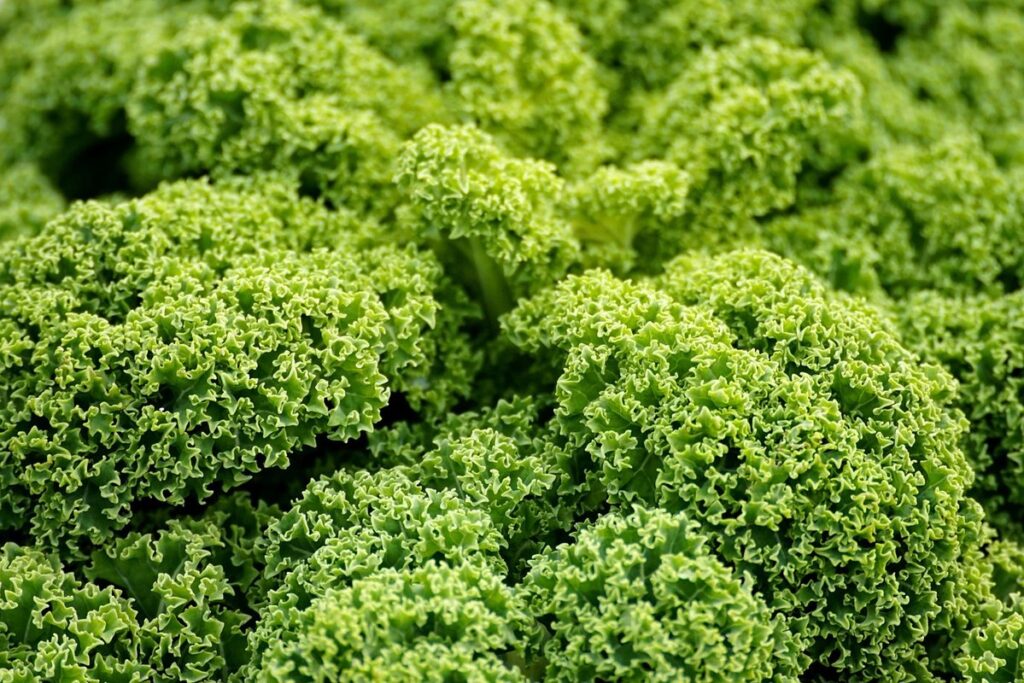
Curly-leaf kale, on the other hand, pairs well with chives or garlic. These pungent plants repel aphids and spider mites, while also adding a subtle flavor to the surrounding soil. Radishes are another great choice for curly-leaf kale, as they help break up compacted soil and improve drainage.
For Russian red kale, try pairing it with nasturtiums or marigolds. These colorful blooms attract beneficial insects that prey on pests, reducing the need for pesticides. They also add a pop of color to your garden, making it a visually appealing combination.
Remember, companion planting is all about creating a balanced ecosystem in your garden. By choosing plants that complement each other’s growth habits and pest-repellent properties, you can boost your kale’s flavor and growth while minimizing the need for external interventions.
How to Choose the Right Companion Plants
When selecting companion plants for your kale, it’s essential to choose varieties that complement its growth habits and thrive in similar conditions. Let’s explore how to make these perfect pairings happen.
Considering Companion Plant Requirements
When selecting companion plants for kale, it’s essential to consider their requirements to ensure they thrive alongside your crop. Start by assessing your climate and growing conditions. If you live in a hot and dry region, choose companions that are drought-tolerant or require minimal watering. For example, marigolds and nasturtiums can handle high temperatures and conserve moisture.
Conversely, if you’re in an area with mild winters and cool summers, consider plants like calendula and chamomile, which prefer cooler conditions. Additionally, think about the sunlight your companion plants will receive. If they’ll be competing for light with your kale, choose ones that can tolerate shade or have a similar light requirement.
Lastly, don’t forget to consider soil type when selecting companions. For instance, if your soil is heavy clay or sandy, choose plants that prefer those conditions, like strawberries or comfrey. By matching the companion plant’s requirements with your growing conditions, you’ll set both your kale and its neighbors up for success.
Integrating Companion Plants into Your Garden
When incorporating companion plants into your kale garden, it’s essential to consider their placement and rotation. Start by choosing a spot for your companion plants that receives similar sunlight and water conditions as your kale crop. This will ensure they thrive alongside your kale.
Aim to plant companion plants at least 6-8 inches away from your kale to prevent overcrowding and competition for resources. Some popular companion plants, like marigolds and nasturtiums, have a more aggressive growth habit and may require even more space. Be mindful of their mature size when selecting varieties.
To make the most of companion planting, rotate your crops seasonally. Plant legumes or nitrogen-fixing plants in areas where you previously grew heavy feeders like kale. This will replenish soil nutrients and reduce the need for synthetic fertilizers. For example, plant beans or peas between rows of kale to benefit from their nitrogen-rich leaf litter when they finish their growth cycle.
Overcoming Common Challenges with Companion Planting
One of the most significant challenges gardeners face when using companion planting with kale is competition for resources. Companion plants can sometimes compete with kale for water, nutrients, and sunlight, potentially hindering its growth and flavor. To overcome this challenge, choose companion plants that are not aggressive growers and won’t outcompete your kale. For example, marigolds and nasturtiums are excellent companion plants for kale as they’re relatively low-maintenance and don’t compete for resources.
Another common obstacle associated with companion planting is attracting pests to your kale crop. Companion plants like dill and fennel can attract beneficial insects that prey on pest species, but sometimes these plants themselves become a target for pests. To minimize this issue, plant companion species at a distance from the targeted pests or use physical barriers to protect your kale.
By being aware of these challenges and taking proactive steps, you can successfully incorporate companion planting into your kale garden and enjoy the benefits of boosted growth and flavor.
Growing Kale and Companions Together
When it comes to growing kale, pairing it with complementary plants can make a world of difference in its flavor and yield. Let’s explore some excellent companion options for a thriving kale crop.
Tips for Planting Companion Plants
When planting companion plants alongside kale, timing is crucial. In general, it’s best to plant companions that repel pests and attract beneficial insects when kale is about 6-8 inches tall. This allows the companions to get established before the main crop of kale begins to take over.
For optimal growth, space companion plants at a distance of about 12-18 inches from the center of each kale plant. For example, if planting marigolds or nasturtiums as companions, place them on the north side of the bed to prevent shading the kale. On the other hand, if planting sun-loving herbs like basil or rosemary, position them on the south side of the bed where they can receive maximum sunlight.
When it comes to depth considerations, plant taller companions at least 6-8 inches away from the center of the kale plant to avoid shading its leaves. This will allow both plants to receive sufficient light and air circulation. Remember to water companion plants regularly, but avoid overwatering, which can lead to fungal diseases that harm both the kale and its companions.
Maintaining a Balanced Ecosystem through Companion Planting
When using companion planting techniques with kale, it’s essential to maintain balance within your garden ecosystem. This might seem like a no-brainer, but it’s surprising how quickly an imbalance can creep in and affect the health of your plants.
Think about it like a big ecosystem web: every plant has its own needs, preferences, and interactions with others. A single change can disrupt this delicate balance, leading to problems down the line. For example, if you have too many nitrogen-fixing legumes nearby, they might steal all the nutrients from your kale, causing it to become stunted or weak.
To avoid this, choose companion plants that complement your kale’s needs rather than competing with them. Consider adding plants like marigolds or nasturtiums, which repel pests that target kale without stealing its resources. By striking a balance between different plant types and growth habits, you’ll create a harmonious ecosystem that supports healthy growth and flavor in your kale.
Some key things to keep in mind when maintaining this balance include:
* Planting companion species at the right density: not too many or too few
* Selecting plants with similar growing requirements (light, water, etc.)
* Avoiding plants that compete for nutrients or water
* Encouraging beneficial insects and pollinators through a diverse plant selection
Additional Considerations for Companion Planting with Kale
When it comes to companion planting with kale, there are a few more factors to consider beyond just pairing it with beneficial neighbors. Let’s explore these additional considerations together.
Potential Risks or Allergies to Consider
When choosing companion plants for kale, it’s essential to consider potential risks or allergies that may be associated with certain varieties. Some plants can cause skin irritation or toxicity, especially when handled excessively or ingested.
For example, the popular companion plant, nasturtiums (Tropaeolum majus), contains a toxic compound called tropane alkaloid, which can cause nausea and vomiting if ingested in large quantities. While it’s rare for people to eat large amounts of nasturtium flowers or leaves, it’s still crucial to handle them carefully and avoid eating any parts of the plant.
Similarly, some plants like chamomile (Matricaria chamomilla) and lemongrass (Cymbopogon citratus) can cause skin irritation in sensitive individuals. When handling these plants, make sure to wear gloves and wash your hands thoroughly after handling.
If you’re allergic to certain plants or have sensitive skin, be cautious when introducing new companion plants to your garden. Start with small amounts and monitor your body’s reaction before incorporating more quantities. Always research potential allergens and take necessary precautions to minimize risks.
Maximizing Benefits through Companion Plant Pairings
When it comes to companion planting with kale, pairing certain plants can greatly enhance its growth and flavor. One of the best ways to maximize benefits is by selecting companions that repel pests, improve soil health, and provide shade. For example, plant marigolds alongside kale to deter nematodes and other pests. Their strong scent also repels aphids and whiteflies.
Another effective pairing is with basil and mint, which improve soil fertility through their extensive root systems. These herbs help break up compacted soil, allowing water and nutrients to reach the roots of your kale more efficiently. Additionally, nasturtiums provide a natural barrier against aphids and other pests, while also attracting beneficial insects that pollinate your kale.
To get the most out of companion planting with kale, be sure to plant at least two or three different companions together. This will create a diverse ecosystem that benefits from the unique properties each plant offers. Simply choose varieties that thrive in similar conditions and won’t compete for resources like water and nutrients.
Frequently Asked Questions
What are the best companion plants to pair with curly kale versus lacinato (also known as ‘dino’ kale)?
When it comes to pairing companions with specific varieties of kale, consider their unique characteristics and growth habits. For example, radishes can be a good match for curly kale as they repel cucumber beetles that target this variety. Meanwhile, nasturtiums complement lacinato kale by attracting beneficial insects and adding nutrients to the soil.
How can I ensure my companion plants don’t compete with my kale for water and nutrients?
As companion planting aims to create a balanced ecosystem, it’s essential to choose combinations where each plant complements the others without competing for resources. For instance, pair low-water plants like marigolds with drought-tolerant varieties of kale or radishes that don’t require excessive watering.
Are there any specific companion plants I can use in indoor containers or small gardens?
When gardening indoors or in limited space, opt for compact companions like dwarf sunflowers or calendula. These won’t overwhelm your kale and will help to repel pests without taking up too much room.
Can I combine cool-season and warm-season companion plants in the same garden?
To create a thriving ecosystem, plant cool-season companions (like broccoli) alongside your kale during spring and summer months, then switch to warm-season companions (such as basil or zinnias) once the weather warms up.
How often should I replace my companion plants to maintain their effectiveness?
As companion plants mature, their effectiveness may decline. Replace them regularly, ideally every 3-4 weeks, with fresh companions that will continue to support your kale’s growth and health.
(Note: The answers aim to provide actionable advice, clarify implementation details, and address practical next steps or potential challenges.)