
If you’re like many gardeners, you adore hostas for their beautiful foliage and versatility. But did you know that these wonderful plants can thrive even better with some carefully chosen companions? By planting certain species alongside your hostas, you can not only improve growth and reduce pests but also enhance the overall health of your garden.
In this article, we’ll explore the best companion plants for hostas – from sun-tolerant options like daylilies and coneflowers to shade-loving varieties such as ferns and impatiens. We’ll cover why these pairings are so effective, what benefits you can expect, and how to choose the perfect companions for your specific garden needs. Whether you’re a seasoned gardener or just starting out, this guide will help you create a thriving and harmonious hosta garden.
Understanding Hosta Care and Benefits
To fully appreciate the benefits of companion planting with hostas, it’s essential to understand their unique care requirements and what they can bring to your garden. Let’s break down these basics together.
What are Hostas and Why Are They a Popular Choice?
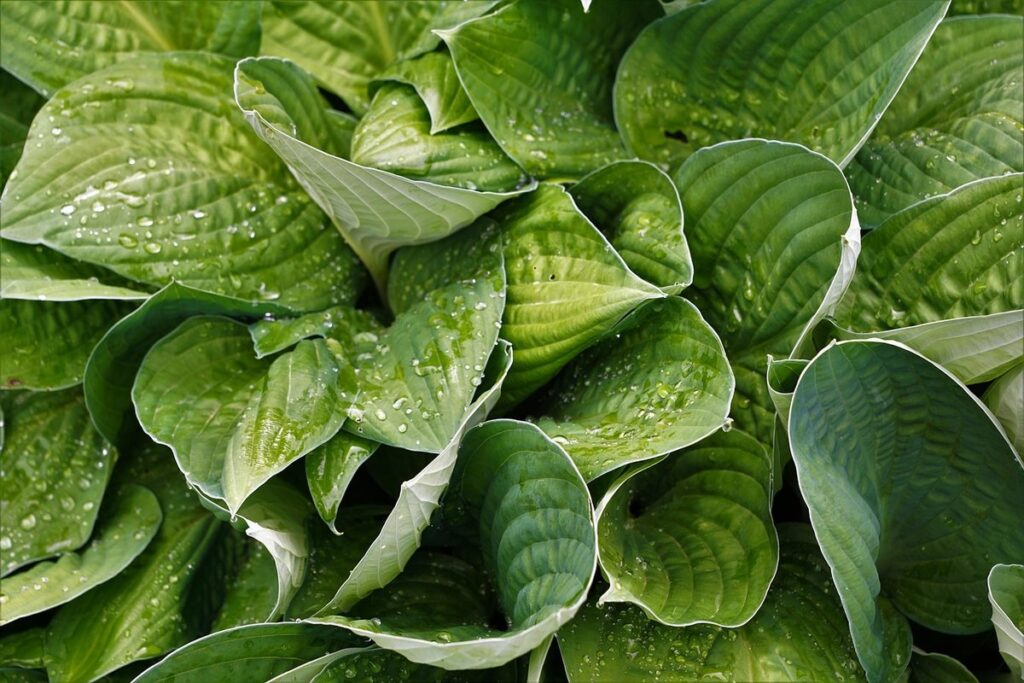
Hostas are one of the most versatile and low-maintenance perennials in the world of gardening. Native to East Asia, these shade-loving plants have been a staple in gardens for centuries due to their unique benefits. One of the primary reasons hostas are a popular choice among gardeners is their ability to thrive in areas with limited sunlight. Their broad, flat leaves store energy during the day and release it at night, making them ideal for shaded spots.
Hostas also offer an array of benefits that make them a favorite among gardeners. They’re extremely low-maintenance, requiring minimal watering and fertilization. This makes them perfect for busy gardeners or those new to gardening. Additionally, hostas are excellent air purifiers, removing pollutants and toxins from the air. With over 7,000 registered cultivars, hostas come in a variety of shapes, sizes, and colors, allowing gardeners to choose the perfect fit for their space.
As you explore companion planting options for your hostas, understanding their unique characteristics is essential. By incorporating hostas into your garden design, you can create a harmonious and thriving ecosystem that requires minimal upkeep. In this comprehensive guide, we’ll delve into the world of companion plants for hostas, exploring the best pairings to enhance growth, reduce pests, and add visual interest to your garden.
Basic Requirements for Healthy Hostas
To provide the best environment for your hostas to thrive alongside their companion plants, it’s essential to meet their basic requirements. These include sufficient sunlight, consistent water supply, suitable soil composition, and proper fertilization.
Sunlight plays a crucial role in hosta growth. They prefer partial shade to full sun, depending on the variety. For areas with intense sunlight, consider planting them towards the north or east side of your garden bed. Conversely, if your hostas are exposed to low light conditions, supplement with artificial lighting to prevent legginess.
Water requirements for hostas vary by region and climate. Typically, they need regular watering during hot summer months but less frequent watering in cooler periods. Be cautious not to overwater, as this can lead to root rot. Check the soil moisture daily by inserting your finger into the soil up to the knuckle.
Hostas prefer well-draining soil rich in organic matter. Mix in compost or peat moss to improve soil fertility and drainage. A slightly acidic pH between 6.0 and 7.0 supports optimal growth. Finally, fertilize hostas lightly during spring with a balanced fertilizer (10-10-10 NPK). Avoid overfertilizing, as this can cause excessive leaf growth at the expense of flower production.
By meeting these basic requirements, you’ll create an environment where your hostas and companion plants can flourish together.
Choosing Companion Plants for Hostas
When selecting companion plants for hostas, it’s essential to consider their growth habits and space requirements to create a harmonious and thriving garden environment. Here are some tips to keep in mind.
Benefits of Companion Planting for Hostas
When you plant companion plants alongside your hostas, you can expect to see several benefits that enhance their growth and overall health. For one, companion planting helps improve soil quality by attracting beneficial insects like bees and butterflies that pollinate flowers and contribute to nutrient-rich compost.
Companion plants also serve as a natural barrier against pests and diseases that often target hostas. For instance, marigolds repel nematodes, which can damage hosta roots, while garlic keeps aphids at bay. By planting these companions near your hostas, you reduce the need for chemical pesticides and create a more balanced ecosystem.
In addition to pest control, companion plants like comfrey help fertilize hostas through their deep taproots that bring up nutrients from the subsoil. This reduces the need for external fertilizers, making companion planting an eco-friendly gardening practice. By adopting this approach, you’ll not only enjoy healthier hostas but also contribute to a thriving garden ecosystem that requires minimal maintenance.
Selecting Companion Plants Based on Growth Habits
When selecting companion plants to pair with hostas, it’s essential to consider their growth habits. A balanced and thriving ecosystem is created when different plant types are combined. This diversity helps prevent pests and diseases from taking hold, as various plants have unique ways of fighting off threats.
Hostas, being shade-loving plants, benefit from companions that provide contrasting growth habits. For instance, sun-loving plants like lavender or coneflower can be placed on the north side of a hosta bed to maximize sunlight exposure while still providing a balance between shade and sun.
Consider planting tall companion plants behind shorter ones, creating layers within your garden bed. This not only adds visual interest but also prevents shading out smaller plants. For example, placing a tall fern or grass behind a low-growing groundcover like creeping thyme can create a beautiful layered effect while ensuring each plant receives the right amount of light.
Remember to choose companion plants with different growth rates as well, so that your garden bed remains visually appealing throughout the growing season. This ensures a continuous display of blooms and foliage without overcrowding or bare spots.
Top Companion Plant Options for Hostas
When selecting companion plants for your hostas, it’s essential to choose varieties that complement their growth and needs. Let’s explore some top picks perfect for pairing with these beautiful perennials.
Shade-Loving Companions for Hostas
If you’re looking to add some flair to your shaded garden beds, consider incorporating companion plants that love the shade just as much as hostas do. Impatiens are a popular choice for their vibrant blooms and ability to thrive in low-light conditions. With over 100 species to choose from, you can find an impatien variety to match any color scheme or style.
Pairing impatiens with hostas creates a stunning visual effect, as the bold foliage of the hosta is balanced by the delicate flowers of the impatien. Just be sure to plant them close together to create a cohesive look. Coleus is another great option for shade-loving companion plants, offering an array of leaf colors and patterns that add depth and interest to your garden beds.
Ferns are also a natural fit for shaded areas, with their delicate fronds swaying gently in the breeze. When pairing ferns with hostas, try incorporating a mix of different species to create a lush, tropical atmosphere. For example, you could pair a large hosta with a variety like the autumn fern (Dryopteris erythrosora) or the maidenhair fern (Adiantum spp.).
Sun-Tolerant Companions for Hostas
If you’re looking to add some sun-tolerant companions to your hosta garden, look no further than daylilies, black-eyed susans, and coneflowers. These beautiful plants not only thrive in full-sun areas but also complement the shade-loving hostas perfectly.
Daylilies, with their vibrant blooms and sturdy stems, are an excellent choice for hot, sunny spots. They come in a variety of colors and bloom times, making them easy to pair with your hostas. Plus, they’re virtually maintenance-free, requiring minimal watering and care.
Black-eyed susans, on the other hand, bring a cheerful, bright yellow hue to your garden. Their tall stems and sprawling growth habit make them perfect for adding a pop of color to areas where hostas may be too dense. They also attract butterflies and bees, making them a great choice for pollinator gardens.
Coneflowers are another excellent option for sun-tolerant companions. With their statuesque stems and vibrant purple blooms, they add a touch of elegance to any garden bed. Plus, they’re drought-tolerant and require minimal care, making them perfect for busy gardeners.
When pairing these plants with your hostas, be sure to plant the taller varieties towards the back or center of your bed, allowing the shorter hostas to shine in front. This will create a beautiful, layered effect that’s both visually appealing and easy to maintain.
Companion Planting Strategies for Hostas
When it comes to companion planting, hostas can benefit from certain plants that repel pests and improve their growth conditions. Let’s explore some effective pairing strategies for these versatile shade-lovers.
Mass Planting: Creating a Hosta-Themed Garden
When it comes to creating a stunning visual display with hostas as the focal point, mass planting is an excellent strategy. By grouping multiple hosta plants together, you can create a dramatic effect that’s perfect for adding texture and interest to your garden.
To achieve this look, start by selecting a variety of hosta cultivars that differ in foliage color, shape, and size. You can mix and match different shades of green, blue-green, or even gold-tinged varieties to add depth and visual appeal. For example, combine ‘Blue Mouse Ears’ with ‘Gold Standard’ for a striking contrast between blue-green and golden foliage.
Next, choose complementary flowers that will bloom around the same time as your hostas. Some excellent options include Daylilies (Hemerocallis), which provide vibrant blooms in shades of pink, purple, or yellow, and Coneflowers (Echinacea), which add a burst of color with their large, drooping blooms. Remember to plant these flowers at staggered intervals to create a layered look that draws the eye upward.
To complete your mass planting scheme, consider incorporating foliage plants like Ferns (Various species) or Grasses (Pennisetum, among others). These will add movement and texture to your garden while providing a subtle backdrop for your hostas. By mixing and matching different varieties of hostas, complementary flowers, and foliage plants, you can create a stunning hosta-themed garden that’s sure to be the envy of your gardening friends!
Intercropping: Pairing Hostas with Vegetables and Fruits
Intercropping hostas with vegetables and fruits is a game-changer for gardeners looking to boost growth, improve pest control, and create a diverse ecosystem. By pairing these seemingly disparate plants, you can unlock a range of benefits that will take your gardening skills to the next level.
When it comes to companion planting, hostas make excellent intercropping partners due to their shade tolerance and ability to suppress weeds. For instance, try growing lettuce or spinach under a mature hosta plant – not only will they thrive in the dappled shade, but the hosta’s deep roots will also help keep competing weeds at bay.
Some other vegetables that pair well with hostas include carrots, radishes, and cucumbers. These plants benefit from the hosta’s shading effect, which reduces soil temperature and prevents moisture loss. Tomatoes are another great choice – their sprawling growth habit makes them a perfect candidate for intercropping beneath a towering hosta.
To reap the rewards of intercropping, remember to choose companion plants that have different growing requirements and space needs. This will create a diverse microclimate, where each plant can thrive without competing with its neighbors. With a little planning and creativity, you’ll be enjoying a thriving, productive garden in no time.
Common Companion Planting Mistakes to Avoid
When growing companion plants for hostas, it’s easy to get carried away and make mistakes that can harm your garden. Let’s explore some common errors to steer clear of.
Overcrowding and Under-Planting Hosta Beds
When creating a companion plant bed around hostas, it’s easy to fall into common mistakes that can actually harm these beautiful plants. One of the most significant errors is overcrowding. Planting too many hostas and other companion plants together can lead to reduced air circulation, increased moisture retention, and increased susceptibility to disease. To avoid this issue, aim for a 1-2 foot space between each mature hosta plant. This will also allow for proper sunlight penetration and access for maintenance.
Under-planting is another common mistake. While hostas are often the focal point of the bed, companion plants are essential for adding texture, color, and attracting beneficial pollinators. To ensure a balanced look, mix in at least 20% to 30% companion plants with your hosta collection. Some excellent options include coral bells (Heuchera spp.), creeping thyme (Thymus serpyllum), or dwarf daylilies (Hemerocallis spp.).
Failing to Research Companion Plant Compatibility
When it comes to companion planting with hostas, one of the most critical mistakes gardeners make is failing to research potential plants for compatibility. This oversight can lead to a range of problems, from reduced plant growth and health issues to even the loss of an entire garden bed.
Hostas have specific needs and requirements when it comes to their surroundings, and not all companion plants are suitable. For instance, planting certain flowers or shrubs too close to hostas can attract pests that target these beautiful perennials. On the other hand, some plants may compete with hostas for water and nutrients, further stressing them out.
To avoid these issues, it’s essential to research potential companion plants thoroughly before introducing them to your garden. Check if the plant has similar growing conditions and requirements as hostas, such as light and watering needs. Some excellent examples of companion plants that are compatible with hostas include coral bells, ferns, and astilbe.
Before making a final decision, consider factors like mature size, growth habits, and spreading patterns to ensure they won’t overwhelm your hostas or compete for resources. By taking the time to research potential companion plants, you can create a harmonious and thriving garden ecosystem that showcases your beautiful hostas.
Advanced Companion Planting Techniques for Hostas
When it comes to maximizing your hosta’s growth and health, consider incorporating these advanced companion planting techniques that enhance their beauty and resilience in the garden. By combining them with suitable companions, you’ll be amazed at the results.
Using Companion Plants to Repel Pests Naturally
When it comes to using companion plants to repel pests naturally, there are several advanced techniques you can employ to protect your hostas. One of the most effective methods is using marigolds to deter nematodes. These microscopic worms can wreak havoc on hosta roots, causing them to become stunted and weakened.
To use marigolds effectively, plant them around the perimeter of your hosta bed. The strong scent of marigold repels nematodes, keeping them from getting close to your prized plants. Another benefit of using marigolds is that they attract beneficial insects like ladybugs and lacewings, which prey on common pests like aphids and whiteflies.
You can also use companion planting to deter other pests, such as Japanese beetles and slugs. Planting garlic or chives near your hostas repels these unwanted visitors. Basil and mint are also natural pest repellents that work well with hostas. Simply plant them in close proximity to your hostas, and enjoy the benefits of a healthy, pest-free garden.
By incorporating these advanced companion planting techniques into your gardening routine, you can create a balanced ecosystem that naturally repels pests and keeps your hostas thriving.
Companion Planting for Improved Soil Health
When it comes to companion planting, many gardeners focus on its benefits for plant growth and pest control. However, another crucial aspect of companion planting is its impact on soil health. By carefully selecting and combining plants, you can improve the structure, fertility, and overall health of your soil.
One way to achieve this is through the use of cover crops and green manure. These are plants that are intentionally grown for their ability to enrich the soil with nutrients and organic matter. For example, winter rye is a popular choice for covering bare spots in the garden during the off-season. Its deep roots bring up nutrients from lower soil layers, making them available to subsequent plantings.
To incorporate cover crops into your companion planting strategy, try planting a mix of annuals and perennials in the fall or early spring. Allow them to grow and mature, then chop them down and leave them on the soil surface as a natural mulch. As they break down, they’ll add rich nutrients and improve soil structure.
Frequently Asked Questions
Can I use companion planting with hostas in containers?
Yes, you can definitely use companion planting with hostas in containers. In fact, this method can be even more beneficial for container gardens as it helps to improve soil health and reduces the need for fertilizers. Choose compact or dwarf varieties of companion plants that fit well within your container’s space.
How do I prevent overcrowding when mass planting hostas?
To avoid overcrowding when mass planting hostas, make sure to leave enough space between each plant for proper air circulation and growth. A general rule of thumb is to plant hostas 12-18 inches apart, depending on their mature size. Also, consider the growth habits of your companion plants and choose those that complement the height and spread of your hostas.
Can I use companion planting to repel pests naturally?
Yes, many companion plants have natural pest-repellent properties that can benefit your hosta garden. For example, basil is known to repel aphids and whiteflies, while mint can help deter ants and other pests. Incorporate these plants into your companion planting strategy to create a healthier and more balanced ecosystem.
How do I choose the right companion plants for my specific garden needs?
Choosing the right companion plants depends on several factors including the amount of sunlight, soil type, and growth habits in your garden. Take note of the specific requirements mentioned in our article, such as shade-loving or sun-tolerant varieties, to ensure you select plants that thrive in your environment.
Can I use companion planting with hostas in areas with poor soil quality?
Yes, companion planting can be especially beneficial in areas with poor soil quality. By selecting companion plants that improve soil health and fertility, you can create a more balanced ecosystem even in challenging conditions. Look for plants like comfrey or clover that add nutrients to the soil as they grow.