
If you’re a gardener who loves growing brassicas like broccoli, cauliflower, or kale, you know that these nutritious veggies can be quite finicky. However, with the right companion plants by their side, you can create a thriving ecosystem that promotes healthy growth and reduces pests. That’s where companion planting comes in – a simple yet effective technique that pairs different plants together to enhance each other’s benefits. In this article, we’ll explore some of the best companion plants for brassicas, including marigolds and nasturtiums. You’ll learn expert tips on crop rotation, mulching, and biodiversity, as well as how to create a balanced garden environment that will make your brassica crops thrive. By following our guide, you can enjoy a bountiful harvest while minimizing the need for pesticides and other chemicals.
Understanding Brassica Family and Their Needs
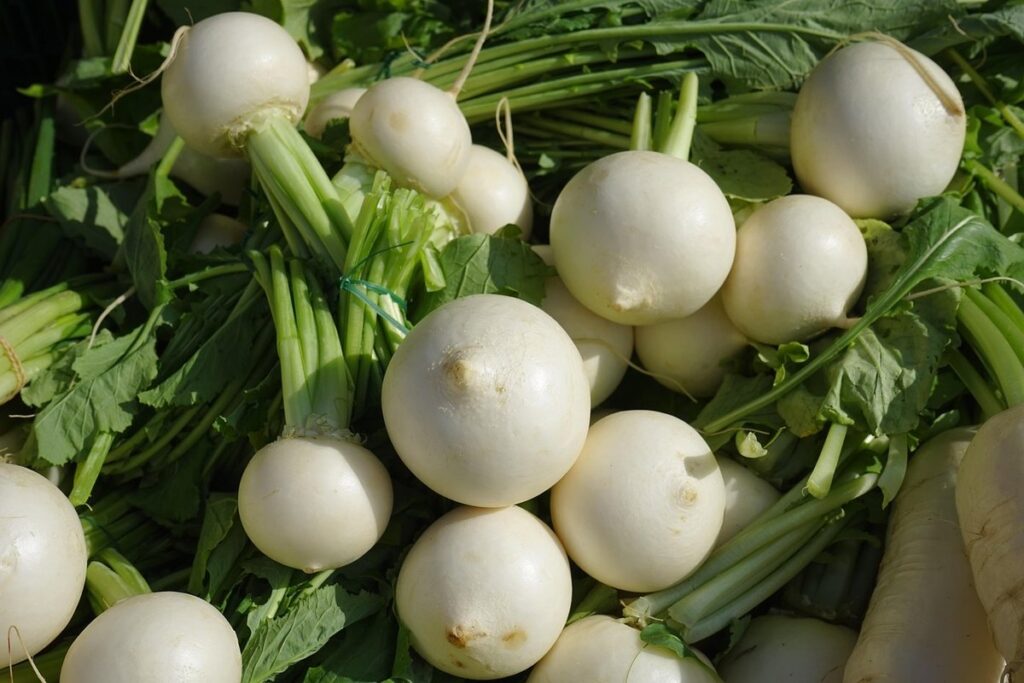
To grow healthy brassicas, you need to understand their unique needs, including optimal growing conditions and companions that enhance their flavor and prevent pests. This is where knowing your brassicas comes in handy.
Benefits of Companion Planting for Brassicas
When it comes to growing brassicas like broccoli, cauliflower, and kale, companion planting can make all the difference. By pairing these nutrient-dense veggies with other plants that complement their needs, you’ll not only boost growth but also improve flavor and pest resistance.
For instance, nasturtiums are a natural repellent for aphids and whiteflies, which love to snack on brassicas. Planting them nearby can reduce the need for pesticides and keep your crops healthier. Similarly, calendula flowers attract beneficial insects that prey on pests, creating a balanced ecosystem around your plants.
Radishes, on the other hand, are great companions for brassicas as they repel cucumber beetles and other pests. Their fast growth rate also makes them an excellent choice to rotate with slower-growing brassicas. By planting radishes between rows of broccoli or cauliflower, you’ll reduce soil-borne diseases and create a healthier environment for your crops.
Remember, companion planting is all about creating harmony in the garden. Experiment with different pairings and observe what works best for your specific climate and crop conditions.
Common Problems Faced by Brassicas
Brassicas are indeed one of the most susceptible crops when it comes to pests and diseases. These issues can be quite detrimental if left unchecked, reducing yields and affecting overall plant health. Let’s take a closer look at some of the common problems faced by brassicas.
One of the most prevalent issues is aphids. These tiny insects feed on sap, causing curled or distorted leaves. Whiteflies are another concern, as they spread disease and create an ideal environment for fungal growth. Then there’s powdery mildew – a fungal disease that appears as a white, powdery coating on leaves.
To tackle these problems, it’s essential to understand how companion plants can help mitigate them. For instance, planting marigolds nearby has been shown to deter nematodes and other pests. Nasturtiums repel aphids and whiteflies, while calendula flowers attract beneficial insects that prey on pests. By incorporating these companion plants into your brassica garden, you can significantly reduce the risk of infestation and disease.
When selecting companion plants for your brassicas, consider their growth habits, maturity dates, and space requirements to ensure a harmonious coexistence.
Selecting Companion Plants for Brassicas
When choosing companion plants for your brassicas, it’s essential to select varieties that complement their growth patterns and needs. Consider the mature size of each plant to ensure a harmonious coexistence in your garden.
Repellent Plants for Common Pests
When it comes to protecting your brassica crops from pests, companion planting is an effective and natural solution. Certain plants have natural oils or chemicals that repel pests, making them ideal companions for brassicas. For example, basil’s strong scent repels aphids, whiteflies, and mites, while its neighboring plants benefit from reduced pest pressure.
Other repellent plants include nasturtiums, which are known to deter aphids, squash bugs, and caterpillars. Their bright flowers also attract beneficial insects like lacewings, adding an extra layer of protection for your crops. Garlic is another effective repellent plant, as its strong smell deters aphids, spider mites, and other pests that target brassicas.
To use these repellent plants effectively, simply plant them alongside your brassica crops. You can intercrop them within the same bed or create a barrier around the perimeter of the bed to maximize their benefits. Be sure to plant multiple varieties together, as this will help to create a balanced ecosystem and reduce pest pressure on your crops. By incorporating these repellent plants into your companion planting strategy, you’ll be well-equipped to keep common brassica pests at bay.
Attracting Beneficial Insects and Microorganisms
When it comes to growing brassicas like broccoli, cauliflower, and kale, it’s not just about providing them with the right soil and sunlight. Companion planting plays a crucial role in attracting beneficial insects and microorganisms that help pollinate, fertilize, and defend against diseases.
Beneficial relationships are essential for healthy growth. For example, bees and butterflies pollinate brassicas, allowing them to produce seeds. Without these pollinators, plants would struggle to reproduce, reducing crop yields. Similarly, beneficial microorganisms like mycorrhizal fungi form symbiotic relationships with plant roots, increasing nutrient uptake and improving soil structure.
To attract beneficial insects and microorganisms, incorporate plants like marigolds, nasturtiums, and dill into your brassica garden. These “trap crops” release chemicals that repel pests and attract beneficial pollinators. Plant them nearby to create a diverse ecosystem that promotes healthy growth and minimizes the need for pesticides. By nurturing these beneficial relationships, you’ll enjoy bountiful harvests and healthier plants that are better equipped to resist disease.
Brassica-Specific Companion Plants
When it comes to growing healthy brassicas, pairing them with complementary plants can make all the difference. In this next section, we’ll explore some of our favorite companion plants for these popular veggies.
Marigold: A Natural Pest Repellent for Brassicas
Marigolds are a natural and effective companion plant for brassicas, providing a range of benefits that can improve their growth and health. One of the key advantages of growing marigolds alongside your brassicas is their ability to repel nematodes, which are microscopic worms that feed on plant roots and can cause significant damage.
In addition to nematode control, marigolds also help to deter whiteflies, aphids, and other pests that target brassicas. This makes them an excellent choice for gardeners who want to reduce their reliance on chemical pesticides. To get the most out of your marigold-brassica pairing, plant marigold flowers around the perimeter of your brassica beds or intersperse them among the plants themselves.
Some popular varieties of marigolds that work well as companions for brassicas include ‘African’ and ‘French’ marigolds. These plants are easy to grow and can thrive in a variety of conditions, making them a great choice for gardeners with limited space or resources. By incorporating marigolds into your brassica garden, you’ll be taking a proactive step towards creating a healthier, more balanced ecosystem that will support the growth of strong, resilient plants.
Nasturtiums: A Versatile Companion Plant for Brassicas
Nasturtiums have long been recognized for their impressive ability to repel common pests that plague brassica crops. These versatile flowers are a natural deterrent against aphids, squash bugs, and other unwanted visitors that can significantly damage your broccoli, cauliflower, or kale plants.
In addition to pest control, nasturtiums also serve as a trap crop, attracting aphid-carrying ants away from your main brassica crop. This clever strategy allows you to protect your valuable vegetables without using chemical pesticides. To incorporate nasturtiums into your companion planting routine, simply plant them alongside your brassicas in the spring or early summer.
When choosing a variety of nasturtium, opt for ones with compact growth habits, such as ‘Alaska’ or ‘Empress of India’, to ensure they don’t compete too heavily with your brassica plants. By following this simple yet effective approach, you can enjoy a pest-free and thriving crop of delicious brassicas, thanks in part to the helpful presence of nasturtiums by their side.
Some key tips for planting nasturtiums as companion plants include:
• Plant them at least 3-4 feet away from your main brassica crops to prevent competition.
• Allow about 6-8 inches between each nasturtium plant to ensure proper air circulation and growth.
• Watch out for aphids on the underside of nasturtium leaves, and treat promptly if necessary.
Maximizing Benefits with Complementary Growing Techniques
To truly get the most out of your companion plant pairings, let’s explore some expert tips for incorporating complementary growing techniques into your brassica care. This will elevate their health and flavor.
Crop Rotation and Brassica Succession
When it comes to growing healthy brassicas, crop rotation is an often-overlooked but essential technique. By changing up the crops you plant on a given plot of land, you can break the disease cycle and create a more balanced soil ecosystem. Brassicas, such as broccoli, kale, and cauliflower, are particularly prone to soil-borne diseases like club root and white rot.
To implement an effective crop rotation plan for your brassicas, consider grouping them into families based on their nutrient requirements and growth habits. For example, if you’re growing a head-forming brassica like cauliflower, follow it with a leafy green like spinach or lettuce, which have different nutrient needs and can help replenish the soil.
In terms of planting at optimal times, most brassicas do best in cooler temperatures between 40°F to 70°F (4°C to 21°C). Plant them in the early spring or late summer/early fall for a head start on diseases that thrive in warmer weather. By paying attention to crop rotation and timing your plantings strategically, you can give your brassicas the best chance to thrive alongside their companion plants.
Mulching and Companion Planting: A Winning Combination
When it comes to growing brassicas, combining mulching with companion planting can be a game-changer. Mulch helps retain moisture, suppress weeds, and regulate soil temperature – all factors that complement the benefits of companion planting for these plants.
Let’s start with mulching: by covering the soil around your brassica plants, you’ll create a barrier against weed seeds and prevent them from germinating. This means less competition for water and nutrients, giving your brassicas a head start on growth. Mulch also helps retain moisture in the soil, reducing the need for frequent watering. Plus, it regulates soil temperature, keeping it cooler in summer and warmer in winter – ideal conditions for brassica varieties like broccoli, cauliflower, and kale.
Incorporating companion plants is where mulching really shines. By planting certain species alongside your brassicas, you can create a balanced ecosystem that minimizes pests and diseases. And when paired with mulch, these benefits are amplified: the mulch helps to retain moisture and suppress weeds, allowing the companion plants to thrive and perform their intended functions.
Common Mistakes to Avoid When Using Companion Plants for Brassicas
When using companion plants for brassicas, it’s easy to get carried away and make mistakes that can harm your crops. Be aware of these common pitfalls to grow healthy, thriving brassicas.
Overcrowding: The Enemy of Companion Planting
When growing companion plants alongside your brassicas, it’s easy to get carried away and plant too many varieties at once. But overcrowding can have a negative impact on the effectiveness of companion planting. By allowing individual plants to spread out and thrive, you’re enabling them to perform their intended functions – like attracting beneficial insects or repelling pests.
Think about it this way: if two or more plants are competing for space and resources, they’ll cancel each other out. You might as well not be using companion planting at all. To avoid overcrowding, plant companion species in a loose, staggered pattern around your brassicas. This will give them enough room to grow and interact with their environment without crowding each other out.
For example, try pairing marigolds with cabbage or kale plants. Plant one marigold every few feet around the perimeter of the bed, allowing them to spread out as they grow.
Incompatible Plant Combinations
When selecting companion plants for your brassicas, it’s essential to consider which plants might not get along with each other. Some combinations can be detrimental to the growth and health of your crops, so it’s best to avoid them altogether.
Take, for instance, planting marigolds alongside broccoli or cauliflower. While marigolds repel nematodes, which can harm brassicas, they also attract aphids that feed on these plants’ sap. This means that by trying to protect your brassicas from one pest, you might inadvertently introduce another.
Similarly, planting cucumbers and squash near brassicas can be a bad idea. These vining plants can spread out and shade the brassica leaves, reducing photosynthesis and potentially causing fungal diseases to take hold. In fact, research has shown that when cucumbers are grown within 3 feet of broccoli, yields decrease by up to 20%.
When choosing companion plants for your brassicas, be mindful of their growth habits, pest attractors, and resource requirements. By doing so, you can create a harmonious and thriving garden ecosystem that supports the health and productivity of your crops.
Advanced Companion Planting Techniques for Brassicas
Now that you’ve learned the basics of companion planting, it’s time to take your skills to the next level and explore some more advanced techniques to protect and promote healthy brassica growth.
Biodiversity and Pollinator Support
Incorporating biodiversity into your companion planting strategy is a game-changer for healthy ecosystems and improved crop yields. By creating diverse environments that support pollinators, you’ll not only boost the health of your brassicas but also contribute to the well-being of local wildlife.
When it comes to supporting pollinators, choose companion plants that attract bees, butterflies, and other beneficial insects. For example, plant nasturtiums, calendula, or lavender alongside your brassicas to draw in pollinators and deter pests like aphids and whiteflies. Consider adding a mix of annuals and perennials to create a dynamic ecosystem that adapts to changing seasons.
To take it to the next level, create a ‘pollinator corridor’ by planting companion plants along the edges of your garden beds or even in containers. This will provide a safe haven for pollinators to feed, nest, and thrive while they’re not busy collecting nectar from your main crop. By incorporating these advanced techniques into your companion planting strategy, you’ll be well on your way to creating a balanced and resilient ecosystem that benefits both your brassicas and the local wildlife.
Permaculture Principles for Sustainable Companion Planting
When applying permaculture principles to companion planting with brassicas, it’s essential to design gardens that work in harmony with nature. This approach encourages diversity and minimizes waste by utilizing space effectively. Consider the Brassica family’s requirements: a cool climate, well-drained soil, and adequate sunlight.
To create an efficient layout, group companion plants according to their growing needs and characteristics. For example, tall varieties like broccoli can be paired with shorter plants like lettuce or radish at their base, maximizing space without shading smaller plants.
When selecting companions for your brassicas, prioritize those that provide beneficial services such as pest control, nutrient enhancement, or support. Some exemplary pairings include planting marigolds to repel nematodes and attract beneficial insects, or using comfrey as a fertilizer plant by adding its rich compost to the soil.
Remember, permaculture design involves observing the natural world and adapting your garden accordingly. Monitor your plants’ performance and make adjustments as needed to ensure optimal growth and minimize waste.
Conclusion: Putting it All Together – A Companion Planting Plan for Your Brassicas
Now that you’ve learned about the best companion plants for your brassicas, it’s time to put it all together. By incorporating these beneficial plants into your garden plan, you’ll be creating a harmonious and thriving ecosystem. Start by selecting a few key companions to pair with your brassica plants, such as nasturtiums or calendula, which repel pests and attract pollinators. Next, consider the mature size of each plant when planning their placement in your garden bed.
For example, if you’re growing broccoli, place it alongside a tall companion like sunflowers or comfrey to provide shade and suppress weeds. Meanwhile, smaller companions like chives or garlic can be interspersed among your brassica plants for added benefits. By thoughtfully pairing these plants together, you’ll be creating a balanced and resilient garden that’s better equipped to handle pests, diseases, and other challenges. With this companion planting plan in place, you’ll be well on your way to growing healthy, thriving brassicas all season long.
Frequently Asked Questions
Can I use companion planting for other types of vegetables besides brassicas?
Yes, while this article focuses on brassicas, the principles of companion planting can be applied to a wide variety of crops. Experiment with different plant combinations to find what works best for your specific garden and climate.
How often should I rotate my crop rotation plan to ensure maximum benefits from companion planting?
It’s recommended to change up your crop rotation every season or two to avoid depleting the soil of nutrients and to prevent pest buildup. This also allows you to experiment with new companion plant combinations and adapt to changing garden conditions.
What are some examples of marigold varieties that work well as natural pest repellents for brassicas?
Some popular marigold varieties include ‘African’, ‘French’, and ‘Safari’. When choosing a variety, consider factors like growth habits, flowering times, and fragrance intensity to ensure they complement your brassica crops.
Can I use mulch in conjunction with companion planting to create an even more resilient garden ecosystem?
Absolutely! Mulching is an excellent way to retain moisture, suppress weeds, and regulate soil temperature – all of which can be enhanced by companion planting. Consider using a combination of organic mulches like straw or wood chips alongside your chosen companion plants.
How do I balance biodiversity in my garden with the specific needs of each brassica crop?
To achieve balanced biodiversity, aim for a mix of 30-50 plant species per bed, including a variety of flower types (like marigolds and nasturtiums), leafy greens, and other vegetables. Monitor your garden’s progress and adjust as needed to ensure no single species dominates or gets overlooked.