
Blueberry lovers know that growing these delicious fruits can be a challenge, especially when it comes to pests and soil health. But did you know that certain plants can not only improve your blueberry yields but also keep pests at bay? Companion planting is a game-changer for any garden, and when applied to blueberries, the benefits are especially impressive. By strategically placing companion plants around your blueberries, you can boost their growth, repel common pests like aphids and spider mites, and even enhance soil health. In this article, we’ll explore the top companion plants for blueberries, provide expert tips on selection and arrangement, and share insights on how to avoid common mistakes that can undermine your efforts. Get ready to take your blueberry garden to the next level!
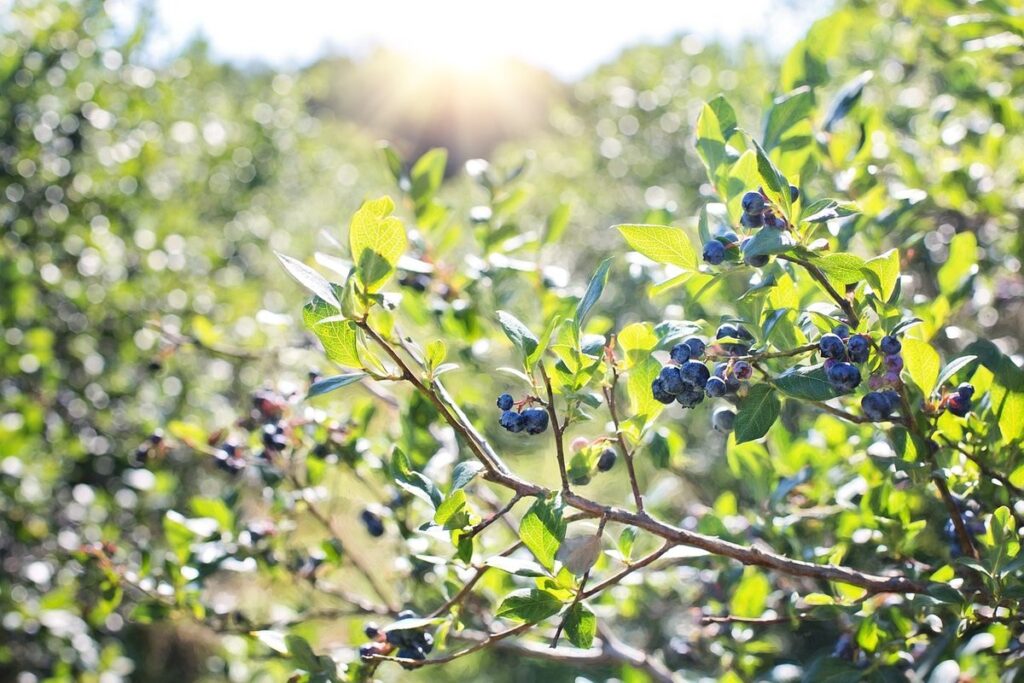
Benefits of Companion Planting for Blueberries
Companion planting can significantly boost blueberry yields and overall health, making it a game-changer for home gardeners looking to optimize their harvest. Let’s explore some of its key benefits in more detail.
Improving Soil Health through Companions
When choosing companion plants for blueberries, it’s not just about pest control and flavor enhancement. You can also improve soil health, drainage, and overall fertility, creating a thriving ecosystem that benefits your bushes. Some plants are natural mulchers, adding organic matter to the soil as they grow. For example, comfrey (Symphytum officinale) has deep taproots that bring up nutrients from the subsoil, making them available to blueberry roots. It also acts as a living mulch, suppressing weeds and retaining moisture.
Other plants like clover (Trifolium spp.) and beans (Phaseolus spp.) are legumes that fix nitrogen in the soil, reducing the need for synthetic fertilizers. As they grow, they release nutrients into the soil through their roots, enriching it for your blueberries. Consider planting these nitrogen-fixers around the perimeter of your blueberry bed to create a nutrient-rich zone.
Remember to plant companion plants densely enough to maximize benefits, but not so densely that they shade out your blueberries. With careful selection and placement, you can create a soil-friendly environment that boosts your blueberries’ productivity and health.
Enhancing Pest Resistance with Companion Plants
When it comes to companion planting for blueberries, incorporating pest-repellent plants into your garden can be a game-changer. By choosing the right companions, you can significantly reduce the need for pesticides and create a healthier growing environment for your blueberry plants.
Some of the most effective pest-repelling companion plants for blueberries include basil, mint, and lemongrass. These herbs are natural deterrents to aphids, whiteflies, and spider mites – common pests that can decimate blueberry crops if left unchecked. For example, basil repels aphids by releasing oils that interfere with the pest’s feeding habits, while mint’s strong scent deters whiteflies and other insects.
To incorporate these companion plants into your garden, simply plant them near your blueberries at a ratio of 1 part companion plant to 3-4 parts blueberry. This will allow the companion plants to spread their roots and release their beneficial oils without competing with your blueberries for resources. By doing so, you’ll create a balanced ecosystem that promotes healthy growth and minimizes pest pressure – resulting in more productive and less pesticide-dependent blueberry crops.
Increasing Blueberry Yield through Companion Planting
When it comes to companion planting for blueberries, one of the most significant benefits is increased yield. By strategically selecting and arranging companion plants around your blueberry bushes, you can create a thriving ecosystem that promotes healthy growth and boosts production.
For example, basil and mint are known to improve pollination rates by attracting beneficial insects like bees and butterflies. Planting these herbs alongside your blueberries can lead to more successful cross-pollination and, ultimately, a higher yield. Other plants, such as daffodils and garlic, release chemicals that repel pests and diseases that target blueberries, further reducing the risk of damage.
By incorporating companion planting into your blueberry garden, you can expect improved growth rates and overall plant health. This is due in part to the mutually beneficial relationships between different plant species, which can lead to increased nutrient availability and competition suppression. To maximize these benefits, be sure to research specific companion plants that are well-suited to your climate and growing conditions, and space them accordingly around your blueberry bushes.
Selecting the Right Companion Plants for Your Blueberries
When choosing companion plants for your blueberries, it’s essential to consider which varieties will enhance their growth and flavor. Here are some top picks that’ll become perfect partners in your garden.
Choosing Companions that Thrive in Similar Conditions
When selecting companion plants for your blueberry bushes, it’s essential to choose plants that thrive under similar conditions. Blueberries require full sun to partial shade, consistent moisture, and acidic soil with a pH between 4.0 and 5.5. By choosing companions with similar requirements, you’ll create an environment where both the blueberries and their neighbors can flourish.
Consider pairing blueberries with rhododendrons or azaleas, which also prefer well-draining acidic soil and partial shade to full sun. These flowering shrubs will not only provide a stunning display of color but also benefit from the similar growing conditions. On the other hand, plants that require more moisture, such as hydrangeas or ferns, may compete with blueberries for water, leading to reduced yields.
When selecting companion plants, be mindful of their mature size and growth habits to avoid overcrowding your blueberry bushes. For example, a sprawling groundcover like sweet woodruff can spread quickly and potentially shade out nearby blueberries. By choosing companions that have similar growing needs, you’ll create a balanced and harmonious ecosystem that supports the health and productivity of your blueberry crop.
Incorporating Beneficial Microorganisms into Companion Planting
When it comes to growing healthy and productive blueberries, incorporating beneficial microorganisms into the soil is crucial. Companion plants can play a vital role in introducing these microbes, which aid in plant growth and defense. For instance, marigolds release chemicals that attract nematode-destroying fungi, while nasturtiums repel aphids and whiteflies, reducing the need for pesticides.
Certain companion plants like legumes (clover or beans) fix nitrogen in the soil, making it available to blueberries. This process is known as symbiotic nitrogen fixation. Other plants like comfrey and dandelion act as “green manures,” adding organic matter to the soil and supporting beneficial microbial activity.
To incorporate beneficial microorganisms into your companion planting scheme, start by selecting a diverse range of companion plants that attract beneficial insects and fix nitrogen in the soil. Plant them alongside your blueberries, making sure to leave sufficient space for growth and air circulation. Regularly mulch around the base of your plants to retain moisture, suppress weeds, and maintain soil health. By creating a balanced ecosystem with these microorganisms, you’ll be well on your way to growing healthy and productive blueberry crops.
Avoiding Invasive or Competitive Companion Plants
When selecting companion plants for your blueberries, it’s essential to avoid those that can be invasive or competitive. These types of plants can outcompete your blueberry bushes for water, nutrients, and light, leading to reduced yields and poor health.
Some common examples of invasive or competitive companion plants include Japanese knotweed (Fallopia japonica), English ivy (Hedera helix), and autumn olive (Elaeagnus umbellata). These plants can quickly spread and form dense mats that shade out your blueberry bushes, making it difficult for them to photosynthesize and grow.
To avoid these types of plants in your companion planting, research the specific growing conditions and habits of any potential plant before introducing it near your blueberries. Look for plants that have similar growing requirements or are known to be good companions for blueberries. Some examples of non-invasive and beneficial companion plants include comfrey, creeping thyme, and wild strawberries.
Before planting, also consider factors like soil type, sunlight levels, and moisture requirements to ensure a harmonious coexistence between your blueberry bushes and their neighbors.
Popular Companion Plant Options for Blueberries
When it comes to growing healthy and productive blueberry bushes, choosing the right companion plants can make all the difference. Here are some popular options to consider for your garden.
Native Plants as Companions for Blueberries
When it comes to companion planting for blueberries, incorporating native plants can be an excellent choice. These plants have co-evolved alongside blueberries and have developed unique relationships that can enhance the growth and health of your bushes.
Some great options for native companion plants include the American Beautyberry (Callicarpa americana), Eastern Red Cedar (Juniperus virginiana), and Wild Bergamot (Monarda fistulosa). These plants not only provide a natural source of nutrients and shade, but they also attract beneficial insects that can help pollinate your blueberries.
To incorporate native companion plants into your garden, start by choosing plants that are suitable for your climate and soil type. Plant them around the base of your blueberry bushes, leaving enough space for proper growth and air circulation. Water them regularly, and mulch around the roots to retain moisture and suppress weeds. By incorporating these native companions into your garden, you can create a diverse and resilient ecosystem that will support the health and productivity of your blueberries.
Flowers and Herbs that Repel Pests or Attract Pollinators
When it comes to companion planting for blueberries, choosing flowers and herbs that repel pests or attract pollinators can be a game-changer. These plants not only add beauty to your garden but also help maintain a healthy balance of beneficial insects.
Some popular flowers that repel pests include marigolds, which deter nematodes and whiteflies, and nasturtiums, which keep aphids and squash bugs at bay. Planting these flowers around the perimeter of your blueberry patch can provide an effective barrier against pests. You can also try planting calendula, which is known to repel spider mites and other soft-bodied insects.
On the other hand, certain herbs are magnets for pollinators like bees and butterflies. Lavender, rosemary, and thyme are all excellent choices to attract these beneficial visitors. Plant them among your blueberry bushes to create a haven for pollinators. By combining pest-repelling flowers with pollinator-attracting herbs, you can create a thriving ecosystem that promotes healthy growth and high yields in your blueberry crop.
Trees as Companion Plants for Blueberries
When it comes to companion planting for blueberries, trees are often overlooked despite their numerous benefits. Incorporating trees into your blueberry garden can provide essential shading, pest control, and nutrient cycling, ultimately leading to healthier and more productive crops.
For instance, a row of tall trees like willows or poplars can create a canopy that shades the soil, reducing moisture loss and retaining soil nutrients. This is particularly beneficial for young blueberry plants, which are sensitive to drought stress. As these trees grow, their roots also help to stabilize the soil, preventing erosion and promoting water infiltration.
In terms of pest control, certain tree species like citrus or apple can attract beneficial insects that prey on common blueberry pests like aphids and spider mites. For example, planting a few citrus trees around your blueberry bushes can lead to an increase in lacewing populations, which feed on these pesky insects. To incorporate trees into your companion planting strategy, choose species that are suitable for your climate and have overlapping growth habits with your blueberries.
Considerations and Precautions for Companion Planting with Blueberries
When companion planting with blueberries, it’s essential to consider a few key factors to ensure your plants thrive. Choosing the right companions can make all the difference in maintaining healthy and productive blueberry crops.
Managing Competition between Companions and Blueberries
Managing competition between companions and blueberries requires careful consideration to ensure the optimal growth of both. When introducing companion plants around your blueberry bushes, it’s essential to strike a balance between their needs and those of your blueberry crop.
For instance, if you’re planting marigolds or nasturtiums near your blueberries, make sure they don’t shade out the delicate blueberry leaves. Similarly, avoid over-watering areas with companions that have high water requirements, as this can deprive your blueberries of essential moisture.
To balance companion planting with the needs of your blueberries, assess each plant’s unique requirements and ensure they align with your blueberry bushes’ needs. Consider factors like sunlight, watering schedules, and fertilization plans to avoid conflicts. For example, if you’re growing beans or peas near your blueberries, train them to climb up a trellis or other support to maximize space and minimize shading.
Regular monitoring is also crucial in ensuring that companion planting doesn’t compromise the health of your blueberry bushes. Keep an eye out for signs of stress, such as yellowing leaves or reduced fruit production, and adjust your companion planting strategy accordingly. By being mindful of these considerations, you can reap the benefits of companion planting while maintaining a thriving and productive blueberry crop.
Interactions with Fertilizers and Pesticides
When using companion plants with blueberries, it’s essential to consider potential interactions with fertilizers and pesticides. Some companion plants may absorb nutrients from the soil that are meant for the blueberry plants, while others might be sensitive to certain chemicals.
For example, marigolds are known to repel nematodes, but they also tend to compete with blueberries for water and nutrients. To mitigate this effect, make sure to provide your blueberry plants with adequate watering and fertilization. On the other hand, basil and mint can help improve soil quality, but they may be vulnerable to pesticides. If you need to use these chemicals, avoid spraying them directly on companion plants or during their active growth phase.
When applying fertilizers, consider the type of fertilizer and its N-P-K ratio (nitrogen-phosphorus-potassium). Companion plants with high nitrogen requirements might deplete the soil’s nitrogen levels, affecting blueberry growth. Conversely, some fertilizers can harm beneficial insects that pollinate your blueberries or even contaminate the fruit.
To minimize risks, always read and follow fertilizer labels carefully, taking note of specific guidelines for companion planting. Consider implementing integrated pest management techniques to reduce chemical use altogether.
Monitoring for Negative Effects of Companion Planting
Monitoring your garden for potential negative effects of companion planting is crucial to ensuring the health and productivity of your blueberries. Keep an eye out for signs of stress or disease in both the companion plants and the blueberries, such as yellowing leaves, reduced growth, or increased susceptibility to pests.
Regularly inspect your plants for any unusual changes, and research potential interactions between your companion plants and blueberries. For instance, if you notice that your marigolds are causing the soil pH to drop too low, it may be detrimental to your blueberries’ nutrient intake. Similarly, if you observe that your nasturtiums are attracting pests that are also targeting your blueberries, take action promptly.
To address issues quickly, maintain a companion planting journal to track any changes or problems that arise. Consider using physical barriers or removing infested plants to prevent the spread of disease. With vigilance and proactive measures, you can minimize potential risks and create a thriving companion planting ecosystem for your blueberry crop.
Common Challenges and Solutions in Companion Planting with Blueberries
When growing blueberries, you may encounter some common issues that can hinder their health and productivity. We’ll explore these challenges and discuss practical solutions for a thriving companion planting experience.
Addressing Weeds that Compete with Companions and Blueberries
When growing blueberries, it’s essential to address weeds that compete with companions and the main crop. Common weed species like crabgrass, quackgrass, and clover can outcompete blueberry bushes for water, nutrients, and light. These aggressive weeds can also harbor pests and diseases that harm your blueberry plants.
To manage weeds in your blueberry garden, start by removing them manually or using a hoe to prevent seed dispersal. Mulching around the base of your blueberries can help suppress weed growth, retaining moisture and regulating soil temperature. Consider incorporating cover crops like clover into your rotation, as they provide nitrogen fixation benefits while competing with weeds.
Some specific strategies for managing problem weeds include:
* Pulling or digging up invasive species like quackgrass before they spread
* Using a pre-emergent herbicide to prevent crabgrass and other annual weeds from germinating
* Rotating crops to break weed cycles, such as planting blueberries in the spot where you previously grew a cover crop
By addressing these common weed challenges, you can create a healthier environment for your blueberry plants to thrive alongside their companion species. Regularly inspecting your garden and taking proactive steps will help minimize weed pressure and maintain a balanced ecosystem.
Managing Pests that Target Both Companions and Blueberries
Managing pests that target both companion plants and blueberries requires a thoughtful approach to integrated pest management (IPM). To get started, inspect your garden regularly for signs of pests, such as aphids, whiteflies, and spider mites. These tiny insects can quickly multiply and spread disease, affecting not only the companion plants but also your prized blueberry bushes.
When using pesticides, choose targeted solutions that minimize harm to beneficial insects and the environment. For example, neem oil is a natural, gentle way to control aphids without harming bees or butterflies. Another strategy is to introduce beneficial nematodes into the soil, which prey on grubs and other pests.
In addition to these tactics, maintain good garden hygiene by removing weeds that can harbor pests, watering efficiently to reduce stress on plants, and rotating crops seasonally to break pest cycles. For instance, if you notice a problem with fungal diseases in your blueberries, try planting marigolds or garlic nearby, which have natural antifungal properties that can help repel these issues.
Maintaining a Healthy Balance with Companion Planting
Maintaining a healthy balance in your garden ecosystem is crucial for optimal growth and productivity of blueberries. Companion planting can either enhance or hinder this balance, depending on the selection of plants. Overcrowding or underplanting can lead to competition for resources such as light, water, and nutrients.
To avoid these issues, it’s essential to research the specific growing requirements of both your blueberry plants and potential companion plants. For example, marigolds release a chemical that repels nematodes, but they also require full sun and well-draining soil. If your blueberries prefer partial shade and moist soil, this combination may not work.
Instead, consider pairing blueberries with nitrogen-fixing legumes like beans or peas. These plants create their own fertilizer through symbiotic relationships with beneficial microbes in the soil, reducing the need for external fertilizers. Additionally, taller companion plants can provide shade and support to young blueberry bushes, promoting a more harmonious garden ecosystem.
Ultimately, achieving balance requires regular monitoring of your garden’s needs and adjusting companion plantings accordingly.
Frequently Asked Questions
Can I use companion plants with other types of fruit bushes, or are they specifically for blueberries?
You can adapt the principles of companion planting to various fruit bushes, including strawberries, raspberries, and blackberries. However, it’s essential to research specific companion plants that thrive in similar conditions and benefit each type of bush. For example, marigolds repel nematodes that target strawberry roots.
How do I ensure that my companion plants don’t compete with the blueberry bushes for water or nutrients?
Monitor your companion plants’ growth and adjust their placement accordingly. Some plants, like comfrey, have deep taproots that bring up nutrients from lower soil layers, while others, like nasturtiums, spread out to shade the soil, reducing moisture loss. Be prepared to prune or relocate companions if they start competing with blueberries.
Can I mix and match different types of companion plants, or should I stick to one type for each blueberry bush?
You can combine different companion plant species around your blueberry bushes, as long as you choose plants that thrive in similar conditions. For example, planting marigolds alongside comfrey can create a mutually beneficial relationship between pest-repellent and nutrient-rich companions.
How often should I rotate my companion plants to maintain their effectiveness?
Rotate your companion plants every 6-12 months to ensure they continue to benefit the blueberry bushes. Some plants, like comfrey, will deplete soil nutrients over time and require replacement. Consider dividing and replanting perennials or replacing annuals with new species.
What if I notice negative effects from companion planting, such as reduced blueberry yields or increased pest pressure?
Monitor your garden closely for any signs of negative effects, and adjust your companion plant selection accordingly. Remove any plants that appear to be competing with the blueberries or attracting pests. Keep in mind that some companion plants may take time to show their benefits, so patience is essential when implementing this technique.