
Are you growing a beautiful birch tree in your garden, but struggling to keep it healthy? Companion planting can be just the solution you need. By selecting plants that thrive alongside birches, you can create a thriving ecosystem that promotes growth rates, increases pest resistance, and enhances biodiversity.
Companion planting is all about pairing plants that complement each other’s needs, and birch trees are no exception. When chosen wisely, companion plants can help your birch tree stay strong and resilient in the face of pests and diseases. In this article, we’ll explore some of the best companion plants for birches, including those that repel pests, attract beneficial insects, and provide a boost to your tree’s growth.
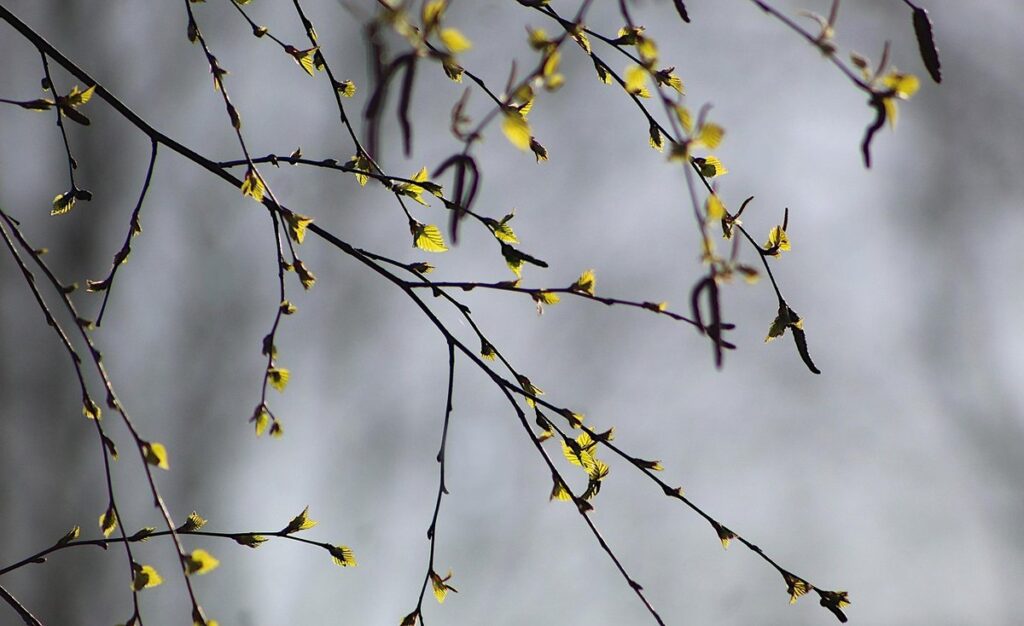
Understanding Birch Trees and Their Needs
Before we dive into companion plants for birch trees, let’s take a closer look at what makes these trees tick and their specific needs. Knowing this will help you choose the best plants to pair with them.
Choosing the Right Location for Birch Trees
When choosing the right location for birch trees, several factors come into play. As a companion plant enthusiast, you want to ensure that your tree thrives alongside its co-plants. First and foremost, consider the soil type. Birch trees prefer well-drained soils with a pH between 6.0 and 7.0. If your yard has heavy clay or dense sand, it’s best to amend the soil before planting.
Sunlight is also crucial for birch trees. They require full sun to partial shade, depending on the specific species. Be mindful of any nearby structures that may cast shadows on the tree during different times of the day. Water requirements are another essential factor. Birch trees need consistent moisture, especially when they’re young. Aim to provide about 1 inch of water per week, either through rainfall or irrigation.
By taking these factors into account, you can create a suitable environment for your birch tree to grow and flourish alongside its companion plants. This will not only enhance the overall aesthetic but also promote healthy growth and development in both the tree and surrounding vegetation.
Soil Preparation for Healthy Birch Trees
When it comes to growing healthy birch trees, proper soil preparation is crucial. These elegant trees thrive in well-draining acidic soils with a pH range of 4.5-6.5. If the soil pH is too high or low, it can lead to nutrient deficiencies and root problems.
To prepare your soil for birch trees, start by testing its pH level and nutrient content. Based on the results, add organic matter like compost or peat moss to adjust the pH. You can also use acidic fertilizers specifically designed for birch trees. A general rule of thumb is to maintain a 3-4 inch layer of mulch around the tree’s drip line, which helps retain moisture and suppress weeds.
It’s also essential to consider nutrient requirements. Birch trees need adequate potassium, magnesium, and iron to support healthy growth. Use a balanced fertilizer that includes these micronutrients, but avoid over-fertilizing, as it can damage the tree’s roots. For example, you can use an acidic fertilizer like ammonium sulfate (21-0-0) or aluminum sulfate (15% Al2O3). By taking care of your birch trees’ soil needs, you’ll create a strong foundation for their growth and resilience to diseases.
Selecting Companion Plants for Birch Trees
When choosing companion plants for your birch trees, consider how their growth habits and requirements will complement those of your birches. This ensures a harmonious and thriving landscape.
Benefits of Companion Planting with Birch Trees
When you plant companion plants alongside your birch trees, you can expect to reap a range of benefits that will enhance their growth and overall health. One of the primary advantages is improved growth rates. Companion plants like creeping thyme, clover, or creeping juniper create a favorable microclimate for birch trees by shading the soil, reducing soil temperature fluctuations, and retaining moisture.
As a result, your birch tree’s roots will be able to absorb nutrients more efficiently, leading to increased vigor and potentially even taller growth. Additionally, companion planting can increase pest resistance. For example, marigold repels nematodes that target birch trees, while nasturtium deters aphids and whiteflies.
By incorporating a mix of complementary plants into your birch tree’s ecosystem, you’ll also be promoting enhanced biodiversity. This is particularly valuable in garden spaces with limited square footage or where soil quality might be compromised by over-reliance on chemical fertilizers. By partnering different species together, you can cultivate a more resilient and thriving environment that supports multiple forms of life – from beneficial insects to microorganisms in the soil.
Types of Companion Plants Suitable for Birches
When it comes to companion planting around birch trees, you have a wide range of options to choose from. These plants not only enhance the aesthetic appeal of your garden but also provide additional benefits such as attracting pollinators or repelling pests.
For a pop of color and fragrance, consider incorporating flowers like coneflowers (Echinacea spp.), black-eyed Susans (Rudbeckia hirta), or lavender (Lavandula spp.) into your birch tree garden. These drought-tolerant flowers attract pollinators, such as bees and butterflies, which can help with the reproduction of nearby plants.
For a more structured look, shrubs like boxwood (Buxus sempervirens) or yew (Taxus baccata) can provide year-round interest. These evergreen shrubs also offer protection from wind and create a natural barrier around your birch tree.
If you’re looking for something more low-maintenance, consider incorporating herbs like thyme (Thymus spp.) or rosemary (Rosmarinus officinalis). These fragrant herbs not only add visual interest but also repel pests that might target your birch tree.
Vegetation Options for Companion Planting with Birch Trees
When it comes to planting companions for your birch trees, you have a wide variety of options to choose from, each with its own unique benefits. Let’s explore some popular choices together.
Low-Maintenance Companion Plants for Birch
If you’re looking to add some visual interest and diversity to your birch tree’s surroundings without sacrificing too much time for maintenance, consider incorporating low-maintenance companion plants into the mix. Some excellent options that can thrive alongside these beautiful trees with minimal upkeep include Sedum, Creeping Thyme, and Dwarf Mondo Grass.
Sedum, in particular, is a hardy succulent that requires infrequent watering and can tolerate full sun to partial shade conditions – perfect for complementing birch trees. This versatile plant comes in a range of shapes, sizes, and colors, making it an excellent choice for adding texture and visual interest around your tree.
Another low-maintenance option is Creeping Thyme, which not only requires minimal watering but also attracts pollinators like bees and butterflies. Simply scatter the seeds or seedlings around the base of your birch tree and let nature take its course.
Dwarf Mondo Grass is another easy-to-grow choice that can handle a range of lighting conditions. It forms a neat, compact mat that won’t compete with your birch tree for water or nutrients.
Flowering Companion Plants to Attract Pollinators
When it comes to companion planting with birch trees, incorporating flowering plants that attract pollinators can be a game-changer for ecosystem health. These beautiful blooms not only add visual interest but also provide a vital source of nectar and pollen for bees, butterflies, and other beneficial insects.
Some excellent options include coneflowers (Echinacea spp.), black-eyed Susans (Rudbeckia hirta), and lavender (Lavandula angustifolia). These plants are easy to grow, drought-tolerant, and highly attractive to pollinators. For example, coneflowers are a favorite of long-tongued bees like bumblebees and leafcutter bees.
When selecting flowering companion plants for your birch trees, consider the mature size of each plant and how they’ll interact with surrounding vegetation. Plant them in areas that receive full sun to partial shade, depending on the specific needs of the species. To maximize pollinator appeal, create a diverse planting scheme by incorporating a mix of annuals and perennials.
Shrubs and Herbs as Companion Plants for Birches
When it comes to choosing companion plants for your birch trees, shrubs and herbs can be a great addition to enhance their health and beauty. Consider these versatile options that thrive alongside birches.
Drought-Tolerant Companion Plants for Birch
When it comes to companion plants for birch trees, choosing drought-tolerant options can be a game-changer. Not only do these plants conserve water and reduce maintenance needs, but they also add beauty and interest to the landscape without requiring constant watering.
Consider incorporating shrubs like Russian Sage (Perovskia atriplicifolia) or Lavender (Lavandula spp.) into your birch tree companion plantings. These plants are virtually indestructible when it comes to drought, and their silvery-gray foliage provides a stunning contrast to the white bark of your birch trees.
Herbs like Rosemary (Rosmarinus officinalis) or Thyme (Thymus serpyllum) are also excellent choices for drought-tolerant companion planting. Not only do they add fragrance to the landscape, but they can also be harvested for use in cooking and herbal remedies.
To make the most of these drought-tolerant companions, plant them on the south side of your birch trees to maximize sunlight exposure. Water them sparingly, allowing the soil to dry out slightly between waterings. With proper care, these plants will thrive and provide a beautiful, low-maintenance companion planting arrangement for years to come.
Fragrant Companion Plants to Enhance Air Quality
When choosing fragrant companion plants to enhance air quality around birch trees, consider incorporating plants with natural air-purifying properties. Lavender is an excellent choice, releasing calming oils that purify the air and create a peaceful atmosphere. Plant it near the base of your birch tree or in nearby containers.
Rosemary is another herb that not only adds fragrance but also repels pests that can harm your birch trees. Its strong scent also improves air quality by removing pollutants like benzene and formaldehyde. Train rosemary to climb up a trellis or support near the birch tree for a beautiful, fragrant display.
Other options include Thyme, which is known to remove airborne toxins like ethylbenzene, and Geranium, which has natural deodorizing properties that can eliminate unpleasant odors around your birch trees. Plant these herbs in well-draining soil with plenty of sunlight for optimal growth and fragrance release.
Managing Companion Planting with Birches: Tips and Best Practices
When it comes to companion planting around birch trees, careful planning is key to maximizing benefits and minimizing potential issues. Here’s how to successfully manage companion plants for optimal results.
Avoiding Competition for Water and Nutrients
When selecting companion plants for your birch trees, it’s essential to consider their watering and nutrient needs to avoid competition. Birches prefer well-drained soil with a slightly acidic pH, but some companion plants may require more water or nutrients than the tree itself.
To minimize competition, choose companion plants that have similar growing requirements as birches. For example, hostas and ferns thrive in moist, shaded areas, making them suitable companions for birch trees in woodland gardens. On the other hand, plants like lavender and rosemary prefer well-drained soil with full sun, which can be challenging to maintain under a birch tree’s canopy.
When planting companion species, consider their mature size to avoid shading out the birch tree or competing for water and nutrients. Use a spacing of at least 12-18 inches between plants and trees to ensure adequate air circulation and nutrient exchange. Additionally, incorporate mulch around the base of both the birch tree and companion plants to retain moisture and suppress weeds that might compete with your trees for resources.
Monitoring for Pests and Diseases in Companion Plants
As you’ve carefully selected companion plants to thrive alongside your birch trees, it’s essential to keep a watchful eye on these additional plants. Monitoring them regularly for signs of pests or diseases is crucial to prevent potential harm to your birch trees.
Check your companion plants frequently for any unusual growth patterns, discoloration, or damage to leaves and stems. Keep an eye out for pests like aphids, whiteflies, spider mites, and scale insects that can spread disease or weaken the plant. Regularly inspect the underside of leaves, where many pests tend to hide.
If you notice any signs of disease, such as fungal growths, powdery mildew, or leaf spots, address them promptly with organic fungicides or copper-based treatments. Consider using neem oil or insecticidal soap for pest control. Early detection and intervention can prevent the problem from spreading to your birch trees. Make it a habit to inspect your companion plants weekly, taking notes on their condition to track any changes over time.
Case Studies: Successful Companion Planting with Birch Trees
In our next series of case studies, you’ll see firsthand how certain companion plants can thrive and benefit from being planted alongside birch trees in different garden settings. Let’s take a look at some real-life examples.
Real-Life Examples of Companion Planting Success
In various parts of the world, gardeners have successfully implemented companion planting with birch trees to create thriving ecosystems. For instance, a gardener in Sweden planted marigolds alongside their birch tree to repel nematodes that were damaging the soil’s nutrient balance. The result was an improvement in soil fertility and a significant reduction in pest infestations.
In another example from Canada, a permaculture enthusiast paired lavender with birch trees to enhance pollination and reduce fungal diseases. By doing so, they observed increased yields of nearby vegetables and reduced pesticide usage.
These case studies demonstrate the potential benefits of companion planting with birch trees. When choosing companion plants, consider factors such as pest-repellent properties, nutrient uptake patterns, and soil microbe diversity. Research local species that harmonize well with birch trees in your region’s climate to maximize results.
Lessons Learned from Trial and Error
As we’ve explored various case studies on companion planting with birch trees, some key takeaways have emerged that can inform and improve our own gardening practices. One of the most significant lessons learned is the importance of observing and adapting to specific soil conditions. For instance, a study in the northeastern United States found that birch trees thrived when planted alongside comfrey, which improved soil fertility and reduced nutrient depletion.
In contrast, another case study from the Pacific Northwest revealed that certain companion plants like creeping thyme and oregano were not suitable for birch trees due to their high water requirements. This highlights the need to consider regional climate factors and plant characteristics before selecting companion plants.
When applying these lessons in your own garden, remember to monitor soil health and adjust your planting strategy accordingly. Be prepared to experiment and adapt as needed, just as we’ve seen in these case studies. By doing so, you’ll be better equipped to create a thriving ecosystem around your birch trees.
Conclusion: Bringing It All Together
Now that we’ve explored the best companion plants for birch trees, it’s time to bring it all together. By incorporating these beneficial buddies into your garden or landscape design, you’ll not only create a thriving ecosystem but also add visual interest and texture to the space around your beloved birch tree. Remember to choose plants that complement the mature size and growth habits of your birch tree, as well as its specific soil and sunlight requirements. Consider planting companion species in layers, such as groundcovers or vining plants near the base, and shrubs or perennials at a distance from the main trunk. This harmonious coexistence will result in a resilient and diverse garden ecosystem that flourishes for years to come.
Frequently Asked Questions
What are some common mistakes to avoid when companion planting with birch trees?
When selecting companion plants, don’t assume that any plant will work with your birch tree. Be sure to research compatible species and consider factors like soil preferences, sunlight requirements, and potential pest or disease susceptibility.
How can I ensure my companion plants aren’t competing with the birch tree for water and nutrients?
To avoid competition, choose companion plants that have similar growth habits and watering needs as your birch tree. Also, consider planting in separate beds or using a drip irrigation system to deliver water directly to each plant’s roots.
Can I use companion plants to control pests that target birch trees, such as aphids and caterpillars?
Yes, many companion plants have natural pest-repelling properties that can help protect your birch tree from common pests. For example, basil repels aphids and mites, while nasturtiums attract beneficial insects that prey on caterpillars.
How do I know which companion plants are suitable for my specific climate and soil type?
Consider the USDA Hardiness Zone and local frost dates when selecting companion plants. Also, research plants adapted to your soil’s pH level and drainage characteristics. For example, if you have heavy clay soil, choose plants like sedums or succulents that thrive in dense soils.
What are some signs of successful companion planting with birch trees?
Successful companion planting can be observed by improved tree growth rates, increased pest resistance, and enhanced biodiversity. Keep an eye out for these signs, as well as reduced stress on your tree due to fewer pests and diseases.