
If you’re a gardening enthusiast, chances are you’ve heard about companion planting. But have you considered pairing tomatoes with basil? This age-old technique is more than just a trendy gardening hack – it’s a game-changer for improving growth, reducing pests, and increasing yields. By learning how to companion plant tomatoes and basil together, you can create a thriving garden ecosystem that benefits from the unique relationship between these two popular plants. In this article, we’ll delve into the benefits of this technique and explore common mistakes to avoid when planting tomatoes and basil side by side. We’ll also provide expert tips on how to maximize your harvests and keep pests at bay – all while enjoying the added bonus of fragrant, fresh basil right in your own garden!
What is Companion Planting?
So, you’re curious about companion planting and how it works its magic for your tomatoes and basil? Let’s dive into what companion planting actually means.
Definition and Benefits of Companion Planting
Companion planting is an age-old technique where different plants are grown together to enhance their growth, health, and productivity. By selecting compatible companions, you can create a harmonious garden ecosystem that suppresses pests and diseases, improves soil quality, and increases yields.
When done correctly, companion planting offers numerous benefits for your tomato and basil crops. For one, it reduces the need for pesticides and fertilizers, making your gardening experience more eco-friendly. By attracting beneficial insects like bees and butterflies, you can minimize pest populations and create a balanced environment. Companion planting also promotes healthy growth by providing shade, support, or nutrients to your plants.
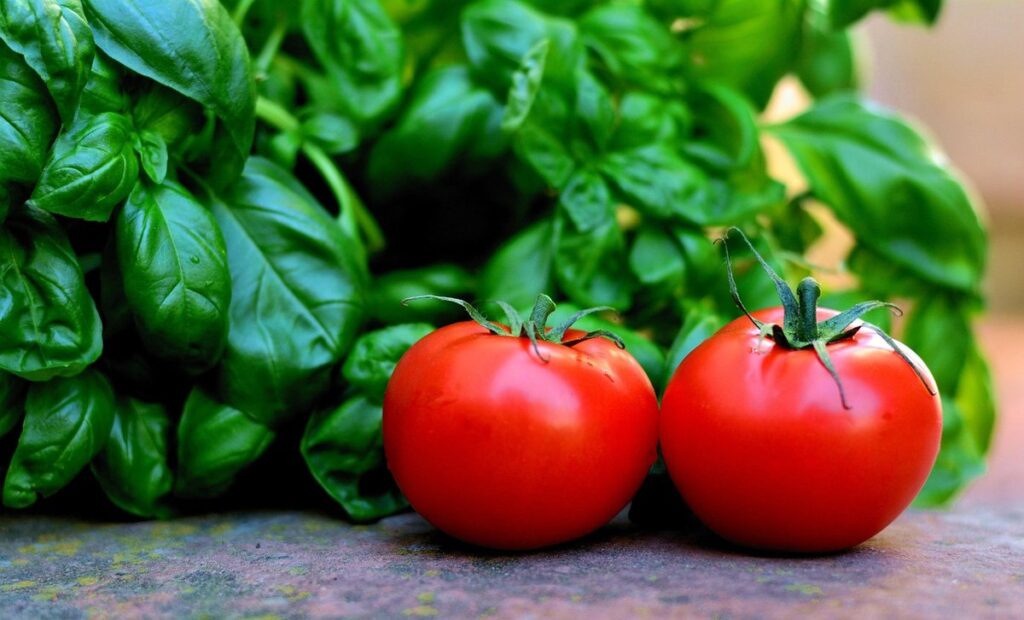
Tomatoes and basil are a classic example of companion planting in action. Basil repels pests that target tomatoes, such as aphids and whiteflies, while its fragrance improves the flavor and aroma of nearby tomato crops. By growing these two plants together, you can enjoy higher yields, better pest control, and improved overall garden health.
History of Companion Planting
Companion planting has been around for thousands of years, with evidence of its use dating back to ancient civilizations. In ancient Greece and Rome, farmers would often plant certain herbs and flowers alongside their crops to improve growth and repel pests. Similarly, in China, companion planting was used to create balanced and harmonious gardens that promoted healthy plant growth.
In many indigenous cultures, companion planting was a vital part of sustainable farming practices. For example, Native American tribes used companion planting to grow bountiful harvests without relying on fertilizers or pesticides. These early farmers understood the importance of creating diverse and thriving ecosystems, where every plant played a crucial role in supporting the growth of others.
As you explore the world of companion planting tomatoes and basil, remember that you’re part of a long tradition of gardeners who have harnessed the power of nature to grow healthy, resilient crops. By incorporating these ancient techniques into your own gardening practice, you’ll be able to create a thriving ecosystem that promotes the health and well-being of both your plants and the environment.
Choosing the Right Basil Variety for Tomato Plants
When it comes to companion planting tomatoes and basil, selecting the right basil variety is crucial. Let’s explore the best options for your garden.
Dwarf vs. Regular Basil: Which is Best?
When it comes to companion planting tomatoes and basil, choosing the right variety of basil can make all the difference. One common question is whether to grow dwarf or regular basil alongside your tomato plants. The main difference between these two types of basil lies in their growth habits.
Regular basil varieties, such as Genovese and Sweet Basil, are known for their robust growth and tall stems. They require more space to spread out and can become quite leggy if not pruned regularly. While they’re perfect for making pesto and other Italian-inspired dishes, their size might make them a less-than-ideal choice for companion planting with tomatoes.
On the other hand, dwarf basil varieties like ‘Napoletano’ or ‘Thai Basil’ are bred to be more compact and bushy. They produce smaller leaves but have a more intense flavor and aroma, making them an excellent choice for small spaces and indoor growing. When it comes to companion planting, dwarf basil is generally the better option due to its smaller size and higher oil content, which repels pests that target tomatoes.
Ultimately, the decision between dwarf and regular basil comes down to your specific needs and preferences. If you have limited space or want a more compact plant, go for the dwarf variety. Regular basil might be the better choice if you’re looking for a larger harvest or don’t mind pruning regularly.
Sweet Basil, Thai Basil, or Genovese? A Comparison
When it comes to growing tomatoes with basil, you have several options when it comes to choosing the right type of basil. Sweet Basil (Ocimum basilicum), Thai Basil (Ocimum basilicum var. thyrsiflora), and Genovese are three popular varieties that each offer unique characteristics.
Sweet Basil is a classic choice for tomato plants and is often used in traditional Italian cooking. It has large, dark green leaves with a sweet, slightly spicy flavor. Sweet Basil grows relatively quickly and can be harvested in as little as 6-8 weeks. This variety prefers well-drained soil and full sun to partial shade.
Thai Basil, on the other hand, has narrower leaves with a more intense, anise-like flavor. It’s commonly used in Southeast Asian cuisine and grows slightly slower than Sweet Basil, requiring around 8-10 weeks for harvest. Thai Basil prefers moist soil and partial shade to prevent burning of its delicate leaves.
Genovese is another variety of sweet basil that originates from the Liguria region in Italy. Its leaves are smaller and more compact compared to Sweet Basil, making it ideal for smaller spaces or containers. Genovese has a milder flavor and grows relatively quickly, requiring around 6-8 weeks for harvest.
Each of these varieties offers unique benefits when paired with tomato plants. For example, Sweet Basil repels pests like aphids and whiteflies that can harm tomatoes. Thai Basil adds a burst of citrusy flavor to dishes while Genovese provides a subtle sweetness. When choosing the right type of basil, consider factors like climate, soil quality, and your personal taste preferences to ensure a successful companion planting experience.
How to Plant Tomatoes and Basil Together
When it comes to companion planting, tomatoes and basil are a match made in heaven. Let’s dive into the simple steps for planting these two together for optimal growth.
Preparing the Soil: Tips for Success
Before planting tomatoes and basil together, it’s essential to prepare the soil for optimal growth. A well-prepared soil will not only ensure healthy plants but also encourage a harmonious relationship between the two companion plants.
Firstly, consider the pH level of your soil. Tomatoes prefer a slightly acidic to neutral soil pH (around 6.0-7.0), while basil thrives in slightly alkaline conditions (pH 7.0-8.0). Test your soil pH and adjust it if necessary to create an optimal environment for both plants.
Next, ensure the soil has sufficient nutrient availability. Tomatoes are heavy feeders and require a balanced diet of nitrogen, phosphorus, and potassium. Add compost or well-rotted manure to enrich the soil with essential nutrients. For basil, focus on adding organic matter like peat moss or coconut coir to improve drainage and aeration.
Finally, inspect your soil’s drainage system. Basil is sensitive to waterlogged conditions, which can lead to root rot. If your soil tends to retain too much moisture, consider adding perlite or sand to improve drainage and prevent waterlogged soil.
Sowing Tomato and Basil Seeds at the Same Time
Sowing tomato and basil seeds at the same time can be a game-changer for gardeners who want to simplify their companion planting routine. By doing so, you’ll experience easier management of your plants as they grow together. This method eliminates the need for separate transplanting sessions, which can be stressful on both tomatoes and basil.
Transplant shock is a common issue that occurs when seedlings are moved from one location to another. When you sow both tomato and basil seeds at the same time, you’re allowing them to develop a strong root system together, making it easier for them to adjust to their final position in the garden. This approach also promotes healthier growth, as the two plants can support each other’s development.
In fact, many gardeners swear by sowing tomato and basil seeds together due to its numerous benefits. By doing so, you’ll save time, reduce transplant shock, and create a harmonious growing environment that fosters healthy growth in both plants.
Companion Planting Techniques for Optimal Growth
Let’s dive into some of our favorite companion planting techniques that will take your tomato and basil growth to the next level, naturally. We’ll explore how these pairings boost yields, repel pests, and more!
Spacing and Arrangement: A Key to Success
When it comes to companion planting tomatoes and basil, proper spacing and arrangement are crucial for optimal growth. Tomatoes can spread out quite a bit, so giving them enough room to breathe is essential. A general rule of thumb is to plant tomato seedlings 2-3 feet apart, with the rows spaced about 3-4 feet apart. This allows for good air circulation and makes it easier to access the plants as they grow.
Basil, on the other hand, can be a bit more delicate. It prefers well-drained soil and full sun, but can quickly become leggy if not given enough space to spread out. Planting basil near the tomatoes can help keep pests away, but make sure to give it about 6-8 inches of clearance from the tomato plants. You can also use basil as a trellis or support for your tomatoes by planting them on either side and allowing the basil to grow up the middle.
By spacing and arranging your tomato and basil plants thoughtfully, you’ll be giving them the best chance at healthy growth and reducing competition between them.
Support Systems: How to Train Tomato Plants with Basil
When it comes to growing tomatoes and basil together, providing a sturdy support system is crucial for optimal growth. As your tomato plants grow upright, they’ll need a helping hand to stay vertical – that’s where trellises or cages come into play.
These support systems serve two purposes: they keep the plants organized and encourage healthy growth by allowing air to circulate around each plant. Consider using a combination of both trellises and cages for maximum effectiveness. For example, you can use tomato cages to provide structural support while training the vines up a trellis or arbor.
To train your tomato plants with basil, start by placing the basil seedlings around the base of the tomatoes, leaving enough space between them for air circulation. As the tomato plants grow, gently weave the stems through the trellis or cage, keeping in mind that the basil plants will benefit from being shaded slightly by the larger tomato leaves. With regular pruning and training, your companion-planted tomatoes and basil should thrive together in perfect harmony.
Benefits of Companion Planting Tomatoes and Basil
When you pair tomatoes with basil, not only does it elevate your flavor profile, but it also provides several benefits for your plants’ growth and health. Let’s explore some of these advantages in more detail.
Improved Flavor and Aroma
When you companion plant tomatoes with basil, you’re not just creating a visually appealing combination – you’re also enhancing the flavor and aroma of both plants. Basil’s fragrance is known to repel pests that target tomatoes, such as whiteflies and aphids, allowing them to thrive without interference.
But here’s the best part: the combination of tomato and basil scents creates a synergy that increases their individual aromas. This phenomenon is called the “olfactory synergy” effect. In other words, when basil and tomatoes are planted together, their fragrance molecules interact and amplify each other’s scent.
To maximize this benefit, be sure to plant basil near the base of your tomato plants, allowing them to mingle their roots as well as their scents. As you harvest your basil, use it to make pesto or add it to salads – the flavor will be more vibrant than ever! By companion planting tomatoes and basil together, you’ll not only enjoy healthier growth but also a bolder, more complex taste experience in every bite.
Increased Pest Resistance: A Safer Alternative to Chemicals
When you plant tomatoes and basil together, it’s not just about creating a delicious flavor combination – it also has the added benefit of reducing pest damage. Companion planting can be a safer alternative to chemical pesticides, which are often linked to environmental degradation and health problems.
One of the key ways companion planting helps reduce pest damage is by introducing beneficial insects that prey on pests. For example, basil repels aphids, whiteflies, and mites – all common tomato pests. By growing basil alongside your tomatoes, you’re creating a balanced ecosystem that promotes biodiversity and reduces the need for pesticides.
To make the most of companion planting, choose varieties of basil that are known to be effective at repelling pests, such as sweet basil or lemon basil. Plant them near the base of your tomato plants to create a barrier against pests. This not only protects your tomatoes from damage but also creates a healthier growing environment for both plants.
By using companion planting as an alternative to chemical pesticides, you’ll not only reduce pest damage but also promote soil health and biodiversity – all while enjoying the benefits of fresh, homegrown tomatoes and basil!
Common Mistakes to Avoid When Companion Planting Tomatoes and Basil
When companion planting tomatoes and basil, it’s easy to make mistakes that can harm your plants’ growth and health, so let’s explore some common pitfalls to avoid.
Overcrowding: The Enemy of Healthy Growth
Overcrowding can have devastating effects on tomato and basil plants. When these plants are packed too tightly together, they compete for water, nutrients, and light, leading to reduced growth and weakened immunity. This creates an ideal environment for diseases like powdery mildew and septoria leaf spot to take hold. The increased humidity within the overcrowded space also attracts pests like aphids, whiteflies, and spider mites.
To avoid these problems, it’s essential to give each plant sufficient space to breathe. A general rule of thumb is to leave about 18-24 inches between individual tomato plants and 6-12 inches between basil plants. This will allow for air circulation, making it more difficult for diseases to spread. You can also consider using trellises or cages to train indeterminate tomatoes upwards, freeing up space on the ground below.
Remember, companion planting is about creating a balanced ecosystem that benefits all participants. By avoiding overcrowding and providing each plant with its own space, you’ll be well on your way to healthy growth and a bountiful harvest.
Not Providing Enough Sunlight: A Recipe for Disaster
When it comes to companion planting tomatoes and basil, there’s one crucial aspect that can make or break the success of this harmonious pairing: sunlight. Adequate sunlight is essential for both tomato and basil plants to thrive, but unfortunately, many gardeners overlook its importance.
Tomatoes, in particular, need a lot of sunlight to produce an abundance of fruit. They require at least six hours of direct sunlight per day, making them one of the sunniest-loving plants out there. Without sufficient sunlight, tomatoes may become leggy and weak, producing smaller fruits or even dropping their flowers altogether. Basil, on the other hand, is a warm-season crop that loves basking in the sun’s rays. It needs at least four to five hours of direct sunlight per day to stay healthy and pest-free.
To ensure your tomato and basil plants receive the right amount of sunlight, choose a location that receives direct sunlight for most of the day. If this isn’t possible, consider using grow lights to supplement their natural light intake. By doing so, you’ll be giving these two beloved companions the chance to shine and thrive together in perfect harmony.
Conclusion: Unlocking the Full Potential of Companion Planting Tomatoes and Basil
By now, you’ve learned how to successfully companion plant tomatoes and basil, and I’m confident that your harvest will thrive. The key takeaways from this guide include understanding the benefits of companion planting, selecting suitable varieties for your garden, and implementing effective pairing strategies. Don’t be afraid to experiment with different combinations to find what works best for you. For example, if you’re struggling with pests, try planting basil alongside your tomatoes – its fragrance can help repel unwanted visitors. By unlocking the full potential of companion planting, you’ll not only enjoy a healthier and more resilient garden but also reap a bountiful harvest. Remember, gardening is all about trial and error, so don’t be discouraged if things don’t go as planned initially.
Frequently Asked Questions
Can I use companion planting with other types of basil, such as lemon or lime basil?
While sweet basil is the most traditional choice for companion planting with tomatoes, you can experiment with other varieties like lemon or lime basil. However, keep in mind that their stronger flavors and aromas may affect the overall taste and scent of your tomatoes. Also, consider the growth habits and mature sizes of these alternative basils to ensure they won’t overcrowd the space.
How do I prevent pests from targeting my tomato-basil plants?
To minimize pest damage, maintain a healthy and balanced garden ecosystem through companion planting. Basil repels aphids and whiteflies, while tomatoes benefit from basil’s pest-repelling properties. Additionally, consider introducing beneficial insects like ladybugs or lacewings to your garden to naturally control pests.
What are some common mistakes to avoid when sowing tomato and basil seeds together?
When sowing seeds at the same time, ensure you have enough space for both plants to grow without overcrowding. Avoid planting too deep, as this can lead to poor germination rates and weakened plant growth. Also, be mindful of the mature sizes of your plants to prevent competition for light, water, or nutrients.
Can I use companion planting in containers or do I need a large garden space?
Companion planting is not limited to traditional garden spaces; you can apply this technique in containers as well. When growing tomatoes and basil in pots, ensure they have sufficient space to spread out (about 12-18 inches apart) and provide adequate support for the tomato plants.
Will companion planting affect the flavor or aroma of my homegrown tomatoes?
Companion planting with basil will indeed impact the flavor and aroma of your tomatoes, but not necessarily negatively. The basil’s fragrance and oils can enhance the overall taste and scent of your tomatoes, making them more aromatic and flavorful. This effect is especially noticeable when using sweet basil as a companion plant.