
Are you tired of struggling to grow healthy, thriving cucumber plants? Do pests and diseases seem to plague your garden every season? Companion planting can be just the solution you’ve been looking for. By strategically pairing cucumbers with other plants, you can create a more balanced ecosystem that’s better equipped to manage pests and diseases on its own. This not only improves soil health but also boosts cucumber growth rates. In this article, we’ll explore expert strategies for successful plant pairings in any environment. We’ll dive into the benefits of companion planting cucumbers and provide you with actionable tips to get started. Whether you’re a seasoned gardener or just starting out, these expert strategies will help you grow bigger, better, and more resilient cucumber plants every time.
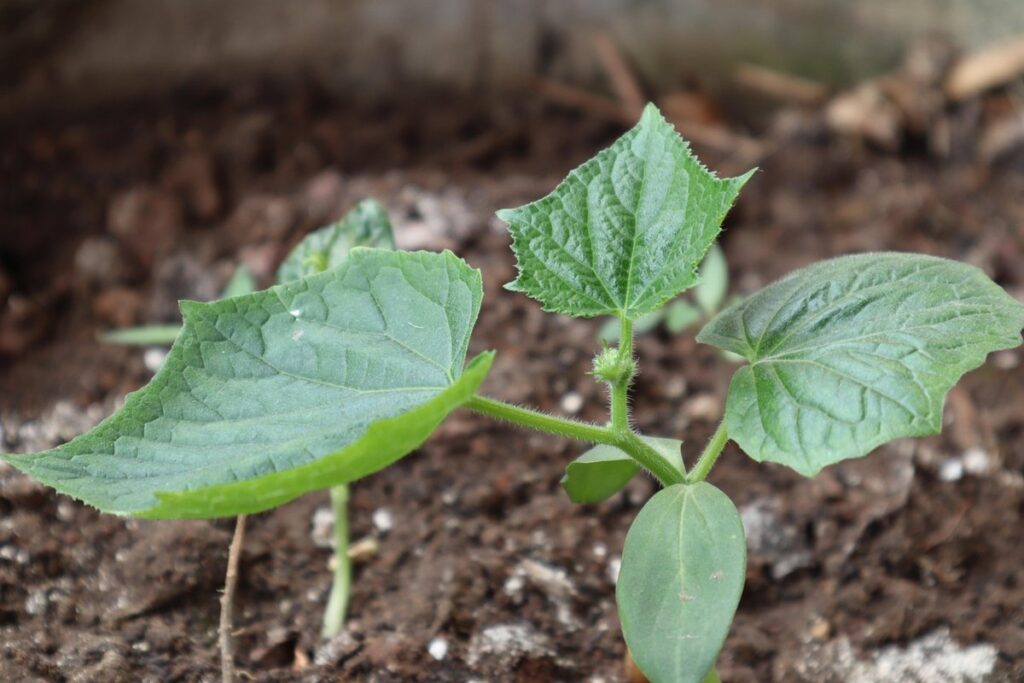
Benefits of Companion Planting
By companion planting cucumbers, you can enhance their flavor, increase yields, and even protect them from pests and diseases naturally. Let’s dive into the benefits that make this technique so valuable for cucumber growers like you!
Improving Soil Health and Structure
When it comes to companion planting cucumbers, one of the most significant benefits is its positive impact on soil health and structure. By incorporating beneficial plants alongside cucumbers, you can create a thriving ecosystem that promotes soil fertility and improves overall plant growth.
Some key advantages of companion planting for soil improvement include reduced erosion, increased water retention, and enhanced nutrient cycling. For instance, when planted with cover crops like clover or comfrey, cucumbers benefit from improved soil structure and moisture retention. This is particularly important for cucumber plants, which require consistent moisture levels to produce optimal yields.
To incorporate companion planting into your cucumber garden, consider incorporating nitrogen-fixing legumes, such as beans or peas, which can provide essential nutrients to the surrounding soil. You can also use mulch made from organic materials like straw or wood chips to retain moisture and suppress weeds, further reducing erosion and improving soil health. By making these simple adjustments, you’ll be on your way to creating a robust and resilient soil ecosystem that supports the growth of healthy cucumbers and other plants alike.
Pest and Disease Management
One of the most significant benefits of companion planting cucumbers is the ability to manage pests and diseases without relying on chemical pesticides. Certain plants have evolved to repel pests that can harm your cucumber crop, while others attract beneficial insects that prey on these pests. For example, basil repels aphids and whiteflies, which are common pests that target cucumbers. Nasturtiums, on the other hand, attract beneficial wasps that feed on aphids and other soft-bodied insects.
To promote healthy soil microbiomes, companion planting can also help prevent disease in your cucumber crop. By incorporating plants like marigold or calendula into your garden, you can increase the diversity of beneficial microorganisms in the soil. These microorganisms play a crucial role in breaking down organic matter and fighting off pathogens that can harm cucumbers. By promoting a balanced ecosystem, companion planting can significantly reduce the risk of disease in your cucumber crop.
Some plants, such as garlic and chives, have natural antifungal properties that can help prevent powdery mildew and other fungal diseases from taking hold.
Choosing Companion Plants for Cucumbers
When selecting companion plants for cucumbers, it’s essential to choose varieties that complement their needs and help prevent common pests and diseases. Let’s explore some great options together!
Beneficial Vegetables
When it comes to companion planting cucumbers, certain vegetables can provide numerous benefits that enhance their growth rates, yields, and flavor profiles. One of the most popular choices for cucumber companions is dill. This fragrant herb not only repels pests like aphids and spider mites but also improves cucumber growth by about 20-30%. By intercropping dill with cucumbers, you’ll notice a significant increase in yields.
Another excellent companion plant for cucumbers is basil. This sweet-smelling herb has natural oils that help deter nematodes and other pests that target cucumbers. Additionally, the scent of basil repels whiteflies and aphids, reducing the need for pesticides. When planting cucumber alongside basil, you can expect a 10-15% increase in yields.
Mint is another beneficial companion plant for cucumbers. Its strong fragrance deters pests like aphids and spider mites, promoting healthy growth and high yields. However, be sure to contain mint using a physical barrier or separate potting soil, as it can spread aggressively if left unchecked. By incorporating these herbs into your cucumber garden, you’ll reap the rewards of improved flavor profiles and increased productivity.
Complementary Herbs
When it comes to companion planting cucumbers, incorporating complementary herbs into your garden can be a game-changer. These fragrant plants not only complement the scent of cucumbers but also help deter pests and attract beneficial insects.
Lemongrass, for instance, is an excellent choice to pair with cucumbers. Its citrusy aroma repels mosquitoes and other flying pests that might damage your cucumber crop. Simply plant lemongrass around the perimeter of your cucumber bed or intersperse it throughout the rows. As a bonus, its tall stalks can also serve as a trellis for climbing varieties of cucumbers.
Thyme is another herb that harmonizes well with cucumbers. Its pungent fragrance deters aphids and whiteflies, common pests that feed on cucumber leaves. Plant thyme near the base of your cucumber plants or use it to border the garden bed. Regular pruning will encourage thyme to spread and maintain its potency.
Rosemary is a third herb worth considering for companion planting with cucumbers. Its piney scent repels spider mites and other pests that target cucumber leaves. As an added benefit, rosemary’s tall growth habit makes it an excellent choice for supporting climbing varieties of cucumbers.
Effective Companion Planting Strategies
Now that you know how to choose the perfect companion plants for cucumbers, let’s dive into some effective strategies to boost their growth and flavor. This section highlights specific pairing techniques that’ll take your cucumber gardening to the next level.
The 3-Foot Rule
When companion planting cucumbers, it’s essential to consider not just what plants to grow together but also where they’re placed. Enter the 3-foot rule – a fundamental principle for maximizing the benefits of companion planting. By keeping companion plants at least three feet away from your cucumber vines, you allow them to thrive without competing for space or resources.
Some companion plant combinations require an even greater distance due to their growth habits. For example, mint can be overwhelming if grown too close to cucumbers – it’ll quickly spread and outcompete the more delicate cucumber plants. In contrast, basil and dill are excellent companions that can be planted within a foot or two of cucumbers without causing any issues.
To implement the 3-foot rule effectively, consider creating separate sections in your garden for different plant families. This will give you the flexibility to move companion plants around as needed while maintaining a balanced ecosystem. As you experiment with various combinations, remember that some plants may require more space than others – so keep an eye on their growth and adjust accordingly.
Companion Planting in Different Environments
When it comes to companion planting cucumbers, understanding how different environments can impact success rates is crucial. Climate, soil type, and other environmental factors play a significant role in determining the effectiveness of plant pairings.
In hot and dry climates, for instance, choosing drought-tolerant companions like mint or oregano can help alleviate cucumber stress. These herbs not only thrive under similar conditions but also have a cooling effect on the surrounding area. In cooler climates, you may want to opt for warmer-season growers like basil or dill, which will benefit from the cucumbers’ shading.
Soil type is another critical factor. If your soil tends towards acidity, pairing cucumbers with plants that help neutralize it, such as marigolds or nasturtiums, can make a significant difference. Similarly, if you have poor drainage, selecting companions like comfrey or yarrow, which improve soil structure, will be beneficial.
Remember to observe and adapt your plant pairings based on your specific environment’s conditions. With some knowledge of the plants’ needs and how they interact with each other, you can create a harmonious and thriving companion planting system for your cucumbers.
Common Challenges and Solutions
When growing cucumbers through companion planting, you’ll likely encounter some common challenges, such as pests and diseases that can be addressed with strategic pairing. Let’s explore these issues together.
Interference with Light or Water Availability
When companion planting near cucumbers, it’s not uncommon to encounter issues that affect their growth. One of the most significant challenges is interference with light availability. This can occur when tall plants like sunflowers or corn shade out the cucumber vines, reducing photosynthesis and stunting their growth.
To avoid this issue, plant companions that are more compact in stature or those that will grow upwards, such as peas or beans. These legumes can be trained to climb up a trellis or other support, leaving space for the cucumber vines to spread out and receive adequate sunlight.
Another concern is competition for water availability. Some plants have deeper root systems than cucumbers, drawing water away from them during dry spells. Basil and dill are two examples of herbs that can compete with cucumbers for moisture. To mitigate this issue, ensure your cucumbers have a consistent supply of water and consider using mulch to retain soil moisture.
It’s also essential to be mindful of competing root systems when companion planting near cucumbers. Plants like tomatoes or peppers may have extensive root networks that can outcompete cucumber roots for nutrients and space. To avoid this problem, choose companion plants with smaller root systems or those that prefer well-draining soil, such as nasturtiums or calendula.
Potential Problems with Specific Plant Combinations
When it comes to companion planting cucumbers, it’s essential to be aware of potential problems that may arise from certain combinations. For instance, planting cucumbers alongside corn and beans can create an environment where their competing growth habits collide. Cucumbers are climbing plants that require a trellis or other support system to grow vertically, whereas corn is a tall plant that can overshadow smaller companions. This mix of incompatible growth habits can lead to overcrowding, reduced air circulation, and increased susceptibility to disease.
Another issue arises when combining cucumbers with strong-scented plants like mint or basil. These herbs compete for nutrients, which can slow down the cucumber’s growth and fruit production. A better approach is to plant basil near the base of the cucumber plants, allowing its fragrance to repel pests without competing for resources. Similarly, it’s best to avoid combining cucumbers with sprawling plants that might spread too far, like pumpkin or squash.
Expert Tips and Tricks for Companion Planting Cucumbers
To get the most out of companion planting cucumbers, let’s dive into some expert tips on choosing the perfect companions to boost their growth and flavor.
Seasonal Considerations
When choosing companion plants for cucumbers, it’s essential to consider the time of year and climate. In warmer months, you’ll want to focus on plants that provide shade and repel pests that thrive in heat, such as aphids and whiteflies. Basil is a great choice, not only for its pest-repelling properties but also for adding flavor to your cucumber dishes.
In contrast, during the cooler months, companion plants can help extend the harvest season by protecting cucumbers from frost. Plants like nasturtiums and calendula release chemicals that repel aphids and other pests, reducing the need for pesticides and extending the life of your cucumber crop.
When planning your garden, also consider the maturity dates of both your main crop (cucumbers) and companion plants. For example, if you’re planting a fast-growing basil, ensure it’s not overtaking the space where your cucumbers will grow. By choosing companion plants that complement each other in terms of growth habits and requirements, you can create a thriving and efficient garden ecosystem.
Incorporating nitrogen-fixing legumes like beans or peas into your cucumber bed can also provide an added boost during the growing season. These plants convert atmospheric nitrogen into a form that’s usable by cucumbers, reducing the need for fertilizers.
Integrating Companion Plants into Existing Gardens
Incorporating new companion plant pairings into an existing garden can be challenging, but with some planning and creativity, you can minimize disruptions to your established layout. Start by identifying the areas where you’d like to add a new companion planting scheme and assess which plants will thrive in those conditions.
Consider incorporating low-growing or spreading plants near pathways or at the edges of beds to maximize space without overwhelming more delicate cucumber varieties. For example, creeping thyme or creeping juniper can be used as groundcovers that also repel pests and attract beneficial insects.
When integrating new plant pairings, keep in mind the mature size of each plant and leave enough space for growth. Companion plants like nasturtiums and calendula are excellent choices for cucumbers, but they may need more room to spread out than some other varieties. Plan ahead by selecting companion plants that complement your existing garden layout and requirements.
By carefully selecting and placing new companion planting schemes, you can create a thriving and diverse ecosystem in your garden without disrupting the balance of established plantings.
Frequently Asked Questions
Can I start companion planting cucumbers with seeds that haven’t been certified organic?
Yes, you can still benefit from companion planting even if your cucumber seeds aren’t certified organic. However, keep in mind that non-organic seeds might be treated with chemicals or genetically modified to resist pests and diseases. When starting a new garden, it’s best to opt for heirloom or open-pollinated varieties to ensure healthier soil and plants.
How do I know which companion plants are suitable for my specific climate?
To determine the right companion plants for your region, consider factors like temperature, humidity, and sunlight patterns in your area. Also, check the hardiness zones of each plant variety to ensure they’ll thrive under local conditions. This information can be found on seed packets or through online gardening resources.
Can I use any type of herb as a companion plant for cucumbers?
Not all herbs are suitable for companion planting with cucumbers. While some beneficial herbs, like basil and mint, repel pests and attract pollinators, others might compete with your cucumber plants for water and nutrients. Research specific herb varieties that complement cucumbers’ growth needs to get the best results.
Will I need to adjust my watering schedule if I add companion plants to my garden?
Yes, you may need to adjust your watering schedule when introducing new plants into your garden. Companion planting can increase moisture loss through transpiration and alter soil structure. Monitor your plants’ water requirements closely and adjust your irrigation accordingly to prevent overwatering or underwatering.
Can I combine multiple companion plants in a single bed?
While it’s tempting to create complex companion plant pairings, too many plants can lead to competition for resources like light, water, and nutrients. Start with a few compatible companions and gradually add more as your garden matures. This will help maintain a balanced ecosystem and reduce the risk of overgrowth or disease.