
Nettles have been a part of human history for centuries, not only as a medicinal herb but also as a valuable food source. However, many people are hesitant to venture into the wild in search of these plants due to their often-misunderstood reputation. If you’re interested in foraging or simply learning more about common nettle species, accurate identification is key. In this article, we’ll delve into the world of nettles, exploring how to identify them safely and effectively. We’ll cover not only the physical characteristics that distinguish different types but also provide essential information on their historical significance and handling precautions when in the wild. By the end of this guide, you’ll be equipped with the knowledge to confidently recognize common nettle species and appreciate their value in a new light.
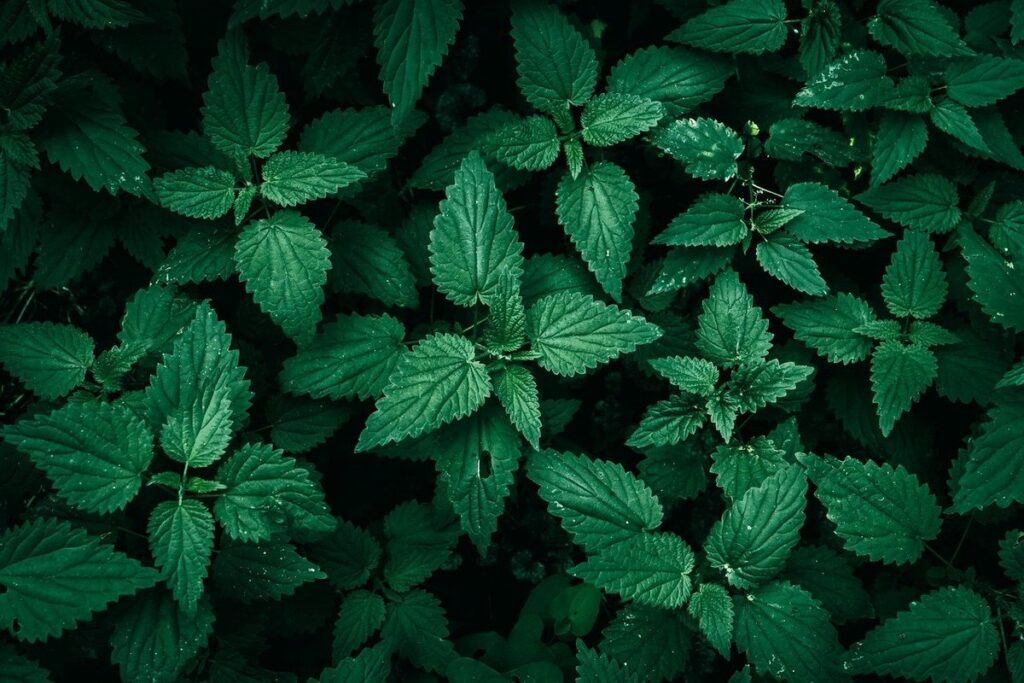
Understanding Nettles and Their Importance
Nettles are often misunderstood, but understanding their unique characteristics and importance can help you identify them more easily. Let’s dive into what makes nettles special.
What are Nettles?
Nettles are a type of flowering plant that belongs to the Urticaceae family. They’re commonly found in many parts of the world, particularly in temperate and subtropical regions. These plants typically thrive in areas with rich soil and plenty of moisture, which is why they often grow near water sources or in damp meadows.
Despite their prevalence, nettles are frequently misunderstood due to their reputation for causing discomfort when touched. However, this stinging sensation comes from specialized hairs on the plant’s leaves and stems called trichomes. These tiny spines contain a chemical called urtic acid, which can cause pain, redness, and swelling in some people.
It’s worth noting that not all nettle species produce these irritating hairs, so it’s essential to identify the specific type before approaching or handling them. Many cultures have learned to harness the benefits of nettles, using their leaves for culinary purposes or as a natural remedy for various ailments. By understanding and respecting these plants’ unique characteristics, you can appreciate their value in both the environment and human society.
Historical and Cultural Significance
For centuries, nettle has been a revered plant in various cultures around the world. In ancient Greece and Rome, it was considered a sacred herb used for medicinal purposes. The Greek physician Dioscorides wrote extensively about its uses, including as an antiseptic and anti-inflammatory agent. In medieval Europe, nettle leaves were used to make a tea that was believed to ward off plague.
Today, nettle is still highly valued for its numerous health benefits. It’s rich in vitamins A and C, iron, and calcium, making it a popular ingredient in herbal remedies. Nettle leaf tea is often consumed to reduce inflammation and improve respiratory issues such as asthma and bronchitis. In addition, nettle root extract has been shown to support prostate health.
To tap into the historical significance of nettle, consider growing your own plants for medicinal use or incorporating nettle-based products into your daily routine. You can also explore local folklore and traditions surrounding this versatile plant. By understanding nettle’s rich cultural heritage, you’ll gain a deeper appreciation for its importance in our lives today.
Why Identify Nettles Correctly?
Accurate identification of nettles is crucial for various purposes. In gardening, knowing the difference between common nettle species can help prevent unintentional cultivation of invasive plants that may outcompete desired crops. For example, the non-native Giant Nettle (Urtica ferox) can spread rapidly and displace native vegetation, whereas the native Stinging Nettle (Urtica dioica) is a valuable food source for pollinators.
In medicine, proper identification of nettles ensures safe harvesting and use of their leaves, stems, and roots. Some nettle species contain higher concentrations of certain compounds, making them more suitable for specific medicinal applications. Conversely, incorrect identification could lead to the collection of plants with undesirable properties or toxic levels of chemicals.
For conservation efforts, accurate identification is vital in understanding population dynamics and habitat requirements of different nettle species. This knowledge informs management decisions to preserve native ecosystems and mitigate the impact of invasive species. By correctly identifying nettles, gardeners, herbalists, and conservationists can work together to promote biodiversity and protect natural resources.
Visual Identification Characteristics
When identifying common nettle, pay attention to its distinctive leaf shape and arrangement, as these visual characteristics can be quite telling. Take a close look at how leaves are arranged on the stem.
Leaf Shape and Arrangement
Nettle leaves are one of the most distinctive features that can help you identify this plant. These leaves are typically lance-shaped and range from 3 to 4 inches (7-10 cm) in length, with a pointed tip at the end. Their edges are usually serrated, giving them a coarse texture.
When it comes to the arrangement on stems, nettle leaves alternate in a spiral pattern, which is a common characteristic among nettle species. This unique arrangement makes it easier to identify the plant, especially when compared to other plants with whorled or opposite leaf arrangements.
Take note that some nettle varieties have larger or smaller leaves, but their lance-shaped and serrated characteristics remain consistent. For example, stinging nettle (Urtica dioica) has more prominent serrations than its close relative, the wood nettle (Laportea canadensis).
When examining nettle leaves, look for these distinctive features to confirm your identification. Remember that a combination of leaf shape and arrangement on stems is crucial in distinguishing nettle from other plants with similar characteristics.
Stem and Growth Habit
Nettle stems are one of the most distinctive features that can help you identify this plant. They’re typically green, although they may have a reddish tint due to the presence of anthocyanins, which give them their characteristic color. In terms of texture, nettle stems are usually smooth and hairless to the touch.
When it comes to growth habit, common nettle can grow quite tall – up to 3 feet or more in ideal conditions. However, the average height is around 1-2 feet. The diameter of the stem can range from about half an inch to almost an inch. One notable characteristic is that nettle stems are hollow, which means you can easily slide a small stick through them.
The branching pattern of common nettle is also worth noting. The plant tends to grow upright with smaller branches shooting off from the main stem at regular intervals. These smaller branches then split into even finer ones, creating a sort of network-like structure that helps spread out the leaves for maximum sunlight absorption.
Flower and Seed Features
Nettle flowers are small and delicate, typically measuring between 1-2 inches (2.5-5 cm) in diameter. They’re usually a light yellow to greenish-yellow color, often with a brown or purple tint at the base of the petals. The flower head is composed of numerous tiny florets that are arranged in a spherical shape.
As for the seeds, they’re long and narrow, resembling a small needle. Nettle seeds are around 1-2 cm (0.4-0.8 in) in length, with a pointed tip at one end and a narrower base. The seed color ranges from brown to dark gray, often with a lighter spot or stripe on the side.
Timing-wise, nettle flowers tend to bloom during mid-to-late summer, around July and August in the Northern Hemisphere. This is also when the plant produces its seeds. Keep in mind that nettle plants can thrive in various environments, including urban areas, and may bloom at different times depending on your location and local climate.
When trying to identify a nettle plant, pay attention to the shape and color of its flowers and seeds. Observe whether they’re clustered together or dispersed across the stem. This information can be crucial in distinguishing common nettle from other lookalike plants.
Distinguishing Nettles from Similar Plants
When exploring the great outdoors, it’s not uncommon for beginners to mistake similar plants for nettles. This section will help you confidently identify the real deal among impostors.
Common Lookalikes
When venturing into the wild to identify nettle plants, it’s not uncommon for some of its lookalikes to be mistaken for the real deal. Two notable impostors are the stinging thistle (Cirsium vulgare) and the wood nettle (Laportea canadensis). While they share some similarities with common nettle, they have distinct characteristics that set them apart.
One of the key differences between these plants and nettle is their leaf shape. Stinging thistle has sharp, spiny leaves with a distinctive purple tint, whereas wood nettle has heart-shaped leaves with smooth edges. In contrast, common nettle has lance-shaped leaves with tiny teeth along the margins. To differentiate them, observe the shape of the leaves and note whether they have any prickly protrusions or not.
Another key difference lies in their growth habits. Stinging thistle tends to grow tall and upright, while wood nettle spreads out more bushily. Common nettle, on the other hand, can be either a tall perennial or an annual that grows close to the ground. Paying attention to these subtle differences will help you avoid mistakenly identifying one of its common lookalikes.
Habitat-Specific Considerations
When identifying nettles in different environments, it’s essential to consider their habitat-specific characteristics. In woodland edges, look for nettle growth along paths and trails where sunlight filters through the trees. Their leaves may appear smaller and more rounded due to reduced light conditions. In contrast, wetlands often support taller and more robust nettle growth.
In these areas, you’re likely to find nettles near the water’s edge or in damp depressions. Be cautious not to confuse them with similar plants like cow parsley or hemlock. When exploring coastal areas, nets of seaweed or beach debris may conceal nettle growth, requiring a closer examination to reveal their presence.
In urban environments, look for nettle patches along fence lines, walls, and other structures that provide some shade. These areas often have a mix of native and non-native species, making it crucial to examine the leaves carefully to confirm identification. When venturing into these diverse habitats, remember that nettles can thrive in various conditions, from partial shade to full sun, so be prepared for varying appearances based on their environment.
Seasonal Identification Tips
When trying to distinguish nettle from similar plants, being aware of its seasonal characteristics can be invaluable. One of the primary factors is leaf shape and size. During spring and early summer, new nettle leaves are typically a vibrant green color with pointed tips, measuring around 2-4 inches in length.
As the seasons change, so does the appearance of nettle leaves. In mid to late summer, older leaves become more lance-shaped and may reach up to 8 inches in length. The edges often develop small teeth or serrations, making them look like miniature saw blades. These distinctive leaf characteristics can be easily noticed when walking through fields or meadows during this time.
In fall, the nettle plant begins to prepare for winter by producing seeds and dying back. Leaves turn a light brown color and become brittle, often dropping off the stem entirely. This seasonal transformation provides another opportunity for identification, as the remaining stalks and seed pods can be easily distinguished from other plants.
In colder climates, observe that the leaves may remain attached to the plant even during winter months, but they will typically have turned a grayish-brown color due to frost damage.
Using Field Guides and Resources
To ensure you’re accurately identifying common nettle species, let’s dive into the field guides and resources that can help you make a confident identification.
Essential Tools for Nettle Identification
Accurate nettle identification requires the right tools and resources. When it comes to field guides and apps, some stand out from the rest for their reliability and ease of use. For beginners, “Newcomb’s Wildflower Guide” is an excellent starting point. Its detailed illustrations and descriptions make it a great resource for learning about common nettle species.
Mobile apps like PlantSnap and Leafsnap are also incredibly useful for identifying nettles on-the-go. These apps utilize AI-powered technology to help you identify plants based on images. Simply take a photo of the leaf or stem, and the app will provide you with potential matches from its vast database.
Online resources like iNaturalist and Wikipedia’s Plant and Fungi portal are also valuable tools for nettle identification. These platforms allow you to consult with experts, share observations, and access detailed descriptions and images of various plant species. Familiarize yourself with these essential tools to improve your chances of accurate nettle identification in the field.
Best Practices for Observing Plants
When venturing into the wild to observe common nettle, it’s essential to do so safely and effectively. Before you begin, take a moment to prepare yourself and your surroundings. Wear long sleeves, gloves, and protective eyewear to shield against the plant’s stinging hairs.
As you approach the plant, examine its environment carefully. Note the type of soil, sunlight exposure, and surrounding vegetation. This information can be crucial in understanding the plant’s growth habits and potential variations. To accurately observe common nettle, use a hand lens or magnifying glass to inspect details such as leaf shape, stem color, and overall size.
When handling the plant, avoid touching your face or sensitive areas to prevent irritation. Instead, focus on documenting key features using photographs or sketches. Keep in mind that common nettle can grow alongside other species, so be sure to note any distinguishing characteristics that set it apart from lookalikes. By observing plants with care and attention to detail, you’ll be well-equipped to accurately identify common nettle and expand your botanical knowledge.
Collaborating with Experts
When dealing with complex identification questions, such as those that arise when trying to distinguish between different common nettle species, it’s essential to seek guidance from experienced botanists or naturalists. These experts have spent years studying and working with plants, allowing them to develop a deep understanding of their characteristics, growth habits, and ecological niches.
One way to consult with an expert is through online forums, where you can ask questions and receive feedback from seasoned botanists. For instance, websites like iNaturalist or PlantSnap allow users to share photos of plants they’re trying to identify, which can then be reviewed by experts in the field. You can also reach out directly to local botanical gardens or natural history museums for guidance.
Another option is to attend workshops or lectures on plant identification, where you can learn from experienced instructors and network with other enthusiasts. By consulting with experts and engaging with online communities, you’ll not only improve your own skills but also gain a deeper appreciation for the complexity and beauty of common nettle identification.
Safety Precautions When Handling Nettles
When foraging or handling nettle plants, it’s crucial to take necessary precautions to avoid painful stings and irritation. Be sure to wear protective gloves and eyewear at all times when working with nettles.
Stinging Cells (Trichomes) and Their Impact
Nettles are infamous for their stinging cells, also known as trichomes. These tiny, hair-like structures contain a venom called formic acid, which is responsible for the characteristic pain and inflammation associated with nettle stings. When you touch a nettle plant, the trichomes break off and inject this acid into your skin through small openings, causing a burning sensation.
The severity of the reaction varies from person to person, but it’s usually mild and temporary. Some people may experience redness, swelling, and itching, while others might feel a sharp pain or a burning sensation that lasts for several hours. In rare cases, exposure to nettle trichomes can cause more severe reactions, such as anaphylaxis, especially in individuals with pre-existing allergies.
To minimize the risk of getting stung, it’s essential to handle nettles carefully and wear protective clothing, including long sleeves, gloves, and eye protection. When working with nettles, gently sweep them away from your skin or use a stick to guide them into a container, rather than touching them directly.
Protective Measures
When handling nettles, it’s essential to take protective measures to avoid getting stung. One of the most critical steps is dressing appropriately for the task. Wear long sleeves, trousers, and closed shoes to prevent exposure to the plant’s sting-inducing hairs.
In addition to protective clothing, consider wearing gloves specifically designed for gardening or handling plants with irritant properties. These gloves will provide an extra layer of protection against potential stings.
When working with nettles, it’s also crucial to keep your face and eyes protected. Wear a pair of safety goggles or glasses to shield yourself from any accidental splashes or spills.
To minimize the risk of getting stung while handling nettles, work in a well-ventilated area, and avoid touching your eyes or face after handling the plant. By following these simple precautions, you can safely handle nettles without putting yourself at risk for painful stings.
First Aid for Stings and Burns
When encountering nettle-related injuries, it’s essential to act quickly and effectively. The first step in treating stings is to carefully remove any remaining stingers from the skin using a credit card or a similar object. Avoid pinching or squeezing the stinger, as this can release more venom.
To alleviate pain and itching, apply a cold compress or an ice pack wrapped in a cloth for 10-15 minutes at a time. You can also use over-the-counter antihistamines like Benadryl to reduce swelling and itching. For severe reactions, consider consulting a medical professional.
Burns from handling nettles are relatively rare but can occur if the plant is exposed to heat or flames. Treat minor burns with cool tap water for 10-15 minutes, then apply a topical antibiotic ointment and cover the area with a bandage. If blisters form or the burn covers a large area, seek medical attention.
Keep in mind that nettle stings are generally not life-threatening but can cause significant discomfort. By being prepared with first aid knowledge and acting promptly, you can minimize the impact of these injuries and continue enjoying the outdoors safely.
Frequently Asked Questions
How can I ensure accurate nettle identification when foraging with limited experience?
Yes, it’s essential to start by familiarizing yourself with field guides and resources specific to your region. These guides will provide detailed information on the physical characteristics of common nettle species, as well as their habitat preferences. Consider collaborating with experienced foragers or botanists who can offer hands-on guidance and expert knowledge.
What should I do if I’m unsure about the safety of a particular nettle plant?
If you’re unsure about the identity or safety of a plant, err on the side of caution and avoid touching it or ingesting any parts. Nettle identification requires attention to detail, and it’s better to be safe than sorry. Consult with experts or trusted field guides to confirm the plant’s identity before handling or consuming it.
Can I use photographs to identify nettles in the wild?
While photographs can provide valuable reference images, they shouldn’t replace hands-on experience and physical observation. Take notes on the plant’s size, shape, growth habit, and other characteristics during your observations, as this will help you develop a deeper understanding of nettle identification.
What are some common mistakes beginners make when identifying nettles?
One common mistake is relying too heavily on single characteristics, such as leaf shape or flower color. Instead, consider the plant’s overall appearance, including its growth habit, stem texture, and habitat preferences. This will help you develop a more nuanced understanding of nettle identification.
How can I store and handle harvested nettles to preserve their medicinal properties?
To preserve the medicinal properties of harvested nettles, it’s essential to dry them immediately after harvesting. Tie the stems in small bunches and hang them upside down in a warm, dry location with good air circulation. This will help retain the plant’s potency and prevent spoilage. Be sure to store dried nettles in airtight containers to preserve their quality for future use.