
Comfrey is often overlooked as a valuable resource for gardeners, but this versatile herb has been used for centuries to enrich soil and promote healthy plant growth. As we explore the benefits of using comfrey mulch in your garden, you’ll discover how it can improve soil structure, fertility, and weed suppression – making it an attractive alternative to synthetic fertilizers. Compost teas and liquid fertilizers made from comfrey are also nutrient-rich and perfect for providing a natural boost to your plants. In this article, we’ll delve into the advantages of using comfrey mulch and how you can incorporate it into your gardening routine. Whether you’re a seasoned gardener or just starting out, you’ll learn how to harness the power of comfrey to create a thriving and sustainable garden ecosystem.
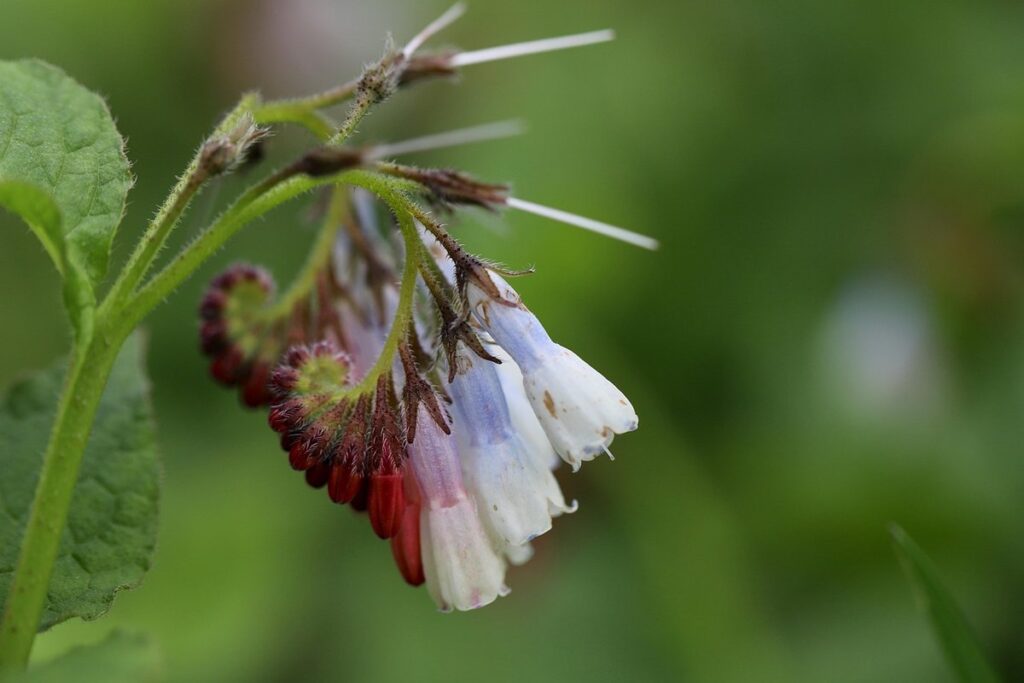
Introduction to Comfrey as a Mulch
Comfrey makes a wonderful mulch for your garden, and if you’re new to using it, let’s start by exploring why comfrey is an excellent choice as a natural mulching material.
What is Comfrey?
Comfrey is a remarkable plant that has been used for centuries not only for its medicinal properties but also as a valuable resource in gardening. Native to Europe, Asia, and North Africa, this perennial herb is well adapted to temperate climates and can thrive in a variety of conditions. Its versatility makes it an attractive addition to any garden.
One of the key characteristics of comfrey is its ability to act as a nutrient-rich mulch. The plant’s deep taproot allows it to access nutrients deep within the soil, which are then stored in its leaves. When comfrey is chopped and applied as a mulch, these nutrients are slowly released back into the soil, providing a natural source of fertility for your plants. This process not only promotes healthy plant growth but also reduces the need for synthetic fertilizers.
History of Using Comfrey as a Mulch
Comfrey has been used as a mulch for centuries, with its rich history dating back to ancient civilizations. In medieval Europe, comfrey was highly valued for its medicinal properties and was often referred to as “knitbone” due to its ability to heal wounds and fractures. As gardeners began to utilize its leaves and flowers for their nutritional benefits, they also discovered the plant’s potential as a mulch.
In the 19th century, comfrey gained popularity among gardeners in England, where it was used extensively as a compost activator and fertilizer. However, with the introduction of synthetic fertilizers and modern farming practices, its use began to decline. In recent years, there has been a resurgence of interest in comfrey as a sustainable and environmentally friendly mulch option.
As more gardeners turn to organic and natural methods for maintaining their gardens, comfrey is regaining its former popularity as a valuable resource. By understanding the history behind comfrey’s use as a mulch, we can appreciate the plant’s versatility and potential benefits in our own gardening practices.
Why Use Comfrey as a Mulch?
Comfrey makes a fantastic mulch, and one of its biggest advantages is that it’s an excellent soil conditioner, improving structure and fertility over time. By incorporating comfrey into your mulching routine, you’ll reap numerous benefits for your garden.
Advantages Over Other Mulches
Compared to traditional mulches like straw or wood chips, comfrey has several benefits for gardeners. One of the main advantages is its ability to act as a fertilizer plant, making it an excellent choice for garden beds that are depleted of nutrients. Comfrey’s deep taproots bring up minerals from the subsoil, which are then released into the surrounding soil through its leaves and roots.
This means you can use comfrey as a mulch and also benefit from its fertilizing properties, eliminating the need to add separate fertilizers to your garden. Additionally, comfrey has a high nutrient content itself, making it an excellent compost addition when it eventually breaks down.
In contrast to traditional mulches that may need frequent replenishment, comfrey is a self-sustaining option as it will continuously grow and produce new leaves, allowing you to harvest them for use in your garden. By incorporating comfrey into your mulching routine, you can reduce waste, conserve resources, and enjoy the many benefits of this versatile plant in your garden.
Comfrey’s Nutrient-Rich Properties
Comfrey’s nutrient-rich properties make it an exceptional choice as a mulch for gardeners looking to create a fertile soil environment. As comfrey decomposes, its deep taproots bring up nutrients from the subsoil and release them into the surrounding area, enriching the soil with minerals such as potassium, calcium, magnesium, and iron.
When used as a mulch, comfrey acts as a slow-release fertilizer, continuously feeding your plants over time. This is especially beneficial for gardeners who prefer to avoid synthetic fertilizers or want to promote sustainable gardening practices. By incorporating comfrey into your mulching routine, you can expect to see improved soil structure, increased water retention, and enhanced microbial activity.
To maximize the benefits of using comfrey as a mulch, aim to apply 2-3 inches of fresh or dried comfrey leaves around the base of your plants. As it breaks down, mix it into the topsoil to create a nutrient-rich compost tea that will stimulate healthy plant growth and soil development.
How to Grow and Harvest Comfrey
To make the most of your comfrey mulch, you’ll want to learn how to grow and harvest it effectively, which involves planting it in a spot that gets plenty of sunlight.
Propagation Methods
To successfully grow comfrey as a mulch plant, you’ll first need to propagate it using seeds or cuttings. Seeds are an excellent option for beginners, but cuttings can be more reliable and faster-growing.
For optimal growth conditions, choose a spot with full sun (at least 6 hours of direct sunlight) and rich, fertile soil with a pH between 6.0 and 7.0. Comfrey prefers slightly acidic to neutral soil, so if your garden’s pH is higher, consider adding organic matter like compost or well-rotted manure.
When using seeds, sow them directly in the ground in early spring or fall, about 1/4 inch deep and 12-18 inches apart. Keep the soil consistently moist during the first few weeks after sowing. Cuttings are typically taken from established comfrey plants with 6-8 inches of stem. Remove lower leaves and plant the cut end directly into the ground, watering thoroughly.
Keep in mind that comfrey can be invasive if not contained. To prevent this, consider growing it in a large container or using barriers to control its spread.
Harvesting Comfrey Leaves and Roots
Comfrey is a dynamic accumulator that stores nutrients from deep within the soil and transfers them to other plants when its leaves and roots are harvested. To utilize comfrey as a natural fertilizer for your garden, it’s essential to learn how to harvest its leaves and roots effectively.
Harvest comfrey leaves throughout the growing season by cutting off individual stalks or stems about 2-3 inches from the ground. This will encourage new growth and prevent the plant from flowering. You can use these leaves as a nutrient-rich mulch, adding them to your compost pile or using them as a green manure.
For root harvest, wait until autumn when comfrey has completed its growth cycle. Use a fork to carefully dig up the roots, taking care not to damage any surrounding soil or plant life. These roots can be chopped and added to your compost or used as a liquid fertilizer by steeping them in water.
When harvesting comfrey, always leave some leaves intact on the plant to allow it to continue photosynthesizing and replenishing its nutrient stores for future harvests.
Comfrey Mulch Benefits for Specific Garden Tasks
Comfrey mulch is a game-changer for tackling specific garden tasks, from improving soil health to suppressing weeds and retaining moisture. Let’s explore its benefits in action!
Improving Soil Structure and Fertility
Comfrey is renowned for its incredible ability to boost soil fertility and structure. This is largely due to its symbiotic relationship with microorganisms in the soil, which breaks down organic matter and releases essential nutrients. As a result, comfrey mulch acts as a natural fertilizer, enhancing the soil’s water-holding capacity and improving drainage. By incorporating comfrey into your garden routine, you can effectively address nutrient deficiencies, reduce the need for synthetic fertilizers, and create a more balanced ecosystem.
One of the most remarkable aspects of comfrey is its nitrogen-fixing properties. This process involves converting atmospheric nitrogen (N2) into a form that plants can utilize. By incorporating comfrey mulch, you’ll be providing your garden with a natural source of nitrogen, reducing reliance on synthetic fertilizers and minimizing waste. A 1:4 ratio of comfrey to other plants in the same bed is recommended for optimal results. Regularly adding comfrey mulch will allow you to reap the rewards of improved soil fertility, resulting in healthier, more resilient plant growth.
Reducing Weeds and Retaining Moisture
Comfrey mulch has several benefits when it comes to reducing weeds and retaining moisture in the soil. One of the primary reasons comfrey makes an excellent mulch is its ability to suppress weed growth. Comfrey contains a compound called allantoin, which inhibits seed germination and root development, making it difficult for weeds to establish themselves.
When applied as a mulch, comfrey helps retain moisture in the soil by reducing evaporation and runoff. This is especially useful during periods of drought or high rainfall. The mulched area tends to absorb excess water, preventing erosion and ensuring that plants receive adequate hydration.
To maximize these benefits, apply 2-3 inches of comfrey mulch around your plants, keeping it about an inch away from the stem to prevent rot. You can also mix composted comfrey into your soil to improve its overall fertility and structure. Regular applications will help suppress weeds and retain moisture over time.
Safety Precautions When Using Comfrey as a Mulch
When using comfrey as a mulch, it’s essential to take some safety precautions to avoid any potential harm. Be sure to wear protective gloves and eyewear when handling comfrey leaves and roots.
Potential Allergies and Irritations
When handling comfrey as a mulch, it’s essential to be aware of potential allergies and irritations that may occur. Some individuals may experience skin irritation, such as redness, itching, or rashes, due to the sap of the comfrey plant.
Comfrey contains compounds like allantoin and caffeic acid, which can cause allergic reactions in some people. If you’ve never used comfrey before, it’s a good idea to perform a patch test on a small area of skin before applying it as mulch. Wear protective gloves when handling comfrey to minimize exposure.
If you do experience any irritation or discomfort while working with comfrey, wash the affected area thoroughly with soap and water. In severe cases, consult a healthcare professional for advice. While rare, some people may also be allergic to ingesting comfrey, so it’s best to avoid eating leaves or flowers that have come into contact with the sap.
By taking these precautions, you can enjoy the benefits of using comfrey as a mulch while minimizing potential risks.
Insect and Pest Control Measures
When using comfrey mulch, it’s essential to take precautions to prevent attracting pests and spreading diseases. Comfrey can be a magnet for aphids, whiteflies, and other insects that feed on its leaves. To minimize this risk, make sure to harvest the leaves regularly, as overgrown comfrey plants are more susceptible to pest infestations.
To prevent the spread of diseases, ensure good air circulation around your comfrey plants. This can be achieved by growing them in a location with adequate space between each plant and nearby garden beds. Additionally, avoid overcrowding your comfrey bed, as this can lead to moisture accumulation, creating an ideal environment for disease-causing pathogens.
Regularly inspect your comfrey mulch for signs of pests or diseases, such as yellowing leaves, black spots, or actual insects present. Remove any affected areas promptly and dispose of them in a sealed bag to prevent further contamination. By taking these precautions, you can enjoy the benefits of using comfrey mulch while minimizing its drawbacks.
Case Studies: Real-World Examples of Comfrey as a Mulch Success
Let’s take a look at how other gardeners have successfully used comfrey as a mulch, from reducing weeds to retaining moisture in their soil. We’ll examine real-world examples of its benefits in action.
Gardener Testimonials
We’re thrilled to share real-life testimonials from gardeners who’ve successfully used comfrey as a mulch. Their stories demonstrate the effectiveness and benefits of this versatile plant.
Meet Sarah, a seasoned gardener from California, who replaced traditional bark chips with comfrey in her vegetable garden. “Comfrey has been a game-changer for me,” she says. “It retains moisture, suppresses weeds, and adds nutrients to the soil – all while being easy to maintain.”
Mark, a permaculture enthusiast, shares his experience using comfrey as a mulch around fruit trees. He notes that it’s significantly reduced soil erosion and increased soil fertility.
Many gardeners have seen remarkable results with comfrey mulch, often reporting improved plant growth, reduced water consumption, and minimized weed competition. To replicate these successes, consider the following tips:
* Start by planting comfrey in a dedicated area or as a companion plant among other vegetables.
* Use 2-3 inches of fresh or dried comfrey leaves as a layer of mulch around plants.
* Renew the mulch every few months to maintain its effectiveness.
These testimonials and before-and-after photos offer tangible proof that comfrey makes an excellent mulch choice. By incorporating it into your garden, you can reap similar benefits and create a more sustainable, thriving environment.
Measuring the Impact on Soil Health
Measuring the impact of comfrey mulch on soil health is crucial to understanding its effectiveness as a sustainable gardening practice. In a study published by the University of California, researchers found that comfrey mulch increased soil fertility and structure significantly over a two-year period. Compost made from comfrey leaves was rich in nutrients like potassium, nitrogen, and phosphorus, which were readily available for plant uptake.
Other experiments have demonstrated the positive effects of comfrey mulch on soil biodiversity. A study conducted by the Rodale Institute found that comfrey mulch increased earthworm populations and improved overall soil health. Earthworms play a vital role in aerating and fertilizing soil, making comfrey mulch an effective tool for creating a balanced ecosystem.
To measure the impact of comfrey mulch on your own garden’s soil health, try tracking changes in soil pH, nutrient levels, and microbial activity over time. You can also conduct a simple test by digging a small section of composted comfrey into your soil and observing its effects on nearby plants.
Conclusion: Embracing Comfrey Mulch in Your Garden
Now that you’ve learned about the benefits of using comfrey as mulch, it’s time to put this knowledge into action. Incorporating comfrey into your garden can have a profound impact on soil health and fertility. To get started, consider setting aside a small area for comfrey cultivation. This will provide you with an ample supply of mulch throughout the growing season.
As you begin to integrate comfrey mulch into your garden routine, be patient and observe its effects over time. Remember that comfrey is a dynamic accumulator, pulling nutrients from deep within the soil and making them available to nearby plants. With regular use, you’ll notice an improvement in soil structure, fertility, and overall ecosystem balance.
Frequently Asked Questions
Can I use comfrey mulch in containers or is it best suited for garden beds?
Yes, you can definitely use comfrey mulch in containers! While it’s true that comfrey prefers to grow in the ground, its nutrient-rich properties make it an excellent addition to potting mixes. Simply chop the leaves and roots into smaller pieces and add them to your container soil. This will provide a natural boost of nutrients to your plants.
How long does it take for comfrey mulch to break down and become effective?
Comfrey mulch can start breaking down quickly, especially in warm temperatures. Within 1-2 weeks, the initial decomposition process begins, releasing its nutrient-rich goodness into the soil. However, the full breakdown process may take several months, depending on factors like climate, moisture, and soil type.
Is comfrey mulch suitable for all types of plants or are there any specific requirements?
Comfrey mulch is an excellent choice for most plants, especially those that prefer rich, fertile soil. It’s particularly beneficial for fruiting plants, vegetables, and flowers. However, if you’re using comfrey mulch with acid-loving plants like azaleas or blueberries, be aware that the high nitrogen levels might require additional pH adjustments.
How can I minimize potential allergies and irritations when handling comfrey?
While rare, some individuals may experience skin irritation or allergic reactions to comfrey. To minimize risks, wear gloves when handling comfrey leaves and roots, and avoid touching your face or eyes after handling the plant. If you experience any discomfort, discontinue use and consult with a healthcare professional.
Can I mix comfrey mulch with other materials like straw or bark chips?
Yes! Comfrey mulch can be successfully combined with other natural mulching materials to create a unique blend that suits your specific needs. This is especially useful if you want to reduce weed growth while still benefiting from the nutrient-rich properties of comfrey.