
If you’re a rose enthusiast, there’s nothing worse than seeing your beautiful blooms ravaged by disease. Black leaf spot fungus is a common problem that can quickly spread and destroy an entire garden if left unchecked. It’s essential to know how to identify this fungal infection, as well as the steps you can take to prevent it from taking hold in the first place. But don’t worry – with the right knowledge and management options, you can keep your roses healthy and thriving. In this comprehensive guide, we’ll delve into the causes of black leaf spot fungus in roses, explore the telltale symptoms, and provide actionable tips on how to treat and prevent this pesky problem for good.
Understanding Black Leaf Spot Fungus in Roses
Black leaf spot fungus can be a challenging problem for rose gardeners, so let’s break down what causes it and how to identify its symptoms.
What is Black Leaf Spot Fungus?
Black leaf spot fungus is a common disease affecting rose plants worldwide. It belongs to the Ascomycota phylum and has several species that infect roses. The most prevalent species causing black leaf spot in roses are Diplocarpon rosae and Phyllactinia oryzae.
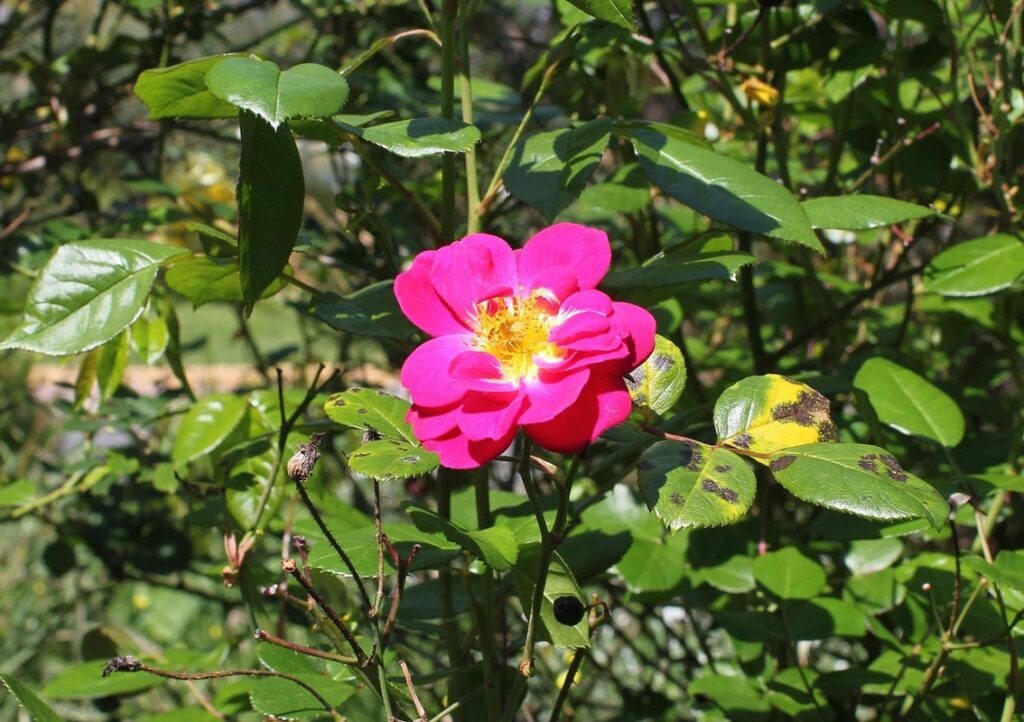
When infected, roses exhibit symptoms like yellowing of leaves, followed by dark brown to black spots on the upper surface. These spots can coalesce, causing entire leaves to turn black. The fungus grows from these lesions, producing conidia that disperse through water splashes and air currents.
Roses in humid environments are more susceptible to infection due to high moisture levels allowing fungal growth. Black leaf spot fungus thrives in temperatures between 15°C and 30°C (59°F-86°F), making it a significant problem in regions with mild winters. Understanding the disease’s classification and environmental requirements is crucial for effective management strategies.
In ideal conditions, black leaf spot fungus can cause up to 80% defoliation of rose plants. Early detection and treatment are essential to prevent severe damage to roses and reduce the risk of spreading the infection to other plants in the area.
Common Hosts and Distribution
Roses such as ‘Knock Out’, ‘Easy Elegance’, and ‘Drift’ are among the most susceptible to black leaf spot fungus due to their high water requirements. These varieties have a dense growth habit, which makes them more prone to fungal diseases. In regions with high humidity and temperatures between 65°F and 75°F (18°C and 24°C), these roses are more likely to develop black leaf spot.
Geographically, the disease is commonly found in areas with warm and humid climates such as the southern United States, Australia, and parts of Europe. In these regions, rose growers often face challenges in controlling the spread of black leaf spot due to frequent rainfall and high atmospheric moisture.
When selecting rose varieties for your garden, consider choosing those that are more resistant to fungal diseases. ‘Iceberg’, ‘Sally Holmes’, and ‘Climbing English Rose’ are examples of disease-resistant roses you may want to consider planting. By understanding the common hosts and distribution of black leaf spot fungus, you can take proactive measures to prevent its spread in your garden.
Causes and Contributing Factors
To better understand how to manage black leaf spot fungus on your roses, let’s take a closer look at what causes this disease in the first place.
Environmental Conditions Favoring Infection
Black leaf spot fungus thrives in specific environmental conditions that create an ideal environment for its growth. Temperature plays a significant role in this process. Black leaf spot fungus grows best between 64°F and 90°F (18°C to 32°C), with optimal temperatures ranging from 75°F to 85°F (24°C to 29°C). Temperatures above or below this range can slow down the growth of the fungus.
Humidity is another crucial factor that contributes to black leaf spot fungus growth. The fungus thrives in humid environments, especially when the relative humidity exceeds 80%. Prolonged periods of high humidity create an ideal environment for the fungus to grow and spread. Conversely, dry spells can reduce the severity of the infection.
Precipitation patterns also play a significant role in black leaf spot fungus growth. Frequent rain or irrigation can promote fungal growth by providing moisture-rich environments that favor the spread of the disease. Rainy periods followed by warm temperatures create an ideal environment for the fungus to grow and infect rose leaves.
Poor Gardening Practices and Hygiene
Poor gardening practices can significantly contribute to the spread of black leaf spot fungus in roses. One common mistake is overhead watering, which splashes water on surrounding plants and debris. This creates an ideal environment for fungal spores to germinate and infect other plants. Moreover, if you have a garden with poor air circulation, moisture accumulates and fungal growth accelerates.
To make matters worse, many gardeners overlook the importance of sanitation in their gardening routine. They fail to remove dead plant material, weeds, or debris that can harbor fungal spores. These microorganisms are highly resilient and can survive for extended periods outside a host plant, waiting for the right conditions to strike again.
To avoid spreading black leaf spot fungus, ensure your garden has proper air circulation by pruning nearby plants. Regularly inspect your roses for signs of disease, and remove any infected leaves or stems immediately. Disinfect gardening tools after each use with a 10% bleach solution, and avoid watering during peak sun hours to minimize splashing water on surrounding areas. By adopting these good practices, you can significantly reduce the risk of spreading black leaf spot fungus in your rose garden.
Symptoms and Diagnosis
If you’re wondering how to identify black leaf spot fungus in your roses, look for symptoms such as yellowing leaves and black spots on the foliage. These signs can help guide a proper diagnosis of the issue.
Visual Identification of Infected Leaves
When inspecting roses for black leaf spot fungus infection, it’s crucial to carefully examine the leaves for signs of discoloration and lesions. Look for yellow or brown patches on the upper surface of the leaves, which may be circular or irregularly shaped. These patches can sometimes have a water-soaked appearance.
As the infection progresses, the affected areas may develop black spots with a ring-shaped edge, giving them a target-like appearance. The spots may also be accompanied by yellowing or browning of the surrounding leaf tissue.
Carefully inspect the underside of the leaves for powdery spores, which are often white or grayish in color and can appear as a fine dust. This is a key indicator of an active fungal infection.
When examining your roses, gently lift up the leaves to check for any signs of infection on the underside. This will help you identify the problem early on and prevent it from spreading further. Remember that even if only one or two leaves are affected, it’s essential to treat the entire plant promptly to prevent a full-blown infestation.
Diagnostic Techniques for Fungal Infections
Confirming a fungal infection like black leaf spot on roses requires a combination of visual observation and laboratory testing. Microscopy is often the first line of defense for diagnosing fungal infections. By examining infected leaves under a microscope, you can observe characteristic fungal structures such as hyphae, spores, or conidia that confirm the presence of a pathogen.
Molecular testing offers more precise results by identifying specific genetic markers associated with the fungus. Techniques like PCR (Polymerase Chain Reaction) and DNA sequencing allow for accurate identification of the causal agent and its potential resistance to fungicides. However, these methods are typically used in conjunction with microscopy rather than as standalone diagnostic tools.
To get a sample for testing, take a small section of infected tissue from the leaf or petiole and place it in a sealed container with a few drops of water. This helps prevent contamination and maintains the integrity of the sample during transport to a laboratory for further analysis.
Treatment and Management Options
Now that we’ve identified black leaf spot fungus, let’s dive into the various treatment and management options available to help you tackle this problem effectively.
Chemical Controls and Fungicides
If you’ve tried cultural controls but still find yourself battling black leaf spot fungus on your roses, it’s time to consider chemical treatments. Fungicides are a crucial tool for managing this disease, and understanding their application and potential risks is essential.
When selecting a fungicide, choose products that specifically target oomycetes (the class of fungi responsible for black leaf spot) or contain ingredients like chlorothalonil, copper oxychloride, or azoxystrobin. These active ingredients have been shown to effectively control the spread of the disease in multiple studies.
Application methods vary depending on the product and level of infection. Some fungicides can be applied as a foliar spray, while others require soil drenching. Always follow the label instructions carefully to avoid over-application or under-dosing. It’s also crucial to take necessary precautions when handling chemical controls to minimize exposure risks.
When using fungicides, consider rotating between different active ingredients to prevent the development of resistant fungal strains. Regular monitoring and maintenance are key to preventing re-infestation and keeping your roses healthy.
Organic and Integrated Pest Management (IPM) Strategies
When it comes to managing black leaf spot fungus on roses, many gardeners turn to non-chemical alternatives that are gentle on plants and the environment. This approach is known as Integrated Pest Management (IPM), which incorporates a combination of techniques to minimize harm while effectively controlling the disease.
Biological control agents can be an excellent choice for managing black leaf spot fungus. These are living organisms, such as beneficial bacteria or fungi, that prey on or outcompete the pathogen. For example, Trichoderma harzianum is a fungus that can colonize plant roots and suppress fungal growth. By using biological control agents, you can reduce your reliance on chemical fungicides.
Cultural practices also play a crucial role in IPM. This includes maintaining good air circulation around plants, watering at the base rather than overhead to prevent moisture from accumulating on leaves, and removing any infected leaves or debris to prevent spore spread. By adopting these non-chemical strategies, you can promote a healthier plant environment that’s less susceptible to disease.
Prevention and Control Measures
To keep black leaf spot fungus from coming back, it’s essential to take preventative measures such as sterilizing pruning tools and watering at the right time.
Gardening Practices to Prevent Infection Spread
Proper gardening practices are crucial to preventing the spread of black leaf spot fungus among roses. When it comes to pruning, timing is everything. It’s essential to prune infected leaves and stems as soon as you notice symptoms to prevent the fungus from spreading to other parts of the plant. Cut the affected areas about 1-2 inches below the infection site using clean, sharp pruning tools. Disinfect your pruning shears between cuts with a mixture of water and bleach.
Sanitation is also key in preventing the spread of black leaf spot fungus. Remove all infected leaves, stems, and debris from the garden to prevent spores from spreading to other plants. Dispose of infected material in sealed bags or by burning it. Avoid composting infected plant material as this can help the fungus survive and thrive. Finally, maintain good air circulation around your roses by pruning nearby plants and avoiding overcrowding. By following these best practices, you can significantly reduce the risk of black leaf spot fungus infecting your rose bushes.
Monitoring and Early Detection Techniques
To monitor for early signs of black leaf spot fungus infection and prevent disease spread, gardeners should be vigilant about inspecting their rose plants regularly. Look for small, circular patches on the leaves that may appear yellow or brown in color. These patches can merge to form larger lesions, causing significant damage to the plant.
Check your roses frequently during periods of high humidity and warm temperatures, as these conditions favor fungal growth. If you notice any signs of infection, take prompt action by removing infected leaves and disposing of them properly. Disinfect pruning tools between cuts to prevent further spread.
Keep in mind that regular watering can create a humid microclimate around the plant, contributing to fungal development. Avoid overwatering and ensure good air circulation around your roses. Consider using a fungicide specifically designed for rose care as a preventive measure during peak growth periods. By monitoring your plants closely and taking prompt action, you can reduce the risk of black leaf spot fungus infection and keep your roses healthy and thriving.
Rose Varieties with Resistance or Tolerance
If you’re growing roses and want to minimize your reliance on fungicides, here are some rose varieties that naturally resist or tolerate black leaf spot fungus. These hardy options can be a great solution for rosarians everywhere.
Identifying Resistant Rose Cultivars
When it comes to managing black leaf spot fungus on roses, selecting resistant cultivars can be an effective strategy. Fortunately, there are several rose varieties that exhibit natural resistance or tolerance to this disease-causing fungus.
Some popular examples of resistant rose cultivars include ‘Carefree Beauty’, ‘Double Red Knock Out’, and ‘Prairie Joy’. These shrub roses have been bred to withstand various fungal diseases, including black leaf spot. They are ideal for home gardeners who want to reduce the need for fungicides while still enjoying a beautiful blooming display.
When choosing resistant rose cultivars, it’s essential to consider factors like climate, soil type, and local disease pressure. For instance, ‘Carefree Beauty’ is well-suited for warmer climates with high humidity, whereas ‘Double Red Knock Out’ performs better in cooler regions with dry summers. By selecting the right resistant variety for your specific conditions, you can minimize the risk of black leaf spot fungus outbreaks and enjoy healthier roses.
It’s also worth noting that even resistant cultivars may require some maintenance to prevent disease spread. Regular watering, pruning, and monitoring can help keep black leaf spot at bay, ensuring your roses thrive with minimal care.
Breeding Programs for Fungus-Resistant Roses
To combat the widespread issue of black leaf spot fungus in roses, rose breeders and researchers have initiated various breeding programs to develop new cultivars with improved resistance. These initiatives focus on combining existing disease-resistant traits with desirable flower characteristics. One notable program is the David Austin Rose Company’s breeding effort, which aims to introduce new English rose varieties resistant to black leaf spot.
These breeding programs involve careful selection of parent plants, often from species or cultivars known for their natural resistance. Hybridization techniques and advanced genetic analysis enable breeders to identify desirable traits in a shorter timeframe. This targeted approach ensures that the resulting offspring possess enhanced disease tolerance without compromising on beauty and fragrance. For example, some new rose varieties have shown remarkable resilience against black leaf spot, with symptoms minimized or eliminated altogether.
It’s worth noting that breeding for disease resistance is an ongoing process, and no single variety can guarantee complete immunity. However, as more research emerges, growers and gardeners will have access to a broader range of resistant options, ultimately reducing reliance on chemical treatments and minimizing the environmental impact associated with fungicide use.
Frequently Asked Questions
What are some common rose varieties that have shown resistance to black leaf spot fungus?
Some popular rose varieties known for their resistance or tolerance include ‘Meidiland’ and ‘Poulton’s Baby’. These cultivars have been bred to exhibit improved disease resistance, but it’s essential to note that no rose is completely immune. Research the specific characteristics of your rose variety to determine its susceptibility.
How often should I inspect my roses for black leaf spot fungus during the growing season?
Regular monitoring is crucial in preventing the spread of the disease. Inspect your roses at least twice a week, especially during humid periods or after rainfall, when spores are more likely to be dispersed. Early detection allows you to take prompt action and apply treatment before the infection spreads.
Can I treat black leaf spot fungus with homemade remedies, or do I need chemical fungicides?
While some organic treatments like neem oil and copper-based products can help manage minor outbreaks, severe infections may require chemical fungicides. Consult with a gardening expert or your local nursery to determine the best course of action based on the severity of the infection and your garden’s specific conditions.
How do I know if my rose bushes are infected with Diplocarpon rosae versus Phyllactinia oryzae?
Distinguishing between these two common fungal species can be challenging. Look for the distinctive dark brown to black spots on leaves, as well as any associated symptoms like yellowing or defoliation. Consult a botanical expert or use specialized diagnostic tools if you’re unsure about the specific fungus affecting your roses.
Can I replant rose bushes that have been treated for black leaf spot fungus, and will they remain disease-free?
Treated rose bushes can be replanted in your garden, but it’s essential to adopt robust prevention measures to minimize the risk of reinfection. Quarantine new plants before introducing them to your garden, ensure proper air circulation, and maintain excellent gardening practices to prevent the spread of fungal diseases.