
Are you ready to unlock the secrets of growing your own magnificent magnolias from scratch? Collecting magnolia seeds can be a thrilling experience, but it requires some know-how. With so many stunning species to choose from, selecting the right type for your climate and needs is crucial. In this comprehensive guide, we’ll walk you through every step of the process – from harvesting mature seeds to germinating them successfully.
We’ll cover everything you need to know about processing and storing magnolia seeds properly, as well as essential tips on planting techniques that will give your seedlings a head start. By following our expert advice, you’ll be able to collect, process, and germinate magnolia seeds with confidence. Whether you’re an experienced gardener or just starting out, this article will equip you with the knowledge needed to successfully grow these beautiful trees from seeds.
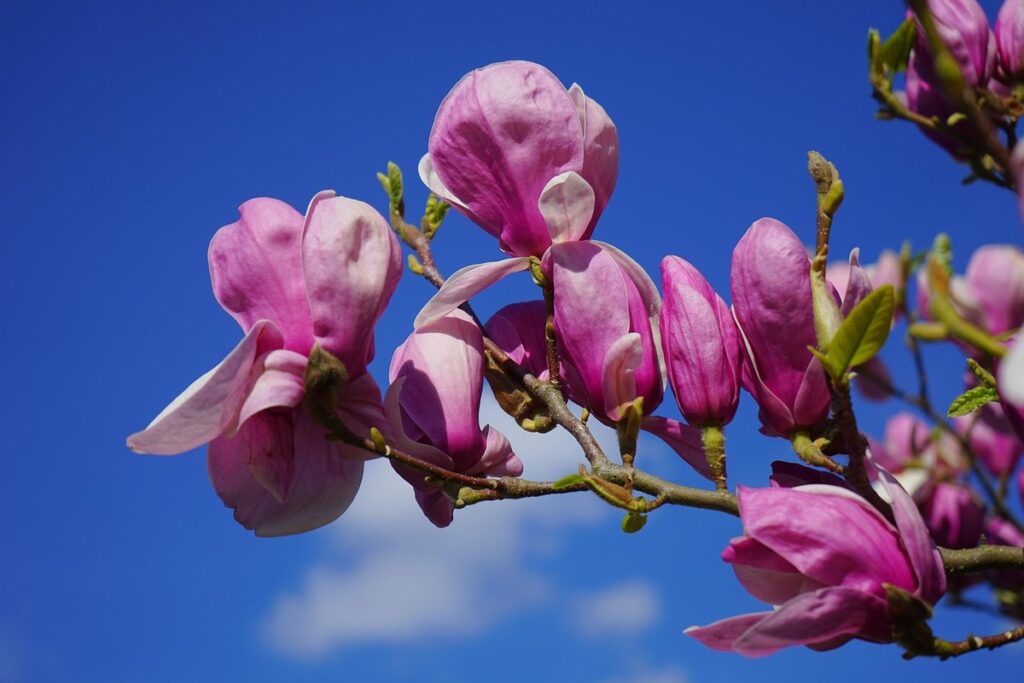
Choosing the Right Tree
When collecting magnolia seeds, choosing the right tree for your needs is crucial. In this part of our guide, we’ll walk you through how to select a healthy and suitable magnolia variety for seed collection.
Understanding Magnolia Species
When it comes to collecting magnolia seeds, understanding the different species and their characteristics is crucial. There are over 210 species of magnolias, ranging from compact shrubs to towering trees. Some popular species for seed collection include Magnolia denudata, Magnolia stellata, and Magnolia grandiflora.
These species can be identified by their distinctive flowers, leaves, and growth habits. For example, Magnolia denudata has large, showy white flowers with a pleasant fragrance, while Magnolia stellata has star-shaped flowers in shades of pink to white. To determine which magnolia is suitable for seed collection, look for trees that are mature, healthy, and produce an abundance of seeds.
Identifying male and female trees is also essential, as only female trees produce viable seeds. Male trees have long, thin stamens that release pollen during flowering, while female trees have large, cup-shaped flowers with a prominent ovary. To identify the sex of your tree, observe its flowers closely or look for seed pods on the branches.
Some species, like Magnolia grandiflora, are naturally sterile and will not produce viable seeds even if they do produce flowers. Others, such as Magnolia stellata, may require cross-pollination to produce seeds. It’s essential to research specific requirements for each species before attempting seed collection.
Preparing for Seed Collection
Before you head out to collect magnolia seeds, it’s essential to prepare yourself with the right tools and equipment. This will not only make the process easier but also ensure that you’re able to handle the delicate seeds carefully.
Start by investing in a good pair of gloves, preferably made from a durable material such as leather or synthetic fabric. These will protect your hands from thorns and sap, which can be a nuisance when working with magnolias. Next, grab a pair of pruning shears specifically designed for plant trimming. These will come in handy when carefully snipping off the seed pods from the tree.
You’ll also need a bucket or container to store the collected seeds. Make sure it’s clean and dry before use, as moisture can damage the delicate seeds. Don’t forget to check the weather forecast beforehand – ideally, you’ll want to collect seeds on a sunny day with minimal wind. This will prevent any potential damage to the seeds during transportation.
Timing is also crucial when it comes to seed collection. In general, magnolias produce their seeds in late summer or early fall. Make sure to choose a tree that’s mature enough to produce viable seeds, and avoid collecting during extreme weather conditions such as heavy rain or intense heat.
Collecting Seeds from Mature Trees
When collecting seeds from mature magnolia trees, it’s essential to identify the best time for seed harvest and gather them at the right stage of maturity. This ensures viable seeds for successful germination later on.
Signs of Maturity
When you’re collecting seeds from magnolia trees, it’s essential to know when they’re mature and ready for harvest. To determine this, look out for the following signs of maturity: fruit development and seed color.
As a general rule, magnolia trees take around 10-15 years to reach maturity after planting. However, some varieties can produce flowers and seeds in as little as five years. When choosing a tree with potential for seed production, select one that’s at least 5-7 feet tall and has a well-established root system.
Watch for the appearance of cones or fruit on your magnolia trees. These will be the most obvious indicator of maturity. The cones can range in color from light brown to dark reddish-brown, depending on the variety. As they mature, they’ll begin to split open, revealing the seeds inside. Check the seeds themselves; mature ones are typically light tan or cream-colored and have a smooth texture.
Keep in mind that seed production can be affected by factors such as climate, soil quality, and nutrient availability. Regular monitoring of your tree’s health will help you identify any potential issues before they impact seed production.
Harvesting Seeds
Carefully removing seeds from the tree is a crucial step to ensure their viability for planting. Begin by inspecting the seed pods or cones for ripeness. Gently twist and pull on a seed pod to release its contents, taking care not to apply too much pressure that might damage the seeds. If you’re collecting seeds from the ground, look for those that are already released from their pods.
Once collected, handle the seeds gently to prevent bruising or breaking them. You can store them in a paper bag or a breathable container to maintain humidity and prevent drying out. It’s essential to label each container with the tree’s variety name, date of collection, and any other relevant information. Store the containers in a cool, dry place, ideally between 40°F to 50°F (4°C to 10°C), until you’re ready to plant them.
To further minimize damage, avoid touching the seed coat as it contains oils that can inhibit germination. Instead, handle the seeds by their papery covering or the calyx surrounding them.
Processing and Cleaning the Seeds
Now that you’ve collected your magnolia seeds, it’s essential to clean and process them properly for optimal germination rates. This step is crucial in preparing your seeds for storage or immediate planting.
Seed Preparation Methods
When it comes to preparing magnolia seeds for storage or sowing, the right methods can make all the difference. First, let’s start with washing. This is a crucial step to remove dirt and debris that may be clinging to the seeds. Gently submerge the seeds in a bowl of water, and use your hands or a soft-bristled brush to gently scrub away any stubborn particles. Be careful not to damage the delicate seed coat.
Once cleaned, it’s essential to dry the seeds thoroughly. You can achieve this by spreading them out on a paper towel or cloth, allowing air circulation around each seed. It’s also important to sort through the seeds at this stage, separating healthy seeds from any that may be damaged or deformed.
When sorting, look for signs of damage such as cracks, soft spots, or mold growth. Discard any compromised seeds to prevent them from rotting and spoiling the rest. By washing, drying, and sorting your magnolia seeds correctly, you’ll ensure they’re ready for storage or sowing, giving your trees the best chance of success.
Seed Storage Techniques
Storing magnolia seeds properly is crucial to ensure their viability and germination rates. Airtight containers are an excellent choice for storing seeds as they prevent moisture and air from entering the container, which can cause seed degradation. You can use glass jars or plastic containers with tight-fitting lids, making sure to label them with the date and type of seeds.
Another effective method is using a moisture-controlled environment, such as a desiccant bag or a sealed container filled with silica gel. This will absorb excess moisture and maintain a stable humidity level around 30-50%. This technique is ideal for storing seeds over an extended period.
Refrigeration can also be used to store magnolia seeds, but it’s essential to use the right type of container and maintain proper temperature control. A sealed container or a freezer-safe bag can be stored in the refrigerator at a consistent temperature below 40°F (4°C). This method is best suited for short-term storage.
Regardless of the technique you choose, make sure to keep the seeds away from direct sunlight, heat sources, and pests. Proper seed storage will help maintain their quality and ensure successful germination when the time comes to plant them.
Germinating Magnolia Seeds
Now that you’ve collected and prepared your magnolia seeds, it’s time to give them a head start on life by learning how to germinate them successfully at home. This process is relatively straightforward, requiring minimal equipment.
Understanding Seed Viability
Assessing seed viability is crucial to ensure successful germination. As you’ve collected magnolia seeds, it’s essential to determine their potential for growth. Begin by examining the seeds’ appearance, looking for visible signs of damage or degradation. Discoloration, cracks, and mold can indicate low viability.
To gauge viability more accurately, perform a simple test: fill a cup with water and gently submerge the seeds. Observe how quickly they float to the surface – if they don’t, it’s likely an indication of high moisture content, which could hinder germination. Another method is to place 5-10 seeds on a paper towel, add a few drops of water, and seal in a plastic bag. After 2-3 days, check for signs of sprouting.
Keep in mind that older seeds (more than 6 months old) may have lower viability due to reduced stored energy reserves. Factors like storage conditions, handling, and seed quality also impact germination rates. Understanding these factors will help you anticipate potential issues and make informed decisions about sowing your collected magnolia seeds.
Optimal Germination Conditions
To successfully germinate magnolia seeds, you need to provide them with optimal conditions. First and foremost, temperature plays a crucial role. Magnolia seeds typically require a period of cold stratification, which can last from 30 to 120 days. During this time, the ideal temperature ranges from 35°F (2°C) to 45°F (7°C). This process can be simulated by placing the seeds in a refrigerator or a sealed plastic bag with moistened peat moss.
Once the cold stratification period is over, the seeds need warm temperatures to germinate. Aim for a temperature of around 65°F (18°C) to 75°F (24°C). Be cautious not to expose the seeds to direct sunlight, as this can cause them to dry out and hinder germination. Keep the soil consistently moist but not waterlogged, allowing the top inch of the soil to dry slightly between waterings.
In terms of light, magnolia seeds require indirect light for germination. Place the seed trays or pots in a bright, indirectly lit area. As for soil, use a well-draining mix specifically designed for seed starting, and avoid using garden soil as it can compact and prevent proper drainage.
Planting and Caring for Magnolia Seedlings
Once you’ve collected your magnolia seeds, it’s time to plant them successfully. This section will walk you through the process of getting seedlings off to a strong start.
Sowing Seeds Directly in Soil
When sowing magnolia seeds directly into the soil, it’s essential to choose a location that receives partial shade to full sun, depending on the variety. The ideal time for sowing is usually in late winter to early spring or fall when the weather is cooler.
To prepare the soil, dig a hole about 1-2 inches deep and 6-8 inches wide. Add a handful of compost or well-rotted manure to improve drainage and fertility. If your soil is heavy clay or sandy, mix in some organic matter like peat moss or perlite to achieve a balanced structure.
Space the seeds 12-18 inches apart, depending on the variety’s mature size. Plant the seed about 1 inch deep, firming the soil gently around it. Water the area thoroughly and keep the soil consistently moist during the first few months after sowing. As the seedling grows, reduce watering to encourage a strong root system.
Some magnolia varieties can take up to two years to germinate, so be patient and monitor the area for signs of growth. With proper care and attention, your sown magnolia seeds will develop into healthy seedlings ready for transplanting or continued growth in their permanent location.
Seedling Care and Transplantation
Once you’ve successfully germinated your magnolia seeds and they’re growing into seedlings, it’s essential to provide them with proper care. Newly germinated seedlings are fragile and require gentle handling to ensure their survival.
When it comes to watering, remember that overwatering is a common mistake many gardeners make. Magnolia seedlings need consistent moisture, but the soil should never be waterlogged. Check the soil daily by sticking your finger into the soil up to the first knuckle. If it feels dry, it’s time to water. Water gently but thoroughly, making sure not to wash away the delicate roots.
Pruning is another crucial aspect of seedling care. Prune any weak or damaged growth to encourage strong, healthy development. Remove any seed husks that may be clinging to the stem, as they can hinder growth.
As your seedlings grow, you’ll need to protect them from pests and diseases. Keep an eye out for signs of infestation, such as tiny holes in leaves or a sticky substance on the stems. Use organic pest control methods whenever possible to avoid harming your plants.
Transplanting seedlings is a delicate process that requires careful planning. Wait until they have at least two sets of leaves and their roots are visible through the drainage holes in the pot. Harden off your seedlings by gradually exposing them to outdoor conditions over the course of 7-10 days before transplanting.
Tips and Precautions for Magnolia Seed Collection
Before collecting magnolia seeds, it’s essential to understand some crucial tips and precautions that’ll help you avoid potential mistakes and ensure a successful seed collection process. Here are some vital guidelines to keep in mind.
Safety Precautions
When collecting magnolia seeds, it’s easy to get caught up in the excitement of harvesting your own material. However, safety should always be a top priority, especially when working with potentially hazardous equipment and plants.
Before you start collecting seeds, make sure to wear protective clothing such as long sleeves, gloves, and sturdy boots to shield yourself from thorns and any potential allergens like pollen or sap. Some people may be allergic to the sap of certain magnolia species, so it’s essential to perform a patch test on your skin before handling the plant extensively.
Additionally, be mindful of your surroundings and keep an eye out for any equipment accidents that could lead to injuries. Make sure you have a clear work area, free from clutter and tripping hazards, and use caution when operating tools like loppers or pruning shears.
It’s also crucial to be aware of your physical limitations and take regular breaks to avoid fatigue and strain. This will not only ensure your safety but also help you stay focused and efficient throughout the seed collection process.
Regulations and Permissions
Before collecting magnolia seeds from public or private lands, it’s essential to familiarize yourself with local regulations and obtain necessary permits. Laws governing seed collection vary by state, county, or even specific location, so research is crucial to avoid any potential issues.
In the United States, for example, the Endangered Species Act (ESA) protects certain plant species, including some magnolia varieties. If you’re planning to collect seeds from endangered plants, you may need a special permit from the U.S. Fish and Wildlife Service. Additionally, many states have their own regulations regarding seed collection on public lands.
To ensure compliance, check with local authorities or park rangers if collecting seeds from national parks or forests. Private landowners may also have specific rules for seed collection on their property. It’s always better to err on the side of caution and seek permission before starting your seed-gathering journey. This will not only protect you but also help preserve the delicate ecosystem of these magnificent trees.
Frequently Asked Questions
What if I accidentally collect seeds from an unhealthy or diseased tree? Will they still germinate successfully?
Collecting seeds from an unhealthy tree can spread diseases to your seedlings, so it’s essential to discard any seeds collected from a diseased or weak tree. Healthy trees typically produce viable seeds with no signs of damage or disease.
Can I collect magnolia seeds in the fall, or is it best to do it in the spring?
While most species can be collected at different times, some varieties like Magnolia grandiflora are better suited for fall collection. For others, like Magnolia stellata, spring collection might be more successful. Research the specific variety you’re working with to determine the optimal time for seed collection.
How do I know if my magnolia seeds have reached full maturity?
Signs of maturity include darkening in color and a soft, slightly yielding skin. Seeds collected too early may not germinate successfully or may produce weak seedlings. Be patient and wait until your seeds are fully mature before collecting them.
Can I store dried seeds for extended periods without losing their viability?
Yes, properly stored magnolia seeds can remain viable for up to five years in a cool, dry place with minimal light exposure. Airtight containers or sealed bags are ideal for long-term storage. Check on your seeds regularly and replace any that show signs of deterioration.
What if I’m short on time – can I germinate my magnolia seeds indoors using grow lights?
Yes, you can use indoor conditions to germinate magnolia seeds. Make sure the temperature is between 65°F to 75°F (18°C to 24°C) and maintain high humidity. Use a shallow container with water for soaking the seeds before transplanting them into individual pots or trays under grow lights.