
Are you struggling to give your precious seedlings the best start in life? Coco coir is a game-changer for young plants, offering numerous benefits that can make all the difference. By using coco coir as a growing medium, you can improve root development and help your seedlings grow stronger and healthier. But how does it work its magic? And what makes it so effective at reducing water stress and promoting healthy growth?
In this article, we’ll delve into the world of coco coir and explore its benefits for seedlings. We’ll also share expert tips on choosing the right type of coco coir and caring for your young plants to ensure they thrive. Whether you’re a seasoned gardener or just starting out, our guide will walk you through everything you need to know about using coco coir for optimal seedling care.
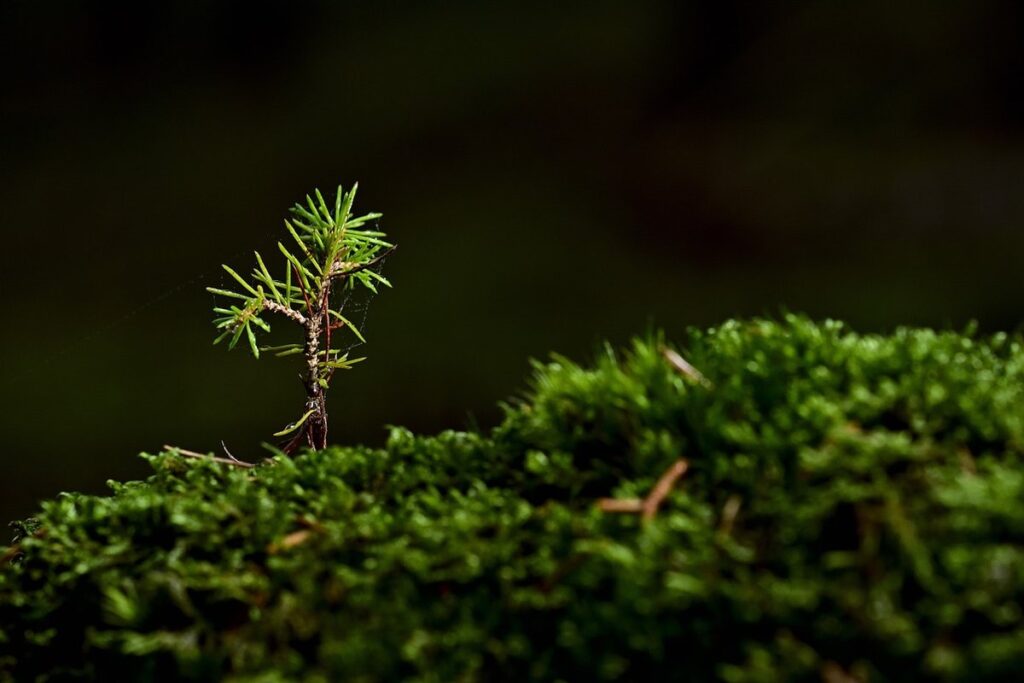
Benefits of Using Coco Coir for Seedlings
Using coco coir for seedlings offers numerous advantages, and we’re excited to dive into the specific benefits that can make a huge difference in your young plants’ growth. Let’s explore how coco coir can enhance their health.
Improving Root Development
When using coco coir as a growing medium for seedlings, one of its most significant benefits is its ability to improve root development. Coco coir retains moisture well, which helps keep the roots consistently hydrated and healthy. This means that seedlings are less prone to water stress and can focus their energy on growth.
In addition to retaining moisture, coco coir provides a stable growing medium that allows for optimal root penetration. The uniform structure of coco coir makes it easy for roots to grow in all directions, without being constricted or hindered by uneven pockets or air gaps found in other growing mediums. This stable environment also promotes healthy microbial activity, which further supports the development of robust and well-structured roots.
To maximize the benefits of coco coir for root development, make sure to water it thoroughly before sowing seeds. Allow the medium to dry slightly between waterings to prevent overwatering, which can lead to root rot and other problems. By following these simple guidelines, you’ll be giving your seedlings a solid foundation for healthy growth and development.
Reducing Water Stress
Using coco coir as a growing medium can significantly reduce water stress in seedlings. This is due to its unique properties that mimic those of natural soils but offer improved water retention and drainage capabilities. Coco coir has a higher water-holding capacity than peat moss, allowing it to retain up to 8-9 times its dry weight in water. However, unlike traditional growing mediums, coco coir also allows for excellent drainage, reducing the risk of overwatering and root rot.
The result is seedlings that are less prone to stress caused by inconsistent moisture levels. This translates into improved resilience and overall health, with reduced instances of fungal diseases and nutrient deficiencies. By using coco coir, you can provide your seedlings with a stable and optimal growing environment, allowing them to focus on healthy growth rather than battling water scarcity. To maximize these benefits, ensure proper aeration and fertilization practices are also in place, as poor management can negate the advantages offered by coco coir.
Choosing the Right Coco Coir for Seedlings
When it comes to giving your seedlings the best start, choosing the right coco coir is crucial. We’ll break down what to look for in high-quality coco coir specifically designed for young plants.
Types of Coco Coir Available
When it comes to choosing the right coco coir for seedlings, understanding the different types available can be overwhelming. However, knowing the characteristics and uses of each type can help you make an informed decision.
Compressed blocks are a popular choice among gardeners due to their convenience and space-saving design. These blocks are compacted into a dense form that can hold up to 9 times its weight in water. To use compressed blocks, simply soak them in water until they expand, then add the expanded coir to your seedling mix.
Loose forms of coco coir are also widely available and offer more flexibility than compressed blocks. This type can be easily mixed into your seedling potting mix or used as a standalone growing medium. The loose form is ideal for gardeners who prefer a more controlled watering schedule.
Bags of coco coir, on the other hand, provide a consistent moisture level and are often pre-mixed with other ingredients like fertilizers and perlite. These bags are perfect for seedlings that require a precise balance of nutrients and water retention.
How to Select High-Quality Coco Coir
When selecting high-quality coco coir for your seedlings, it’s essential to consider several key factors. First and foremost, check the moisture content of the coco coir. You want a product that has an optimal water-holding capacity, typically between 25-30%. This ensures that the roots receive consistent moisture levels, promoting healthy growth.
Next, verify the pH level of the coco coir. Seedlings prefer a slightly acidic to neutral soil pH, ranging from 5.5 to 7.0. Make sure the product you choose has a pH within this range to prevent nutrient lockout or toxicity.
Another critical aspect is the absence of contaminants. Look for products that are free from fungal growth, pests, and heavy metals. High-quality coco coir should be thoroughly washed and sterilized to eliminate any potential issues.
When in doubt, check the product’s certifications and reviews from other growers. Reputable manufacturers will provide detailed information about their production processes and testing methods. By considering these factors, you’ll be able to select high-quality coco coir that supports the growth and health of your seedlings.
Preparing Coco Coir for Seedling Use
Before using coco coir as a seed starting medium, it’s essential to prepare it by rinsing and rehydrating it correctly. This process ensures optimal growth and health for your young seedlings.
Mixing Coco Coir with Other Ingredients
Mixing coco coir with other ingredients can be an effective way to create a well-balanced growing medium for seedlings. One of the benefits of mixing is that it allows you to tailor the growing medium to meet the specific needs of your plants. For example, adding perlite to coco coir improves drainage and aeration, which is beneficial for young seedlings that are prone to overwatering.
Another option is to mix coco coir with vermiculite, which retains moisture but also allows excess water to drain away. This combination is ideal for seedlings that require consistent moisture levels but also need some air exchange around their roots. A 1:1 ratio of coco coir to perlite or vermiculite can be a good starting point, but feel free to experiment and adjust the proportions based on your specific needs.
When mixing ingredients, make sure to follow these guidelines: always mix in small quantities first to avoid clumping, and moisten the mixture thoroughly before applying it to the seed trays. By creating a balanced growing medium, you can promote healthy root growth, improve water retention, and ultimately boost the overall health of your seedlings.
Sterilizing Coco Coir
When it comes to using coco coir for seedlings, one of the most crucial steps is sterilizing it to ensure the health and growth of your young plants. Coco coir can harbor pests, diseases, and fungal spores that can devastate your seedlings. In fact, a study showed that up to 20% of coco coir samples contained pathogenic fungi, which can be transferred to your seedlings through contaminated growing mediums.
To sterilize your coco coir effectively, you have several options. One method is using heat treatment by spreading the coir on a baking sheet and heating it in a preheated oven at 300°F (150°C) for 30 minutes. This will kill off any existing pests or diseases. Another option is using chemical sterilization with a product specifically designed for this purpose, following the manufacturer’s instructions carefully.
It’s also essential to note that you can’t reuse coco coir that has been used previously, as it may contain residual pesticides, herbicides, or other chemicals that can harm your seedlings. Always use fresh coco coir or sterilize it thoroughly before using it for your young plants.
Using Coco Coir in Seedling Trays
When using coco coir in seedling trays, make sure to mix it according to the manufacturer’s instructions for the perfect blend. This ensures optimal drainage and a healthy environment for your young seedlings.
Transplanting into Larger Pots
When it’s time to transplant seedlings from coco coir into larger pots, handling sensitive roots with care is crucial. Coco coir, being a natural and porous medium, can cause roots to become tangled and fragile during the transplanting process.
To minimize root disturbance, gently grasp the pot containing the seedling by the edges and lift it out of the tray. Once freed from its container, support the seedling’s base with your fingers or a chopstick, taking care not to compress the roots further. Use this opportunity to inspect for any root growth; if you notice a dense network of fine roots, gently tease them apart using a fork or your fingers.
Next, place a small amount of high-quality potting mix in the new container, leaving enough space for the seedling’s roots to spread out. Set the seedling into its new home, ensuring that its base is level with the soil surface. Fill the remaining gap with more potting mix, avoiding over-filling which can cause waterlogging and root rot.
As you handle your seedlings during transplanting, be mindful of their moisture levels. Coco coir retains a significant amount of moisture, so avoid getting it too wet while handling, as this can lead to root damage or disease.
Caring for Seedlings in Coco Coir
When it comes to caring for seedlings grown in coco coir, proper watering techniques are crucial. Coco coir retains moisture well but can quickly become waterlogged if overwatered. Check the seedling tray daily and water only when the top inch of coir feels dry to the touch. Water gently but thoroughly to prevent washing away the delicate roots.
Fertilization is also vital for healthy growth. Use a balanced, water-soluble fertilizer at half the recommended strength to avoid burning the seedlings’ tender roots. You can fertilize your coco coir seedlings every 1-2 weeks, depending on their age and growth rate. For example, you can use a 20-20-20 NPK formula (nitrogen-phosphorus-potassium) at half strength for young seedlings.
Pruning is another essential aspect of caring for coco coir seedlings. Remove any weak or spindly growth to promote bushy development and encourage strong stem growth. Use clean, sharp scissors or pruning shears to avoid spreading diseases. Prune your seedlings when they’re 1-2 inches tall, and repeat the process every week or two as needed.
Make sure to monitor your coco coir seedlings for pests and diseases, and take action promptly if you notice any issues. With proper care, your seedlings will thrive in their coco coir environment, developing strong roots and healthy growth habits that will serve them well as they mature into robust plants.
Common Challenges with Coco Coir for Seedlings
While coco coir can be a game-changer for seedlings, there are some common pitfalls to watch out for that can hinder growth and health. We’ll explore these challenges in more detail below.
Managing Moisture Levels
One of the most significant challenges with using coco coir for seedlings is managing moisture levels. Coco coir retains water well but also dries out quickly if not monitored properly. This can lead to root rot and other problems if left unchecked.
To overcome this issue, it’s essential to understand the unique characteristics of coco coir and how they affect seedling growth. A good rule of thumb is to water your coco coir seedlings when the top 1-2 inches of the medium feels dry to the touch. Be cautious not to overwater, as this can cause more harm than good.
A simple trick is to use a moisture meter to ensure you’re not underwatering or overwatering your seedlings. By maintaining optimal moisture levels, you’ll help your coco coir seedlings develop strong roots and grow into healthy plants. Regularly check the medium’s water-holding capacity by weighing it before and after watering to gauge how much water is being retained.
Some growers also recommend adding a small amount of perlite or vermiculite to their coco coir mix to improve drainage and prevent waterlogging. By taking these simple precautions, you’ll be well on your way to successfully managing moisture levels in your coco coir seedlings.
Pest Control and Disease Prevention
When growing seedlings in coco coir, it’s essential to prioritize pest control and disease prevention to ensure a healthy crop. Coco coir provides an optimal growing medium for seedlings, but it can also create an environment conducive to pests and diseases if not managed properly.
Some common pests that can affect seedlings grown in coco coir include fungus gnats, whiteflies, and spider mites. To control these pests, use a combination of physical barriers, organic insecticides, and cultural practices. For example, cover the soil with a thin layer of sand or fine grit to prevent fungus gnats from breeding.
Regularly inspect your seedlings for signs of disease such as yellowing leaves, black spots, or powdery mildew. If you notice any issues, treat the affected plants promptly with organic fungicides like neem oil or bicarbonate solution. Maintain good air circulation and ensure that the growing area is well-ventilated to prevent moisture buildup.
To further reduce the risk of disease, ensure that your coco coir is properly sterilized before use. You can achieve this by washing it in hot water, autoclaving, or using a commercial sterilization product. By taking these preventative measures, you’ll be able to grow healthy and vigorous seedlings in coco coir with minimal pest and disease issues.
Case Studies: Success Stories with Coco Coir for Seedlings
Let’s take a look at how real gardeners and nurseries have used coco coir to give their seedlings a strong start and remarkable results.
Real-World Examples of Coco Coir’s Effectiveness
Farmers like Maria from the Philippines have seen remarkable improvements in their seedling growth rates after switching to coco coir. She noticed a 30% increase in her crop’s biomass and a significant reduction in transplant shock, thanks to the excellent water retention properties of coco coir.
Another example comes from a study conducted by the University of California, which found that using coco coir as a potting medium resulted in a 25% higher yield compared to traditional peat moss-based mixes. This can be attributed to the unique properties of coco coir, which provides optimal aeration and moisture levels for seedlings.
Researchers at Cornell University demonstrated the effectiveness of coco coir in promoting healthy root development by comparing it with other potting mediums. They discovered that coco coir supported the growth of more extensive root systems, resulting in a 15% increase in seedling height. This is crucial as healthier roots translate to better water and nutrient uptake.
One key factor to consider when using coco coir is its pH level. Coco coir tends to have a slightly acidic pH, which can be detrimental to certain crops if not adjusted accordingly. To mitigate this issue, many farmers opt for blending coco coir with other materials or using it in combination with lime to achieve the desired pH range.
By adopting coco coir as a primary potting medium, growers like Maria and others have experienced noticeable enhancements in their seedlings’ growth rates and overall health. It’s essential to understand that every crop responds uniquely to coco coir, so monitoring and adjusting its application can yield even better results.
Frequently Asked Questions
Can I use coco coir for seedlings if I don’t have a greenhouse or controlled environment?
Yes, coco coir is an excellent choice for seedlings in any growing condition. Its ability to retain moisture helps reduce water stress even when faced with temperature fluctuations.
How do I mix coco coir with other ingredients to create the perfect blend for my seedlings?
When mixing coco coir with other ingredients, it’s essential to consider the pH level and nutrient requirements of your seedlings. A general ratio is 80% coco coir to 20% perlite or vermiculite. You can also add a balanced fertilizer at the recommended rate.
Can I use coco coir for all types of plants, or are there specific varieties that benefit more from it?
While coco coir is beneficial for most seedlings, some plants may require a different growing medium due to their unique needs. For example, cacti and succulents prefer well-draining mixes like perlite or sand.
How often should I water seedlings in coco coir, and what are the signs of overwatering?
Seedlings in coco coir need consistent moisture levels. Water when the top 1-2 inches of soil feel dry to the touch. Overwatering can cause root rot; look for signs like yellowing leaves, soft stems, or a sour smell from the pot.
Can I reuse coco coir after using it for seedlings, and how do I properly sterilize it?
Reusing coco coir is possible, but it’s essential to sterilize it between uses. You can soak the coco coir in hot water (180°F) for 30 minutes or use a sterile potting mix. This will help eliminate any potential diseases or pests that may have developed during previous use.