
Are you ready to fall in love with one of nature’s most charming blooms? Clover yellow flowers are not only stunningly beautiful, but they also have a rich history and play a vital role in our ecosystem. For centuries, these delicate petals have been prized for their medicinal properties and symbolic meaning, making them a sought-after addition to any garden or bouquet.
In this article, we’ll delve into the fascinating world of clover yellow flowers, exploring their uses, benefits, and environmental impact. Whether you’re a seasoned gardener or just starting out, you’ll learn how to grow and care for these stunning blooms, as well as discover the ways in which they can enhance your outdoor space and improve your well-being. From historical significance to modern-day applications, get ready to unlock the secrets of clover yellow flowers and fall under their spell!
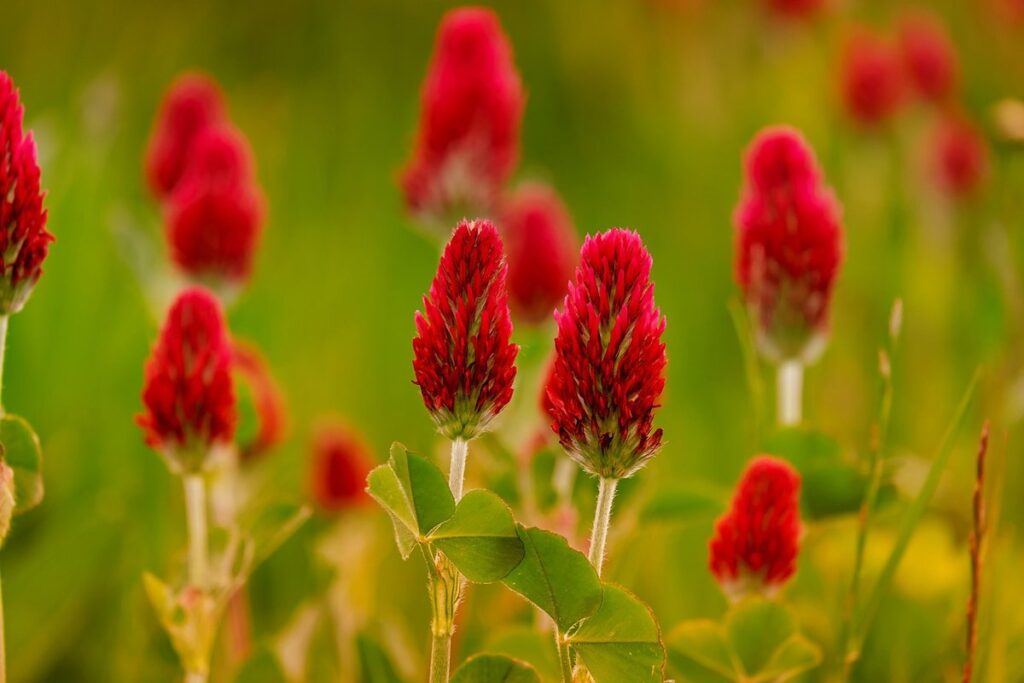
What are Clover Yellow Flowers?
Let’s take a closer look at what makes these vibrant flowers so special, and discover why they’re often associated with good luck and prosperity. We’ll start by exploring their botanical background.
Definition and Classification
Clover yellow flowers are a type of flowering plant that belongs to the Fabaceae family. This classification places them within the broader category of legumes, which also includes beans and peas. The common names for these plants vary depending on their species, but some popular ones include yellow clover (Trifolium dubium), purple clover (Trifolium pratense), and white clover (Trifolium repens). They are perennial or annual herbs that thrive in temperate climates with well-drained soil.
Some of the key characteristics associated with these plants include their small, rounded leaves and clusters of tiny yellow flowers. These blossoms often attract pollinators such as bees and butterflies, which play a crucial role in their reproduction. In terms of classification, these flowers are categorized into several species based on factors like their leaf shape, flower color, and growth habits.
In general, clover yellow flowers can be identified by their distinct appearance, which includes small leaves with three rounded lobes and bright yellow or white petals. These plants often grow in lawns, meadows, and fields, where they can form extensive networks of underground stems.
Types of Yellow Clover Flowers
Clover yellow flowers come in various species, each with its unique characteristics and benefits. Two of the most common types are white clover (Trifolium repens) and red clover (Trifolium pratense). While both share similar properties as forage crops and wildflowers, they differ in their appearance, growth habits, and uses.
White clover is a perennial herb with small, white or pale pink flowers that typically grow 6-12 inches tall. It’s highly adaptable to various soil types and can thrive in full sun to partial shade conditions. White clover is often used as a groundcover in lawns and landscaping due to its ability to suppress weeds and improve soil quality.
Red clover, on the other hand, is an annual or biennial herb with vibrant red flowers that grow 12-36 inches tall. It prefers well-drained soils and full sun conditions, making it ideal for meadows and wildflower gardens. Red clover has been traditionally used as a medicinal plant, particularly for its anti-inflammatory properties.
When choosing between white and red clover, consider your specific needs and preferences. If you’re looking for a low-maintenance groundcover with a subtle appearance, white clover might be the better choice. However, if you want to attract pollinators or add a pop of color to your garden, red clover’s vibrant flowers make it an excellent option.
Some key differences between these two species are worth noting:
* White clover is more shade-tolerant and can thrive in areas with limited sunlight.
* Red clover has larger leaves than white clover and produces more seeds for propagation.
* Both species can be used as forage crops, but red clover tends to produce more biomass.
Overall, the choice between white and red clover ultimately depends on your specific needs and preferences.
History and Cultural Significance
Clover flowers have been a significant part of human culture for centuries, their bright yellow petals symbolizing good fortune and prosperity. Let’s delve into their rich history.
Ancient Uses of Clover Yellow Flowers
In ancient times, clover yellow flowers were prized for their versatility and medicinal properties. In traditional Chinese medicine, the blossoms of white and yellow clover were used to treat a range of ailments, including fever, rheumatism, and skin conditions. The flowers were dried and made into infusions or added to herbal remedies.
In many European cultures, yellow clover was a key ingredient in cooking and baking. The flowers were used as a flavoring agent in soups, stews, and salads, while the leaves were used in teas and infusions. In Ireland, for example, yellow clover was used to make a sweet tea that was believed to have medicinal properties.
Spiritually, yellow clover has long been associated with good luck and prosperity. In ancient Celtic traditions, the flowers were seen as a symbol of abundance and fertility. To this day, people continue to use yellow clover in smudging ceremonies and rituals to purify and protect their homes and personal spaces. Whether used in cooking, medicine, or spiritual practices, the yellow clovers have been a valuable resource for centuries, offering a wealth of benefits that are still celebrated today.
Symbolism and Meaning
Clover yellow flowers have long been imbued with symbolism and meaning, particularly when it comes to good luck and prosperity. In many cultures, these vibrant blooms are seen as a harbinger of fortune, often planted in gardens and yards to attract wealth and positivity into one’s life. This notion is deeply rooted in Irish heritage, where the four-leaf clover (a variation of the traditional white clover) is said to bring good luck due to its rarity.
In Celtic mythology, the four-leaf clover was believed to have the power to ward off evil spirits and bring good fortune to those who possessed it. To this day, many people wear four-leaf clover charms or carry small pendants featuring the design as a talisman for prosperity and protection. You can also plant white clover in your garden to attract beneficial insects and create a natural haven for pollinators.
When giving a bouquet of clover yellow flowers as a gift, consider gifting them with a card that explains their symbolic meaning – it’s a thoughtful way to share the significance behind these lovely blooms!
Growing and Caring for Clover Yellow Flowers
To keep your lovely clover yellow flowers thriving, it’s essential to understand how to properly care for them. In this next part of our guide, we’ll walk you through the steps for growth and maintenance.
Soil and Climate Requirements
To grow vibrant and healthy clover yellow flowers, you need to provide them with the right environment. Clover yellow flowers thrive in well-draining soil that’s rich in organic matter. The ideal pH level for these flowers is slightly acidic to neutral, ranging from 6.0 to 7.5.
In terms of climate requirements, clover yellow flowers are adaptable to different conditions but generally prefer full sun to partial shade. They can tolerate temperatures between 65°F and 75°F (18°C and 24°C), making them suitable for temperate climates. However, extreme heat or cold may cause the flowers to fade.
When choosing a location for your clover yellow flowers, ensure it receives at least six hours of direct sunlight a day. This will promote healthy growth and blooming. Avoid planting in low-lying areas where water tends to collect, as this can lead to root rot and other issues.
To create an ideal growing environment, mix compost or well-rotted manure into the soil before planting. This will improve its fertility and drainage, giving your clover yellow flowers a strong foundation for growth. By providing the right conditions, you’ll be rewarded with a vibrant display of bright yellow blooms that attract pollinators and add beauty to your garden.
Planting and Maintenance Tips
When planting clover yellow flowers, it’s essential to choose a location that receives partial shade and well-draining soil. Space the plants about 12-18 inches apart to allow for proper growth and prevent overcrowding.
Watering is critical during the first growing season, as young clover yellow flowers require consistent moisture to establish themselves. However, overwatering can be detrimental, so ensure the top inch of soil feels dry before watering again. Aim to provide about 1-2 inches of water per week, either through rainfall or irrigation.
Regular pruning is necessary to maintain the plant’s shape and promote blooming. Remove any dead or damaged flowers and stems in late spring or early summer, making clean cuts just above a leaf node using sharp, sterile scissors or pruning shears. This will encourage new growth and prevent the spread of disease. By following these simple tips, you can enjoy vibrant blooms and a thriving clover yellow flower garden.
Health Benefits and Uses
The lovely yellow clover flower not only brightens up our surroundings, but it also offers a multitude of health benefits and uses that you may find surprising. Let’s explore its advantages together!
Medicinal Properties
Clover yellow flowers have been revered for their medicinal properties for centuries. One of the most significant benefits associated with these flowers is their high antioxidant content. Antioxidants play a crucial role in neutralizing free radicals that can cause oxidative stress and lead to chronic diseases such as cancer, heart disease, and Alzheimer’s.
The isoflavones present in clover yellow flowers have been shown to exhibit potent antioxidant properties, which can help protect against cell damage and promote overall well-being. For instance, a study published in the Journal of Agricultural and Food Chemistry found that isoflavone-rich extracts from red clover had a significant antioxidant activity.
In addition to their antioxidant benefits, clover yellow flowers have been used topically to soothe skin conditions such as eczema, acne, and rosacea. The anti-inflammatory properties present in these flowers can help reduce inflammation and promote healing of the affected skin areas. To reap the medicinal benefits of clover yellow flowers, you can make a tea by steeping dried flower petals in hot water or apply them directly to the skin with a gentle carrier oil like coconut or olive oil.
Culinary and Cosmetic Uses
Clover yellow flowers have been used for centuries to add flavor and nutrition to various dishes. In cooking, they can be used as a garnish or added to salads for their delicate flavor and vibrant color. Herbal teas made from clover yellow flowers are also popular, and are said to promote digestion and reduce stress. To make a simple herbal tea, steep 1-2 teaspoons of dried flowers in boiling water for 5-7 minutes.
In addition to their culinary uses, clover yellow flowers have also been used in cosmetics for their soothing and anti-inflammatory properties. Face masks made from the flowers can help to calm irritated skin and reduce redness. To make a face mask, mix 1 tablespoon of dried flower petals with 2 tablespoons of honey and apply to the skin for 10-15 minutes.
Some other creative ways to use clover yellow flowers include adding them to soups or stews for extra nutrition, using them as a natural food coloring, or making a floral syrup by steeping the flowers in sugar water.
Environmental Impact and Conservation
Let’s take a closer look at how these beautiful flowers affect our environment and what we can do to help conserve them for generations to come.
We’ll explore their impact on soil health, water usage, and local ecosystems.
Importance of Clover Yellow Flowers for Pollinators
Clover yellow flowers play a vital role in maintaining pollinator health and biodiversity. These vibrant blooms provide a crucial source of nectar and pollen for bees, butterflies, and other pollinators, allowing them to collect the energy and nutrients they need to thrive.
As pollinators visit clover yellow flowers, they transfer pollen between plants, facilitating the reproduction process and contributing to ecosystem balance. This delicate dance is essential for maintaining healthy plant populations and ensuring that ecosystems continue to function properly. Without sufficient food sources like clover yellow flowers, pollinator populations can decline dramatically, leading to a ripple effect throughout entire ecosystems.
To support pollinators, consider planting clover yellow flowers in your own garden or supporting local initiatives that promote their growth. By doing so, you’ll be contributing to the health and resilience of local pollinator populations. Additionally, choose varieties that are native to your region and adapted to local climate conditions for maximum effectiveness.
Threats to Clover Yellow Flower Populations
Clover yellow flowers are facing numerous threats to their populations, making conservation efforts crucial for their survival. Habitat destruction is a significant concern, as natural habitats of clover species are being cleared for urbanization and agriculture. Climate change also poses a threat, with rising temperatures altering the delicate balance of ecosystems and disrupting pollination processes.
Invasive species, such as Japanese knotweed and purple loosestrife, are outcompeting clover species for resources and space, further threatening their populations. For example, in areas where Japanese knotweed has taken over, native plant species like clover yellow flowers struggle to establish themselves due to shading and competition for water and nutrients.
To mitigate these threats, conservation efforts should focus on preserving natural habitats, promoting sustainable land-use practices, and controlling invasive species. Gardeners can also play a role by creating clover-friendly habitats in their backyards, such as meadows or wildflower gardens, which provide food and shelter for pollinators like bees and butterflies. By taking these steps, we can help protect the populations of clover yellow flowers and preserve the beauty of these vibrant blooms.
Conclusion
As we come to the end of our journey through the world of clover yellow flowers, let’s summarize the key takeaways from this article.
Recap of Key Points
In conclusion, we’ve delved into the world of clover yellow flowers, exploring their unique characteristics and significance. We discussed how these vibrant blooms add a pop of color to any landscape, from meadows to gardens, and even urban spaces. Not only are they visually stunning, but clover yellow flowers also play a vital role in supporting local ecosystems.
They attract pollinators like bees and butterflies, contributing to the health and diversity of our environment. We highlighted the different types of clover, including white clover and red clover, each with its own unique features and benefits. By incorporating clover yellow flowers into your garden or outdoor space, you can create a welcoming habitat for wildlife while also enjoying their beauty.
Remember, these hardy plants are relatively low-maintenance and require minimal care. To maximize their growth, make sure to provide them with well-draining soil and sufficient sunlight. With proper care, clover yellow flowers will thrive, bringing joy and vibrancy to your surroundings.
Final Thoughts and Recommendations
As we conclude our exploration of clover yellow flowers, it’s essential to reflect on their significance and importance. These vibrant blooms play a crucial role in pollination, providing food for bees and other beneficial insects. Unfortunately, many wildflower populations are threatened due to habitat loss, climate change, and invasive species.
To ensure the long-term survival of clover yellow flowers, we must take collective action. First, let’s promote awareness about these incredible plants. Share your own experiences or photos with friends, family, and social media networks. Encourage others to appreciate the beauty and importance of wildflowers in our ecosystem.
To get involved, consider participating in local seed collecting efforts or volunteering for conservation projects that focus on preserving natural habitats. You can also create a pollinator-friendly garden in your backyard by planting native clover species. Every small action counts, and together we can make a significant impact in protecting these incredible flowers.
Frequently Asked Questions
Can I grow clover yellow flowers indoors?
Yes, you can grow clover yellow flowers indoors in pots or containers, but they require a lot of light, so make sure to place them near a sunny window. Keep the soil consistently moist and provide good air circulation to prevent disease.
How do I care for clover yellow flowers in hot weather?
To keep your clover yellow flowers healthy in hot weather, ensure they receive adequate water, but avoid overwatering which can lead to root rot. Mulching around the plants helps retain moisture and suppress weeds. Also, provide some afternoon shade to protect them from intense heat.
Can I use clover yellow flowers for medicinal purposes?
Yes, clover yellow flowers have been used in traditional medicine for centuries due to their antiseptic and anti-inflammatory properties. However, before using them medicinally, consult with a healthcare professional or a qualified herbalist to ensure safe and proper use.
How can I attract pollinators to my garden featuring clover yellow flowers?
To attract pollinators like bees and butterflies to your garden, plant a variety of flowers that bloom at different times to provide a constant source of nectar. Also, avoid using pesticides, which can harm or kill these beneficial insects. Consider adding a water feature or two to provide a hydration source for them.
Can I use clover yellow flowers in culinary and cosmetic applications?
Yes, the leaves and flowers of clover yellow plants are edible and can be used in salads, teas, and as a garnish. The petals are also rich in antioxidants and can be used in skincare products or added to herbal remedies. However, ensure you correctly identify the plant and only use parts that are safe for consumption or application on the skin.