
Are you looking for ways to give your garden an extra boost? Well, you’re in luck because we’ve discovered a game-changer: clover! Not only is it a beautiful addition to any landscape, but it also provides a multitude of benefits that will take your garden to the next level. By incorporating this incredible plant into your design, you can improve soil health, increase biodiversity, and even support local wildlife. It’s no wonder why clovers have been used for centuries in permaculture practices. In this article, we’ll explore the amazing advantages of growing clover in your garden and provide tips on how to incorporate it seamlessly into your existing design. Whether you’re a seasoned gardener or just starting out, you won’t want to miss learning about the incredible benefits of clovers!
Section 1: Introduction to Clover
Let’s start our journey into the wonderful world of clover, where we’ll explore what it is and why it’s a valuable addition to any garden. You’re about to discover its many benefits!
What is Clover and Its History of Use
Clover has been a staple in gardens for centuries, with its origins dating back to ancient Europe. Legend has it that clover was first introduced by the Celts, who used it as a medicinal herb and a natural fertilizer. As agriculture evolved, so did the use of clover. In the 19th century, farmers began using clover as a cover crop, planting it between rows of cash crops to improve soil health and suppress weeds.
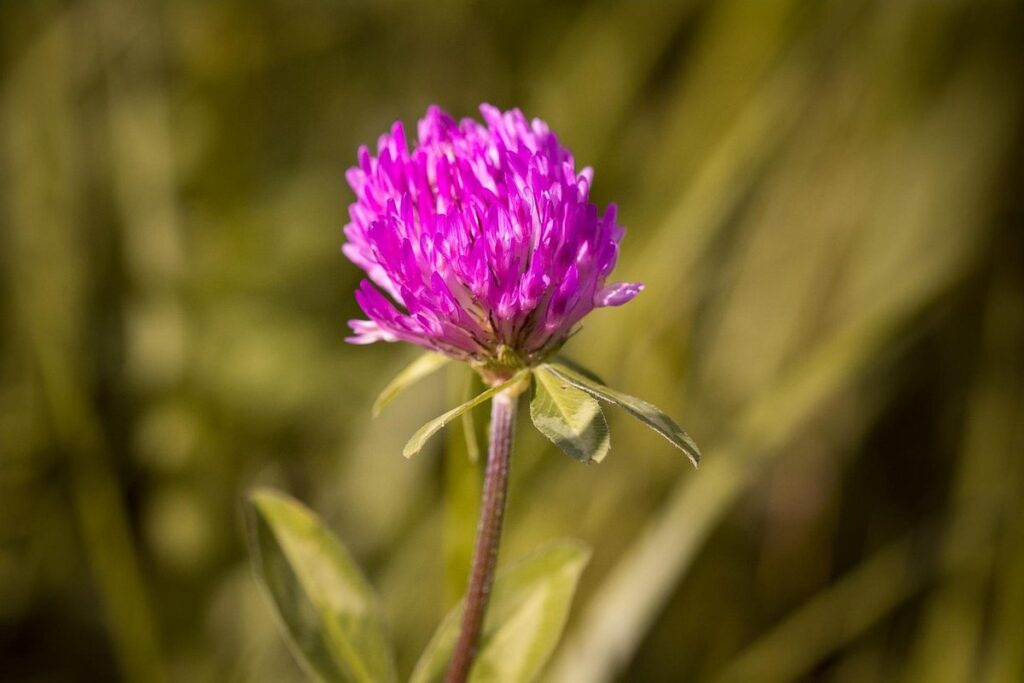
Today, we know that white clover (Trifolium repens) and red clover (Trifolium pratense) are two of the most popular species used in gardens. Their deep taproots allow them to access nutrients deep within the soil, making them an excellent choice for improving soil fertility. Clover’s history is also closely tied to its use as a natural pest control agent. By attracting beneficial insects like bees and butterflies, clover helps maintain a balanced ecosystem.
Interestingly, clover was also used in World War I as a cover crop to prevent soil erosion on battlefields. This clever application showcases the versatility of this humble plant. As we’ll explore further in our guide, clover offers numerous benefits for gardeners, from improving soil health to attracting pollinators and reducing weed growth. By incorporating clover into your garden, you can create a more balanced and resilient ecosystem that’s less dependent on synthetic fertilizers and pesticides.
Benefits of Incorporating Clover into Your Garden
Growing clover in your garden can bring numerous benefits, making it an ideal addition to lawns, meadows, and even wildlife habitats. For starters, clover is a low-maintenance option that requires less water and fertilization compared to traditional grasses. It also fixes nitrogen in the soil, reducing the need for synthetic fertilizers and promoting healthy microbial activity.
As a groundcover, clover can effectively suppress weeds by blocking their access to light, making it easier to maintain your garden’s overall health. In meadow settings, clover attracts pollinators like bees and butterflies, supporting biodiversity and adding color to your landscape. For wildlife habitats, clover provides a valuable food source for small animals, such as rabbits and deer.
When incorporating clover into your garden, consider mixing it with other plants that benefit from its nitrogen-fixing abilities. A common ratio is 75% grass or existing lawn to 25% clover. Be sure to choose a suitable variety based on your climate and intended use. With proper care, clover can thrive in a variety of environments, making it an excellent choice for gardeners seeking a low-maintenance, eco-friendly solution.
Section 2: Soil Health and Fertility
Now that we’ve explored the basics of clover, let’s dive deeper into how it impacts soil health and fertility, two crucial aspects for a thriving garden. Clover plays a vital role in both areas.
How Clover Affects Soil pH and Structure
When clover is grown in your garden, its deep taproots have a profound impact on soil health. As these roots delve deep into the earth, they help to break up compacted soil, making it easier for air, water, and nutrients to penetrate. This process improves drainage, reducing the risk of waterlogged soil and associated problems like root rot and nutrient deficiencies.
By increasing soil aeration, clover’s taproots also promote beneficial microbial activity. These microorganisms play a crucial role in decomposing organic matter, recycling nutrients, and fighting plant diseases. As a result, the soil becomes more fertile, supporting healthy plant growth and reducing the need for fertilizers.
To harness the benefits of clover on soil structure, consider incorporating it into your garden as a cover crop or adding it to areas with compacted soil. Allow the plants to grow undisturbed for several weeks to allow their taproots to develop fully before tilling the soil to loosen and aerate it.
Benefits of Clover for Nutrient Cycling and Retention
Clover’s remarkable ability to act as a nitrogen fixer is one of its most significant benefits for garden soil health. By converting atmospheric nitrogen into a form that plants can use, clover enriches the soil with essential nutrients, making it an excellent addition to any garden. This process not only promotes healthy microbial activity but also reduces the need for synthetic fertilizers.
The symbiotic relationship between legume roots and rhizobia bacteria is key to this nutrient cycling process. As clover grows, its roots absorb nitrogen from the air, which is then converted into a usable form through a complex biochemical process. This has a cascading effect on soil health, promoting healthy microbial activity, improving soil structure, and increasing fertility.
When incorporated into your garden, clover can help mitigate soil degradation caused by intensive farming practices. By mimicking nature’s approach to nutrient cycling, clover helps restore balance to your garden ecosystem, creating a more resilient and sustainable environment for plants to thrive in.
Section 3: Weed Suppression and Control
Now that we’ve covered how clover benefits your soil, let’s explore its weed-suppressing capabilities to help you achieve a healthier garden. We’ll delve into the natural ways clover outcompetes weeds and keep them under control.
How Clover Competes with Weeds for Resources
When clover is introduced into a garden, it can quickly outcompete weeds for essential resources like water, light, and nutrients. This is largely due to its remarkable growth rate and dense foliage. For instance, white clover can produce up to 100 flowers per plant in just one growing season, which in turn attracts beneficial insects that prey on weed seeds.
As clover grows, it forms a thick mat of leaves and stems that shade out weeds, depriving them of the light they need to survive. This is especially effective for annual weeds like chickweed and purslane. By competing with weeds for water and nutrients, clover also reduces their ability to grow and reproduce.
One of the most significant advantages of using clover as a weed suppressor is its low maintenance requirements. Unlike other methods, clover doesn’t need constant mowing or weeding, saving gardeners time and effort. Simply plant the seeds, provide adequate watering and sunlight, and let the clover do the work of suppressing weeds naturally.
The Role of Clover in Reducing Herbicide Use
Incorporating clover into your garden can be a game-changer for weed suppression and reducing herbicide use. One of the most significant advantages of clover is its ability to outcompete weeds, making it an effective natural solution for minimizing herbicide applications.
Clover’s deep taproot allows it to access water and nutrients more efficiently than many weeds, giving it a competitive edge in areas with poor soil quality or inadequate irrigation. This means that as the clover grows, it can suppress weed growth by shading out competing plants and depriving them of essential resources like light and water.
To harness this benefit, consider planting white clover (Trifolium repens) or red clover (Trifolium pratense), both of which are known for their aggressive growth habits. By incorporating these varieties into your garden, you can create a healthy, weed-suppressing ecosystem with minimal chemical interventions.
In fact, studies have shown that well-established clover stands can reduce herbicide use by up to 75% in certain regions. With proper planning and management, the potential for reducing herbicide applications is substantial, making clover an attractive option for gardeners seeking more sustainable gardening practices.
Section 4: Erosion Control and Water Retention
Now that we’ve explored clover’s role in soil health, let’s dive into how it can help prevent erosion and retain water in your garden. This is crucial for maintaining a balanced ecosystem.
How Clover’s Deep Roots Prevent Soil Erosion
One of the most significant advantages of clover in your garden is its ability to prevent soil erosion. This is largely due to its impressive root system, which can extend several feet underground and even more laterally than the plant’s canopy above ground.
As a result, when rainfall occurs or irrigation is applied, the extensive network of roots helps hold the soil firmly in place, reducing the likelihood of erosion and runoff. In fact, a single white clover plant can have up to 250 root nodes, each producing new roots that continue to grow outward. This extensive network of fine roots allows the soil to absorb more water, making it less susceptible to washing away.
To reap the benefits of clover’s deep roots in your garden, consider planting a mix of annual and perennial clovers as a groundcover or incorporating them into your existing lawn. Regular maintenance, such as mowing at 2-3 inches high and avoiding over-fertilization, will also help support the development of an extensive root system. By harnessing this power, you can create a more resilient and drought-tolerant landscape that requires less water and maintenance overall.
Benefits of Clover for Improving Water Quality
Clover’s ability to filter pollutants from water is one of its most valuable benefits for maintaining healthy aquatic ecosystems. This process is called biofiltration, where the plant absorbs and breaks down impurities such as nitrates, phosphates, and heavy metals. These pollutants can harm plants and animals in water bodies, making it difficult for them to thrive.
By using clover to filter out these pollutants, you’re creating a healthier environment for aquatic life. This is particularly beneficial in areas with high levels of agricultural runoff or urban development, where pollution can be more prevalent. To get the most out of this benefit, choose a clover species like white clover (Trifolium repens), which has been shown to be effective at removing pollutants from water.
For example, studies have demonstrated that white clover can remove up to 70% of nitrates and phosphates from polluted water. By incorporating clover into your garden or landscape design, you’re taking a proactive step towards maintaining the health of nearby water bodies.
Section 5: Wildlife Habitat Creation and Support
By incorporating clover into your garden, you can create a thriving wildlife habitat that supports local biodiversity by providing food, shelter, and breeding grounds for various species.
Attracting Pollinators with Clover Flowers
Clover flowers are a magnet for pollinators like bees and butterflies, which is essential for maintaining a healthy ecosystem. Bees, in particular, are drawn to the nectar-rich blooms of white clover (Trifolium repens) and red clover (Trifolium pratense). These beneficial insects visit hundreds of flowers daily, transferring pollen and facilitating seed production.
Butterflies, like monarchs and sulfurs, also find clover an attractive food source. They appreciate the delicate, sweet-tasting nectar within the flower’s tubular structure. As these pollinators flit from bloom to bloom, they inadvertently fertilize nearby plants, promoting cross-pollination and seed set.
To maximize your garden’s attractiveness to bees and butterflies, consider creating a clover-rich habitat. Plant white or red clover in areas with full sun and well-drained soil. Allow the flowers to grow at least 6-8 inches tall, allowing for easy access by pollinators. By attracting these beneficial insects, you’ll not only enhance biodiversity but also foster a thriving ecosystem within your garden.
Benefits of Clover for Supporting Local Biodiversity
Clover is not just a lovely addition to your garden’s aesthetic; it also plays a vital role in supporting local biodiversity and ecosystem health. As a wildlife-friendly plant, clover provides an essential food source for various animals, from pollinators like bees and butterflies to small mammals and birds.
One of the primary ways clover supports local biodiversity is by attracting pollinators. Clover’s nectar-rich flowers are a favorite among these busy creatures, which in turn helps with seed production and plant reproduction. According to a study by the Royal Horticultural Society, clover attracts up to 300% more pollinators than other plants.
In addition to its role as a food source, clover also provides habitat for small animals. Its dense foliage creates hiding spots and shelter from predators, allowing creatures like rabbits and hedgehogs to thrive in your garden. By incorporating clover into your garden design, you’re not only improving the health of your ecosystem but also creating a haven for local wildlife.
To maximize the benefits of clover for supporting local biodiversity, consider planting it in a dedicated wildlife area or interspersing it throughout your garden. This will allow animals to forage and roam freely, promoting a balanced and thriving ecosystem.
Section 6: Companion Planting and Integration
When it comes to incorporating clover into your garden, pairing it with other plants is a great way to create a thriving ecosystem. Learn how companion planting can benefit your clover and overall garden health.
Tips for Companion Planting with Clover
When it comes to companion planting with clover, there are numerous plants that benefit from being grown alongside this versatile legume. Vegetables like beans, peas, and cucumbers thrive when paired with clover as they fix nitrogen in the soil, reducing the need for fertilizers.
For example, plant marigolds and nasturtiums near your clover to repel nematodes, whiteflies, and other pests that can harm these vegetables. Chives and oregano also complement clover’s benefits by attracting beneficial insects like bees and butterflies.
Herbs such as mint, lemongrass, and dill can be grown in conjunction with clover, as they not only benefit from the nitrogen fixation but also repel pests that target these herbs. Other flowers like calendula and zinnia add visual appeal while also attracting pollinators to your garden.
When planting companion plants with clover, remember to create a diverse mix of species to ensure optimal benefits. Typically, plant at least 3-5 different species around the perimeter of your clover patch. By incorporating these beneficial companions into your garden, you’ll enjoy improved soil health, reduced pests and diseases, and increased yields from your favorite vegetables and herbs.
Strategies for Integrating Clover into Existing Gardens
When incorporating clover into an existing garden design, it’s essential to consider the specific needs and layout of your space. If you’re looking to integrate clover into a lawn, start by selecting a mix that’s suitable for lawns, such as white clover or microclover. These varieties are more tolerant of foot traffic and can handle mowing.
Incorporating clover into a meadow is also straightforward. Simply sow the seeds among your existing flowers and grasses, taking care to choose a mix that complements the existing vegetation. You can also use a no-till approach, adding clover seeds on top of the soil without disturbing the underlying plants.
For container gardens, consider using clover as a groundcover or companion plant to help suppress weeds and retain moisture. Mix the clover seeds with other flowers or herbs, such as creeping thyme or oregano, for a vibrant and dynamic display. To ensure successful integration, be sure to choose a mix that’s suitable for containers and follow standard sowing and watering instructions.
Keep in mind that clover can be invasive if not properly managed, so take steps to prevent it from spreading into unwanted areas of your garden. With proper care and planning, however, integrating clover into an existing garden design can be a simple and rewarding process.
Section 7: Conclusion and Next Steps
Now that you’ve learned about the benefits of clover, it’s time to wrap up and consider how you can incorporate it into your garden plans. Let’s take a look at what’s next for you and your garden.
Recap of the Benefits of Growing Clover in Your Garden
Growing clover in your garden offers an array of benefits that can significantly enhance its overall health and biodiversity. By now, you’re likely familiar with the numerous advantages clover provides, from improving soil quality to attracting beneficial pollinators.
One of the most significant perks of incorporating clover into your garden is its ability to boost soil fertility. As a legume, clover has the unique capacity to fix atmospheric nitrogen, making it readily available for other plants to absorb. This process not only enriches the soil but also reduces the need for synthetic fertilizers, promoting sustainable gardening practices.
In addition to its soil-enhancing properties, clover is an excellent attractor plant, drawing in a variety of beneficial insects and pollinators. The flowers of white clover, for instance, are a favorite among bees and butterflies, while red clover’s tubular shape makes it an ideal source of nectar for hummingbirds.
By incorporating clover into your garden design, you can also experience the benefits of increased biodiversity. This is achieved through the creation of a diverse array of habitats that support a wide range of plant and animal species. A single patch of clover, for example, can serve as a haven for solitary bees, wasps, and other beneficial insects.
Incorporating clover into your garden is relatively straightforward: simply scatter the seeds over the desired area in early spring or fall, depending on your climate. Be sure to choose a high-quality seed that’s suitable for your region. With proper care and maintenance, you can reap the rewards of this incredible plant and enjoy a thriving, balanced ecosystem.
Some final tips to keep in mind: consider mixing clover with other beneficial plants to create a diverse and resilient garden community. Also, be patient – it may take some time for the benefits of clover to manifest fully.
Frequently Asked Questions
Can I grow clover in containers or is it limited to large gardens?
While clover thrives in large areas, you can still grow it in containers! Choose a container with good drainage and use a mix specifically designed for clovers. Keep the soil moist and ensure sufficient sunlight (at least 4-6 hours of direct sunlight). This will help your container-grown clover flourish.
How long does it take to see the benefits of growing clover?
The benefits of growing clover are almost immediate, but some effects may take time to manifest. You can expect to see improved soil health and weed suppression within a few weeks. Nutrient cycling and retention may take several months to show significant improvements. Be patient, as the rewards will be worth it!
Can I grow different types of clovers together or is that not recommended?
Growing multiple types of clovers together can be beneficial! Intercropping with other legumes can enhance overall soil fertility and biodiversity. However, ensure you choose compatible varieties with similar growing requirements and growth habits to avoid competition for resources.
How do I maintain clover in a lawn, and will it take over my existing grass?
Clover is an excellent choice for lawns because of its low-maintenance nature! To prevent it from taking over your existing grass, mow the clover regularly (about 2-3 inches tall) and keep the soil fertilized. Clover can form symbiotic relationships with many grass types, so proper care will ensure a harmonious coexistence.
Can I harvest clover for animal feed or is that not recommended?
Harvesting clover as animal feed is an excellent way to utilize its nutritional benefits! You can dry and store the leaves for later use or incorporate them directly into your animal’s diet. Be cautious when harvesting, as excessive removal may impact the plant’s ability to regrow and maintain soil health.