
Climbing roses are a timeless and romantic addition to any garden, adding beauty and charm to outdoor spaces. But did you know that with the right trellis ideas, these stunning flowers can become the focal point of your yard? A well-designed climbing rose trellis not only elevates the aesthetic appeal of your garden but also provides a low-maintenance solution for showcasing these gorgeous blooms. Whether you’re looking to create a dramatic entrance or add some elegance to a patio area, incorporating climbing roses into your trellis design can make all the difference. In this article, we’ll explore inspiring ideas and tips on how to create a show-stopping climbing rose trellis that brings your outdoor space to new heights of beauty and charm.
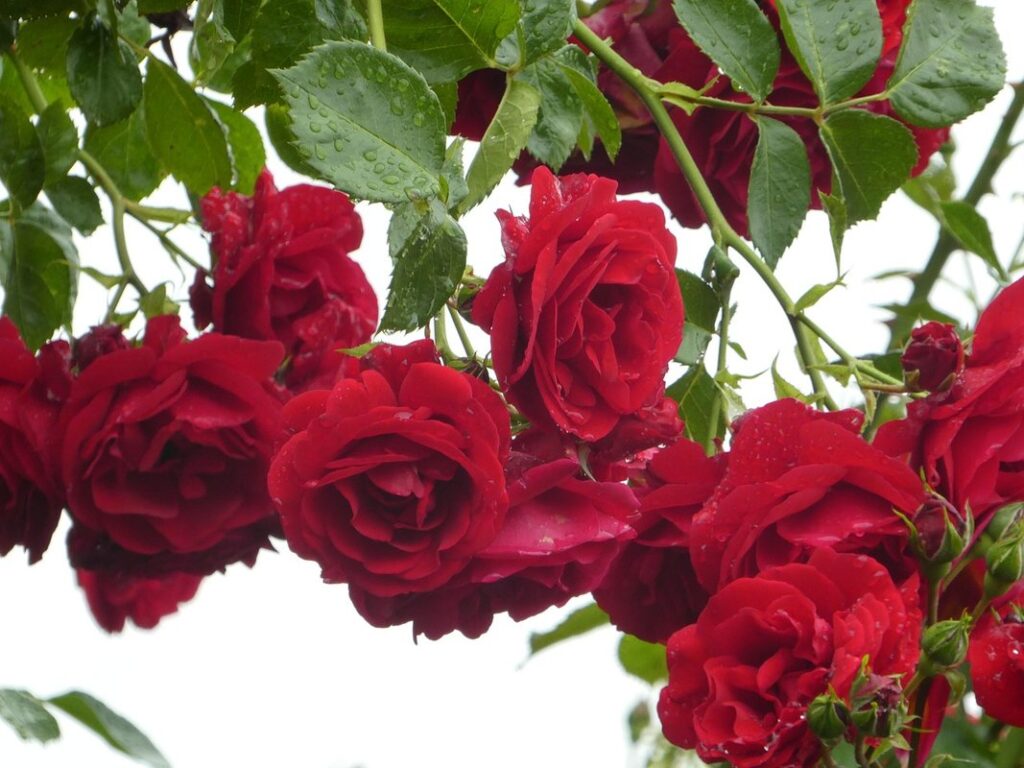
Choosing the Perfect Climbing Roses
When it comes to choosing a climbing rose, selecting the right variety can be overwhelming, but don’t worry, we’ve got you covered. We’ll walk you through the key factors to consider when making your selection.
Section Overview
When it comes to adding a touch of elegance and beauty to your garden, few options are as versatile and captivating as climbing roses. These stunning flowers have been a favorite among gardeners for centuries, and for good reason – they’re incredibly easy to grow, require minimal maintenance, and can thrive in a wide range of conditions.
One of the most significant advantages of climbing roses is their ability to make the most of trellises. Whether you’re working with a traditional wooden arbor or a modern metal framework, these gorgeous flowers will quickly transform your space into a lush oasis. With their long, slender stems and clusters of blooms that can reach up to 10 inches in diameter, climbing roses are the perfect choice for creating a dramatic focal point in your garden.
Not only do climbing roses add visual appeal, but they also provide a welcome source of color and fragrance during the warmer months. By choosing the right variety and providing a suitable trellis or support system, you can enjoy these stunning blooms from late spring to early fall.
Types of Climbing Roses Suitable for Trellises
When it comes to choosing the perfect climbing roses for your trellis, you’ll want to consider the main types of climbers that are suitable for this purpose. Let’s start with Ramblers, which can be either species (such as Rosa filipes) or hybrid varieties (like ‘Paul’s Beauty’). These types of climbers are known for their long, flexible canes and ability to grow up to 20 feet tall, making them ideal for large trellises or arbors. They produce masses of small to medium-sized flowers in shades of pink, white, and red.
Another popular option is Floribundas, which combine the best features of hybrid teas and polyanthas. These plants have a more compact growth habit than Ramblers but still offer an abundance of blooms in various colors. Climbing Teas are also worth considering, as they produce long stems with clusters of small flowers that can spill over the edges of your trellis. For example, ‘Cecile Brunner’ is a classic Climbing Tea variety that produces hundreds of small pink flowers on long stems.
When selecting any of these types of climbing roses, make sure to choose varieties that are disease-resistant and suitable for your climate.
Designing a Stunning Trellis System
Now that we’ve covered the inspiration behind your trellis design, let’s dive into the nitty-gritty of creating a stunning framework to showcase your climbing roses.
Selecting the Right Trellis Material
When it comes to selecting the right trellis material for your climbing roses, you have a variety of options to choose from. Each material has its own unique characteristics, benefits, and drawbacks, which we’ll explore below.
Wooden trellises are a popular choice, especially those made from cedar or pressure-treated wood. Cedar is naturally rot-resistant and aromatic, making it an excellent option for areas prone to moisture. However, it can be more expensive than other options. Pressure-treated wood, on the other hand, is budget-friendly but may contain chemicals that could harm your plants.
Metal trellises are another great option, with aluminum, steel, and wrought iron being popular choices. Aluminum is lightweight and corrosion-resistant, making it ideal for areas with high winds or extreme weather conditions. Steel and wrought iron offer a more traditional look and can be coated to prevent rust. However, they may require more maintenance than other materials.
Plastic/PVC trellises are also an option, offering durability and low maintenance. They come in a range of colors and styles, but may not have the same natural charm as wood or metal. Living wall systems, on the other hand, offer a unique and space-saving solution for small gardens. These systems allow you to grow plants directly onto a trellis, creating a lush, vertical garden.
Consider your budget, climate, and personal style when choosing the right material for your climbing rose trellis. Ultimately, the best material is one that complements your garden’s unique character while providing support for your beloved roses.
Creating a Secure and Supportive Structure
When designing a stunning trellis system for your climbing roses, it’s essential to create a secure and supportive structure that will withstand the weight of these beautiful blooms. A sturdy trellis is crucial to prevent damage from wind, rain, or the sheer force of blooming roses.
To achieve stability, consider spacing posts 8-10 feet apart, depending on the mature size of your rose variety. Digging post holes 12-18 inches deep ensures a stable foundation and prevents the trellis from toppling over. For supporting your climbing roses, choose durable wire options like galvanized or coated wires, which can withstand harsh weather conditions.
When it comes to twine, opt for natural fiber options like jute or cotton, as they are gentle on rose stems and won’t cause damage when replaced. Trellis height is also crucial; consider a minimum of 6-8 feet to allow roses to grow vertically without becoming too leggy. Lastly, don’t be afraid to get creative with your trellis design – incorporate arbors, pergolas, or even reuse an old wooden fence for added character and visual interest.
Planting Climbing Roses on a Trellis
Now that you’ve chosen your trellis design, it’s time to learn how to plant climbing roses for a lush, romantic display in your garden. This section covers the essential steps for planting and training these beautiful blooms.
Soil Preparation and Rose Selection
When planting climbing roses on a trellis, it’s essential to prepare the soil properly and choose varieties that thrive in similar conditions. To start, test your soil pH levels to determine if it needs adjustment. Climbing roses prefer a slightly acidic to neutral soil pH between 6.0 and 7.0. If your soil is too alkaline or acidic, amend it with organic matter like compost or manure.
Adding organic matter not only adjusts the pH but also improves soil structure, fertility, and water retention. Mix in 2-3 inches of compost or well-rotted manure to create a nutrient-rich environment for your roses. This will also help suppress diseases and pests that can harm your plants. When selecting climbing roses, opt for varieties with similar growing conditions, such as sun requirements, soil pH preferences, and hardiness zones.
For example, if you live in a hot climate, choose heat-tolerant varieties like ‘Lady Banksia’ or ‘Cecile Brunner’. If your trellis is exposed to full sun, select roses that require at least six hours of direct sunlight daily. This ensures your climbing roses receive the right conditions to thrive and produce beautiful blooms on their trellis home.
Planting Techniques for Best Results
When planting climbing roses on a trellis, proper planting techniques are crucial for optimal growth and blooming. To start, dig a hole that’s about 12-18 inches deep, depending on the size of your rose bush. This will give the roots enough room to spread out and establish themselves.
Gently remove the rose from its container and gently spread out the roots in all directions. Don’t worry if some of the roots are circling or tangled – this is normal for bare-root roses. Once the roots are exposed, place the rose in the hole and secure it with a few handfuls of soil, making sure not to compact the soil too much.
Once you’ve settled the rose into its new home, water it thoroughly – about 2-3 gallons per plant should do the trick. This will help settle the soil around the roots and give your rose the best chance at thriving on its trellis. With a little TLC, your climbing roses should be blooming beautifully in no time!
Caring for Your Climbing Rose Trellis
To keep your climbing rose trellis healthy and thriving, regular maintenance is crucial, including pruning and training to promote vigorous growth. This involves learning the right techniques for optimal results.
Pruning and Training the Roses
Pruning and training your climbing rose on its trellis is an essential part of maintaining its beauty and promoting healthy growth. This process involves regular pruning practices that help maintain the shape of your rose bush while encouraging new growth to develop.
The best time for pruning is typically during two distinct periods: spring and fall. In the spring, you’ll want to remove any dead or diseased wood from your trellis as well as any weak or damaged canes that may have developed over winter. This will help promote healthy growth and prevent the spread of disease. It’s also an excellent opportunity to trim back any long stems or branches that are not producing flowers, which will direct energy towards new growth.
When it comes to removing dead or diseased wood, make sure to cut at a 45-degree angle about one-quarter inch above a bud eye (the small swelling on the stem from which new shoots emerge). This will help prevent water from collecting on the cut end and reduce the risk of disease. For more mature canes that have become woody, you may need to use loppers or pruning saws for a cleaner cut.
To train new growth onto your trellis, gently weave in the new stems as they emerge, securing them with twine or clips if necessary. Make sure not to over-prune, as this can weaken the plant and reduce blooming. Instead, focus on maintaining a balanced shape while allowing some room for natural growth.
By following these simple pruning practices, you’ll be able to keep your climbing rose looking its best year-round while enjoying an abundance of beautiful blooms throughout the growing season.
Troubleshooting Common Issues with Climbing Rose Trellises
You’ve lovingly installed your climbing rose trellis, but are you experiencing problems with pests, diseases, or stubborn blooms? Let’s troubleshoot common issues together and get your trellis thriving again.
Dealing with Pests and Diseases
Dealing with pests and diseases is an unfortunate reality when it comes to climbing rose trellises. As these beautiful flowers bloom and attract attention, they also become a target for unwanted critters and fungal infections. Two of the most common culprits are aphids and black spot.
Aphids are small, soft-bodied insects that feed on plant sap, causing curled or distorted leaves and stunted growth. They can be identified by their pear-shaped bodies and presence on stems or leaves. To prevent an aphid infestation, use integrated pest management (IPM) techniques such as introducing natural predators like ladybugs or lacewings, spraying soapy water, or applying neem oil.
Black spot is a fungal disease that causes black spots to form on leaves, eventually killing them off. It thrives in humid environments and can be spread through infected gardening tools or splashing water. To prevent it, ensure good air circulation around your trellis, remove infected leaves, and disinfect tools regularly.
By taking proactive measures and monitoring your climbing rose trellis closely, you can minimize the risk of pest and disease issues and keep your garden looking its best.
Addressing Trellis Structural Problems
When it comes to enjoying the beauty of your climbing rose trellis, structural problems can be a major concern. As a gardener, you’re likely no stranger to spotting issues before they become major headaches. Identifying signs of structural failure is crucial for maintaining the integrity and stability of your trellis.
Look out for sagging or leaning posts, loose boards, and weakened joints. These indicators may seem minor at first but can eventually lead to collapse or damage to your climbing roses. If you notice any of these warning signs, don’t delay in addressing them.
To repair damaged components, start by assessing the extent of the damage. If it’s limited to a single board or post, consider replacing the affected section with new materials that match your trellis’s original design and style. For more extensive repairs, consult professionals who can provide guidance on stabilizing and reinforcing the structure.
Regular maintenance, such as tightening loose screws and inspecting for signs of wear, can also help prevent structural problems from arising in the first place. By staying vigilant and taking prompt action when issues arise, you’ll be able to enjoy your beautiful climbing rose trellis for years to come.
Creating a Maintenance Schedule for Your Climbing Rose Trellis
To keep your climbing rose trellis thriving, it’s essential to create a maintenance schedule that includes regular pruning and training of the vines. This ensures they continue to bloom beautifully year after year.
Seasonal Tasks and Frequency
When it comes to maintaining your climbing rose trellis, seasonal tasks play a crucial role in keeping your plant healthy and thriving. To create an effective maintenance schedule, let’s break down the essential tasks by season.
In the spring, pruning is one of the most critical tasks. Cut back any dead or damaged canes to about 12-18 inches from the ground, as this will encourage new growth and prevent disease from spreading. You should also remove any weak or spindly branches that may be competing with stronger stems for water and nutrients.
During the summer months, regular fertilization is key. Feed your climbing rose with a balanced, water-soluble fertilizer (20-20-20) every 2-3 weeks to promote healthy growth and blooming. Inspect your trellis regularly for signs of damage or disease, such as black spots, powdery mildew, or aphid infestations.
In the fall, another round of pruning is necessary to prepare your climbing rose for winter dormancy. Cut back any remaining canes by about half to prevent wind damage and encourage new growth in the spring.
Tips for Extending the Life of Your Trellis System
Now that we’ve discussed various trellis ideas and created a maintenance schedule for your climbing rose trellis, let’s focus on extending its lifespan. By following these tips, you’ll be able to enjoy the beauty of your trellis system for years to come.
Firstly, inspect your trellis regularly for signs of wear and tear, such as rust or damage from harsh weather conditions. Make sure to address any issues promptly to prevent them from becoming more serious problems down the line. For instance, if you notice any rusty screws or nails, replace them immediately with new ones.
Another crucial aspect is proper cleaning and pruning. Regularly clean your trellis using a mild detergent and water to remove dirt and debris that can damage the structure over time. Prune your climbing roses regularly to maintain their health and encourage new growth.
By implementing these habits into your routine, you’ll be able to extend the lifespan of your trellis system and enjoy its beauty for years to come.
Frequently Asked Questions
What’s the ideal distance to place a trellis for optimal climbing rose growth?
When placing a trellis, consider providing enough space for your climbing roses to grow freely without being too crowded or sparse. Aim for at least 3-5 feet of clearance on either side of the trellis to allow for proper air circulation and sunlight penetration.
Can I use any type of material for my trellis, or are there specific requirements?
While you can get creative with trellis materials, it’s essential to choose durable, weather-resistant options that can withstand outdoor conditions. Consider using metal, wood, or bamboo, as these tend to hold up better against rain, sun, and wind.
How often should I water my climbing roses on a trellis?
Climbing roses need consistent moisture, especially when they’re actively growing. Water your plants regularly, but make sure not to overwater. A good rule of thumb is to provide about 1-2 inches of water per week, either through rainfall or irrigation.
What’s the best way to prune my climbing rose trellis for maximum bloom production?
Pruning is crucial for promoting healthy growth and encouraging more blooms on your climbing roses. Remove any dead or damaged canes in late winter or early spring, and cut back overgrown tips by about one-third to stimulate new growth.
Can I plant multiple types of climbing roses together on a single trellis, or will they compete with each other?
While it’s possible to combine different climbing rose varieties on the same trellis, keep in mind that each type has its unique growing requirements and bloom times. Choose complementary species that have similar needs and growth habits to ensure harmonious coexistence.