
Are you tired of your garden looking dull and uninviting? Do you want to take your outdoor space to new heights with some stunning clematis displays? Clematis trellis ideas can breathe new life into any garden, and we’re excited to share our favorite creative concepts with you. From rustic wooden structures to modern metal designs, the possibilities are endless when it comes to showcasing these beautiful flowers.
Whether you’re a seasoned gardener or just starting out, this article will provide you with inspiration and practical tips for creating your own unique clematis trellis. We’ll delve into various DIY projects that won’t break the bank, as well as more elaborate designs perfect for making a statement in your garden. Get ready to discover how to take your clematis displays from ordinary to extraordinary!
Choosing the Perfect Clematis Variety
With so many clematis varieties to choose from, selecting the perfect one can be overwhelming – we’ll break down what to consider when making your decision.
Factors to Consider When Selecting a Clematis
When selecting a clematis variety for your trellis, there are several factors to consider. First and foremost, think about bloom time: do you want your clematis to flower in the spring, summer, or fall? Some varieties, like Clematis montana, produce gorgeous blooms in early spring, while others, such as Clematis heracleifolia, bloom later in the season.
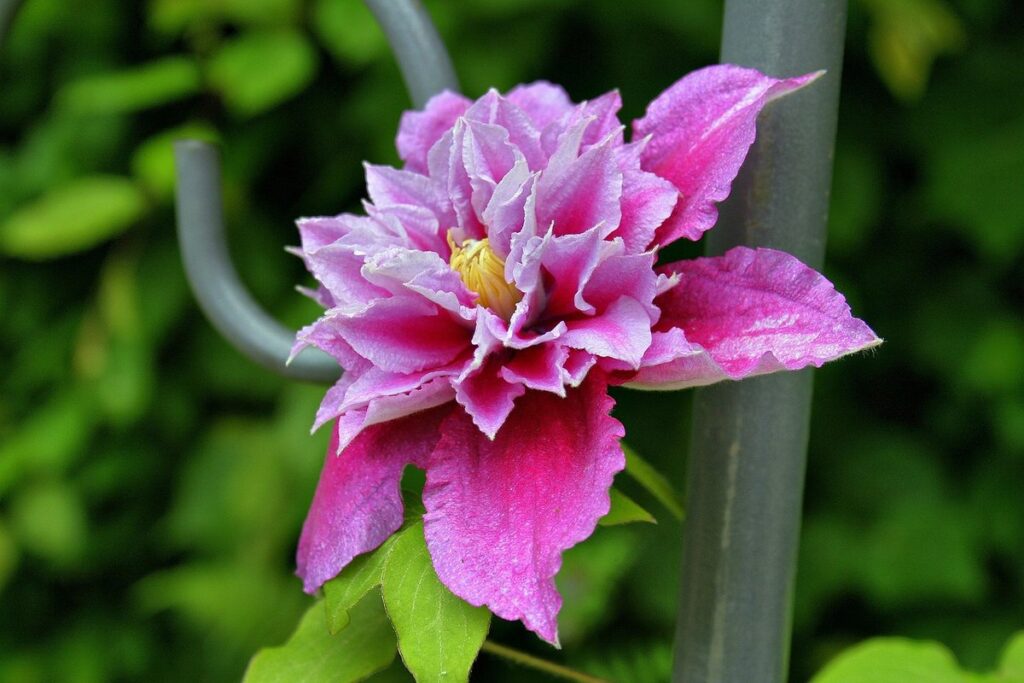
Next, consider the flower color. Do you prefer vibrant pinks and reds, or more subtle purples and whites? Clematis ‘Nelly Moser’ is a popular variety with large, pink flowers, while Clematis ‘Crystal Fountain’ boasts delicate white blooms.
Finally, think about growth habits: will your clematis spread out wide and flat, or grow upwards towards the sky? Some varieties, like Clematis tangutica, have a more compact habit and can be trained to climb up a trellis. Others, such as Clematis jackmanii, are more vigorous and may require regular pruning to keep them under control. By considering these factors, you can choose a clematis variety that will thrive on your trellis and add beauty to your garden for years to come.
Clematis varieties also differ in their hardiness zones, sun requirements, and soil preferences. Make sure to research the specific needs of your chosen variety to ensure it will succeed in your climate and conditions.
Popular Clematis Varieties for Beginners
When it comes to choosing a clematis variety for your trellis, as a beginner, you’ll want to select one that’s easy to grow and requires minimal maintenance. Here are some popular varieties that fit the bill:
Consider starting with ‘Nelly Moser’, a hybrid clematis known for its vibrant pink blooms and relatively low-maintenance requirements. It prefers well-drained soil and partial shade, making it perfect for gardens with limited sunlight.
Another great option is ‘Crystal Fountain’, a compact variety that produces stunning white flowers with delicate purple stripes. This variety thrives in moist, fertile soil and full sun to partial shade conditions.
‘Blue Light’ is another beginner-friendly variety that boasts vibrant blue blooms with a silvery sheen. It prefers well-drained soil and full sun, making it ideal for gardens with plenty of sunlight.
When growing clematis, be sure to provide them with a sturdy trellis or arbor to support their vines. Also, keep in mind that most clematis varieties require regular watering, fertilization, and pruning to promote healthy growth and blooming.
Designing Your Clematis Trellis
To create a stunning clematis trellis, you’ll want to consider the design elements that will enhance your plant’s growth and add visual appeal to your garden. Let’s dive into some key considerations for designing your perfect trellis.
Types of Trellises Suitable for Clematis
When it comes to supporting the growth of clematis vines, the right trellis is crucial. Fortunately, there are various types of trellises that can accommodate these beautiful flowers. Let’s explore some of the most suitable options.
Obelisks are a popular choice for clematis, as they provide excellent support and add a touch of elegance to your garden. These freestanding structures typically range from 6 to 12 feet tall, making them ideal for training compact or dwarf varieties of clematis. When selecting an obelisk, consider one with a sturdy base to prevent it from toppling over.
Arches are another great option for clematis trellises, particularly if you want to create a sense of drama in your garden. These structures can be placed at the entrance or as a focal point, allowing clematis to spill out and create a stunning display. When choosing an arch, ensure it’s wide enough to accommodate mature plant growth.
Pergolas are also suitable for clematis, offering a more substantial structure that can support larger varieties of these flowers. These walkways provide ample space for plants to grow, while the overhead beams allow for dappled sunlight filtering through the leaves and blooms.
DIY vs. Store-Bought Trellises: Pros and Cons
When it comes to designing a trellis for your clematis, one of the first decisions you’ll need to make is whether to build it yourself or purchase one from a store. Both options have their pros and cons, which we’ll explore below.
Building your own trellis can be a fun and rewarding experience, especially if you enjoy DIY projects. For one, you can customize the design to perfectly match your garden’s style and aesthetic. You can also choose materials that fit within your budget, such as reclaimed wood or recycled metal. Additionally, building a trellis from scratch allows you to create a truly unique piece that reflects your personal touch.
However, building a trellis yourself can be time-consuming and may require some technical expertise. You’ll need to ensure the structure is sturdy enough to support the weight of your clematis, which can grow quite heavy over time. Store-bought trellises, on the other hand, are often quick and easy to assemble, but you may find yourself limited by their standard designs and materials.
In terms of cost, building a trellis from scratch can be more budget-friendly in the long run, especially if you opt for affordable materials. However, store-bought options may seem cheaper upfront, but their durability and lifespan may not be as impressive. Ultimately, the decision to build or buy comes down to your personal preference, available time, and garden style.
Clematis Trellis Ideas to Complement Your Garden Style
When it comes to choosing a trellis for your clematis, you want one that complements your garden’s unique style and enhances its beauty. From rustic to modern, we’ll explore various options to inspire your next project.
Rustic and Country-Inspired Clematis Displays
Add a charming rustic touch to your garden with country-inspired clematis displays. These unique and whimsical designs are perfect for creating a cozy atmosphere that’s reminiscent of the English countryside.
To achieve this look, consider using natural materials such as reclaimed wood or bamboo trellises. You can also opt for wooden arbors or pergolas with a distressed finish to add a touch of vintage charm. For a more dramatic effect, train clematis vines to cascade down the sides of these structures, creating a lush and inviting display.
When combining country-inspired elements with your clematis displays, don’t forget about the importance of lighting. String lights or lanterns in a rustic metal finish can add a warm glow to your garden, while solar-powered lanterns provide an eco-friendly option. To complete the look, incorporate natural textiles such as burlap or linen into your decor. For example, hang a burlap banner above your trellis or use linen napkins as decorative accents.
Modern and Sleek Clematis Designs
If you’re looking for a modern and sleek take on clematis trellises, consider incorporating minimalist designs into your garden. These clean-lined structures provide an elegant backdrop for blooming vines without distracting from their beauty. For example, a simple metal or wooden trellis with a subtle curved shape can add visual interest to a corner of your garden.
Another way to achieve a sleek look is by using geometric planters. These modern containers are perfect for showcasing clematis and other climbing plants while adding a touch of sophistication to your outdoor space. To create a cohesive look, pair geometric planters with clean-lined trellises or arbors. You can also mix and match different materials, such as wood, metal, and glass, to add visual depth.
When selecting modern and sleek clematis designs, remember that less is often more. Avoid over-accessorizing your garden with too many decorative elements, which can detract from the beauty of your trellis and plants. Instead, focus on a few statement pieces, such as a striking trellis or a bold planter, to create a visually appealing focal point in your garden.
Trellis Maintenance and Care Tips
To ensure your stunning clematis trellis remains healthy and thriving, it’s essential to maintain regular care routines and address any issues that may arise. Regular checks will keep your trellis in top shape.
Pruning and Training Your Clematis
Pruning and training your clematis is an essential part of maintaining its optimal growth and blooming. Regular pruning not only helps to promote healthy growth but also encourages the plant to produce more flowers. To prune your clematis, start by removing any dead or damaged stems in late winter or early spring. Cut back the remaining stems to about one-third of their original length to encourage new growth.
For training, it’s essential to provide support for the clematis as it grows. Use a trellis or other support structure and gently tie the stems to it using soft ties or twine. As the plant grows, regularly check and adjust the ties to ensure they don’t constrict the stem. Regular pruning and training will help your clematis to grow up its trellis, creating a stunning display of flowers.
Some popular techniques for pruning clematis include:
* Pinching off tips to encourage branching
* Removing weak or spindly growth
* Cutting back overgrown stems
By following these simple steps and regular maintenance, you can enjoy a thriving and blooming clematis on your trellis all season long.
Common Pests and Diseases Affecting Clematis
As you’re enjoying the beautiful blooms of your clematis trellis, it’s essential to be aware of common pests and diseases that can affect these lovely flowers. Regular monitoring is key to preventing infestations and infections.
Aphids, whiteflies, and spider mites are notorious pests that feed on clematis sap, causing curled or distorted leaves and stunted growth. To control aphid populations, try spraying soapy water or introducing beneficial insects like ladybugs. For severe cases, use neem oil as a fungicide and insecticide.
Diseases like powdery mildew, leaf spot, and root rot can also harm your clematis. These often result from overwatering, poor air circulation, or fungal spores on pruning tools. To prevent root rot, ensure good drainage around the plant, and avoid getting water on leaves to reduce the risk of powdery mildew.
Preventative measures like using copper-based fungicides, practicing good hygiene when handling plants, and providing enough space for air circulation can go a long way in keeping your clematis healthy. Regularly inspecting your trellis will help you catch issues early on, reducing the need for harsh chemicals and saving your plant from potential damage.
DIY Clematis Trellis Projects
Now that you’ve got a stunning clematis, it’s time to create a beautiful trellis to showcase its beauty. In this section, we’ll guide you through easy DIY projects to add some personality to your garden.
Repurposing Old Items as Clematis Trellises
Get creative and breathe new life into old items by repurposing them as unique clematis trellises. Think beyond the traditional wooden or metal trellises and explore unconventional materials that can add character to your garden. A sturdy wooden lattice from an old pallet, for instance, can be transformed into a beautiful clematis trellis with some simple modifications.
Consider repurposing an old metal mesh, which can provide excellent support for climbing clematis vines while adding an industrial touch to your garden. You can attach the mesh to a wooden base or use it as is, depending on your desired design aesthetic. To make this idea even more interesting, you can add some decorative elements like small stones or seashells around the base of the trellis.
When repurposing old items, remember to inspect them carefully for any damage or weaknesses that could compromise their structural integrity. Clean and disinfect the materials before using them as a trellis to prevent any potential issues with plant growth or pest infestations.
Building a Clematis Obelisk from Scratch
Building a clematis obelisk from scratch can be a fun and rewarding DIY project for garden enthusiasts. To start, gather materials such as wood (cedar or reclaimed wood work well), stone or brick for the base, and wire mesh or chicken wire for support. You’ll also need a drill, saw, and measuring tape.
Begin by laying out the stone or brick base, creating a flat surface to anchor the obelisk. Next, cut four wooden posts to the desired height, leaving enough space for the clematis to grow around them. Use a drill to attach the posts together with screws or nails, forming an “A” shape.
Add wire mesh or chicken wire between the posts, providing support for the clematis vines as they climb. Secure the mesh with wire or string. Finally, add a decorative top cap to complete the obelisk. Plant your clematis around the structure and watch it thrive in its new home. With some patience and creativity, you can create a stunning focal point in your garden using this DIY project.
Frequently Asked Questions
Can I use a clematis trellis in partial shade?
Yes, while most clematis varieties prefer full sun, some species like Clematis montana can tolerate partial shade. When choosing a location for your trellis, ensure it receives at least 4-6 hours of direct sunlight per day, but also consider the specific needs of your chosen clematis variety.
How often should I water my clematis trellis?
The frequency of watering depends on the climate and soil type. As a general rule, aim to provide about 1 inch of water per week through rainfall or irrigation. Keep the soil consistently moist during the growing season but avoid overwatering, which can lead to root rot.
Can I use an old pallet as a clematis trellis?
Repurposing old items like pallets is a great way to create a unique trellis. Clean and disinfect the pallet before attaching it to a sturdy base or wall. Make sure the pallet has adequate ventilation for airflow, which will help prevent fungal diseases that thrive in damp environments.
How do I train my clematis to grow along a curved trellis?
To encourage your clematis to grow along a curved trellis, gently twine the stems around the support as they grow. You can also use plant ties or soft clips to secure the stems without damaging them. Keep in mind that some clematis varieties are naturally more flexible than others.
Can I use a combination of trellises for a large clematis display?
Yes, using multiple trellises can create a stunning and dramatic display. Consider combining different types of trellises to add visual interest, such as pairing a wooden trellis with a metal one or incorporating a pergola into your design. Just ensure the trellises are securely anchored to avoid any damage from strong winds.