
If you’re a clematis enthusiast, you know how challenging it can be to get these beautiful plants to thrive. With their stunning blooms and delicate foliage, it’s no wonder why many gardeners struggle to provide them with the right care. One crucial aspect of maintaining healthy clematis is pruning, but did you know there are different groups of clematis that require unique approaches? Understanding the distinct characteristics of each group is essential for effective pruning, which in turn ensures optimal growth and blooming. In this guide, we’ll break down the different clematis pruning groups, their specific needs, and share expert techniques to help you unlock your plant’s full potential. Whether you’re a seasoned gardener or just starting out, this comprehensive guide will equip you with the knowledge to prune your clematis like a pro.
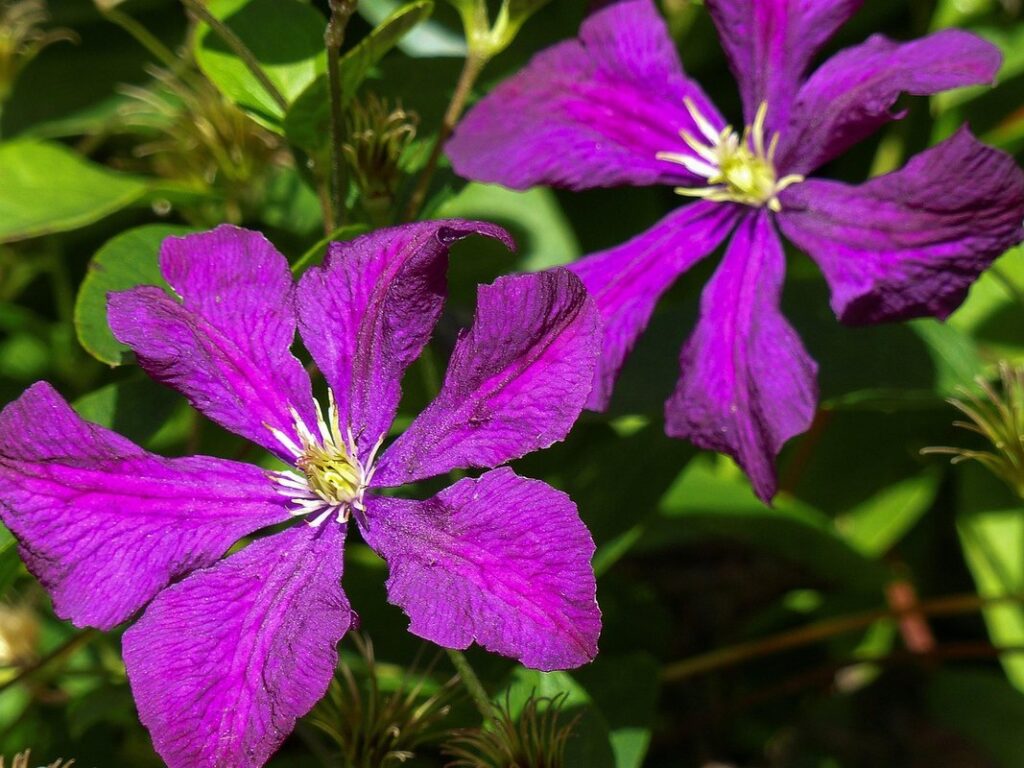
Understanding Clematis Pruning Groups
To grow and maintain a thriving clematis, it’s essential to understand which pruning group your variety belongs to. Let’s break down the three main groups of clematis.
Introduction to Clematis Pruning Groups
When it comes to growing clematis, one of the most crucial aspects is understanding their pruning groups. But what exactly are these groups? In simple terms, clematis pruning groups refer to the different ways that specific varieties of clematis need to be pruned and maintained in order to promote healthy growth, encourage blooming, and prevent disease.
These groups are essential for plant health because they dictate how much of the plant should be cut back each year. Pruning at the right time can make all the difference between a thriving, blooming clematis and one that’s struggling to survive. The pruning group determines whether the plant should be pruned in spring, after flowering, or early summer.
For example, Group 1 clematis, such as those with single flowers, need to be pruned immediately after flowering to maintain their shape and encourage new growth. On the other hand, Group 3 clematis, like those with large, showy blooms, are best left unpruned until after they’ve finished blooming in summer.
By understanding your clematis’s pruning group, you can provide it with the right care and maintenance to ensure a healthy, thriving plant that will provide years of beautiful blooms.
Types of Clematis Plants that Require Pruning
If you have a clematis plant belonging to Group 1, 2, or 3, it will require pruning. These groups are characterized by their ability to bloom on the current year’s growth. However, they need regular maintenance to ensure optimal flowering and overall health.
Group 1 clematis plants produce large, showy flowers that can reach up to 6 inches in diameter. They have a tendency to become leggy if not pruned regularly. Prune these plants back by about one-third to one-half after blooming has finished. This will encourage new growth and promote healthy flowering for the next season.
Group 2 clematis plants are similar to Group 1 but produce smaller flowers. They also benefit from regular pruning, although they don’t require as much maintenance. Prune these plants back by about one-quarter to one-half after blooming has finished.
Group 3 clematis plants have a more delicate appearance and produce small to medium-sized flowers. They require less pruning than Group 1 or 2 but still need some maintenance. Prune these plants lightly, removing any dead or damaged stems, to promote healthy growth and flowering.
Group 1: The Simplest to Prune
For gardeners new to clematis, Group 1 is a great place to start. These varieties are easy to prune and require minimal maintenance to keep them looking their best.
Characteristics of Group 1 Clematis
Clematis plants that fall into Group 1 have a distinct growth habit and flowering pattern that makes them relatively easy to prune. These plants typically bloom on new wood, meaning they produce flowers on the current year’s growth rather than last year’s. As a result, you can simply cut back the entire stem after it finishes blooming, and new growth will emerge from the base of the plant.
Group 1 clematis often have a sprawling or rambling habit, which allows them to cascade down walls, trellises, or other supports with ease. This flexible growth pattern makes them ideal for training over pergolas, arches, or other structures. In terms of flowering, Group 1 clematis tend to produce clusters of large, showy blooms in late spring and early summer.
One of the key characteristics of Group 1 clematis is their ability to rebloom throughout the growing season. This means that after you’ve pruned them back, they’ll start producing new flowers again, often with a second flush of bloom later in the summer. By pruning your Group 1 clematis regularly, you can encourage this repeat blooming and keep your plant looking its best all season long.
Pruning Techniques for Group 1 Clematis
To prune Group 1 clematis plants effectively, start by cutting back the entire plant to about 12-18 inches from the ground. This is typically done in late winter or early spring, just before new growth begins. Remove any dead, diseased, or damaged stems as you cut back the plant.
Next, inspect the remaining stems and remove any weak or spindly growth. This will help promote healthy growth and encourage blooming. Prune no more than one-third of the oldest stems to maintain the plant’s overall shape and promote new growth from the base.
If your Group 1 clematis has a few vigorous stems, you can choose to prune them back by about half to encourage branching and more blooms. This will also help control the plant’s size and prevent it from becoming too leggy.
By following these pruning steps, you’ll be able to enjoy optimal growth and blooming from your Group 1 clematis plants throughout the growing season. Remember to provide regular care, including watering and fertilizing, to keep your clematis healthy and thriving.
Group 2: The Moderate Maintenance
For the moderately vigorous clematis varieties, pruning typically occurs after flowering and involves cutting back stems to about one-third of their length. This approach helps maintain a balanced growth habit.
Characteristics of Group 2 Clematis
Group 2 clematis plants are characterized by their moderate growth habit and flowering pattern. These plants typically grow between 8 to 12 feet tall, with a spread of around 3 to 6 feet wide. Their stems can be quite robust, but they usually don’t require extensive support.
In terms of flowering, Group 2 clematis produce large, showy blooms that are often bi-colored or have subtle color gradations. These flowers typically bloom in late spring to early summer and last for around 3 to 4 weeks. The flowering pattern is often more compact compared to Group 1 clematis, with fewer stems producing blooms.
Some popular examples of Group 2 clematis include ‘Niobe’, ‘Crystal Fountain’, and ‘Purpurea Plena Elegans’. These plants are often preferred by gardeners who want a moderate level of maintenance and a more compact growth habit. When pruning these plants, it’s essential to remove dead or damaged stems in the winter months, cutting them back to around 3 feet from the ground. This will help promote new growth and encourage a healthy, bushy shape.
Pruning Techniques for Group 2 Clematis
When it comes to pruning Group 2 clematis plants, the goal is to encourage healthy growth and abundant blooms. Unlike Group 1 and 3 clematis, which require more drastic pruning measures, Group 2 varieties need a balance of maintenance. To prune your Group 2 clematis effectively, wait until late winter or early spring when new growth begins.
Remove any dead, diseased, or damaged stems from the plant. Cut these back to about 6-8 inches from the base of the plant using pruning shears or loppers. Next, cut back the flowered stems to about a third of their length. This will help control the size of the plant and promote new growth.
For Group 2 clematis varieties that bloom on current season’s wood, such as ‘Crystal Fountain’ and ‘Rose de Mai’, you can prune them back after they finish blooming in mid-summer. Cut back the flowered stems to about a third of their length to encourage a second flush of blooms later in the summer.
Keep in mind that some Group 2 clematis varieties, like ‘Huldine’ and ‘Asao’, bloom on old wood and should be pruned immediately after blooming in late spring. Cut back these plants by about one-third to one-half of their length to promote healthy growth and future blooms.
Group 3: The Most Challenging to Prune
Pruning Group 3 clematis can be a bit more intimidating, as their heavy blooms and weak stems require extra care and consideration when trimming. Let’s break down what makes them so challenging to prune.
Characteristics of Group 3 Clematis
Group 3 clematis are often considered the most challenging to prune due to their complex growth habit and delicate flowers. These plants tend to produce a lot of foliage, which can make it difficult to identify where the new growth is coming from. As a result, it’s easy to accidentally cut off next year’s flower buds, leading to reduced blooming.
When identifying Group 3 clematis, look for plants that produce long, trailing stems with a tendency to twine around supports. These stems can be quite woody and may not produce flowers until later in the season. The flowers themselves are often delicate and require gentle handling to avoid damaging them.
To prune your Group 3 clematis successfully, it’s essential to approach each stem individually. Remove any dead or damaged growth first, taking care not to cut off any healthy tissue. Next, look for the current year’s growth and shorten it back to about a third of its length. This will help encourage new growth and promote healthy blooming habits. Be cautious not to over-prune, as this can lead to reduced flowering.
Pruning Techniques for Group 3 Clematis
Pruning Group 3 clematis requires special care to ensure you’re not damaging the plant while promoting blooming. These varieties produce their flowers on new wood, which means cutting back stems during winter dormancy can be a bit tricky. To avoid damaging the plant’s buds or restricting its growth, prune Group 3 clematis in late spring after they’ve finished flowering.
Cut back the stems to about one-third of their height, making clean cuts just above a pair of buds. This will encourage new growth and ensure next year’s blooms. Be cautious not to cut too much of the stem at once, as this can cause the plant to become stressed and potentially lead to disease or pests taking hold.
It’s also essential to remove any weak or damaged stems during pruning. Cut these back to ground level to prevent them from draining energy away from the rest of the plant.
Additional Tips and Considerations
Now that you’ve grasped the basics of clematis pruning groups, let’s dive into some additional tips and considerations to help you refine your pruning technique.
Seasonal Pruning Schedule
When it comes to pruning clematis plants, timing is everything. The best time to prune depends on your location and the season, but don’t worry, we’ve got you covered with our seasonal pruning schedule.
In general, spring-blooming clematis varieties should be pruned immediately after they finish blooming in late spring or early summer. This allows them to put their energy into producing new growth and flowers for next year’s bloom cycle. For example, if your spring-blooming clematis is finished flowering in June, wait until July or August to prune it back.
In warmer climates with mild winters, clematis can be pruned in late winter or early spring before new growth begins. This will help control their size and encourage more blooms.
For autumn-blooming varieties, prune immediately after they finish blooming in the fall. This allows them to focus on producing roots and preparing for next year’s growth cycle. Be sure to prune summer-flowering clematis in late winter or early spring before new growth begins.
Remember, it’s essential to consider your specific climate and location when pruning your clematis plants. If you’re unsure about the best time to prune, consult with a local gardening expert or check with your nursery for advice tailored to your area.
Common Mistakes to Avoid When Pruning Clematis
Pruning clematis can be a delicate process, and making mistakes can have serious consequences for the plant’s health and safety. One of the most common errors is cutting back too much of the plant at once. This can shock the clematis, causing it to lose its leaves and potentially leading to root rot. To avoid this, prune only what’s necessary, taking care not to damage any new growth.
Another mistake to watch out for is cutting stems that are still producing flowers or buds. Not only will this reduce flowering, but it can also encourage the plant to produce weak and spindly shoots. It’s essential to remove dead or damaged wood, but leave as much of the healthy stem intact as possible.
Additionally, pruning clematis at the wrong time can cause more harm than good. Pruning during a period of active growth (usually spring-fall) can lead to disease and pests taking hold, while pruning in winter can cause the plant to be vulnerable to cold temperatures and frost damage. Always prune your clematis during its dormant season for best results.
Pruning tools can also pose a risk if not used correctly. Using dull or dirty shears can spread diseases, so make sure to clean them regularly and use sharp blades whenever possible.
Conclusion: Mastering Clematis Pruning Groups
Now that you’ve mastered the different pruning groups, let’s wrap up by reviewing key takeaways and offering tips for long-term success in your clematis garden.
Recap of Key Takeaways
As you’ve now navigated through the world of clematis pruning groups, it’s essential to recap the key takeaways from this comprehensive guide. You should remember that there are three main pruning groups for clematis: Group 1 (deadheading only), Group 2 (pruning after flowering), and Group 3 (severe pruning in late winter or early spring).
It’s crucial to identify which group your specific clematis variety falls into, as this will determine the best pruning strategy. This guide has provided you with the necessary information to make informed decisions about when and how to prune your clematis.
To summarize: Group 1 requires no pruning other than deadheading spent blooms; Group 2 needs minimal pruning after flowering, focusing on removing dead or damaged growth; and Group 3 demands severe pruning in late winter or early spring. By selecting the right group for your clematis, you’ll be able to enjoy vibrant flowers while maintaining a healthy plant.
In practical terms, this means paying close attention to your clematis’ specific pruning needs during its first growing season after planting. This will allow you to establish a routine that ensures optimal performance and blooming potential in subsequent years.
Final Tips for Success with Clematis
Mastering clematis pruning techniques requires patience and persistence. It’s essential to understand that developing a skill takes time, and clematis pruning is no exception. Don’t be discouraged if it doesn’t come easily at first; it’s normal for the process to feel overwhelming when you’re new to it.
Start by breaking down the pruning process into smaller tasks, and focus on one or two techniques at a time. Practice regularly, even if it’s just for a few minutes each day. As you become more comfortable with the basic techniques, gradually increase your practice sessions.
Remember that clematis plants are not high-maintenance, but they do require regular care to thrive. With consistent effort and patience, you’ll develop the skills needed to prune your clematis successfully. Don’t be too hard on yourself if you make mistakes; it’s an opportunity to learn and improve. By embracing a patient approach, you’ll become more confident in your abilities and enjoy the rewards of having healthy, blooming clematis plants throughout the year.
Frequently Asked Questions
What are the key differences between Group 1, Group 2, and Group 3 clematis pruning groups?
The main difference between these groups lies in their flowering habits and growth patterns. Group 1 clematis flowers on old wood and requires minimal pruning, while Group 2 blooms on both old and new wood and needs regular maintenance. Group 3 clematis produces new growth after pruning and benefits from more extensive cutting back.
How do I determine which pruning group my specific clematis variety belongs to?
You can identify your clematis’ pruning group by checking the plant label or consulting with a local nursery expert. Many gardening resources also provide detailed information on different varieties, including their corresponding pruning groups.
Can I prune my clematis in late summer or early fall instead of following the recommended seasonal schedule?
Pruning at the wrong time can cause stress to your plant and potentially lead to disease. It’s essential to adhere to the recommended pruning schedule for optimal growth and blooming. If you must prune outside this timeframe, be cautious not to remove too much foliage, which can expose your plant to frost damage.
How often should I inspect my clematis for signs of disease or pests?
Regular inspections are crucial for maintaining healthy clematis. Check your plants every 1-2 weeks during the growing season and after pruning. Look for signs of infestation, such as aphids, mealybugs, or spider mites, and address any issues promptly to prevent damage.
Can I use a single pruning technique for all my clematis varieties, or do I need to adapt to each group’s specific needs?
While some pruning techniques can be applied generally, it’s essential to tailor your approach to the specific pruning group of your clematis variety. Each group has unique characteristics that require different pruning strategies to promote healthy growth and encourage blooming.