
If you’re a citrus tree owner, chances are you’ve encountered the pesky problem of citrus sooty mold infections on your trees’ leaves. This unsightly fungus can spread quickly and affect not only the appearance but also the health of your trees, ultimately impacting yields and quality. Identifying the causes of citrus sooty mold is crucial to effective management. In this article, we’ll delve into the world of citrus sooty mold, exploring its effects on tree health, common causes, and practical prevention and management strategies. We’ll discuss how to identify signs of infection, and what you can do to prevent it from taking hold in the first place. By the end of this article, you’ll be equipped with the knowledge to boost your citrus trees’ health and productivity.
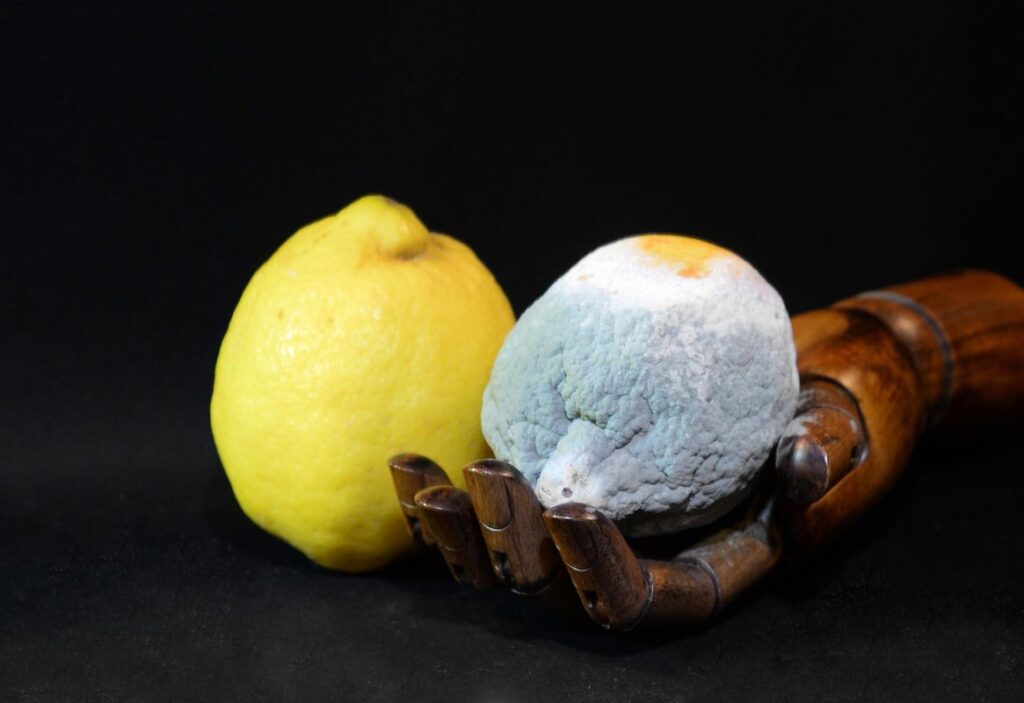
What is Citrus Sooty Mold?
Citrus sooty mold is a common issue affecting citrus trees, caused by the growth of fungi on plant surfaces. Let’s break down what this condition entails and its impact on your tree’s health.
Definition and Identification
Citrus sooty mold is a common problem affecting citrus leaves worldwide. It’s characterized by a dark, powdery coating on the upper surface of leaves and stems. This unsightly growth can be found on various citrus species, including oranges, lemons, limes, and grapefruits.
The key to identifying citrus sooty mold lies in its appearance. Affected areas typically appear as black or dark brown patches with a powdery texture, often accompanied by a sticky substance known as honeydew. This sweet, sticky liquid is secreted by the fungus, which feeds on plant sap. If you notice these symptoms, it’s essential to take action quickly.
When inspecting your citrus plants for sooty mold, look closely at the undersides of leaves and stems, where the fungus tends to thrive. Inspect new growth areas as well, as this is often where the problem first manifests itself. A visual inspection can help identify affected areas early on, allowing you to implement effective management strategies before the situation worsens.
Regularly inspecting your citrus plants for signs of sooty mold will enable you to catch and treat the issue promptly.
Common Symptoms and Signs
If you notice that your citrus tree is struggling, there are several common symptoms and signs to look out for that may indicate an infection with sooty mold. One of the first noticeable effects is a reduction in growth rate. As the mold takes hold, it can begin to stunt the tree’s growth, leading to smaller leaves and reduced fruit production.
Another telltale sign of citrus sooty mold is discoloration on the leaves. Sooty mold can cause the leaves to turn yellow or black as it absorbs nutrients from the plant. In severe cases, the entire leaf may become discolored, which can be a clear indication that action needs to be taken.
Reduced fruit production is another common symptom of citrus sooty mold infection. As the tree struggles to produce new growth, its energy is diverted away from fruiting, leading to smaller or fewer harvests.
If you notice any of these symptoms in your citrus trees, it’s essential to take immediate action to prevent further damage and ensure the health of your plants. Regular inspections can help catch problems early on, allowing for targeted treatment and management strategies to be implemented.
Causes and Contributing Factors
Now that we’ve discussed what citrus sooty mold is, let’s dive into the factors that can contribute to its growth on your leaves. Environmental conditions play a significant role in its development.
Fungal Pathogens
Fungal pathogens like Scorias sclerotiorum and other species play a significant role in the development of sooty mold on citrus trees. These pathogens thrive in environments with high humidity and temperatures between 64°F to 90°F (18°C to 32°C), creating an ideal setting for their growth.
Scorias sclerotiorum, also known as black sooty mold, is one of the primary fungal pathogens responsible for this issue. Its life cycle typically begins when it infects a leaf or branch through wounds or natural openings. The fungus then produces a network of fine, branching hyphae that break down plant tissue and absorb nutrients.
Other contributing factors include environmental conditions such as high temperatures, drought, and poor air circulation. These stressors weaken the tree’s defenses, making it more susceptible to fungal infections. Effective management strategies for fungal pathogens involve implementing good agricultural practices like pruning diseased branches, maintaining proper sanitation, and using fungicides when necessary. Regular monitoring of your citrus trees can help prevent outbreaks by identifying potential issues early on.
Environmental Factors
Environmental factors play a significant role in predisposing citrus trees to sooty mold infections. High humidity is one such factor that creates an ideal environment for sooty mold growth. When the air is thick with moisture, it allows the fungus to thrive, making it easier for it to spread and infect more leaves.
Temperature fluctuations also contribute to the development of sooty mold on citrus trees. Sudden changes in temperature can weaken the tree’s defense system, making it more susceptible to fungal infections. In regions where temperatures are known to drop at night and rise during the day, growers should take extra precautions to monitor their trees’ health.
Poor air circulation is another environmental factor that can lead to sooty mold infections. When air movement around the tree is limited, it traps moisture near the leaves, creating a humid microclimate that fosters fungal growth. To mitigate this risk, growers can prune nearby plants or use fans to improve airflow and reduce humidity levels around their citrus trees.
It’s worth noting that these environmental factors are often intertwined with each other, making it essential for growers to manage multiple aspects of their orchard environment simultaneously. By recognizing the role of environmental factors in sooty mold development, growers can take proactive steps to create a healthier environment for their trees and reduce the likelihood of infection.
Effects on Citrus Trees
If you’re growing citrus trees, it’s essential to understand how sooty mold can impact their health and productivity. In this next part, we’ll explore its specific effects.
Yield Reduction
Sooty mold infections can significantly impact citrus tree yields, making it crucial to understand and address this issue. When sooty mold infects a citrus tree, it clogs the tiny pores on the leaves, reducing photosynthesis and further exacerbating the infection. This reduction in photosynthesis directly affects fruit production, leading to reduced yield quality and quantity.
Reduced fruit size, misshapen or deformed fruits, and lower sugar content are common issues associated with sooty mold-infected trees. For instance, a study on sweet orange trees found that those infected with sooty mold produced significantly smaller fruits compared to healthy counterparts. In addition to these visual signs, the quality of the fruit is also compromised due to the presence of toxic compounds released by the fungus.
To mitigate yield reduction caused by sooty mold, it’s essential to maintain proper tree hygiene and implement integrated management strategies that include pruning infected areas, improving air circulation, and using fungicides. Regular monitoring for early detection and timely treatment can significantly reduce the impact on yields, ensuring healthier and more productive citrus trees in the long run.
In severe cases, removal of severely affected branches or even the entire tree might be necessary to prevent further spread of the infection. It’s also essential to adopt good agricultural practices such as crop rotation, using resistant varieties, and avoiding excessive nitrogen application that can contribute to the development of sooty mold.
Impact on Fruit Quality
The presence of citrus sooty mold on leaves can have far-reaching consequences for fruit quality. One of the primary effects is increased susceptibility to pests and diseases. The sticky substance produced by the fungus creates an ideal environment for insects like aphids, whiteflies, and mealybugs to thrive. These pests can then spread plant viruses and other pathogens, compromising the tree’s overall health.
In addition to reduced plant health, sooty mold can also lead to a shorter shelf life for citrus fruits. The mold’s dark, powdery coating can stain fruit surfaces, making them unappealing to consumers. Furthermore, the fungus can lower the pH of the fruit’s skin, creating an ideal environment for bacteria like Erwinia to grow and produce off-flavors.
To mitigate these effects, it is essential to implement integrated pest management strategies that address both the sooty mold itself and any underlying causes. Regular pruning, proper irrigation, and balanced fertilization can all contribute to a healthier tree. Moreover, monitoring your trees regularly for signs of infestation or disease will enable you to take swift action before issues become more severe.
Management Strategies
To effectively manage citrus sooty mold, you’ll want to consider implementing preventative measures and adjusting your gardening practices to reduce the risk of infestation.
Cultural Controls
Maintaining good air circulation around your citrus trees is crucial to prevent sooty mold infections. Sooty mold thrives in stagnant environments, where it can feed on the honeydew excreted by sap-sucking insects like aphids and whiteflies. Ensure that your trees are spaced far enough apart (at least 10-15 feet) to allow for easy airflow.
Regular pruning of infected branches is also essential to manage sooty mold infections. Remove any heavily infested areas, as these can serve as a source of infection for the rest of the tree. This will not only help prevent the spread of sooty mold but also promote healthy growth by removing diseased tissue.
Removing weeds and debris from around your citrus trees is another vital aspect of cultural control. Weeds compete with your trees for water, nutrients, and light, making them more susceptible to diseases like sooty mold. Regularly clean up any debris or fallen fruit to prevent moisture accumulation and reduce the risk of infection. By implementing these simple practices, you can significantly reduce the likelihood of sooty mold infections on your citrus leaves.
Chemical Controls
Chemical controls can be an effective way to manage sooty mold on citrus leaves. However, it’s essential to choose the right fungicide or insecticide and apply it correctly to minimize risks.
One of the most common chemical control methods is using fungicides that contain active ingredients like azoxystrobin, trifloxystrobin, or pyraclostrobin. These products can be applied as a foliar spray at rates ranging from 200 to 400 mL per 100 liters of water, depending on the label instructions and severity of infestation.
Timing is crucial when applying chemical controls for sooty mold management. For optimal results, apply fungicides during the cooler part of the day, typically early morning or late evening, to reduce drift and improve efficacy.
When choosing a chemical control method, consider the potential risks associated with each product. Some common risks include:
* Residual activity that can harm beneficial insects or contaminate soil
* Resistance development in fungal populations
* Environmental impact, such as water pollution or toxicity to non-target species
Always follow integrated pest management (IPM) principles and consult with a certified arborist or extension specialist before applying chemical controls.
Prevention and Integrated Pest Management (IPM)
To effectively manage citrus sooty mold, it’s essential to adopt a proactive approach by implementing integrated pest management strategies that combine prevention methods with targeted treatments. By doing so, you can reduce the risk of infestation and prevent further damage.
Monitoring and Early Detection
Regular monitoring of citrus trees for sooty mold symptoms is crucial to prevent widespread infection and reduce chemical use. Sooty mold can spread quickly through a grove, making it essential to detect early signs of infestation. This typically begins with yellow or black specks on leaves, followed by a powdery coating that can obscure the leaf’s natural color.
Regularly inspect your trees, especially during periods of high humidity and warm temperatures when sooty mold is most active. Check for any signs of aphids, whiteflies, or mealybugs, which are common vectors of citrus sooty mold. Use a hand lens to examine leaves closely, as early detection can be subtle.
Identify areas with high populations of pests, such as under tree branches or near irrigation systems, and focus your monitoring efforts there. Keep in mind that some pest infestations may not exhibit obvious symptoms, making it even more critical to conduct regular inspections.
Biological Controls
Biological controls offer a promising approach to managing citrus sooty mold by leveraging natural predators, parasites, and pathogens. These biocontrol agents can help regulate sooty mold populations without harming the environment or leaving behind toxic residues.
One example of a natural predator used as a biocontrol agent is the ladybug (Coccinella septempunctata). Ladybugs are known to feed on mealybugs, which are often the primary vector for sooty mold transmission. By introducing these beneficial insects into your citrus grove, you can create a balanced ecosystem that suppresses sooty mold growth.
Other biocontrol agents include fungal pathogens like Beauveria bassiana and Metarhizium anisopliae. These fungi infect and kill mealybugs, reducing the risk of sooty mold infestation. When using biological controls, it’s essential to introduce the agents at the right time and in the correct quantities to ensure their effectiveness.
By incorporating these natural biocontrol methods into your IPM strategy, you can reduce your reliance on chemical pesticides and create a more sustainable citrus production system.
Frequently Asked Questions
What are the early warning signs of citrus sooty mold infection that I should look out for in my trees?
Early detection is key to effective management. Keep an eye out for yellowing or wilting leaves, as these can be indicative of a sooty mold infection. Also, inspect your trees regularly for dark patches on leaves and stems, which can appear as black or brown spots with a powdery texture.
Can I still harvest fruit from citrus trees infected with citrus sooty mold?
Yes, it’s generally safe to consume fruit from trees affected by citrus sooty mold. However, the infection may affect the quality and flavor of the fruit. If possible, remove and destroy infected leaves and stems to prevent further spread of the disease.
How long does it take for citrus sooty mold to infect an entire tree?
The time frame varies depending on environmental conditions, but generally, once a tree is infected with citrus sooty mold, it can take anywhere from several weeks to months for the infection to spread throughout the tree.
Are there any natural remedies that I can use to control citrus sooty mold without using chemical controls?
Yes, there are several natural methods you can employ. For instance, improving air circulation around your trees, removing weeds and debris, and practicing good sanitation techniques can all help prevent the spread of citrus sooty mold. Additionally, introducing beneficial insects like ladybugs or lacewings can help control fungal growth.
Can I treat citrus sooty mold with neem oil, or is this ineffective against this particular disease?
Neem oil can be an effective treatment for some fungal infections, but its efficacy against citrus sooty mold may vary depending on the concentration and method of application. Always follow label instructions carefully and consider combining neem oil treatments with other management strategies for optimal results.