
Are you ready to learn the secrets of successfully growing your own cilantro seeds? Whether you’re a seasoned gardener or just starting out, cultivating these versatile herbs can be a bit tricky. But don’t worry, we’ve got you covered with our comprehensive guide on planting, caring for, and harvesting cilantro seeds.
In this article, we’ll take you through the essential steps of soil preparation, sowing techniques, and pest control methods to ensure your cilantro seeds thrive. We’ll also cover tips on how to identify ideal growing conditions, including temperature, moisture levels, and sunlight requirements. With our expert advice, you’ll be able to grow a healthy crop of cilantro seeds that will add fresh flavor to your cooking. Let’s dive in and explore the world of cilantro seed planting together!
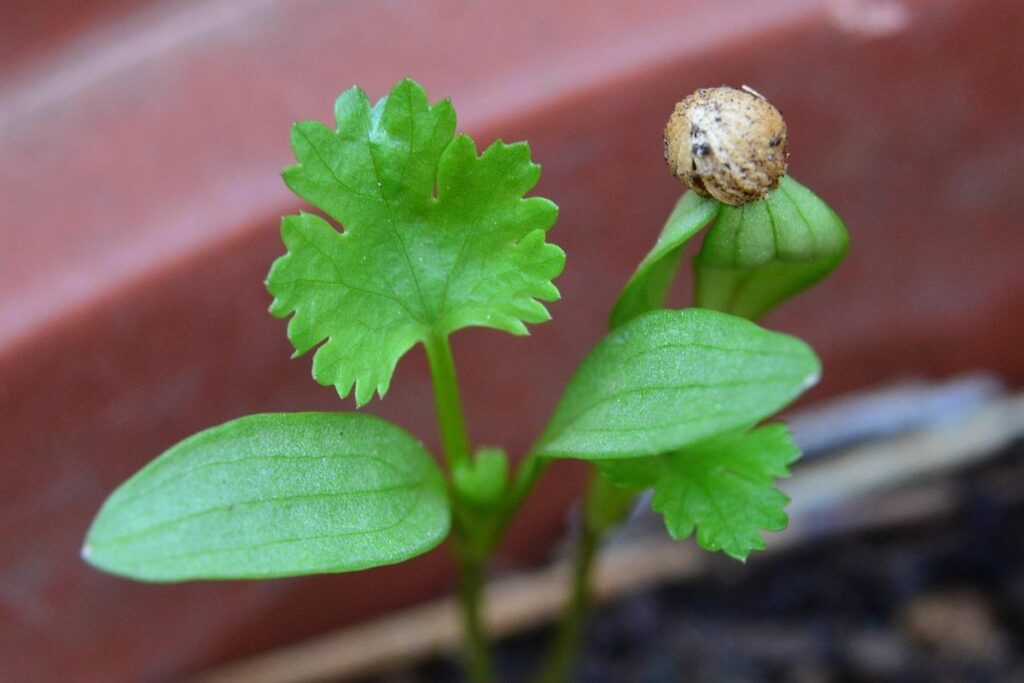
Choosing the Right Variety
When it comes to planting cilantro seeds, selecting the right variety is crucial for a successful harvest. Let’s dive into the top factors to consider when choosing the perfect type of cilantro for your garden.
Selecting Cilantro Suitable for Your Climate
When selecting cilantro suitable for your climate, it’s essential to understand that different varieties thrive in distinct temperature and moisture conditions. There are several types of cilantro, including Slow Bolt, Long Standing, and Fast Bunching, each with its unique characteristics.
The ‘Slow Bolt’ variety is ideal for warmer climates, as it can withstand temperatures up to 85°F (29°C) without bolting – a process where the plant goes to seed prematurely. This makes it perfect for regions with long growing seasons or those experiencing heatwaves during the summer months.
On the other hand, ‘Long Standing’ cilantro is more suited to cooler climates and tolerates light frosts, making it ideal for areas with short growing seasons or where cilantro is grown in the spring or fall. ‘Fast Bunching’ cilantro, as its name suggests, produces a high volume of leaves quickly, but it’s best for temperate climates.
When choosing a variety, consider your region’s average temperature and moisture levels to ensure you select the most suitable one. Check seed packets or consult with local nurseries for specific advice on which varieties work best in your area.
Understanding the Difference Between Common and Mexican Cilantro
When it comes to planting cilantro seeds, understanding the difference between common and Mexican varieties is crucial for achieving a successful harvest. While both types of cilantro belong to the same plant family (Apiaceae), they exhibit distinct growth habits, flavor profiles, and uses in cooking.
Common cilantro, also known as coriander or dhania, has slender stems and small leaves with a delicate, lacy texture. Its flavor is more citrusy and pungent compared to Mexican cilantro. Common cilantro grows upright, reaching heights of 12-18 inches, making it ideal for containers or small spaces. It’s commonly used in Middle Eastern, Indian, and Asian cuisine.
Mexican cilantro, on the other hand, has larger leaves with a more robust flavor profile. Its stems are thicker, and it grows more densely, often requiring staking to prevent flopping over. Mexican cilantro is perfect for adding depth to salsas, salads, and soups. Some gardeners find that Mexican cilantro is more resistant to bolting (premature flowering) than common cilantro.
When choosing between these two varieties, consider your cooking style and available space. If you’re growing in a container or have limited space, common cilantro might be the better choice. However, if you want a robust flavor for salsas and other Mexican dishes, Mexican cilantro is the way to go.
Preparing the Soil and Sowing Seeds
Before you start sowing cilantro seeds, it’s essential to prepare your soil properly, ensuring optimal growing conditions for a healthy crop. Learn how to create the perfect environment for your seeds to thrive in this next section.
Cilantro Seed Requirements: Light, Temperature, and Moisture
To give your cilantro seeds the best chance at germinating and growing, it’s essential to understand their specific light, temperature, and moisture requirements. When it comes to light, cilantro seeds prefer partial shade to full sun. While they can tolerate some direct sunlight, excessive heat can inhibit germination.
Ideally, cilantro seeds should be sown in an area that receives 4-6 hours of direct sunlight per day or filtered sunlight throughout the day. If you’re growing them indoors, place them near a north-facing window for optimal light conditions.
Temperature-wise, cilantro seeds prefer cooler temperatures between 60°F to 70°F (15°C to 21°C) for germination. Avoid sowing them in areas where the temperature can drop below 55°F (13°C), as this can cause the seeds to rot.
In terms of moisture, keep the soil consistently moist but not waterlogged. Cilantro seeds require a gentle watering schedule, especially during their first week after sowing. Make sure the top inch of soil is moist but allow it to dry slightly between waterings to prevent root rot.
How to Prepare Your Garden Bed for Cilantro Seeds
To prepare your garden bed for cilantro seeds, it’s essential to consider the soil pH and nutrient requirements of this crop. Cilantro prefers well-draining, loose soil with a slightly acidic to neutral pH (around 6.0-7.0). If your soil is too alkaline or clay-heavy, amend it by adding organic matter like compost or well-rotted manure.
When preparing the bed, remove any debris and till the soil to a depth of about 8-10 inches. This will loosen the soil and improve drainage. You can also add a balanced fertilizer specifically formulated for herbs, following the manufacturer’s instructions. As cilantro has a shallow root system, it’s best to sow seeds directly into the bed rather than transplanting seedlings.
Sow cilantro seeds about 1/8 inch deep and 2-3 inches apart in rows that are 12-18 inches apart. Water gently but thoroughly after sowing. Keep the soil consistently moist during the germination period (usually 7-10 days).
Sowing Cilantro Seeds: Techniques and Timing
To ensure a bountiful harvest, it’s crucial to sow cilantro seeds at the right time and use techniques that cater to their unique needs. Let’s dive into the specifics of sowing cilantro seeds successfully.
Direct Sowing vs. Transplanting: Which Method Works Best?
When it comes to sowing cilantro seeds, you have two primary options: direct sowing and transplanting. While both methods can be effective, they have their advantages and disadvantages.
Direct sowing involves planting cilantro seeds directly into the soil where they will mature. This method is simple and cost-effective, as you don’t need to purchase seedlings or invest in specialized equipment. Additionally, direct-sown cilantro tends to develop a stronger root system, which can help it withstand pests and diseases more effectively.
However, direct sowing also comes with some drawbacks. For one, the seeds may be more susceptible to weed competition and soil-borne pathogens. Furthermore, direct-sown cilantro may not germinate as quickly or evenly as transplanted seedlings.
Transplanting involves starting cilantro seeds indoors in seed trays or small pots before transferring them to a larger container or directly into the garden. This method allows you to control the growing conditions and ensures that your seedlings get off to a healthy start. Transplanted cilantro typically germinates faster and more uniformly than direct-sown seeds, but it can be more time-consuming and labor-intensive.
Ultimately, the choice between direct sowing and transplanting depends on your specific needs and preferences. If you’re short on time or want a low-maintenance option, direct sowing may be the way to go. However, if you’re looking for more control over the growing process and better yields, transplanting could be the superior choice.
It’s worth noting that some gardeners find success with a combination of both methods – direct sowing in areas where cilantro is expected to mature quickly, and transplanting in regions where the growing season is longer. Experimenting with different approaches can help you determine what works best for your specific climate and gardening style.
When to Sow Cilantro Seeds in Your Area: A Regional Guide
When to sow cilantro seeds is crucial, as it’s a crop that thrives in temperate climates with mild winters and cool summers. In the Northern Hemisphere, the ideal time to sow cilantro seeds varies depending on your location.
For areas with cold winters (USDA Hardiness Zones 3-5), sow cilantro seeds 8-10 weeks before the last frost date, when soil can be worked in early spring. This allows for a head start on the growing season and ensures a harvest before the heat sets in.
In regions with moderate winters (USDA Hardiness Zones 6-7), you can direct-sow cilantro seeds as soon as the soil has warmed up to at least 50°F (10°C). In warmer climates (USDA Hardiness Zones 8-10), sow cilantro seeds in late winter or early spring, about 2-4 weeks before the last frost date.
Keep in mind that cilantro seeds can bolt and go to seed quickly when exposed to heat. Sowing them in partial shade and providing regular watering can help prolong the harvest period.
Some specific regional guidelines are:
* In California’s coastal regions, sow cilantro seeds in late winter or early spring for a continuous harvest.
* In Texas’s Hill Country, direct-sow cilantro seeds as soon as the soil is workable in late winter to early spring.
* In New England, sow cilantro seeds indoors 8-10 weeks before the last frost date and then transplant them outside when the weather warms up.
Caring for Cilantro Seedlings: Tips for Success
Now that you’ve got your cilantro seeds planted, let’s talk about how to care for those delicate seedlings and give them the best chance at success. Proper care will make all the difference in their growth.
Maintaining Optimal Soil Moisture Levels
Maintaining optimal soil moisture levels is crucial to ensure the health and success of your cilantro seedlings. Proper watering techniques can make all the difference between a thriving crop and one that’s struggling to survive. One common mistake many gardeners make is overwatering, which can lead to root rot and other issues.
To maintain consistent soil moisture levels, start by checking the soil regularly with your finger or a moisture meter. Water your seedlings when the top inch of soil feels dry to the touch. Avoid getting water on the leaves to prevent fungal diseases; instead, focus on watering at the base of the plants. Use soaker hoses or drip irrigation systems for efficient and targeted watering.
Mulching is another effective strategy to maintain soil moisture levels. Apply a 2-3 inch layer of organic mulch such as straw, bark chips, or grass clippings around your seedlings. This will help retain moisture in the soil while also suppressing weeds and regulating soil temperature. As the mulch breaks down, it will also add nutrients to the soil, promoting healthy growth.
By implementing these irrigation techniques and mulching strategies, you’ll be able to maintain optimal soil moisture levels for your cilantro seedlings, setting them up for a successful harvest.
Controlling Pests and Diseases in Your Cilantro Crop
As you tend to your cilantro seedlings, it’s essential to be aware of common pests and diseases that can affect their health. Aphids, whiteflies, and spider mites are frequent visitors to cilantro plants, feeding on sap and causing curled or distorted leaves. To control these pests, try spraying them with a mixture of water and mild dish soap, making sure not to damage the delicate foliage.
Diseases like powdery mildew and root rot can also wreak havoc on your crop. Powdery mildew appears as a white, cottony coating on leaves, while root rot is characterized by soft, mushy stems. To prevent these diseases, ensure good air circulation around your plants and avoid overwatering, which can lead to fungal growth.
Some additional preventative measures include using neem oil or insecticidal soap to repel pests, and practicing crop rotation to reduce soil-borne disease. Regularly inspect your plants for signs of stress or infection, and take action promptly if you notice any issues. By staying vigilant and taking proactive steps, you can protect your cilantro seedlings from common pests and diseases.
Common Problems and Solutions: Troubleshooting for Cilantro Growers
Don’t worry, we’ve all been there – cilantro can be finicky. This troubleshooting guide will help you identify common problems and find solutions to get your crop back on track.
Addressing Issues with Slow Germination or Poor Growth
When it comes to growing cilantro from seeds, slow germination and poor growth are common issues that can be frustrating for even experienced gardeners. But don’t worry, with a few simple adjustments to your planting routine and environment, you can overcome these challenges.
One of the main reasons for slow germination is inadequate moisture. Cilantro seeds need consistent moisture to germinate within 7-10 days. Make sure to keep the soil consistently moist but not waterlogged. You can also try using a seed starting mix that retains moisture well and has good drainage properties. Another possible cause is high or fluctuating temperatures, which can slow down germination. Keep your seeds in a spot with a consistent temperature between 65-75°F (18-24°C).
If you’re experiencing poor growth after germination, it might be due to inadequate light or over-fertilization. Cilantro requires at least 4-6 hours of direct sunlight per day and can tolerate partial shade. Avoid using too much fertilizer, as this can lead to weak and spindly growth. Instead, opt for a balanced, water-soluble fertilizer at half the recommended strength.
Keep in mind that cilantro is a fast-growing crop and will bolt (go to seed) quickly if not harvested regularly. Regular harvesting can encourage bushy growth and prevent flowering. To address these issues, consider using a cold frame or indoor growing setup with controlled temperatures and humidity levels. By identifying and addressing the root cause of slow germination or poor growth, you’ll be well on your way to a bountiful cilantro harvest.
Managing Cilantro’s Natural Life Cycle
Cilantro’s natural life cycle is a common challenge that many growers face. This fast-growing herb tends to bolt and go to seed quickly, often within just 3-4 weeks of sowing. When this happens, the leaves become bitter and unpalatable, making it difficult to harvest.
To prolong your cilantro harvests, try to sow seeds in stages every 1-2 weeks. This staggered approach allows you to have a continuous supply of fresh leaves throughout the growing season. You can also use a technique called “succession planting,” where you sow new seeds as soon as you see the first signs of bolting.
Another strategy is to choose varieties that are bred specifically for slow bolting or have been developed to be more resistant to flowering. Look for names like ‘Slow Bolt’ or ‘Dwarf’ cilantro, which tend to take longer to go to seed and produce more leaves.
By implementing these strategies, you can enjoy a longer harvest period and make the most of your cilantro crop. Remember to monitor your plants regularly and be prepared to sow new seeds as needed to maintain a continuous supply.
Harvesting and Using Your Fresh Cilantro Crop
Now that your cilantro crop is ready, let’s dive into how to harvest it fresh for cooking and preserving some for later use. We’ll cover the best techniques for picking and storing cilantro for optimal flavor.
Tips for Maximizing Cilantro Yields
When you’ve nurtured your cilantro crop to perfection, it’s essential to know how to maximize its yields. This involves a combination of pruning techniques, harvesting methods, and post-harvest care.
Start by pinching off the flower buds as soon as they appear, directing the plant’s energy towards leaf growth instead. This will not only encourage larger leaves but also prolong the harvest period. You can also remove any weak or spindly stems to promote healthy growth and prevent disease.
To harvest your cilantro, use scissors or pinch off individual leaves at the base of the stem. Avoid pulling on the entire plant, as this can damage the roots and reduce future yields. For a continuous supply, consider harvesting the older leaves first, allowing younger ones to mature.
After harvesting, provide your cilantro with a period of recovery before replanting. This allows the soil to replenish its nutrients and reduces the risk of over-sowing. By following these tips, you’ll be able to enjoy a bountiful harvest from your cilantro crop.
Preserving Your Freshly Harvested Cilantro: Drying, Freezing, and More
If you’ve gone to the trouble of planting and harvesting cilantro from seed, you want to make sure you can enjoy its fresh flavor for as long as possible. Fortunately, there are several methods for preserving freshly harvested cilantro that will help you do just that.
Drying is one of the most common preservation methods for cilantro. This involves removing excess moisture from the herb through air circulation or using a food dehydrator. To dry your cilantro at home, simply tie it in small bunches and hang them upside down in a warm, dry place. You can also use a paper bag with holes punched in it to preserve the herb’s flavor. Once dried, store the cilantro in an airtight container for up to six months.
Freezing is another great method for preserving fresh cilantro. Simply chop or bruise the leaves and add them to a single layer on a baking sheet lined with parchment paper. Place the sheet in the freezer until the herbs are frozen solid, then transfer them to airtight containers or freezer bags for up to eight months.
Pickling is also an excellent way to preserve cilantro’s flavor. To pickle your cilantro, combine chopped leaves with vinegar, sugar, salt, and spices in a jar. Store it in the refrigerator for up to two weeks.
Frequently Asked Questions
What if I’m new to gardening and don’t know where to start with cilantro seed planting?
Don’t worry, starting from scratch is completely normal! Begin by reading our comprehensive guide on selecting the right variety of cilantro suitable for your climate. Then, follow the steps outlined in preparing your garden bed for cilantro seeds, including understanding soil requirements and pH levels.
Can I grow cilantro indoors or do I need a dedicated outdoor space?
Yes, you can definitely grow cilantro indoors! In fact, many home cooks prefer to have fresh herbs on hand year-round. Choose a container with good drainage, provide adequate light (at least 4-6 hours of direct sunlight), and maintain optimal temperature conditions between 60°F to 70°F.
How often should I water my cilantro seedlings during the first week after sowing?
It’s essential to keep the soil consistently moist but not waterlogged during the germination period. Water your cilantro seedlings gently but thoroughly, aiming for about 1-2 inches of moisture per week. You can check the soil by inserting a finger into the soil; if it feels dry, it’s time to water.
Can I grow multiple varieties of cilantro at the same time in my garden?
Yes! In fact, growing multiple varieties together can add diversity and interest to your garden bed. Just be sure to plant each variety at the right time and with enough space between them for proper growth and air circulation.
What’s the best way to preserve my freshly harvested cilantro crop for long-term use?
There are several ways to preserve your fresh cilantro, including drying, freezing, or making herb-infused oils. For short-term storage, trim the stems of the herbs just above a node (where a leaf meets the stem) and place them in a container with a damp paper towel, then store in the refrigerator.