
If you’re a cilantro lover like many of us, you’ve probably experienced the frustration of watching your prized herb suddenly bolt or go to seed. It can be disheartening to see all that hard work and care come undone in just a matter of days. But don’t worry, we’ve got some expert advice on how to prevent and manage cilantro bolting.
In this article, we’ll dive into the key factors that contribute to bolting, including temperature control, light exposure, and even the right variety selection. We’ll explore simple yet effective ways to promote healthy growth and extend your harvest season, ensuring you can enjoy fresh cilantro for longer. Whether you’re a seasoned gardener or just starting out, these solutions will help you save your prized herb from bolting and keep it thriving all season long.
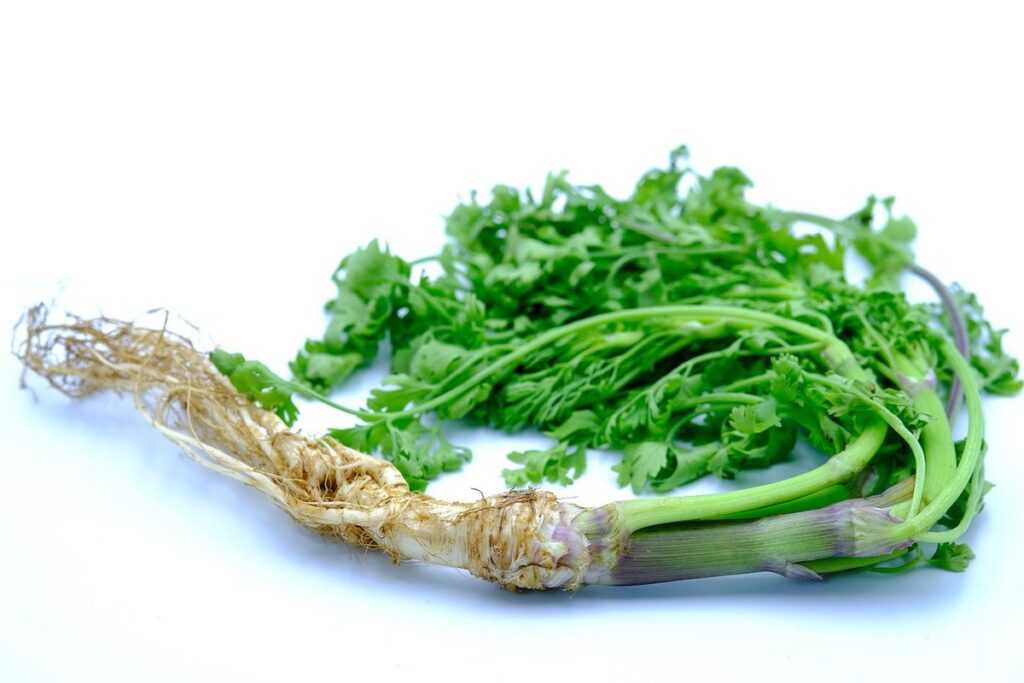
Understanding Cilantro Bolting
So, you’ve noticed your cilantro has started bolting – what’s going on and how can you prevent it from happening again in the future? Let’s dive into the reasons behind this issue.
What is Bolting?
Bolting is a natural process that occurs when cilantro plants send up flower stalks, causing them to go to seed prematurely. This can happen at any stage of the plant’s growth, from early stages to just before harvest. When cilantro bolts, it undergoes significant physical changes that affect its flavor, texture, and overall quality.
As cilantro bolts, the leaves become less flavorful and take on a stronger, more bitter taste. The stems also lengthen, making the plant appear leggy and unappealing. In extreme cases, bolting can lead to the complete loss of the crop, as the energy is redirected from leaf growth to seed production.
Bolting is often triggered by factors such as temperature fluctuations, light exposure, watering habits, and nutrient deficiencies. By understanding these triggers, you can take steps to prevent or manage bolting in your cilantro plants. We’ll explore more about these causes and solutions in the following sections. For now, it’s essential to recognize that bolting is a natural process that can be influenced by various environmental factors, making it a manageable issue with proper care and attention.
Factors Contributing to Bolting
Cilantro is highly susceptible to bolting due to its unique growth habits and sensitivity to environmental conditions. One of the primary factors contributing to bolting is temperature fluctuations. When daytime temperatures rise above 75°F (24°C), cilantro may bolt, especially if it’s exposed to intense sunlight. Conversely, if nighttime temperatures drop below 60°F (16°C), cilantro may also bolt.
Another critical factor is humidity levels. Cilantro prefers well-draining soil and high humidity, but when the air becomes too dry, it can cause the plant to bolt in search of moisture. Nutrient deficiencies are also a significant contributor to bolting. Cilantro requires a balanced diet of nitrogen, phosphorus, and potassium to grow healthily.
In extreme cases, bolting can be triggered by nutrient deficiencies such as low nitrogen levels or an overabundance of potassium. To prevent bolting, ensure your cilantro is receiving adequate water, nutrients, and protection from temperature fluctuations. Use row covers or shade cloth to moderate sunlight exposure, especially during peak summer months. Additionally, monitor soil moisture and adjust watering schedules accordingly. Regular fertilization with a balanced fertilizer can also help maintain healthy growth habits.
Causes of Cilantro Bolting
So, you’re wondering why your cilantro is bolting? In this next part, we’ll explore the common causes behind premature flowering in your herb garden.
Temperature-Related Bolting
Temperature plays a significant role in triggering bolting in cilantro plants. When temperatures rise above 75°F (24°C), especially during the day, it can induce flowering and subsequent bolting. This is because high temperatures signal the plant to focus its energy on producing seeds rather than foliage.
In optimal growing conditions, cilantro thrives in cooler temperatures between 60°F (15°C) and 70°F (21°C). When provided with partial shade, especially during peak sun hours, the risk of bolting decreases. For example, if you’re growing cilantro in a region with intense sunlight, consider providing it with some afternoon shade to prevent overheating.
To manage temperature-related bolting, make sure your cilantro is receiving consistent moisture and maintaining a balanced pH level between 6.0 and 7.0. Avoid over-watering, as this can exacerbate stress on the plant, making it more susceptible to bolting. By controlling temperature fluctuations and providing a favorable growing environment, you can reduce the likelihood of bolting in your cilantro plants.
Light Exposure and Bolting
Light exposure plays a significant role in promoting or inhibiting bolting in cilantro plants. While direct sunlight is essential for photosynthesis, excessive direct sunlight can trigger bolting in cilantro. This is because cilantro has adapted to thrive in partial shade environments, where it can conserve energy and focus on leaf growth rather than flowering.
To manage light exposure, consider using sheer curtains or shades to filter direct sunlight. Alternatively, you can move your cilantro plants to a spot with dappled shade, such as under a tree or a gazebo. If you’re growing indoors, switch from high-intensity LED grow lights to lower-wattage options, which will still provide the necessary light without triggering bolting.
Research suggests that supplemental lighting, especially in the cooler months, can stimulate growth and reduce bolting. For example, using T5 fluorescent lights with a spectrum tailored for leafy greens like cilantro can promote healthy leaf growth while minimizing flowering. By optimizing light exposure, you can create an environment conducive to healthy, non-bolting cilantro plants.
Prevention Strategies
To prevent cilantro from bolting, it’s essential to understand how temperature and light affect its growth. You’ll learn practical tips for cultivating a healthy crop in this next section.
Choosing Bolt-Resistant Varieties
When it comes to preventing bolting in cilantro, one of the most effective strategies is to choose bolt-resistant varieties. These special types of cilantro have been bred to be more resistant to flowering and going to seed, making them a great option for gardeners who struggle with bolting.
Some popular bolt-resistant cilantro varieties include ‘Slow Bolt’ and ‘Pac Choi’. These varieties tend to have a slower growth rate and are less likely to flower prematurely. They also often require cooler temperatures to thrive, which can help slow down the bolting process.
To grow these varieties successfully, be sure to provide them with plenty of moisture and partial shade. Avoid exposing them to extreme heat or stress, as this can trigger bolting. Additionally, consider planting them in containers or raised beds that allow for better drainage and aeration. By choosing bolt-resistant cilantro and providing the right growing conditions, you can enjoy a longer harvest period and reduce your reliance on frequent replanting.
Sowing Cilantro at the Right Time
When it comes to preventing cilantro bolting, timing is everything. Sowing cilantro seeds at the right time can make all the difference between a lush, healthy crop and one that’s prone to bolting.
First, consider your climate and region. In areas with hot summers, spring planting is usually ideal for cilantro, as it allows the plant to mature before the intense heat sets in. For regions with mild winters, fall or winter sowing can be effective. In areas with cool springs, sow cilantro in early spring, about 4-6 weeks before the last frost date.
In general, aim to sow cilantro seeds when daytime temperatures are between 60°F and 70°F (15°C and 21°C). This temperature range allows for optimal germination and growth. In regions with mild winters, you can also sow cilantro in late winter or early spring, about 8-10 weeks before the last frost date.
Remember to check the specific climate and season requirements for your area, as this will give you a more accurate picture of when to plant. By doing so, you’ll be well on your way to growing healthy, bolting-free cilantro.
Managing Bolting After It Happens
If cilantro has already bolted in your garden, don’t worry – we’ve got strategies to help you salvage what’s left and prevent future bolting episodes. This section shares expert advice on post-bolting care and management.
Removing Bolted Stems
When you notice that a bolted stem has formed on your cilantro plant, it’s essential to remove it promptly to prevent further bolting and promote healthy growth. But how do you identify which stems are safe to remove and which will compromise the rest of the plant?
The key is to identify the bolts as they form – typically at the base of the plant or near the soil surface. Look for thin, elongated stems with a smaller diameter than the rest of the plant’s stems. These are usually the culprits responsible for bolting and should be removed.
To remove bolted stems without harming your cilantro plant, use scissors to snip off the bolts about 1-2 inches from the base of the stem. Make sure to disinfect your scissors between cuts to prevent the spread of any potential diseases. You can also gently twist or pinch the bolting stem near the soil line to remove it entirely.
By removing bolted stems regularly, you’ll be able to control the bolting process and encourage your cilantro plant to focus energy on producing fresh leaves rather than seeds.
Promoting Healthy Growth
When cilantro plants bolt, it’s essential to act quickly and take steps to promote healthy growth. By doing so, you can encourage the plant to recover from bolting and produce new leaves instead of seeds.
One effective technique is pruning. Remove the flower stalks as soon as they appear to direct the plant’s energy towards leaf production. Use a pair of scissors or pinch off the buds with your fingers to avoid damaging the stem. This will help prevent the plant from going to seed and encourage it to focus on producing new leaves.
Fertilizing is another crucial step in promoting healthy growth after bolting. Cilantro needs nitrogen, phosphorus, and potassium to recover from stress and produce new growth. Use a balanced fertilizer (10-10-10 NPK) or a high-nitrogen fertilizer to provide the necessary nutrients. Water the plant thoroughly before applying the fertilizer to ensure it gets absorbed evenly.
Keep in mind that cilantro has a short lifespan, typically around 6-8 weeks. By pruning and fertilizing your plant regularly, you can encourage new growth and extend its productive period.
Tips for Growing Cilantro Year-Round
Want to keep your cilantro crop thriving all year round? This section shares expert tips on how to grow cilantro continuously, even in areas with extreme temperatures.
Extending the Harvest Season
One of the most effective ways to extend the harvest season for cilantro is by creating a controlled environment that mimics ideal growing conditions. This can be achieved through the use of greenhouses or indoor growing setups. By doing so, you can regulate temperature, humidity, and light exposure, allowing your cilantro plants to thrive for an extended period.
For example, if you’re growing in a greenhouse, you can maintain a consistent temperature between 60-70°F (15-21°C), which is ideal for cilantro growth. This can be especially beneficial during the peak summer months when outdoor temperatures often soar, causing cilantro to bolt prematurely.
Another benefit of indoor growing setups is the ability to provide supplemental lighting, which can encourage continuous leaf production and prevent bolting. You can also manipulate the day length by using grow lights or LED panels, allowing you to extend the harvest season even further. By utilizing these techniques, you can enjoy a longer cilantro harvest and reduce the frequency of bolting incidents in your herb garden.
Preserving Fresh Cilantro
When you’ve managed to grow a thriving cilantro crop, it’s frustrating to see it bolt and go to seed before you can enjoy its fresh flavor. But even if your cilantro does bolt, there are ways to preserve the leaves and save them for future use.
Storage is one of the simplest methods. Place the fresh cilantro in an airtight container or plastic bag and store it in the refrigerator at 40°F (4°C) or below. You can also wrap the stems in a damp paper towel and place them in a plastic bag to keep the leaves hydrated. Be sure to use the stored cilantro within a week, as its flavor and texture will degrade over time.
Freezing is another effective way to preserve fresh cilantro. Chop the leaves finely and spread them out on a baking sheet lined with parchment paper. Place the sheet in the freezer until the cilantro is frozen solid, then transfer it to an airtight container or freezer bag for long-term storage. You can also make cilantro ice cubes by blending the leaves with water and freezing the mixture in an ice cube tray.
Dehydrating your cilantro is yet another option. You can use a food dehydrator or simply dry the leaves in a low-temperature oven (135°F/57°C). Store the dried cilantro in an airtight container to keep it fresh for up to six months.
Frequently Asked Questions
Can I prevent bolting from happening at all?
No, while you can’t completely prevent cilantro from bolting due to its natural growth cycle, you can implement strategies to delay it and promote healthy growth.
How long does it take for cilantro to bolt after sowing?
The time frame varies depending on factors like temperature, light exposure, and variety. Generally, cilantro bolts within 3-6 weeks of sowing, but some varieties may bolt faster or slower than others.
Can I reuse seeds from a bolting plant?
It’s not recommended to save seeds from a bolting plant as they may inherit the bolting trait. Instead, purchase new seeds or choose bolt-resistant varieties for your next harvest.
What happens if I remove all the bolted stems – will it still prevent future bolting?
Removing bolted stems can help maintain the appearance of your cilantro crop and encourage side growth, but it’s not a foolproof method to prevent future bolting. You should also focus on other prevention strategies like temperature control and variety selection.
Can I grow cilantro in containers to prevent bolting?
Yes, growing cilantro in containers can help you better control the soil temperature and light exposure, making it easier to prevent bolting. Just ensure your container is at least 6-8 inches deep to allow for proper root growth.