
Cicadas may look like harmless insects, but they can be devastating to plant growth and ecosystems. Their unique characteristics, such as massive brood cycles and incredible reproductive output, make them a formidable enemy to plants. In fact, cicada infestations can have far-reaching consequences, impacting not only the environment but also the economy. When cicadas emerge in large numbers, they feed on plant sap, leaving behind scarred leaves and weakened trees that are vulnerable to disease and pests. Understanding the life cycle, population dynamics, and ecosystem balance is crucial for effective management strategies. In this article, we’ll delve into the impact of cicadas on plants and explore ways to mitigate their effects, discussing topics such as mitigation strategies, economic implications, and ecosystem balance.
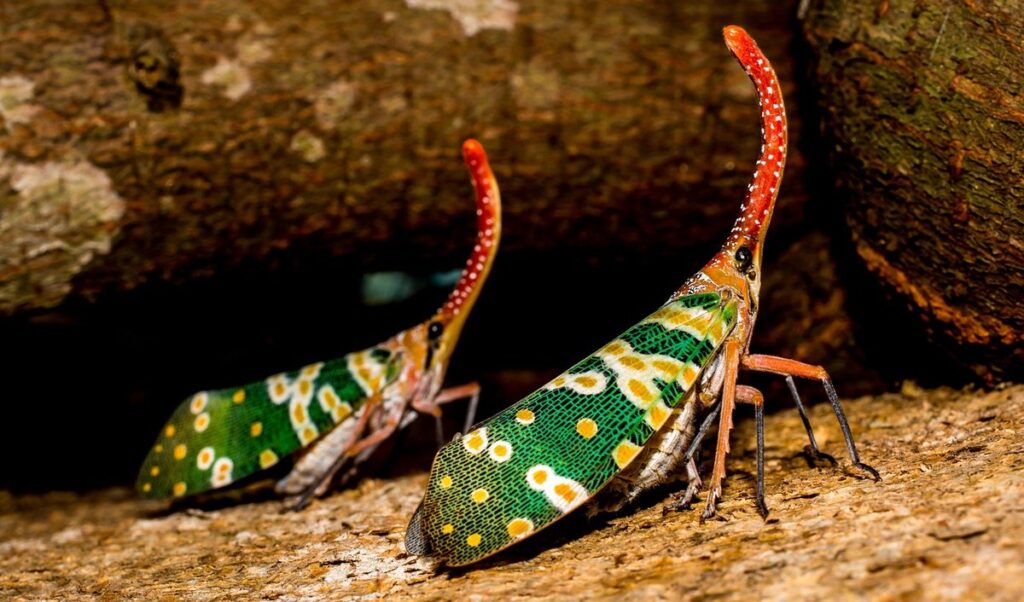
The Cicada’s Unique Characteristics and Life Cycle
Let’s take a closer look at what makes cicadae so uniquely destructive to plant life, from their remarkable life cycle to their distinctive physical characteristics.
Adaptations that Allow Cicadae to Thrive
Cicadae have evolved remarkable physical adaptations that enable them to thrive in various environments. Their large eyes are particularly noteworthy, allowing them to detect even the slightest movements of potential predators from a distance. This is especially important for cicadas, as they spend most of their lives underground, emerging only briefly to mate and lay eggs. The enormous wingspan of some cicada species also serves as a defense mechanism, making it difficult for birds and other predators to snatch them up.
These physical traits are just the beginning of what makes cicadae so resilient. Their unique life cycle also has a profound impact on plant growth and development. Cicadas spend years underground, feeding on roots and weakening plants from within. When they emerge, their massive numbers can cause widespread damage to vegetation, particularly in areas with limited plant species diversity. This can lead to a reduction in plant growth and an increase in competition for resources among remaining plant species. By understanding these adaptations and life cycle characteristics, gardeners and farmers can take steps to mitigate the devastating impact of cicadae on their crops.
The Role of Cicadae in Ecosystem Balance
Cicadae may seem like harmless insects to some, but their impact on local ecosystems is far-reaching and devastating. In fact, their presence can disrupt the delicate balance of food chains and ecosystems as a whole. For instance, when cicadae populations are high, they feed extensively on plants, which can lead to reduced plant growth and an increase in plant stress. This has a ripple effect throughout the ecosystem, impacting various species that rely on those same plants for survival.
One significant consequence of cicadae presence is their influence on nutrient cycling and soil health. As they feed, they excrete waste that can alter soil pH levels and affect microbial activity. While this may seem minor, it can lead to changes in soil composition and structure, which can be detrimental to plant growth and overall ecosystem function.
In the long term, cicadae populations can also contribute to an imbalance in nutrient cycling. By feeding on specific plants, they remove key nutrients from the system, potentially creating shortages for other organisms that rely on those same plants. This has significant implications for ecosystem resilience, as well as the health of individual species. Understanding the role of cicadae in shaping ecosystems is crucial for mitigating their impact and preserving balance within our natural environments.
Plant Defense Mechanisms Against Cicadae Attacks
When cicadas attack, plants have evolved defense mechanisms to protect themselves from these pesky invaders, and we’re going to dive into what those mechanisms look like. From chemical signals to physical barriers, these strategies are fascinating!
Physical Barriers: Leaves, Stems, and Roots
When it comes to defending against cicadae attacks, plants have evolved some remarkable physical barriers that can make it difficult for these insects to cause significant damage. One of the most effective ways plants protect themselves is through structural defenses such as spines, thorns, and hardened leaves. These defensive features serve as a physical barrier between the plant’s vulnerable tissues and the cicadae’s hungry mouthparts.
For instance, some species of cacti have developed sharp spines that deter cicadae from feeding on them. Similarly, certain types of succulents have thick, waxy leaves that are too tough for cicadae to pierce with their proboscis. Even tree species like the black oak (Quercus velutina) have evolved hardened bark that makes it difficult for cicadae to chew through.
Other plants have developed more complex physical defenses, such as the sticky sap of certain milkweed species that traps and deters cicadae from further feeding. These physical barriers are often accompanied by chemical defenses, which we’ll explore in a subsequent section.
Chemical Defenses: Toxins and Volatile Organic Compounds (VOCs)
Plants have evolved sophisticated chemical defense mechanisms to protect themselves from cicadae attacks. Chemical defenses play a crucial role in deterring and killing cicadae, making it essential for plants to produce and regulate these chemicals effectively.
Toxins such as phenolic compounds, alkaloids, and glycosides are produced by plants to repel or kill cicadae. These toxins can be found in various plant parts like leaves, stems, and roots. For example, the tobacco plant produces nicotine, a toxic compound that deters cicadae from feeding on its leaves. Similarly, some species of trees produce terpenes, which are volatile organic compounds (VOCs) that repel cicadae.
The regulation of these chemicals within plant tissues is tightly controlled to ensure their effectiveness against cicadae attacks. Plants have developed complex mechanisms to produce and store these toxins, allowing them to be released quickly in response to cicadae threats. By understanding how plants use chemical defenses, gardeners can explore ways to enhance their own plants’ resistance to cicadae damage by introducing or cultivating toxin-producing plant species nearby.
The Economic and Ecological Consequences of Cicadae Infestations
When cicadae infestations reach critical mass, the ripple effects on ecosystems and economies can be significant. Let’s explore the devastating economic and ecological consequences in more detail.
Crop Damage and Yield Losses
Cicadae infestations can have a devastating impact on agriculture and forestry, resulting in significant crop damage and yield losses. In fact, studies suggest that cicadae outbreaks can reduce crop yields by up to 30% in severely affected areas. This translates to substantial economic losses for farmers and foresters, with estimates suggesting that cicadae infestations can cost the global agricultural industry billions of dollars annually.
Case studies from regions such as Asia, Africa, and Eastern Europe demonstrate the severe impact of cicadae outbreaks on local economies. For example, a 2019 outbreak in China resulted in losses of over $1 billion for soybean farmers alone. In Australia, a 2010 cicadae infestation caused widespread damage to citrus crops, with some growers reporting losses of up to 50%. To mitigate crop damage and improve yield resilience, farmers can implement strategies such as monitoring cicadae populations, using targeted pesticides, and practicing integrated pest management techniques. By taking proactive steps to manage cicadae infestations, growers can reduce the economic impact of these devastating events.
Biodiversity Impacts: Effects on Native Plant Species and Ecosystems
Cicadae infestations have far-reaching consequences that extend beyond the immediate destruction of plant life. The impact on native plant species and ecosystems is particularly concerning, with potential long-term effects on ecosystem services.
The influence of cicadae on native plant species composition and diversity is significant. Cicadae feeding behaviors can lead to a reduction in plant growth rates, altered nutrient cycling patterns, and changes in soil chemistry. These subtle changes can have cascading effects, leading to shifts in the types of plants that thrive in affected areas. For example, a study in North America found that cicadae infestations led to an increase in weed species at the expense of native vegetation.
Changes in ecosystem processes and function are also observed as a result of cicadae populations. Cicadae feeding behaviors can lead to increased decomposition rates, altering nutrient availability for other organisms. This, in turn, can impact pollination services, as plants may struggle to produce sufficient nectar and pollen. Furthermore, the removal of native plant species can disrupt pest control mechanisms, allowing other herbivores to proliferate.
The consequences of cicadae infestations on ecosystem services are multifaceted. Loss of native plant diversity can compromise pollination, reducing crop yields and altering ecosystem function. Additionally, changes in soil chemistry and nutrient cycling patterns can impact microbial communities, further exacerbating the degradation of ecosystem services. By understanding these impacts, we can begin to develop strategies for mitigating the effects of cicadae infestations on ecosystems.
Practically speaking, incorporating native plant species into agricultural landscapes or urban areas can help to buffer against the impacts of cicadae infestations. Additionally, implementing integrated pest management techniques that prioritize non-chemical control methods can help to reduce the reliance on chemical pesticides and minimize the disruption of ecosystem processes. By taking a holistic approach to managing cicadae populations, we can work towards preserving native plant diversity and maintaining ecosystem function.
Cicadae Control Methods: Integrated Pest Management (IPM) Strategies
Effective cicadae control requires a comprehensive approach, and that’s where Integrated Pest Management (IPM) strategies come in – a holistic method to manage infestations. Let’s dive into these crucial techniques together.
Biological Controls: Parasites, Predators, and Pathogens
Biological controls offer a promising solution to mitigate the impact of cicadae on plant life. Parasites, predators, and pathogens are natural agents that regulate cicadae populations, maintaining ecological balance. For instance, certain wasp species lay their eggs inside cicadae nymphs, while others feed on adult cicadas. Fungi and bacteria also play a crucial role in controlling cicadae numbers.
Conservation efforts can enhance the effectiveness of these biological controls by preserving habitats that support parasite and predator populations. This can be achieved through sustainable land-use practices, such as maintaining riparian buffers and restoring native vegetation. For example, research has shown that introducing wasp species to areas with high cicadae infestations can lead to a significant reduction in cicadae numbers.
While biological controls offer benefits, they also pose risks. Introducing non-native species can disrupt local ecosystems, leading to unforeseen consequences. It’s essential to carefully evaluate the potential outcomes and ensure that introduced agents do not harm other beneficial insects or plants.
Chemical Controls: Insecticides and Fungicides
Chemical controls are often considered a quick fix for cicadae infestations, but it’s essential to understand their effectiveness, safety, and environmental impact before resorting to them. Common insecticides used to control cicadae include carbaryl, permethrin, and deltamethrin, which can be applied through spraying or dusting. However, these chemicals can harm beneficial insects, contaminate waterways, and accumulate in soil.
Fungicides, such as chlorothalonil and copper oxychloride, are used to prevent cicadae eggs from hatching by killing the fungus that helps them survive. While they may provide temporary relief, chemical controls often lead to the development of pesticide-resistant cicadae populations, making them less effective over time.
Emerging technologies like neonicotinoids and RNA interference (RNAi) are being explored as alternatives to traditional chemical controls. These methods target specific insect species, reducing non-target harm. As a practical step, gardeners can consider integrated pest management strategies that combine physical barriers, trap crops, and biological control methods with chemical controls in extreme cases. This holistic approach ensures the long-term health of plants while minimizing environmental impact.
Understanding Cicadae Behavior and Ecology for Effective Management
To effectively manage these pesky insects, it’s essential to grasp their behavior and ecology, including how they locate food sources and interact with their environment.
Mating and Emergence Patterns: Insights from Field Studies
Cicadae exhibit complex social behaviors during mating seasons, with males competing for mates through vocalizations and territorial displays. These interactions not only determine the reproductive success of individual cicadas but also influence population dynamics and migration routes. In some species, males will often aggregate at specific locations, creating ‘calling sites’ where they can be heard by potential mates.
These patterns have significant implications for understanding how to manage cicadae populations effectively. For instance, identifying and targeting these calling sites could provide a means of controlling population growth by disrupting mating activities. Furthermore, analyzing the migratory routes taken by cicadae can help predict areas that are likely to experience high infestations, allowing for proactive management strategies.
Understanding these behaviors is crucial in developing targeted control methods that minimize harm to non-target species and ecosystems. By harnessing knowledge of cicadae social behavior, land managers can take a more informed approach to mitigating the devastating impact of these insects on plant life.
Habitat Selection and Plant-Cicada Interactions
Cicadae habitat selection and plant preference play crucial roles in their devastating impact on plant life. Research has shown that cicadae are attracted to plants with high water content, such as young trees and shrubs. This is because the female cicada uses her ovipositor to lay eggs in a suitable location for her offspring’s survival.
When cicadae infest a particular area, they can decimate plant populations by feeding on leaves, stems, and roots. For example, the Asian Cicada Killer Wasp (Tremex nana) has been observed laying its eggs inside cicada nymphs, which then feed on plants as adults. This parasitic relationship demonstrates how cicadae can indirectly impact plant growth and reproduction.
To minimize the damage caused by cicadae, it’s essential to understand their habitat preferences and behavior. By identifying areas with high cicada activity and using integrated pest management strategies, you can reduce the risk of cicadae infestations. This may involve pruning or removing host plants, using physical barriers, or introducing natural predators.
Frequently Asked Questions
Can cicada infestations be prevented entirely?
Cicada infestations can be challenging to prevent, but understanding their life cycle and habitat preferences can help mitigate their impact. Regular monitoring of plants, early detection of emerging adults, and integrated pest management (IPM) strategies can reduce the severity of cicada attacks.
What are some effective physical barriers against cicadas?
Physical barriers such as fine-mesh screens, row covers, or even sticky traps can be used to prevent adult cicadas from reaching plants. These barriers should be installed before cicada emergence and maintained throughout the infestation period.
How do I identify the signs of cicada damage on my plants?
Look for characteristic symptoms like curled or distorted leaves, yellowing or stunted growth, and sap oozing from wounds. Regularly inspect your plants during peak cicada activity to detect these signs early, enabling timely intervention and minimizing damage.
Can I use chemical controls to manage cicada populations?
Yes, insecticides can be effective against cicadas, but their use should be considered a last resort due to potential environmental impacts. Integrated pest management (IPM) strategies often recommend targeted applications of insecticides in combination with other control methods for optimal results.
What are some long-term strategies for managing cicada populations and ecosystem balance?
Ecological restoration practices like maintaining biodiversity, promoting native plant species, and preserving natural habitats can help regulate cicada populations. This approach requires a deep understanding of local ecosystems and the roles that cicadas play within them.