
As we dive into the holiday season, Christmas plants like poinsettias become an integral part of our festive decor. These vibrant flowers have been a beloved tradition for centuries, symbolizing joy, celebration, and the spirit of giving during the most wonderful time of the year. But did you know that poinsettias are more than just a pretty face? Not only do they add a pop of color to your home, but with proper care, they can thrive long after Christmas is over.
In this ultimate guide to poinsettias, we’ll take you on a journey from understanding their significance in Christmas celebrations to expert tips and tricks for keeping them healthy and happy. We’ll also share creative decoration ideas to help you get the most out of your festive blooms. Whether you’re a seasoned gardener or just starting to explore the world of indoor plants, this article is packed with practical advice and inspiration to make your poinsettia shine.
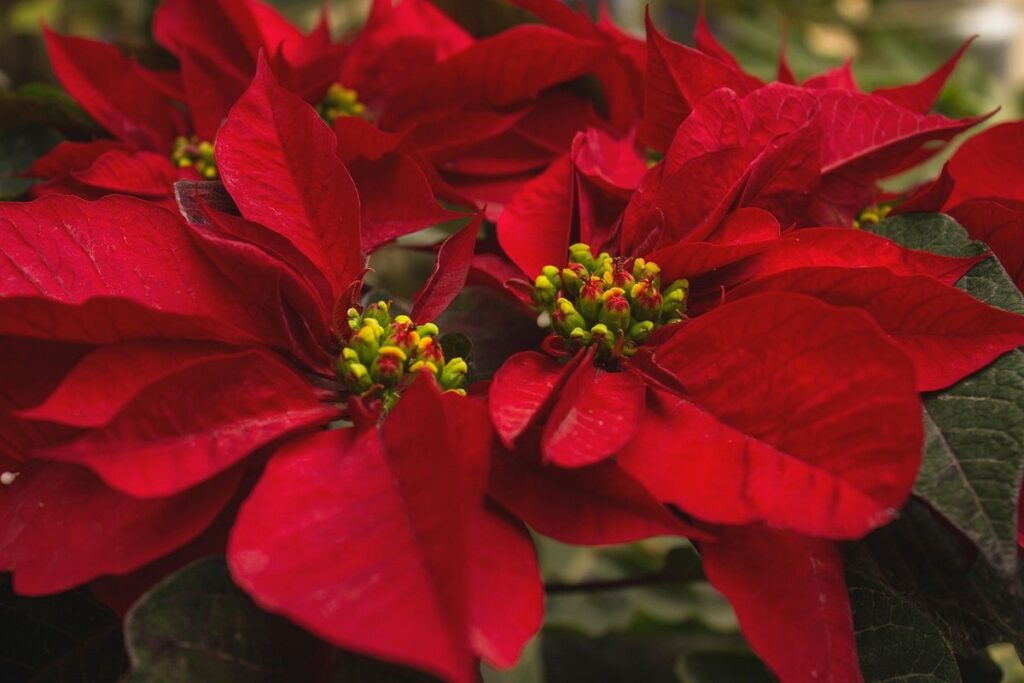
What are Poinsettias and Their Significance in Christmas Celebrations
You might be wondering where poinsettias fit into your holiday decor, so let’s start by exploring what these festive plants are all about. Poinsettias have a rich history and symbolism tied to Christmas celebrations.
History of Poinsettias as a Christmas Plant
Poinsettias have been a staple of Christmas celebrations for centuries, but where did this tradition originate? The story begins in Mexico, where the plant is native. In fact, it’s often referred to as “La Flor de la Nochebuena” or “Flower of the Holy Night.” The Aztecs and Mayans revered the poinsettia for its vibrant red color, which they associated with good fortune and prosperity.
When European colonizers arrived in Mexico, they adopted the plant and brought it back to their homelands. The first recorded mention of poinsettias as a Christmas plant dates back to 1828, when Joel Roberts Poinsett, an American diplomat, introduced them to his friends in South Carolina. He had discovered the plant on one of his travels to Mexico and was enchanted by its festive appearance.
As European immigrants brought their new traditions with them, poinsettias became a popular Christmas decoration throughout the continent. Their association with Christmas only grew stronger over time, cementing their place as a beloved holiday plant in homes around the world.
Symbolism and Meaning Behind Poinsettias at Christmas
Poinsettias have become an integral part of Christmas decorations and celebrations. Beyond their vibrant colors and festive appeal, these plants hold significant symbolic meanings that add depth to the holiday season.
For many people, poinsettias represent good cheer and joy. They’re often associated with the warmth and love that come with sharing the holidays with family and friends. In fact, a study conducted by the Society of American Florists found that 57% of consumers believe that flowers, including poinsettias, evoke feelings of happiness and celebration.
Poinsettias also symbolize celebration, which is perhaps why they’re a staple in many Christmas decorations. Their bright red and green colors represent abundance, prosperity, and new beginnings – all themes closely tied to the holiday season. In Mexican culture, where poinsettias originated, these plants are believed to bring good luck and ward off evil spirits.
When choosing poinsettias for your home, consider their symbolic meanings as you arrange them throughout your space. Place a few in areas where family members tend to gather, such as the living room or dining area, to foster feelings of warmth and joy.
Types of Poinsettias: Varieties and Characteristics
Poinsettias come in a stunning array of varieties, each with its own unique characteristics that set it apart from others. From classic red to vibrant pink and white, you’ll discover them all here.
Popular Poinsettia Varieties for Holiday Decorating
If you’re looking to add some festive flair to your holiday decor with poinsettias, there are numerous varieties to choose from that cater to different tastes and styles. One popular option is the ‘Freedom’ poinsettia, known for its vibrant red color and compact growth habit, making it perfect for small spaces.
For those who prefer a more subtle look, consider the ‘Winter Rose’ variety, which boasts delicate pink or white hues and a more relaxed growth pattern. The ‘Jingle Bells’ poinsettia is another crowd-pleaser, featuring bright red bracts with intricate patterns and a bushy growth habit that’s sure to add visual interest.
Some popular varieties also come in a range of colors beyond the traditional red, such as ‘Ice Punch’, which has pink-tipped leaves and white bracts, or ‘Royal Red’ for a more dramatic look. When choosing your poinsettia variety, consider factors like space constraints, color scheme, and personal style to find the perfect fit for your holiday decor.
Keep in mind that some varieties may require more maintenance than others, so be sure to research the specific needs of your chosen variety to ensure it thrives throughout the season.
Rare or Unusual Poinsettia Varieties to Consider
If you’re looking for something beyond the classic red poinsettia, there are several rare and unusual varieties to consider. One such variety is the ‘Jingle Bells’ poinsettia, which features white petals with pink edges, giving it a unique festive look. For those who want a more subtle take on the traditional Christmas color scheme, ‘Cortez Burgundy’ is an excellent choice – its deep burgundy leaves and vibrant red bracts create a sophisticated contrast.
Another variety to explore is the ‘Winter Rose’ poinsettia, which boasts delicate pink petals with a rose-petal-like appearance. If you’re aiming for something truly unique, consider the ‘Plum Pudding’ or ‘Royal Purple’, both of which exhibit deep plum and purple hues respectively. When it comes to cultivating these varieties, keep in mind that they may require slightly different care than traditional poinsettias. For instance, ‘Jingle Bells’ might benefit from more direct sunlight.
To ensure optimal growth and blooming, be sure to provide each variety with the right conditions – research specific needs for your chosen poinsettia variety before bringing it home.
How to Care for Poinsettias: Tips for Optimal Growth
To ensure your poinsettia plant stays healthy and thriving throughout the holiday season, follow these simple care tips that will guarantee optimal growth. With proper care, you’ll be able to enjoy your beautiful plant for years to come.
Watering and Humidity Requirements for Healthy Poinsettias
Watering poinsettia plants requires careful attention to prevent root rot and ensure healthy growth. Overwatering is a common mistake that can be detrimental to these plants, as their roots are sensitive to moisture. Allow the top inch of soil to dry out between waterings, and reduce watering frequency during winter months when the plant is dormant.
Maintaining optimal humidity levels is also crucial for poinsettia care. These plants thrive in environments with a relative humidity of 50-60%, but can adapt to average household conditions. To achieve ideal humidity levels, you can place the pot on a tray filled with water and pebbles or use a humidifier nearby.
Keep in mind that poinsettias prefer well-draining soil to prevent root rot, so avoid letting the plant sit in waterlogged soil for extended periods. Monitor your plant’s response to watering and adjust your schedule accordingly.
Lighting and Temperature Conditions for Poinsettias
To encourage optimal growth, poinsettia plants require specific lighting and temperature conditions. Ideally, they should be placed in bright, indirect light, but not directly under a sunny window. Direct sunlight can cause the leaves to become scorched and discolored, which can negatively impact the plant’s overall health.
For this reason, east- or west-facing windows are ideal locations for poinsettias, as they provide gentle, filtered light throughout the day. If you don’t have access to a suitable window, consider using grow lights to supplement the natural light in your space.
Temperature is also crucial for poinsettia growth. They thrive in temperatures between 65°F and 70°F (18°C and 21°C), which is ideal for most home environments during the winter months. Avoid placing poinsettias near heating vents or drafty areas, as sudden temperature fluctuations can shock the plant.
By providing your poinsettia with bright, indirect light and maintaining a consistent temperature between 65°F and 70°F (18°C and 21°C), you’ll be well on your way to enjoying vibrant, healthy plants throughout the holiday season.
Poinsettia Care After Christmas: Tips for Keeping Them Alive Longer
Now that you’ve enjoyed your festive poinsettias all holiday season, let’s focus on how to keep them thriving well into the new year. We’ll share expert tips for their continued care and survival.
How to Prune and Maintain Poinsettias Post-Christmas
Pruning and maintaining poinsettias after the holiday season can be a bit tricky, but with the right guidance, you’ll be able to keep them thriving for months to come. When it’s time to take down your poinsettia display, carefully remove any excessive foliage that’s no longer needed, such as dead or damaged leaves. This will help prevent the spread of disease and encourage healthy growth.
Next, inspect the plant’s roots by gently removing it from its pot. If the roots have grown beyond the container, consider repotting your poinsettia into a slightly larger one with good drainage holes. Use a high-quality potting mix and avoid overwatering, as this can cause root rot.
After repotting, trim back the plant to about six inches from the top to encourage new growth. This is also an excellent opportunity to prune any leggy stems or branches that may have developed during the holiday season. To promote bushy growth and prevent your poinsettia from becoming too leggy, pinch off any buds that appear on the tips of the stems.
With proper care and maintenance, your poinsettia should continue to thrive throughout the year, producing new flowers and foliage in time for next Christmas.
Extending the Life of Your Poinsettia: Additional Tips and Tricks
To keep your poinsettia thriving long after the holiday season is over, it’s essential to provide the necessary care and attention. One crucial aspect of this is fertilization. After Christmas, transfer your poinsettia to a larger pot with well-draining soil, and start fertilizing regularly. A balanced fertilizer (10-10-10 NPK) will help promote new growth and encourage the plant to produce vibrant colors.
In addition to fertilization, make sure your poinsettia is receiving sufficient light. Most poinsettias thrive in bright, indirect light but can tolerate some direct sunlight. However, be cautious not to place it too close to a window, as this may cause scorching or leaf drop.
Regular pruning and repotting are also vital for maintaining the health of your poinsettia. Remove any dead or dying leaves to prevent the spread of disease, and repot the plant every 2-3 years to refresh the soil and provide a larger root system.
Keep in mind that even with proper care, poinsettias typically drop their colorful bracts within a few weeks after Christmas. Don’t worry! This is a natural process, and your poinsettia will focus its energy on producing new growth and blooms for next year’s holiday season.
Using Poinsettias in Decorations and Arrangements
Now that we’ve covered how to care for your poinsettia, let’s get creative with using it as a beautiful decoration in your home. We’ll explore some stunning ways to display and arrange your plant.
Creative Ways to Display Poinsettias in Your Home
If you’re looking for ways to display poinsettias beyond the traditional vase arrangement, there are many creative options to consider. For a modern and sleek look, try placing a poinsettia on a console table or entryway console surrounded by candles and evergreen branches. This adds a pop of color and creates a warm welcome for guests.
You can also use a mercury glass vase to add an elegant touch to your display. Fill the bottom of the vase with decorative rocks or marbles, then place the poinsettia in the center. This adds depth and visual interest to the arrangement. Alternatively, consider using a vintage planter or an antique urn to give your poinsettia a unique and eclectic look.
For a more whimsical approach, try creating a festive holiday garland by threading poinsettia leaves and flowers onto a string of fairy lights or twine. Hang it in a window or along a staircase for a playful touch. Whatever display style you choose, make sure to keep the arrangement simple and uncluttered to allow the beauty of the poinsettia to shine through.
DIY Poinsettia Centerpieces and Wreaths for a Festive Touch
Creating a festive touch for your home during the holiday season is easier than you think. With some creativity and basic crafting skills, you can create stunning poinsettia centerpieces and wreaths that will add a pop of color to your decor. To make a beautiful centerpiece, start by selecting a few large poinsettia plants with vibrant red leaves. Arrange them in a decorative vase or container, filling the gaps between the plants with some greenery like eucalyptus or ferns.
For a wreath, you’ll need a wire or foam base to shape your design around. Begin by attaching a few sprigs of poinsettia branches to the base using floral wire. Then, add some evergreen branches and decorative elements like pinecones, berries, or ribbons to create depth and texture.
Remember, the key to creating unique centerpieces and wreaths is to experiment with different shapes, colors, and textures. Don’t be afraid to get creative and make mistakes – it’s all part of the fun!
Common Poinsettia Care Mistakes to Avoid This Holiday Season
To keep your poinsettias thriving, it’s essential to steer clear of common care mistakes that can lead to wilting, droopy leaves, and even plant death. Let’s take a closer look at what to avoid this holiday season.
Recognizing Signs of Overwatering or Underwatering in Poinsettias
When it comes to caring for your poinsettia plants, overwatering and underwatering are two common mistakes that can be detrimental to their health. To avoid these issues, it’s essential to recognize the signs of distress early on.
Overwatering can cause the leaves to turn yellow or brown and drop off, while underwatering may lead to wilted or crispy foliage. Look for droopy stems or a soft, mushy texture in the soil, which are indicators that your poinsettia needs less water. Conversely, if the plant’s color is dull and its leaves are dry and brittle, it may be experiencing underwatering.
Check the soil moisture by sticking your finger into the soil up to the first knuckle; if it feels wet, wait a few more days before watering again. Monitor your poinsettia’s behavior closely, adjusting its care accordingly. With attention to these subtle signs, you can ensure your plant thrives throughout the holiday season and maintains its vibrant color and health. Regularly inspecting your poinsettia will help you identify any issues promptly, allowing for timely correction.
Other Potential Poinsettia Problems and Their Solutions
While poinsettias are generally low-maintenance plants, they can still be susceptible to certain issues if not cared for properly. One common problem is root rot, which occurs when the plant sits in waterlogged soil for too long. To prevent this, make sure to only water your poinsettia when the top inch of soil feels dry to the touch, and avoid getting water on the leaves or crown.
Another issue that may arise is pests, such as mealybugs, spider mites, or scale. Check your plant regularly for signs of infestation, and treat any problems promptly with insecticidal soap or neem oil. Keep in mind that poinsettias are more susceptible to pests when kept indoors, so it’s essential to provide adequate ventilation.
Additionally, poinsettias can be sensitive to extreme temperatures, which can cause wilting or discoloration. To prevent this, keep your plant away from drafty windows, radiators, and air conditioning vents. If you notice any of these problems arising, don’t panic – simply adjust your care routine accordingly and take steps to rectify the issue.
It’s also worth noting that poinsettias can be sensitive to chemical contamination in tap water, which can cause leaf drop or stunted growth. To avoid this, use filtered water or let it sit for 24 hours before watering. By being aware of these potential issues and taking preventative measures, you can enjoy a healthy and thriving poinsettia throughout the holiday season.
Frequently Asked Questions
Can I use my poinsettia as a centerpiece for the entire holiday season, or will it start to wilt?
You can definitely use your poinsettia as a centerpiece throughout the holiday season. With proper care and maintenance, it should remain vibrant and healthy-looking for several weeks. However, keep an eye out for signs of fatigue, such as droopy leaves or fading colors. Trim back any dying leaves or flowers to encourage new growth and prevent the spread of disease.
How do I prevent my poinsettia from becoming a breeding ground for pests?
To prevent pest infestations, inspect your poinsettia regularly for signs of aphids, mealybugs, or spider mites. Check the undersides of leaves and stems, as well as any areas with high humidity. If you notice any pests, treat them immediately with insecticidal soap or neem oil. Maintaining good air circulation around your plant can also help prevent pest issues.
What’s the best way to repot my poinsettia after the holiday season?
When repotting your poinsettia, choose a pot that is only slightly larger than its current one. This will help prevent root rot and ensure healthy growth in its new home. Use a well-draining potting mix and water thoroughly after planting. Place your repotted poinsettia in a bright, indirectly lit area with temperatures between 60-70°F (15-21°C) to encourage new growth.
Can I propagate my own poinsettias from cuttings or seeds?
Yes, you can propagate poinsettias from stem cuttings or leaves. Take 3-4 inch stem cuttings in the spring, removing lower leaves and placing them in a rooting hormone solution. Roots should develop within 2-3 weeks. Alternatively, sow poinsettia seeds indoors 6-8 weeks before the last frost date, using a seed starting mix and maintaining temperatures around 70°F (21°C).
How do I prevent my poinsettias from getting too leggy or sparse?
To promote bushy growth and prevent legginess, pinch off tips of stems regularly to encourage branching. This will also help maintain the plant’s compact shape and encourage more flowers to form. You can also prune back any leggy stems by about one-third to encourage new growth and improve overall plant health.