
If you’re like many Christmas cactus enthusiasts, you want to keep your beloved plant happy and thriving throughout the holiday season. But did you know that proper fertilization is key to promoting healthy growth and vibrant blooms? Unfortunately, even experienced gardeners can make mistakes when it comes to feeding their Christmas cacti.
In this comprehensive guide, we’ll walk you through everything you need to know about fertilizing your Christmas cactus, including its unique nutrient needs and how to choose the right fertilizer. We’ll also cover common mistakes to avoid and provide practical tips for getting the most out of your plant’s growth cycle. Whether you’re a seasoned pro or just starting out with this beautiful and low-maintenance houseplant, our expert advice will help you ensure your Christmas cactus stays healthy, happy, and blooming beautifully year after year.
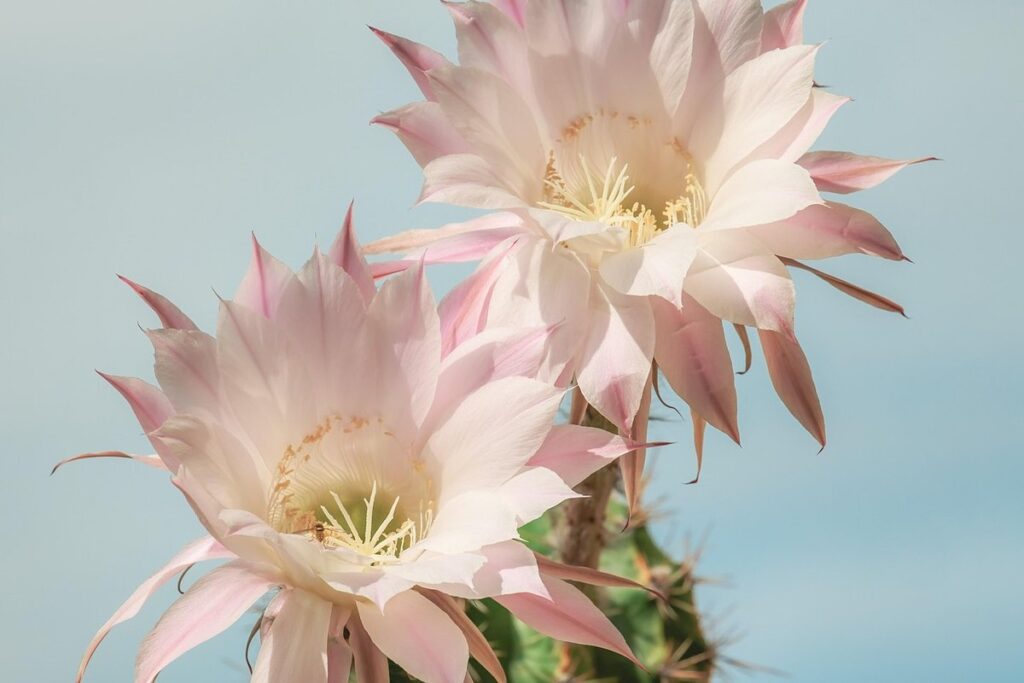
Understanding Your Christmas Cactus’ Nutritional Needs
To ensure your Christmas cactus receives the right nutrients, let’s break down its specific dietary needs and how to balance them effectively.
What Makes Christmas Cacti Special
Christmas cacti have several unique characteristics that set them apart from other plants. Native to the Americas, specifically in regions with mild winters and hot summers such as Mexico and Brazil, these plants have adapted to their environments in impressive ways. One of their most notable features is their ability to bloom around the holiday season, making them a popular choice for indoor gardening.
Their native habitats are characterized by periods of drought followed by brief but intense rainfall, which has led to the development of specialized roots that can store water during dry spells. This adaptation allows Christmas cacti to thrive in environments with limited water availability. Their stems and leaves are also covered in thick, waxy coatings that help prevent water loss through transpiration.
As a result of these adaptations, Christmas cacti require fertilization that takes into account their unique needs. When choosing a fertilizer for your Christmas cactus, look for products that contain balanced nutrients with a focus on promoting healthy root growth and preventing over-watering.
Identifying Nutrient Deficiencies
Identifying nutrient deficiencies in Christmas cacti is crucial to prevent damage and promote healthy growth. One of the most common signs of a deficiency is yellowing leaves. If you notice that some or all of your Christmas cactus’ leaves are turning yellow, it could be due to a lack of nitrogen, iron, magnesium, or manganese. Nitrogen deficiency can cause pale or yellowish leaves, while iron and magnesium deficiencies often result in yellow or white spots on the leaves.
To identify stunted growth, look for new segments that haven’t grown as long as they should. This could indicate a shortage of phosphorus, which is essential for root development and flower production. Manganese deficiency can also cause stunted growth, especially if your Christmas cactus isn’t receiving enough manganese-rich water.
Keep an eye out for these symptoms to catch any potential nutrient deficiencies early on. If you suspect that your Christmas cactus has a nutrient imbalance, consider repotting it with fresh fertilizer specifically formulated for cacti and succulents. Regular fertilization can help prevent nutrient deficiencies from arising in the first place.
Choosing the Right Fertilizer for Your Christmas Cactus
When selecting a fertilizer for your Christmas cactus, it’s essential to consider the plant’s specific needs and growth stage to ensure optimal results. This section will walk you through the key factors to keep in mind.
Organic vs. Synthetic Fertilizers
When it comes to choosing between organic and synthetic fertilizers for your Christmas cactus, understanding their benefits and drawbacks is crucial. Organic fertilizers are made from natural materials such as bone meal, fish emulsion, and compost. These products promote healthy soil biota and gradually release nutrients, preventing over-fertilization.
Synthetic fertilizers, on the other hand, contain concentrated salts of nitrogen, phosphorus, and potassium (N-P-K). While they can provide an instant boost to your plant’s growth, excessive use can lead to nutrient burn. Synthetic fertilizers also tend to degrade soil quality over time by disrupting its pH balance and microbe populations.
For Christmas cacti, which prefer well-draining potting mix and moderate watering, organic fertilizers are often a better choice. They promote balanced nutrient uptake and don’t risk burning your plant’s roots. If you still want to use synthetic fertilizers, start with small amounts (about half the recommended dosage) and monitor your plant’s response closely.
When selecting an organic fertilizer for your Christmas cactus, look for products that are specifically labeled as “slow-release” or “water-soluble.” These options will provide a more steady supply of nutrients to your plant.
Balanced Fertilizers for Holiday Plants
When it comes to fertilizing your holiday plants, especially Christmas cacti, choosing the right fertilizer can be overwhelming. One crucial aspect of selecting a suitable fertilizer is understanding what balanced fertilizers are and why they’re essential for healthy plant growth.
A balanced fertilizer typically contains an equal ratio of nitrogen (N), phosphorus (P), and potassium (K) – often represented by a three-digit number on the label, such as 20-20-20. This means that 20% of the fertilizer is nitrogen, 20% is phosphorus, and 20% is potassium. When choosing a balanced fertilizer for your Christmas cactus, look for these numbers to ensure you’re getting an even blend of nutrients.
To make informed decisions about fertilizers, read labels carefully. Pay attention not only to the N-P-K ratio but also to other essential components like micronutrients and pH levels. Some fertilizers may have added features such as moisture retention or pest control.
How to Fertilize Your Christmas Cactus (Tips and Tricks)
When fertilizing your Christmas cactus, it’s essential to know when to feed, how much to use, and what type of fertilizer is best suited for this unique plant. Let’s dive into some valuable tips to get it right!
Timing is Everything
Fertilizing your Christmas cactus at the right time is crucial to ensure its optimal growth and flowering. You see, these plants have distinct cycles that require specific care, especially when it comes to feeding them.
Before flowering, typically around 4-6 weeks after repotting or once new growth appears, is an ideal time to fertilize your Christmas cactus. This initial boost provides the necessary nutrients for the plant’s development and prepares it for its main show – the stunning blooms that bring joy during the holiday season.
After flowering, you can resume regular fertilization. However, be cautious not to over-fertilize as this may lead to weak or sparse blooming in subsequent seasons. A general rule of thumb is to reduce fertilizer application by half during the winter months when your cactus is dormant.
By following these guidelines and timing your fertilization accordingly, you’ll set your Christmas cactus up for a healthy, vibrant growth cycle – just what it needs to thrive throughout the year.
Watering and Fertilizing: A Delicate Balance
Watering and fertilizing your Christmas cactus is a delicate balance that’s easy to get wrong. On one hand, under-fertilizing can lead to weak and spindly growth, while over-fertilizing can cause more harm than good. A common mistake gardeners make is fertilizing too frequently, thinking that more is better. But the reality is, most Christmas cacti don’t need fertilizer every week.
In fact, over-fertilization can burn your plant’s roots and damage its delicate tissues. To avoid this, it’s essential to follow a balanced fertilization schedule. Feed your Christmas cactus with a high-quality fertilizer during the growing season (spring and summer), but skip fertilizing during the dormant period (fall and winter). A general rule of thumb is to fertilize once every 4-6 weeks during the growing season.
Remember, it’s better to err on the side of caution. If you’re unsure about when or how often to fertilize your Christmas cactus, start with a small dose and gradually increase as needed. Keep an eye out for signs of over-fertilization, such as yellowing leaves or stunted growth.
Fertilizer Options for Indoor and Outdoor Christmas Cacti
If you’re wondering which fertilizer is best for your indoor or outdoor Christmas cactus, we’ve got you covered with some top picks and expert advice.
Soil-Based Fertilizers vs. Liquid Fertilizers
When it comes to choosing the right fertilizer for your Christmas cactus, you’re likely faced with two main options: soil-based fertilizers and liquid fertilizers. Both have their benefits, and the best choice for you will depend on your specific plant care needs.
Soil-based fertilizers are a popular choice for indoor and outdoor Christmas cacti because they release nutrients slowly as the plant absorbs water, reducing the risk of over-fertilization. This type of fertilizer is ideal for Christmas cacti that prefer to dry out slightly between waterings, as it provides a steady supply of nutrients without burning the roots. Some popular soil-based fertilizers include Miracle-Gro Shake ‘n Feed and Espoma Organic Bloom! Tomato Tone.
On the other hand, liquid fertilizers offer a more rapid uptake of nutrients by the plant, making them ideal for plants that require frequent watering or have high nutrient demands. Liquid fertilizers are also easier to apply, as they can be mixed with water according to the label instructions. However, be careful not to over-fertilize with liquid fertilizers, as this can damage your Christmas cactus’s roots and leaves.
Ultimately, the choice between soil-based and liquid fertilizers comes down to your personal preference and the specific needs of your Christmas cactus. If you’re unsure which type is best for your plant, start by experimenting with a small amount of each to see how it responds.
Eco-Friendly Fertilizer Options
When it comes to fertilizing your Christmas cactus, you may be wondering about eco-friendly options that are gentle on the environment and still promote healthy growth. One excellent choice is compost tea – a liquid solution made by steeping compost in water. This method allows for the release of beneficial microorganisms that help break down nutrients, making them available to your plant.
To make compost tea, simply place a small amount of compost in a mesh bag and steep it in a bucket of water for 24 hours. You can then strain the liquid and use it as a fertilizer once a month. This approach not only reduces waste but also encourages the growth of beneficial microbes in the soil. Another option is fish emulsion, a liquid fertilizer made from the remains of small fish.
When using fish emulsion, be sure to dilute it according to the package instructions – over-fertilizing can harm your plant. Both compost tea and fish emulsion are excellent choices for those looking to minimize their environmental impact while still providing their Christmas cactus with the nutrients it needs.
The Impact of pH Levels on Your Christmas Cactus’ Nutrition
Understanding your Christmas cactus’ nutritional needs means considering its optimal pH range, which affects nutrient absorption and overall plant health. Let’s explore how to achieve this delicate balance.
Understanding Soil pH Levels
When it comes to providing your Christmas cactus with the right nutrients, understanding soil pH levels is crucial. Soil pH level refers to the measure of its acidity or alkalinity, ranging from 0-14 on the pH scale. A pH level between 6.0 and 7.0 is considered neutral, while levels below 6.0 are acidic and above 7.0 are alkaline.
To determine your Christmas cactus’ soil pH level, you can purchase a soil testing kit or send a sample to a lab for analysis. You can also observe your plant’s behavior; if it’s struggling with yellowing leaves or slow growth, it may be an indication that the soil is too acidic or alkaline.
Maintaining optimal pH levels in the soil ensures that your Christmas cactus absorbs essential nutrients from its fertilizer effectively. For example, a soil pH of 6.5 will allow for better absorption of calcium and magnesium, which are vital for healthy plant growth.
To adjust the pH level if necessary, you can mix in organic matter like peat moss or perlite into the soil to acidify it or lime to raise its alkalinity. Regularly checking and adjusting your Christmas cactus’ soil pH levels will ensure it receives the nutrients it needs to thrive.
Adjusting pH Levels with Fertilizers
When using fertilizers to feed your Christmas cactus, it’s essential to consider their impact on soil pH levels. Most fertilizers have a pH level that can affect the acidity or alkalinity of the soil, which may not be suitable for your plant.
Some fertilizers tend to acidify the soil, while others have an alkalizing effect. Balanced fertilizers, like 20-20-20 (nitrogen-phosphorus-potassium), usually have a neutral pH level around 7. However, some specialized fertilizers might have a pH level as low as 4 or as high as 9.
To adjust your soil’s pH levels safely when using fertilizers, it’s crucial to monitor and test the soil regularly. A pH meter can help you determine if the fertilizer is having an intended effect on the soil’s pH. Start by applying half the recommended amount of fertilizer and observe how your Christmas cactus responds.
Common Mistakes to Avoid When Fertilizing Your Christmas Cactus
When fertilizing your Christmas cactus, it’s easy to make mistakes that can harm the plant. Make sure you steer clear of these common errors and keep your cactus thriving all season long!
Over-Fertilization: A Growing Concern
Over-fertilizing is one of the most common mistakes home gardeners make when caring for their Christmas cacti. This error can have serious consequences, including damage to the plant’s delicate roots and harm to its overall health.
Symptoms of over-fertilization may not be immediately apparent but can include yellowing leaves, a lack of flowering, or even a decline in root growth. If you notice any of these signs, it’s essential to act quickly to prevent further damage. To address the issue, start by stopping all fertilization for a few months. This will give your plant time to recover and allow its roots to repair themselves.
To avoid over-fertilizing in the first place, use a balanced, water-soluble fertilizer specifically formulated for cacti and succulents. Follow the recommended application instructions carefully, as excessive amounts can cause more harm than good. A general rule of thumb is to fertilize your Christmas cactus during the growing season (spring and summer) once a month, but skip fertilizing in the fall and winter when growth is minimal. By being mindful of these guidelines and regularly monitoring your plant’s health, you can enjoy vibrant blooms and a thriving Christmas cactus year-round.
Under-Fertilization: What’s at Stake
Under-fertilizing your Christmas cactus can have devastating effects on its growth and flowering. One of the most significant risks is stunted growth. When your plant isn’t receiving enough nutrients, it will struggle to produce new cells and tissues, leading to slow or stagnant growth. This can make your cactus look leggy, with long stems and sparse leaves.
Reduced flowering is another consequence of under-fertilization. Christmas cacti thrive when provided with a balanced diet of essential nutrients. Without sufficient fertilization, they may produce fewer flowers, or no flowers at all. In severe cases, this can even lead to the plant going dormant, resulting in a lack of new growth and reduced chances of re-flowering.
To avoid these issues, make sure to fertilize your Christmas cactus regularly during the growing season (spring and summer). Use a balanced, water-soluble fertilizer (20-20-20) at half the recommended strength. This will provide your plant with essential nutrients without causing damage or burning its roots. Regular fertilization will promote healthy growth and encourage blooming, ensuring your Christmas cactus remains vibrant and beautiful throughout the year.
Conclusion: Caring for Your Christmas Cactus with Confidence
Now that you’ve mastered the art of fertilizing your Christmas cactus, let’s explore how to care for it with confidence and keep it thriving all year round.
Recap Key Takeaways
As we conclude our comprehensive guide to Christmas cactus fertilizer, let’s recap the essential points to ensure you’re well-equipped to care for your plant with confidence. By now, you should have a solid understanding of the types of fertilizers available and their benefits.
You’ve learned that balanced fertilizers (10-10-10) are ideal for promoting overall growth, while bloom-enhancing fertilizers (15-30-15) can help your cactus produce vibrant flowers. We also discussed the importance of diluting fertilizer to prevent burning your plant’s roots.
To apply these key takeaways in practice, remember to fertilize your Christmas cactus during its active growing season (spring and summer). Dilute the recommended amount by half and water your plant thoroughly after application to prevent over-fertilization. If you’re unsure about your plant’s specific needs or have questions about fertilizer types, consult with a local nursery or gardening expert for personalized advice.
By following these simple guidelines and staying informed about your Christmas cactus’ unique requirements, you’ll be well on your way to becoming a confident and capable plant parent.
Encouragement to Keep Learning
As you’ve learned about the intricacies of fertilizing your Christmas cactus, it’s essential to recognize that caring for these plants is a journey rather than a destination. It’s not just about applying the right fertilizer at the right time; it’s also about understanding their unique needs and adapting to their specific requirements.
By now, you’ve likely realized how crucial nutrient balance is in promoting healthy growth and vibrant blooms. However, Christmas cacti have distinct preferences when it comes to pH levels, water intake, and even temperature fluctuations. To keep your plant thriving, stay attuned to its subtle cues and make adjustments accordingly.
Don’t be discouraged if you encounter setbacks or realize that your initial approach wasn’t entirely effective. Instead, view these experiences as opportunities for growth – both for yourself and your plant. Continuously seek out reliable sources of information, consult with fellow gardening enthusiasts, and experiment with new techniques to refine your care routine. With patience, persistence, and an open mind, you’ll develop a deep understanding of what makes your Christmas cactus tick.
Frequently Asked Questions
How often should I fertilize my Christmas cactus during the active growing season?
You can fertilize your Christmas cactus every 2-3 weeks during the active growing season, which typically spans from spring to fall. However, be sure to adjust the frequency and amount of fertilizer according to the specific needs of your plant.
Can I use a balanced fertilizer for my Christmas cactus that also contains micronutrients?
Yes, using a balanced fertilizer that includes essential micronutrients can provide your Christmas cactus with a broad spectrum of nutrients. Look for fertilizers labeled as “balanced” or “complete” and follow the recommended application instructions to avoid over-fertilization.
How do I know if my Christmas cactus is getting too much or too little fertilizer?
Monitor your plant’s growth and adjust the fertilizer accordingly. If you notice yellowing leaves, stunted growth, or a lack of blooms, it may be a sign that your plant needs more fertilizer. Conversely, if your plant is growing rapidly or showing signs of over-fertilization, reduce the frequency or amount of application.
Can I use organic fertilizers for my Christmas cactus?
Yes, organic fertilizers can be an excellent option for feeding your Christmas cactus. Look for natural ingredients like fish emulsion, bone meal, or compost tea, which provide essential nutrients without synthetic additives.
What should I do if I forget to fertilize my Christmas cactus for a few months?
Don’t worry! If you’ve missed a fertilizer cycle or two, simply resume the recommended application schedule. However, keep an eye on your plant’s response and adjust as needed. It may take some time for your Christmas cactus to recover from prolonged nutrient deprivation.