
Christmas cacti are a beloved holiday tradition for many, but did you know that they can be susceptible to various diseases? As a proud owner of one (or more!) of these beautiful plants, it’s essential to know how to prevent and treat common Christmas cactus diseases. From fungal infections like root rot to bacterial diseases such as soft rot, and even viral infections like leaf drop, understanding the causes, symptoms, and treatment options is crucial to keeping your plant healthy and thriving. In this article, we’ll delve into the world of Christmas cactus diseases, exploring the most common types, their causes, and how you can prevent them from taking over your holiday cheer. By the end of this article, you’ll be equipped with the knowledge to keep your Christmas cacti happy and healthy all year round!
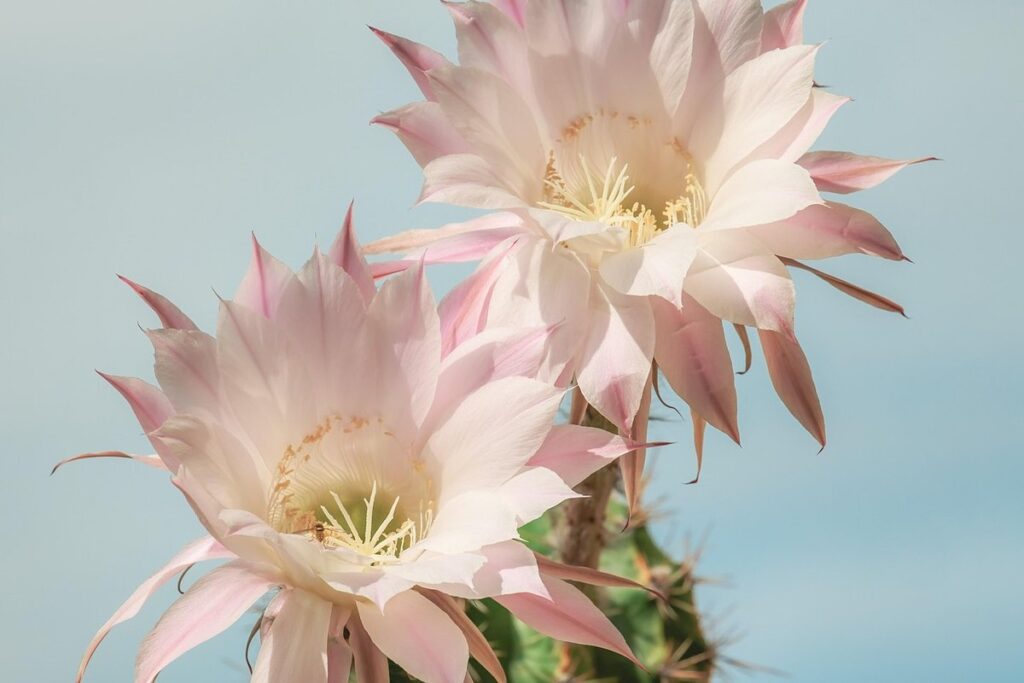
Common Christmas Cactus Problems
If you’re struggling to keep your Christmas cactus happy and healthy, you’ve likely encountered one of these common problems that can be easily fixed with the right care. Don’t worry, we’ll walk you through the most common issues.
Overwatering: The Leading Cause of Root Rot
Overwatering is by far the most common cause of root rot in Christmas cacti. When you water your plant too frequently, the roots can’t breathe and start to rot from the inside out. This can lead to a host of problems, including yellowing leaves, soft spots on the stems, and a general decline in overall health.
If left unchecked, root rot can be fatal for your Christmas cactus. The symptoms are often subtle at first, but they quickly escalate if you don’t take action. Keep an eye out for waterlogged soil, which is usually the first sign of overwatering. You may also notice that your plant’s leaves are dropping more frequently than usual or that they’re becoming discolored.
To prevent root rot, it’s essential to get the watering schedule just right. Water your Christmas cactus sparingly during the spring and summer months when it’s actively growing. Allow the soil to dry slightly between waterings, and make sure not to get any water on the plant’s leaves or crown. This will help to keep the roots healthy and prevent root rot from taking hold. With a little care and attention, you can enjoy your Christmas cactus for years to come.
Underwatering: Effects on Plant Health
Underwatering can have severe consequences on the health of your Christmas cactus. One of the most noticeable effects is wrinkled stems, which occur when the plant’s cells are unable to retain water properly. This can lead to a range of problems, from distorted growth patterns to increased susceptibility to disease.
Flower drop is another common symptom of underwatering in Christmas cacti. When the plant is not receiving enough water, it will often shed its flowers as part of its natural response to stress. Unfortunately, this can be particularly frustrating if you’ve been waiting months for your cactus to bloom.
To prevent these issues, make sure to check the moisture level of your soil regularly. Stick your finger into the soil up to the first knuckle and feel for dryness. If the top inch or so feels dry, it’s time to water. Be cautious not to overwater, as this can lead to root rot and other problems. A good rule of thumb is to allow the soil to dry out slightly between waterings, which will help your cactus develop strong roots and healthy stems.
Pests and Diseases: Identifying Common Issues
When it comes to Christmas cacti, there are several pests and diseases that can cause damage and affect their appearance. One of the most common pests is the mealybug, which appears as a white, cottony growth on the stems or leaves. Spider mites are another issue, causing yellowing leaves and fine webbing on the undersides.
Fungal infections are also prevalent, often caused by overwatering or poor air circulation. Look for signs of powdery mildew, such as a dusty coating on the leaves or stems, or black spot disease, which causes dark spots to form on the leaves. These issues can be prevented by ensuring good ventilation and avoiding excess moisture.
To identify common pests and diseases, inspect your plant regularly for unusual growths, discoloration, or other anomalies. Check for whiteflies, scale insects, and aphids as well. Keep in mind that some of these problems may require treatment with insecticidal soap or neem oil to control the infestation, while fungal infections often respond to fungicides specifically designed for houseplants.
Regularly inspect your Christmas cactus for signs of pests and diseases. Be vigilant about monitoring temperature fluctuations, humidity levels, and watering schedules to reduce the risk of issues arising in the first place.
Fungal Infections in Christmas Cacti
If you notice fuzzy white patches, soft black spots, or powdery mildew on your Christmas cactus, it may be a fungal infection. These infections can be particularly devastating to these popular holiday plants.
Causes of Fungal Infections
Fungal infections are one of the most common problems facing Christmas cactus enthusiasts. Environmental factors play a significant role in the development of these infections, making it essential to understand and address the underlying causes. High humidity is a major contributor to fungal growth on your Christmas cactus.
When the air around your plant is too humid, it creates an ideal environment for fungi to thrive. This can be particularly problematic if you live in a region with high humidity levels naturally or if you overwater your plants. To combat this issue, ensure good air circulation by placing your Christmas cactus at least 6-8 inches away from any walls or other plants.
Poor air circulation also leads to an increased risk of fungal infections. If the air around your plant is stagnant, moisture can become trapped, creating a humid microclimate that fosters fungal growth. Regularly inspecting and pruning your Christmas cactus can help improve air circulation and prevent fungal issues.
By being mindful of these environmental factors and taking proactive steps to mitigate them, you can significantly reduce the risk of fungal infections affecting your beloved plants.
Common Types of Fungal Infections
Fungal infections are one of the most common diseases affecting Christmas cacti. Among these, black spot and powdery mildew are two of the most prevalent types. Black spot is characterized by small, circular spots on the leaves that may merge to form larger patches. These spots can cause the plant’s tissues to break down, leading to a decline in its overall health.
Powdery mildew, on the other hand, appears as a white or grayish powdery coating on the leaves and stems. This fungus thrives in humid environments and can be exacerbated by overwatering. If left untreated, both black spot and powdery mildew can cause significant damage to your Christmas cactus.
To prevent fungal infections from taking hold, it’s essential to maintain good hygiene practices when handling your plant. Regularly inspect your Christmas cactus for any signs of infection and take prompt action if you notice anything unusual. Remove any infected areas or spores to prevent the fungus from spreading further.
Treatment Options for Fungal Infections
When dealing with fungal infections in Christmas cacti, it’s essential to address the issue promptly and effectively. Fungicides are a common treatment option for fungal infections in plants. However, not all fungicides are created equal, and it’s crucial to choose one specifically labeled for use on cacti. Some popular options include neem oil and sulfur-based products.
In addition to commercial fungicides, there are several home remedies you can try to treat fungal infections in Christmas cacti. For instance, applying a mixture of water and baking soda directly to the affected area can help to reduce the pH and prevent further fungal growth. Another option is to use hydrogen peroxide, which has antifungal properties that can help to combat the infection.
When using any treatment method, it’s essential to follow the instructions carefully and take steps to prevent re-infestation. This includes improving air circulation around the plant, reducing watering schedules, and removing any affected leaves or stems. By taking prompt action and choosing an effective treatment option, you can help to save your Christmas cactus from the effects of fungal infection.
Bacterial Diseases in Christmas Cacti
If you notice unusual symptoms on your Christmas cactus, such as softening of tissues or white cottony growths, bacterial diseases could be the culprit. Let’s explore the common causes and signs of these infections together.
Causes and Symptoms of Bacterial Diseases
Bacterial diseases can be a significant threat to your Christmas cactus’s health. These microorganisms are often introduced into the soil or water through contaminated gardening tools, fertilizers, or even potting mixes. One of the most common ways bacteria enter the plant is by coming into contact with infected plants in a nursery or greenhouse.
When your Christmas cactus contracts a bacterial disease, it can exhibit a range of symptoms, including yellowing leaves, which are often a giveaway that something is amiss. The affected areas may also become soft and mushy to the touch, while the plant’s growth slows significantly.
In some cases, bacterial diseases can cause the formation of white or light-colored patches on the surface of the leaves, often accompanied by a sticky or slimy texture. To prevent the spread of these diseases, it’s essential to maintain strict sanitation practices in your greenhouse or indoor growing area. This includes using fresh potting mixes, sterilizing tools with boiling water, and ensuring that all gardening equipment is thoroughly cleaned between uses.
Regularly inspecting your plants for signs of disease will also help you catch any potential issues early on.
Common Types of Bacterial Diseases
Bacterial diseases can be devastating for Christmas cacti owners. One of the most common bacterial diseases is bacterial leaf spot, caused by various species of bacteria such as Xanthomonas and Pseudomonas. These pathogens typically enter the plant through wounds or natural openings on the leaves.
Infected areas may appear as small, circular spots with a yellow halo around them, eventually leading to defoliation if left untreated. Bacterial leaf blight is another similar disease that causes lesions on the stems and branches of the cactus.
To diagnose bacterial diseases in Christmas cacti, look for characteristic symptoms such as soft or mushy areas on the plant, followed by a foul odor from the affected tissues. Early detection is key to controlling the spread of these diseases.
In many cases, bacterial diseases can be prevented with good hygiene practices, including sterilizing pruning tools between cuts and providing adequate air circulation around the plants. However, if you suspect your Christmas cactus has a bacterial disease, it’s essential to isolate the plant immediately to prevent further infection.
Treatment Options for Bacterial Diseases
When it comes to treating bacterial diseases in Christmas cacti, prompt action and proper care are crucial. Bacterial infections can be effectively treated with antibiotics specifically designed for plant use. However, it’s essential to first identify the type of bacteria causing the infection, as some antibiotics may not be effective against certain strains.
To administer antibiotics, mix a small amount of the medication into water according to the product instructions and then thoroughly soak the affected areas. This helps the antibiotic penetrate the infected tissue. Next, improve air circulation around the plant by pruning nearby foliage or repotting in a well-ventilated area. Good sanitation practices also play a critical role in preventing bacterial diseases from taking hold.
This includes ensuring your tools are clean, using fresh potting mix, and maintaining a humid environment with temperatures between 55°F to 65°F (13°C to 18°C). Regularly inspecting your plant for signs of disease will allow you to catch issues early on, reducing the risk of spreading bacterial diseases. By combining antibiotic treatment with good sanitation practices, you can effectively treat bacterial infections and get your Christmas cactus back to its vibrant, healthy self.
Viral Infections in Christmas Cacti
If you notice your Christmas cactus is exhibiting unusual symptoms such as yellowing leaves or deformed flowers, it could be a viral infection. We’ll explore these common viruses and their impact on your beloved plant.
Causes and Symptoms of Viral Infections
Viral infections are one of the most common diseases affecting Christmas cacti. These infections can be spread through contaminated tools, such as pruning shears or potting mix, which come into contact with an infected plant. Aphid vectors also play a significant role in transmitting viral diseases to Christmas cacti.
One way aphids spread viruses is by feeding on the sap of infected plants and then transferring the virus to healthy ones while feeding on their sap. This makes it essential to monitor your cactus regularly for signs of aphid infestations, which can include sticky honeydew droplets or curled leaves.
Symptoms of viral infections in Christmas cacti may vary depending on the specific type of virus involved. However, common symptoms include distorted growth patterns, stunted stems, and discolored or distorted flowers. Affected areas may also exhibit abnormal coloration, such as yellowing or browning, which can be a sign that the plant is under stress due to viral infection.
To prevent the spread of viral diseases, it’s crucial to use sterile pruning tools and repotting mix when caring for your Christmas cactus. This simple step can help reduce the risk of transmission significantly. Regular inspections will also help you catch any potential problems before they become severe.
Common Types of Viral Infections
Christmas cacti are susceptible to various viral infections that can cause significant damage to these beautiful plants. One of the most common types of viral infections affecting Christmas cacti is Tobacco Rattle Virus (TRV). This virus can be transmitted through contact with infected plant sap, contaminated soil, or even by pests like aphids and whiteflies.
Other types of viral infections include Impatiens Necrotic Spot Virus (INSV) and Cucumber Mosaic Virus (CMV). In Christmas cacti, these viruses can cause symptoms such as yellowing or mottling of the leaves, distorted growth, and reduced flower production. Infected plants may also experience stunted growth and a general decline in health.
To protect your Christmas cactus from viral infections, it’s essential to maintain good hygiene practices when handling plants. This includes washing your hands before touching any plant material and disinfecting tools with 70% ethanol or bleach solution. Additionally, make sure to inspect new plants carefully for signs of infection before introducing them to your collection.
Treatment Options for Viral Infections
When treating viral infections in Christmas cacti, it’s essential to understand that antiviral medications are not typically effective. Instead, you’ll need to focus on preventing the spread of the virus and promoting a healthy environment for your plant to recover.
One crucial step is to isolate infected plants immediately to prevent the disease from spreading to other cacti in the same pot or nearby plants. This quarantine procedure will help prevent further damage and reduce the risk of introducing the virus to new areas of your greenhouse or indoor space.
To ensure that you’re not inadvertently transferring the virus, use virus-free stock plants whenever possible. You can obtain these by purchasing new cacti from reputable nurseries or breeding programs that have implemented strict testing protocols for viral diseases.
Keep in mind that even with proper treatment and care, some viral infections may be irreversible. Monitor your plant’s condition closely and take swift action to prevent further damage.
Environmental Factors Contributing to Disease
Let’s take a closer look at some of the environmental factors that can contribute to Christmas cactus diseases, from temperature fluctuations to humidity levels.
Temperature Extremes: Their Impact on Plant Health
When it comes to Christmas cacti, temperature extremes can have a profound impact on their overall health and susceptibility to disease. Exposure to temperatures above 90°F (32°C) or below 50°F (10°C) can cause stress to the plant, making it more vulnerable to fungal infections, rot, and other diseases.
Prolonged exposure to high temperatures can lead to root rot, a common issue in Christmas cacti. The roots of the plant begin to break down, creating an ideal environment for fungi to thrive. On the other hand, cold temperatures can cause the plant’s cells to freeze, leading to damage and decay. When the temperature drops below 50°F (10°C), the plant’s ability to photosynthesize is impaired, making it more susceptible to disease.
To mitigate these risks, make sure to keep your Christmas cactus in an area with consistent temperatures between 65°F (18°C) and 75°F (24°C). Avoid placing it near heating or cooling vents, fireplaces, or drafty windows. By providing a stable temperature environment, you can help prevent temperature-related stress and reduce the risk of disease in your Christmas cactus.
Humidity and Air Circulation: Essential for Healthy Plants
Maintaining optimal humidity and air circulation levels is crucial for preventing disease in Christmas cacti. When these factors are imbalanced, it can create an environment that fosters the growth of fungal pathogens and other microorganisms.
In ideal conditions, Christmas cacti thrive in environments with moderate to low humidity levels, typically between 40-60%. High humidity can encourage fungal diseases such as root rot and leaf spot, while dry air may lead to dehydration. To achieve the right balance, you can place your Christmas cactus on a tray filled with water and pebbles or use a humidifier in the surrounding area.
Air circulation is also vital for maintaining healthy plants. Poor air circulation can cause moisture to become trapped near the plant’s leaves and roots, creating an ideal breeding ground for disease-causing microorganisms. To promote air circulation, make sure to provide enough space between your Christmas cacti and other plants, and avoid overcrowding. Regularly rotating your plants can also help prevent fungal diseases by ensuring even air distribution. By paying attention to these factors, you can significantly reduce the risk of disease in your Christmas cactus.
Lighting: Balancing Intensity and Duration
When it comes to growing Christmas cacti, providing the right amount of lighting is crucial for healthy growth and disease prevention. The ideal balance between intensity and duration can make all the difference in preventing fungal diseases such as crown rot.
To start, ensure that your Christmas cactus receives bright, indirect light, but avoid direct sunlight which can cause scorching. For most varieties, east- or west-facing windows are ideal. If you don’t have a suitable window spot, consider using grow lights to supplement natural light.
Aim for 12-14 hours of daylight and 10-12 hours of darkness each day. This cycle will help promote healthy growth and prevent diseases caused by over-luxuriance. Be mindful that some Christmas cacti varieties require more or less intense lighting conditions, so research specific needs for your plant’s variety.
To give you a better idea, most gardeners recommend providing 10,000-15,000 lux of light per day. This translates to around 1-2 hours of direct sunlight, followed by several hours of indirect light. By striking the right balance between intensity and duration, you’ll be well on your way to growing a vibrant, disease-free Christmas cactus.
Prevention and Management Strategies
To keep your Christmas cactus healthy, let’s dive into practical prevention and management strategies that’ll help you tackle common diseases before they spread. We’ll explore effective ways to maintain a balanced environment for your plant.
Regular Maintenance: The Key to Healthy Plants
Regular maintenance is crucial for keeping your Christmas cactus healthy and disease-free. When it comes to these beautiful plants, prevention is often better than treatment. Watering is one of the most critical aspects of regular maintenance. Overwatering can lead to root rot, while underwatering can cause stress, making your plant more susceptible to diseases.
Fertilizing your Christmas cactus regularly also plays a significant role in its overall health. Feed your plant with a balanced fertilizer during the growing season (spring and summer), following the instructions on the label for proper application rates. This will provide essential nutrients that promote healthy growth and flowering.
In addition to watering and fertilizing, it’s essential to repot your Christmas cactus every 2-3 years to refresh the soil and prevent nutrient depletion. Pruning is also vital for maintaining a bushy shape and encouraging new growth.
By incorporating these simple maintenance habits into your routine, you’ll significantly reduce the risk of diseases affecting your Christmas cactus.
Quarantine Procedures: Isolating New Plants
When introducing new plants to your collection, it’s essential to implement quarantine procedures to prevent the spread of diseases. This is particularly crucial for Christmas cacti, which are prone to various infections that can quickly devastate a greenhouse or indoor garden.
To ensure the health and well-being of your existing plants, isolate the new arrival in a separate area with adequate ventilation. Use virus-free stock when purchasing new plants, as this significantly reduces the risk of introducing diseases.
For the initial 30-60 days, keep the new plant away from other cacti and succulents to prevent cross-contamination. Monitor its condition closely during this period, checking for any signs of pests or diseases. Inspect the leaves, stems, and soil for any unusual growths, discoloration, or powdery mildew.
During quarantine, maintain optimal growing conditions, providing sufficient light, water, and nutrients to support healthy growth. Regularly inspect your new plant’s roots for signs of root rot or fungal infections. By following these steps, you’ll be able to introduce new plants safely into your collection and protect them from potential diseases.
Monitoring Plant Health: Early Detection and Intervention
Monitoring plant health is crucial to prevent the spread of diseases and pest infestations. To do this effectively, you need to establish a regular monitoring routine that includes checking for signs of disease or pests. Start by inspecting your Christmas cactus regularly, ideally once a week during the growing season.
When examining your plant, look for changes in leaf color, texture, or shape. Yellowing leaves can indicate overwatering or nutrient deficiency, while brown spots may be a sign of fungal diseases like root rot or leaf spot. White powdery patches on the leaves could be caused by pests like mealybugs or spider mites.
Check the soil moisture by sticking your finger into the soil up to the first knuckle. If it feels dry, it’s time to water. However, avoid overwatering, which can lead to root rot and other problems. Monitor for pests by gently brushing off any visible insects from the leaves and stems. Early detection and intervention are key to preventing the spread of disease and maintaining your Christmas cactus’ health.
Frequently Asked Questions
What are some common Christmas cactus diseases that can be easily mistaken for normal plant stress?
Fungal infections like root rot, bacterial diseases such as soft rot, and viral infections like leaf drop often resemble typical plant issues but require specific attention to diagnose accurately. Regular monitoring of your plant’s health, observing any unusual symptoms, and understanding the unique characteristics of each disease will help you identify potential problems early on.
Can I treat a fungal infection in my Christmas cactus if it has already spread throughout the plant?
While it’s not impossible to treat a widespread fungal infection, recovery chances decrease significantly. The best approach is to quarantine the affected area, remove any severely infected parts, and provide optimal care conditions to encourage healthy growth. In some cases, using fungicides or antifungal medications may be necessary.
How do I know if my Christmas cactus has been exposed to a bacterial disease?
Bacterial diseases like soft rot often manifest as soft spots on the stems or leaves, which can quickly spread and cause further damage. Regularly inspect your plant for these symptoms and maintain good hygiene practices when handling it, such as washing your hands before touching the plant.
What is the best way to prevent Christmas cactus disease in a multi-plant setup?
Implementing effective quarantine procedures when introducing new plants into your collection is crucial. Isolate any new additions for at least 30 days to monitor their health and ensure they don’t bring diseases into your other plants’ environment. Regularly clean and disinfect equipment, repotting containers, and maintain good air circulation throughout the area.
Can I use homemade remedies or natural treatments to prevent Christmas cactus disease?
While some natural methods may offer benefits, they might not be as effective against severe infections. For optimal protection, consider combining home remedies with commercial products that specifically target fungal, bacterial, or viral diseases in plants. Be cautious when experimenting with new treatments and monitor your plant’s reaction closely.