
Are you tired of throwing away grass clippings, leaves, and other garden waste? Do you want to reduce your environmental footprint and create a healthier soil ecosystem in your garden? Look no further than the chop and drop mulching method. This simple yet effective technique allows you to turn yard trimmings into nutrient-rich compost that improves soil health, increases biodiversity, and reduces waste.
By implementing the chop and drop method, you’ll not only be reducing your carbon footprint but also creating a thriving garden ecosystem. In this article, we’ll dive into the benefits of chop and drop mulching, explore preparation methods and techniques for successful implementation, and provide you with practical tips to get started. Whether you’re a seasoned gardener or just starting out, this method is an essential tool in your gardening toolkit.
What is Chop and Drop Mulching?
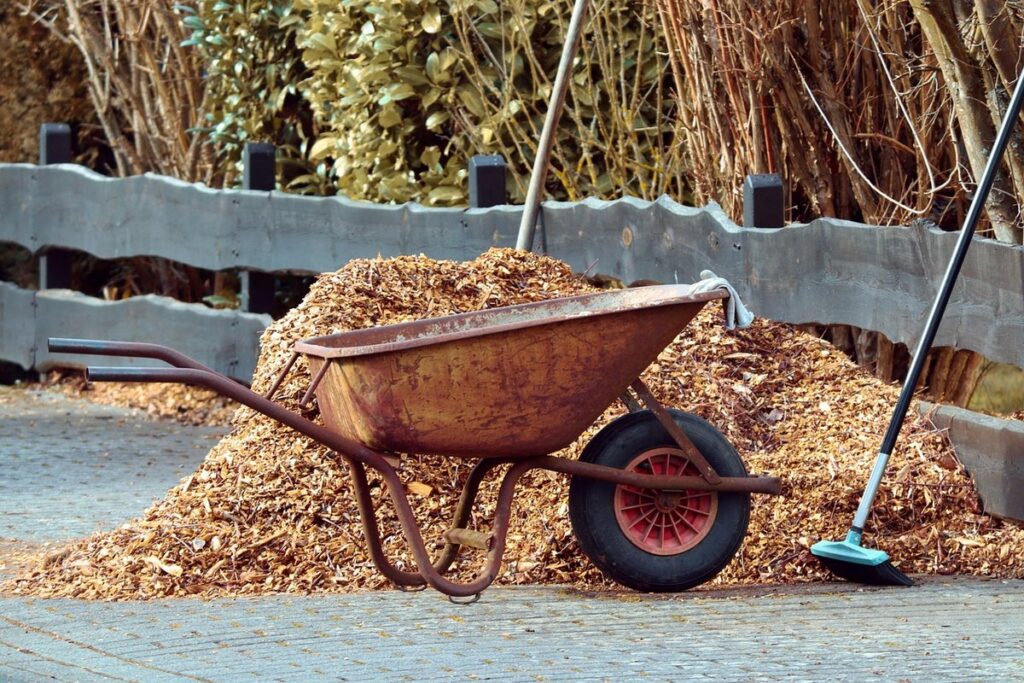
So, what exactly is chop and drop mulching? Let’s break down the basics: it’s a simple, low-maintenance technique for using plant trimmings to enrich your soil.
Benefits of Chop and Drop Mulching
Chop and drop mulching is not only an efficient way to reduce waste, but it also offers numerous benefits for your garden’s ecosystem. By incorporating this method into your gardening routine, you can significantly improve soil health, increase biodiversity, and create a thriving environment.
Reducing waste is one of the most significant advantages of chop and drop mulching. When you chop weeds or plants instead of pulling them out, you’re allowing their nutrient-rich biomass to decompose on site. This process reduces the amount of organic matter sent to landfills and minimizes the need for synthetic fertilizers. In turn, this encourages beneficial microorganisms in the soil, promoting healthy microbial activity.
Moreover, chop and drop mulching fosters biodiversity by providing a food source for various garden creatures. Leaves, stems, and flowers act as shelter, food, and breeding grounds for beneficial insects, which in turn attract birds, bees, and other pollinators to your garden. As these organisms thrive, they contribute to the overall health and resilience of your ecosystem.
By adopting chop and drop mulching, you’ll be taking a crucial step towards creating a balanced and self-sustaining environment that requires minimal external inputs. By embracing this method, you can enjoy better soil quality, increased plant growth, and a more vibrant garden full of life.
Preparing Your Garden for Chop and Drop Mulching
Before you start chopping and dropping mulch, it’s essential to prepare your garden for optimal results. This involves clearing the area of debris, removing weeds, and testing the pH level of the soil.
Clearing the area is a straightforward process that helps prevent damage to your tools and makes it easier to access the entire garden bed. Remove any large rocks, branches, or other obstacles that could interfere with mulching. You can also take this opportunity to prune any overgrown plants or shrubs.
Next, tackle those pesky weeds! Chop and drop mulching is most effective in weed-free areas, so make sure to remove as many weeds as possible from the garden bed. This will prevent competition for nutrients and ensure your desired plants thrive. To test the pH level of your soil, grab a small sample and send it off to a lab or use a DIY testing kit.
This step might seem tedious, but trust us – it’s worth the extra effort. By clearing, removing weeds, and testing the pH level, you’ll set yourself up for success with chop and drop mulching. Your garden will thank you!
Choosing the Right Plants for Chop and Drop Mulching
When it comes to chop and drop mulching, choosing the right plants is crucial. Selecting perennials that regrow quickly will ensure a continuous supply of material for your mulch.
Selecting Plants with High Nutrient Content
When it comes to chop and drop mulching, selecting plants with high nutrient content is crucial. These plants will not only provide valuable nutrients for your garden but also add a layer of protection against pests and diseases.
Consider incorporating leaves from trees like oak, maple, or cherry into your mulch. These trees are rich in nitrogen, phosphorus, and potassium, making them an excellent addition to your compost pile. In fact, a study by the USDA found that leaf litter can contain up to 25% of its dry weight in nutrients.
Flowers such as marigolds, nasturtiums, and calendulas are also high in nutrients like nitrogen, phosphorus, and potassium. These flowers not only attract beneficial insects but also add a pop of color to your garden. You can either chop them up and mix them into the mulch or leave them on top as a decorative layer.
Grass clippings are another rich source of nutrients, particularly nitrogen. However, be sure to avoid clippings from lawns that have been treated with herbicides or pesticides, as these chemicals can harm your garden’s ecosystem.
Identifying Plants That Are Safe for Chop and Drop Mulching
When using the chop and drop method for mulching, it’s essential to identify plants that are safe to use. This is particularly important if you have sensitive skin or allergies. Some plants contain high levels of toxins or allergens that can cause irritation, skin rashes, or other adverse reactions.
For example, plants like poison ivy, oak, and sumac should be avoided altogether. These plants contain urushiol, an oil that causes severe allergic reactions in many people. Other plants to steer clear of include black walnut, English ivy, and Stinging Nettle, as they can cause skin irritation or other issues.
On the other hand, some plants are perfectly safe for chop and drop mulching. These include grass clippings, leaves, and small twigs from non-toxic plants like clover, dandelion, and comfrey. When selecting plants, make sure to choose those that are free of pesticides, herbicides, or other chemicals.
If you’re unsure whether a particular plant is safe for mulching, err on the side of caution and avoid using it. It’s always better to be safe than sorry when it comes to your health and well-being.
The Process of Chop and Drop Mulching
Now that you have a basic understanding of chop and drop mulching, let’s dive into the step-by-step process of turning plant cuttings into nutrient-rich mulch. We’ll cover each stage in detail to ensure success.
Preparing Your Tools and Equipment
Before you start the chop and drop mulching process, it’s essential to have the right tools and equipment. This will not only make the process more efficient but also ensure that you can effectively break down the plant material into nutrient-rich mulch.
You’ll need a good pair of pruning shears or loppers for cutting back plants. Choose ones with sharp blades to avoid straining yourself, and consider investing in a pruning saw for thicker branches. A sturdy rake will come in handy for collecting and gathering cut plant material. You can also use a leaf rake for more delicate tasks.
For the composting process, you’ll need a large compost bin or pile area. This is where you’ll be breaking down the plant material into nutrient-rich mulch. Consider investing in a tumbler bin to speed up the decomposition process. Aeration tools like a pitchfork or compost turner will also help you mix and oxygenate the compost pile.
Remember, proper tool maintenance is crucial to avoid any accidents or injuries during the chop and drop process. Regularly clean your pruning shears and other equipment with soap and water to prevent clogging and rust buildup.
Shredding and Spreading the Mulch
Now that you’ve collected and chopped the mulch, it’s time to shred it into finer pieces. This is a crucial step in ensuring the mulch breaks down quickly and evenly. You can use a chipper or a mower with a bag attachment to shred the mulch. If you’re using a chipper, be sure to follow safety guidelines and wear protective gear.
Shredding the mulch will also help prevent matting when spreading it around plants. Matting occurs when thick layers of mulch compact together, preventing air from reaching plant roots and potentially harming them. To avoid this, spread the shredded mulch in thin layers (about 2-3 inches deep) around your plants.
When layering the mulch, remember to leave space between each layer for air to circulate. This will help prevent anaerobic conditions that can lead to the growth of weeds and pathogens. Start by spreading a base layer, then add additional layers on top, working your way up to the desired depth.
Benefits of Chop and Drop Mulching on Soil Health
When done correctly, chop and drop mulching can significantly boost soil health by improving its structure, fertility, and overall ecosystem. This is achieved through a process of natural decomposition and nutrient cycling.
Improving Soil Structure and Drainage
When you start incorporating chop and drop mulching into your gardening routine, one of the most significant benefits is the improvement it brings to soil structure and drainage. Healthy soil structure is crucial for plant growth as it allows roots to breathe, absorb water and nutrients easily, and supports a diverse range of beneficial microorganisms.
As organic matter breaks down from the chopped plant material, it increases the soil’s water-holding capacity, reduces erosion, and improves overall fertility. This process also enhances the soil’s ability to drain excess water, reducing the risk of waterlogged areas where roots can rot. By allowing air to penetrate deeper into the soil, plants develop stronger root systems that are better equipped to withstand droughts.
By regularly chopping and dropping plant material on your garden beds, you’re essentially creating a natural soil conditioner that promotes healthy growth while minimizing maintenance requirements. As an added bonus, this technique also helps retain soil moisture, reducing the need for frequent watering sessions. With consistent practice, you can enjoy improved crop yields, more resilient plants, and reduced environmental impact through enhanced soil health.
Supporting Microbial Life in the Soil
Chop and drop mulching provides microorganisms in the soil with a constant food source, which is essential for their growth and activity. This process involves chopping plant material into smaller pieces before dropping it onto the soil surface. As it breaks down, it releases organic compounds that serve as nutrients for microbes.
Microbes such as bacteria, fungi, and protozoa feed on these organic compounds, using them to fuel their metabolic processes. In turn, they break down complex organic matter, making essential nutrients available to plants. For example, a study found that the application of mulched plant material increased soil microbial biomass by 20% within six weeks.
To support microbial life in the soil through chop and drop mulching, aim for a layer depth of about two to three inches when applying fresh mulch. This allows microbes to access the organic matter while minimizing competition from oxygen and light. Regular maintenance, such as replenishing depleted layers or aerating compacted areas, is also crucial for maintaining an optimal microbial environment.
By fostering this environment through chop and drop mulching, gardeners can promote a diverse range of microorganisms that contribute to healthy soil ecosystems.
Challenges and Limitations of Chop and Drop Mulching
While chop and drop mulching is a fantastic technique, it’s not without its downsides. Let’s take a closer look at some of the challenges you might face when using this method.
Managing Weeds and Pests
When using the chop and drop method, managing weeds and pests can be a significant challenge. One of the main concerns is that chopping up vegetation creates an ideal environment for weed seeds to germinate and spread. This can lead to an overgrowth of unwanted plants, making it difficult to maintain the mulched area.
To minimize these issues, consider implementing a few strategies:
* Regularly inspect your mulched area for signs of weeds or pests
* Use a combination of physical barriers like landscape fabric or weed mats to prevent weeds from growing up through the mulch
* Incorporate weed-suppressing plants like creeping thyme or vinca minor into your mulched bed
Another important aspect is managing pests. Chop and drop mulching can create an environment that attracts pests, such as rodents or insects, which can damage your plants.
Some practical tips for pest management include:
* Keeping the area clean by removing debris and weeds
* Using natural pest control methods like diatomaceous earth or neem oil to deter pests
Maximizing Nutrient Retention
Proper mulch application and maintenance are crucial to maximizing nutrient retention in your soil. When done correctly, chop and drop mulching can be a game-changer for your garden’s fertility. To begin with, it’s essential to apply the right amount of mulch. Too little, and you won’t see significant benefits; too much, and you may end up suffocating your plants.
Aim to maintain a 3-4 inch layer of mulch around your plants’ base. This allows for even decomposition and nutrient release without overwhelming the soil. Regularly turn over the mulch to aerate it and promote healthy microbial activity. You can do this by gently raking the surface or using a garden fork to loosen the underlying material.
Timing is also vital in maximizing nutrient retention. Apply fresh mulch during the growing season, when your plants are actively absorbing nutrients. This ensures that the decomposing matter provides a steady supply of nutrients as needed. Avoid applying mulch too early in the season, as this can lead to nutrient lock-up and decreased availability for your plants.
Advanced Techniques for Chop and Drop Mulching
Now that you’ve mastered the basics of chop and drop mulching, let’s dive into some advanced techniques to take your mulch game to the next level. We’ll cover strategies for tackling thick weeds and woody debris.
Composting and Vermicomposting
Composting and vermicomposting are two advanced techniques that can significantly enhance the benefits of chop and drop mulching. These methods allow you to transform kitchen scraps and other organic materials into a nutrient-rich compost that can be used to fertilize your plants.
To get started with composting, gather a mix of “green” materials like fresh grass clippings, fruit and vegetable scraps, and manure from herbivores, and “brown” materials like dried leaves, shredded newspaper, or cardboard. Aim for a 2/3 brown material to 1/3 green material ratio. As you add these materials to your compost pile, regularly turn the mixture with a pitchfork to ensure it breaks down evenly.
Vermicomposting is another efficient way to turn organic waste into compost using worms! These tiny creatures love breaking down food scraps and other high-nitrogen waste. You can create a worm bin using a plastic container or wooden pallets, add some bedding material like coconut coir or shredded newspaper, and start feeding your red wiggler friends.
By incorporating these techniques into your chop and drop mulching routine, you’ll be creating nutrient-rich compost that promotes healthy plant growth and reduces waste. Remember to regularly monitor the moisture levels in both your compost pile and worm bin, ensuring they stay between 40-60% for optimal decomposition.
Integrating Chop and Drop Mulching with Other Gardening Methods
When it comes to taking your chop and drop mulching practice to the next level, integrating this method with other gardening approaches can be incredibly beneficial. One way to do this is by combining chop and drop mulching with permaculture principles.
Permaculture is all about designing gardens that mimic nature’s patterns and cycles, and chopping and dropping leaves and trimmings fits perfectly into this philosophy. By applying permaculture principles, you can create a diverse and resilient ecosystem where plants help each other grow and thrive. For example, planting nitrogen-fixing legumes alongside comfrey, which is rich in micronutrients, creates a mutually beneficial relationship that enhances the growth of both plants.
Regenerative agriculture is another approach that aligns well with chop and drop mulching. This method focuses on rebuilding soil health through organic matter addition, reducing synthetic inputs, and promoting biodiversity. By incorporating regenerative practices into your gardening routine, you can create a thriving ecosystem that not only minimizes waste but also produces nutrient-rich compost to feed your plants.
To integrate chop and drop mulching with permaculture or regenerative agriculture, start by observing the specific needs of your garden and identifying areas where these methods can complement each other. Consider what plants would benefit from the added nutrients provided by chopped leaves and trimmings, and how you can strategically place them throughout your garden to create a diverse network of beneficial relationships.
Conclusion
Now that you’ve mastered the chop and drop mulching method, it’s time to summarize the key takeaways from our comprehensive guide. Let’s review what we’ve learned together so far.
Recap of Key Takeaways
In this comprehensive guide, we’ve explored the benefits and best practices of implementing the chop and drop mulching method. By now, you should have a solid understanding of how to create nutrient-rich mulch from your garden waste, reducing the need for synthetic fertilizers and minimizing greenhouse gas emissions.
Key takeaways include:
* The importance of choosing the right plants for chop and drop mulching, such as comfrey, clover, and legumes, which are high in nitrogen and other nutrients.
* How to harvest and process plant material efficiently, including using sharp tools and composting techniques to break down leaves and stems quickly.
* The benefits of incorporating chop and drop mulch into your garden, including improved soil structure, increased biodiversity, and enhanced ecosystem services.
To put these takeaways into practice, remember to:
* Start small and monitor the effectiveness of chop and drop mulching in your specific climate and garden conditions.
* Experiment with different types of plants and processing techniques to find what works best for you.
* Consider incorporating other sustainable gardening practices, such as companion planting and cover cropping, to create a thriving ecosystem.
Encouraging Further Research and Experimentation
As you’ve learned the ins and outs of the chop and drop mulching method, we hope this comprehensive guide has inspired you to continue experimenting with it. The chop and drop method is a versatile technique that can be tailored to suit various garden conditions, from small urban plots to expansive rural landscapes.
We encourage you to push the boundaries of what’s possible with this approach by testing new plant combinations, soil types, and mulch materials. You might consider adding comfrey or clover to your chop and drop mix for enhanced fertility benefits or exploring alternative mulches like straw or grass clippings for added carbon sequestration.
Remember, the key to successful chop and drop mulching lies in observation and adaptation. Continuously monitor your soil’s health, microclimate, and plant growth, making adjustments as needed. Share your experiences with others by joining online forums or social media groups dedicated to sustainable gardening practices. This community-driven approach will not only refine your skills but also contribute to the collective knowledge of chop and drop mulching enthusiasts worldwide.
Frequently Asked Questions
Can I use the chop and drop method with trees, or is it mainly for grass clippings?
You can indeed use the chop and drop method with tree trimmings, leaves, and other woody material. However, be sure to shred them into smaller pieces to speed up decomposition and prevent matting. This will help you achieve a more balanced carbon-to-nitrogen ratio in your mulch.
How often should I apply chop and drop mulch to my garden for optimal results?
The frequency of application depends on the type of plants, climate, and soil conditions. As a general rule, apply 2-3 inches of chopped material per year. You can do this by spreading it evenly over your garden beds after every mowing or pruning session.
Can I mix chop and drop mulch with other gardening methods, like composting?
Absolutely! Chop and drop mulching is often used in conjunction with composting to create a nutrient-rich environment for plants. By combining the two techniques, you can maximize soil health and fertility while reducing waste and environmental impact.
Will using the chop and drop method attract pests or weeds to my garden?
While it’s true that chopped plant material can sometimes harbor pests or weed seeds, there are ways to mitigate these risks. Regularly inspect your mulch for signs of infestation, and remove any weeds before they spread. You can also use weed barriers or landscape fabric to prevent unwanted growth.
Can I use the chop and drop method in containers or raised beds?
Yes, you can adapt the chop and drop method to container gardens and raised beds by using a smaller amount of material and adjusting your application frequency accordingly. Be mindful of the soil depth and drainage in these environments to ensure optimal results.