
Watering your plants can be a delicate balance between giving them enough to thrive and wasting precious resources. With a watering wand, you can take control of this process and ensure your plants receive exactly what they need, when they need it. But with so many options on the market, choosing the right one for your plant’s unique needs can feel overwhelming. In this comprehensive guide, we’ll walk you through the ins and outs of selecting, using, and maintaining a watering wand that perfectly complements your gardening routine. We’ll explore how to optimize your watering schedule, reduce water waste, and select the ideal watering wand for your specific plants. Whether you’re a seasoned green thumb or just starting out, this guide has everything you need to know about making the most of your watering wand.
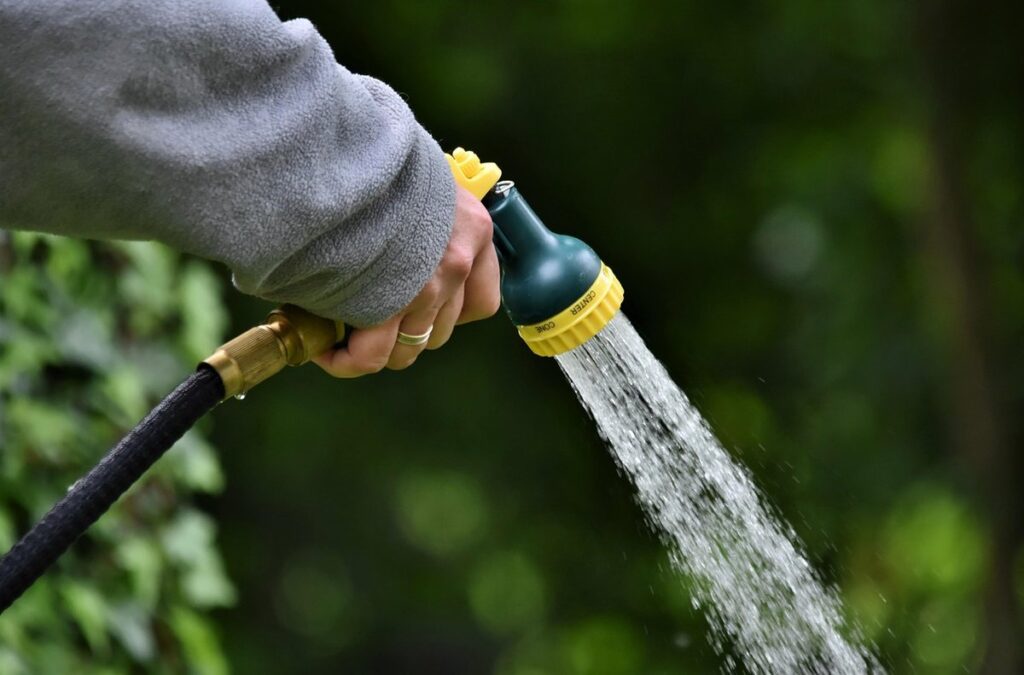
Benefits and Advantages of Using a Watering Wand
Using a watering wand can bring numerous benefits, from reduced water waste to increased precision when targeting specific plants’ needs. Let’s dive into these advantages.
Reduced Water Waste and Overwatering
Using a watering wand can significantly reduce water waste and prevent overwatering, which is crucial for maintaining healthy plants. Overwatering is one of the most common mistakes gardeners make, leading to root rot, nutrient deficiencies, and even plant death. With a watering wand, you can target specific areas of your plants’ roots, ensuring that only the soil receives water.
This targeted approach not only saves water but also reduces evaporation, runoff, and splash-back, which are significant contributors to water waste. According to the US Environmental Protection Agency (EPA), fixing leaks and optimizing irrigation systems can save up to 30% of a household’s water consumption. By incorporating a watering wand into your gardening routine, you’ll be able to achieve similar results.
To maximize the benefits of using a watering wand, it’s essential to adjust your watering schedule based on factors like soil type, plant species, and weather conditions. Aim for deep but infrequent watering, allowing the top inch of soil to dry out between waterings. By adopting this approach, you’ll not only conserve water but also promote healthy root development and a robust plant immune system.
Customizable Flow Rates for Different Plants
One of the most significant advantages of using a watering wand is its ability to provide customizable flow rates. This feature allows users to tailor their watering schedule to specific plant types and requirements. Whether you’re nurturing delicate seedlings, mature plants, or even cacti, a watering wand’s adjustable flow rate ensures that your plants receive the right amount of water at the right time.
The adjustable flow rate is typically achieved through a simple twist of a handle or a turn of a dial. This allows users to precisely control the amount of water being dispensed. For instance, if you’re watering a sensitive succulent, you can set the flow rate to a gentle trickle, while a thirsty vegetable garden may require a more substantial flow.
This flexibility is particularly beneficial for plants with varying needs. Some plants, like ferns and peace lilies, prefer consistently moist soil, while others, such as orchids and bromeliads, thrive in drier conditions. With a watering wand’s adjustable flow rate, you can easily adapt to these unique requirements, ensuring your plants receive the ideal amount of water for optimal growth and health.
Time-Saving Convenience
Using a watering wand is an absolute game-changer for busy gardeners and those with large plant collections. The time-saving convenience it offers is unparalleled, making it an essential tool for anyone who wants to keep their plants healthy and thriving without breaking their backs.
With a watering wand, you can water multiple plants at once, saving you a significant amount of time that would be spent on lugging around separate watering cans or hoses. This is especially beneficial for gardeners with large gardens or those who have multiple plants spread across different rooms indoors. For instance, imagine being able to water your entire indoor herb garden in one go – it’s a huge time-saver and stress-reliever!
But that’s not all – a watering wand also allows you to reach high places and corners where traditional watering cans can’t reach, making it perfect for plants placed on shelves or hanging baskets. By using a watering wand, you’ll not only save time but also reduce the risk of overwatering or underwatering your plants, which can be detrimental to their health.
By incorporating a watering wand into your gardening routine, you’ll be able to tend to your plants more efficiently and enjoy the satisfaction that comes with knowing they’re receiving just the right amount of water.
Choosing the Right Watering Wand for Your Needs
When it comes to selecting the perfect watering wand, understanding your specific needs and preferences is crucial. Let’s dive into what factors to consider when choosing a reliable watering system.
Types of Nozzles and Spray Patterns
When choosing the right watering wand for your plants, it’s essential to consider the type of nozzle and spray pattern that suits their needs. Most watering wands come with interchangeable nozzles, which can be a game-changer for gardeners who have multiple plant types.
One common type of nozzle is the fan tip. These tips produce a wide, flat spray that’s perfect for covering large areas or gently showering plants. They’re often used for lawns, gardens, and houseplants that require even moisture distribution. For example, if you have a sprawling succulent arrangement, a fan tip nozzle would be an excellent choice.
On the other hand, jet tips are designed to produce a strong, concentrated stream of water. These nozzles are ideal for precision watering of individual plants or those with delicate leaves. They’re also great for targeting specific areas that require more attention, such as root systems or sensitive blooms.
Adjustable nozzle options are another popular choice. These allow you to customize the spray pattern and intensity of the water flow. This feature is particularly useful for gardeners who need to adapt to changing plant requirements or varying weather conditions.
Material Selection: Durable Materials for Long-Lasting Use
When it comes to selecting a watering wand, choosing the right material is crucial for long-lasting use. You want a material that can withstand exposure to water, handle varying temperatures, and resist corrosion from fertilizers and other chemicals.
Consider using stainless steel or aluminum materials, as they offer excellent durability and resistance to corrosion. Stainless steel, in particular, is known for its high-strength, low-maintenance properties, making it an ideal choice for outdoor use. These metals are also resistant to rust and can withstand exposure to extreme temperatures.
In contrast, plastic and fiberglass wands may not be the best options due to their susceptibility to cracking, fading, or breaking under pressure. When choosing a material, consider the ease of cleaning as well. Look for materials with smooth surfaces that make it easy to rinse away debris and dirt.
For example, some high-end watering wands feature copper-free, stainless steel components that can be easily disassembled for thorough cleaning. By selecting a durable material like stainless steel or aluminum, you’ll ensure your watering wand remains functional and efficient throughout its lifespan.
Measuring and Calibration Options
When choosing a watering wand, some models come equipped with measuring or calibration features that help you accurately monitor water usage and plant requirements. These features are particularly useful for gardeners who want to ensure their plants receive the right amount of moisture.
Some watering wands have built-in flow meters that measure water output in liters per minute (L/min) or gallons per minute (GPM). This allows you to adjust the spray nozzle to deliver a precise amount of water, preventing overwatering and underwatering. For instance, if your plant requires 1 gallon of water per hour, you can set the flow meter accordingly.
Another common feature is adjustable calibration settings that allow you to match the watering wand to specific plant requirements. These settings are often represented by pre-programmed buttons or a dial with different settings for various types of plants. By selecting the correct setting, you can ensure your plants receive the right amount of water based on their growth stage and climate.
When shopping for a watering wand, look for these features if you want to take the guesswork out of watering. It’s especially useful for indoor plants that require more precise watering schedules.
How to Use a Watering Wand Effectively
When using a watering wand, it’s essential to maintain a consistent water flow and adjust the distance according to your plant’s specific needs. This ensures optimal hydration without overwatering.
Preparing the Plant for Watering
Before you begin watering with your trusty watering wand, it’s essential to prepare the plant for optimal hydration. This may seem like a no-brainer, but it’s surprising how often we overlook this crucial step.
First, remove any covers or stakes that might be obstructing access to the soil. These can include things like cloches, frost blankets, or trellises that support climbing plants. By taking these off, you’ll give yourself clear access to the soil and ensure that your watering wand can do its job effectively.
Next, make sure the soil is exposed by gently brushing away any debris or mulch that might be covering it. This will help prevent water from being absorbed too quickly, allowing your plant to benefit from a thorough soaking. If you’re using a raised bed or container garden, consider moving the plant out of its pot temporarily to give you better access to the soil.
By taking these simple steps, you’ll set yourself up for watering success with your trusty watering wand.
Effective Water Distribution Techniques
When using a watering wand, it’s essential to employ optimal techniques to ensure your plants receive the right amount of water. To avoid splashing and runoff, move the wand slowly over the leaves and stems, taking care not to saturate the foliage excessively. This approach helps prevent water from collecting on the plant’s surface, reducing the risk of fungal diseases that thrive in damp environments.
To execute this technique effectively:
* Start by moving the wand at a gentle pace, gradually increasing the flow as needed.
* Focus on watering the root zone and crown area rather than just the leaves. This encourages healthy growth and prevents overwatering.
* Avoid standing directly under the plant’s canopy to minimize runoff and ensure water reaches the soil evenly.
By following these guidelines, you’ll be able to distribute water efficiently and effectively using your watering wand, providing optimal conditions for your plants’ health and well-being.
Monitoring Plant Response and Adjusting Your Technique
As you use your watering wand, it’s essential to monitor your plant’s response and adjust your technique accordingly. This will ensure that you’re not overwatering or underwatering your plants, which can lead to damage or even death.
Start by checking the soil moisture regularly. Stick your finger into the soil up to the first knuckle, and if the soil feels dry, it’s time for watering. If it’s already moist, wait a day or two before watering again. You can also use a moisture meter to get an accurate reading.
Pay attention to changes in your plant’s color, texture, and growth rate. A healthy plant will have vibrant green leaves, while an overwatered plant may turn yellow or develop brown spots. If you notice any of these signs, adjust your watering schedule immediately.
Remember that plants are unique, so it may take some trial and error to find the right balance for each one. Be patient, observe, and adjust as needed. With time and practice, you’ll develop a sense of how often to water each plant using your trusty watering wand.
Common Issues with Watering Wands and Troubleshooting
Don’t worry if you’re experiencing problems with your watering wand – we’ve got solutions for common issues, from clogged nozzles to inconsistent flow rates. Let’s troubleshoot together and get your plant care back on track!
Clogged Nozzles or Blockages
Clogged nozzles or blockages are one of the most common issues you may encounter when using a watering wand. These problems can lead to uneven water distribution, reduced flow rate, and even damage to your plants. To resolve clogged nozzles, start by inspecting the nozzle for visible debris or mineral buildup. If you find any blockages, try soaking the nozzle in warm soapy water or use a mixture of equal parts white vinegar and water to dissolve any mineral deposits.
If the issue persists, you can try cleaning the nozzle with a small brush or replacing it altogether if necessary. To prevent clogs from occurring in the future, ensure that your watering wand is properly maintained by regularly flushing out any debris or sediment that may accumulate inside the wand’s tubing. Additionally, consider using a filter screen to catch any larger particles before they enter the nozzle.
It’s also essential to check for blockages in the wand’s tubing itself, which can be caused by dried-out or clogged areas within the tube. In such cases, you may need to replace the entire wand to ensure optimal performance and prevent damage to your plants.
Incorrect Adjustments to Flow Rates
Making accurate adjustments to flow rates on your watering wand is crucial for delivering the right amount of water to your plants. If the settings are incorrect, it can lead to overwatering, which can cause roots to rot and leave the plant susceptible to diseases.
Overwatering can also promote root growth at the expense of top growth, resulting in weak and spindly stems that are more prone to breakage. Conversely, under-watered plants may require extra care to recover from dry soil. This can be particularly challenging for delicate seedlings or young plants.
When making flow rate adjustments, consider the type of plant you’re watering. Some plants, like succulents, prefer less water and have adapted to arid environments, while others, like orchids, require more moisture-rich environments.
To avoid mistakes, take a few extra minutes to research the specific needs of your plants and adjust the flow rate accordingly. A good rule of thumb is to start with lower settings and gradually increase as needed. This will also help prevent overwatering in case you accidentally turn up the flow too high.
Maintenance and Cleaning Requirements
Regular maintenance of your watering wand is crucial to ensure optimal performance and extend its lifespan. Start by cleaning the wand after each use with mild soap and warm water. Pay particular attention to the spray nozzle and other areas where debris tends to accumulate.
Check for signs of wear and tear, such as cracks or rust, which can compromise the integrity of the wand. Inspect moving parts like joints and hinges regularly and lubricate them with silicone-based grease to prevent sticking and smooth operation. It’s also essential to store the wand in a dry place when not in use to prevent damage from moisture.
By incorporating these simple maintenance tasks into your routine, you’ll be able to enjoy a reliable and efficient watering experience for your plants. Make it a habit to inspect your wand before each use, and replace any damaged parts promptly to avoid costly repairs or replacements down the line.
Frequently Asked Questions
Can I use a watering wand for all types of plants, or are there any exceptions?
While watering wands are versatile, they may not be suitable for plants with extremely delicate roots or those that prefer standing water. For instance, carnivorous plants or orchids might require a more gentle approach. Research your specific plant’s needs to ensure the watering wand is used effectively.
How often should I clean and maintain my watering wand to prevent clogs and bacterial growth?
Regular cleaning is crucial to prevent clogs and bacterial growth in your watering wand. Clean it after each use with mild soap and water, and dry thoroughly. Also, check for mineral buildup by soaking the nozzle in a mixture of vinegar and water every 1-2 months.
What’s the best way to adjust the flow rate on my watering wand to accommodate different plant sizes and types?
Adjusting the flow rate depends on the type of plant, its size, and its specific watering needs. Start with a gentle flow for smaller plants or those with delicate roots, and increase as needed for larger plants. You can also experiment with different nozzle types to achieve the perfect spray pattern.
Can I use a watering wand indoors, or is it better suited for outdoor gardening?
Watering wands are suitable for both indoor and outdoor use. However, consider factors like moisture levels, humidity, and air circulation when using one indoors. For example, you may need to adjust the flow rate or use a different nozzle type to prevent overwatering in low-humidity environments.
How do I troubleshoot common issues with my watering wand, such as inconsistent water pressure or clogged nozzles?
Common issues like inconsistent water pressure or clogged nozzles can usually be resolved by checking and cleaning the nozzle, adjusting the flow rate, or replacing worn-out parts. Regular maintenance and calibration can help prevent these problems from arising in the first place.